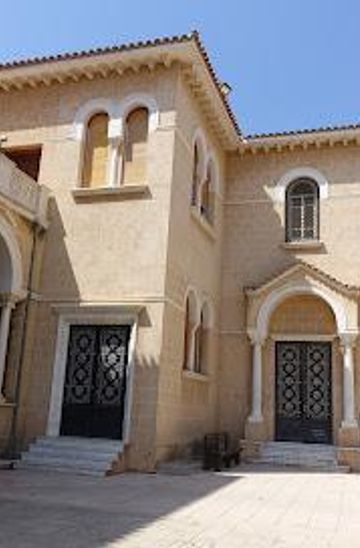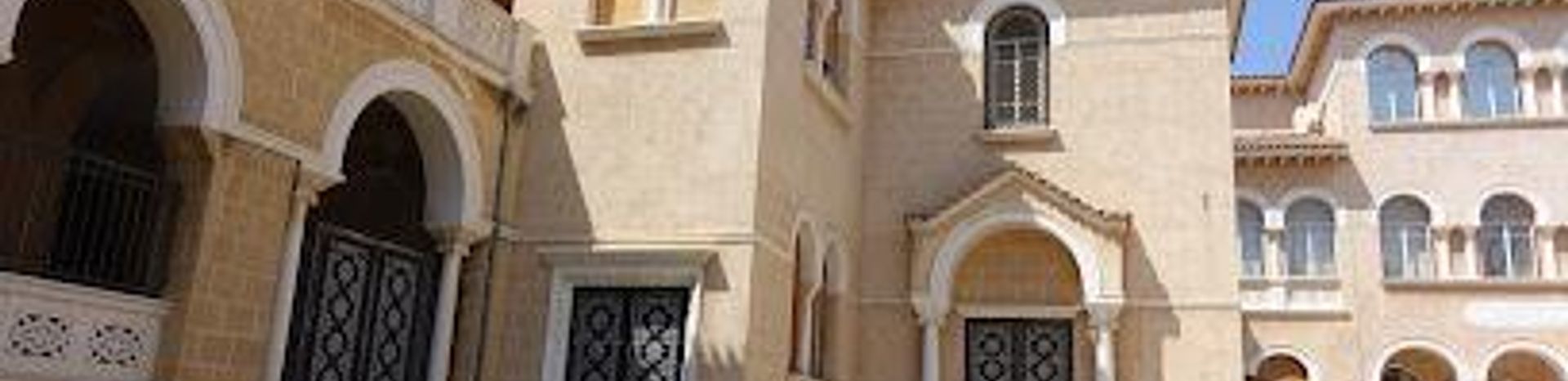
Byzantine Museum: A Treasure Trove of Cypriot Art
Discover Cyprus's rich Byzantine heritage at Nicosia's Byzantine Museum, showcasing a stunning collection of icons, mosaics, and religious artifacts from the 9th to 19th centuries.
The Byzantine Museum in Nicosia is home to the island's most extensive collection of Byzantine art, showcasing over 200 icons dating from the 9th to the 19th centuries. Located within the Archbishopric, the museum offers a glimpse into Cyprus's rich religious and artistic heritage. Visitors can admire sacred vessels, vestments, and books, with a highlight being the 6th-century mosaics from the Church of Panagia Kanakaria, recovered after being illegally exported from the occupied region. The museum provides a serene and informative experience, perfect for art enthusiasts and those interested in Cypriot history. Note that the museum is temporarily closed for restoration, so checking its reopening date is recommended before visiting. Once reopened, it promises an enriching cultural journey through the Byzantine era.
A brief summary to Byzantine Museum
- 59F8+8XQ, Πλ. Αρχιεπισκόπου Κυπριανού, Nicosia, 1016, CY
- Click to display
- Click to display

Know before you go
Hi, I'm Eve. Here are a few practical things to know before exploring Byzantine Museum.
- Check the museum's website or call ahead for the most up-to-date information on opening hours, as they can change, especially due to ongoing restoration work.
- Consider visiting on a weekday to avoid larger crowds and have a more intimate experience with the art.
- Take your time to explore the museum's collection, paying close attention to the intricate details and historical context of each artifact.
- Combine your visit with a walk around the Archbishopric and the old city of Nicosia to fully immerse yourself in the area's cultural atmosphere.
- Look for temporary exhibitions or special events that may be taking place during your visit to enhance your experience.
Do you manage this location?
Take control to get all the benefits, like improved information, better appearance, and stronger visibility across AI-powered discovery. Learn more
Activate your presence

Getting There
-
Walking
From Eleftheria Square, a central point in Nicosia, walk east along Ledras Street, a pedestrian zone. Continue until you reach Archbishop Kyprianos Square. The Byzantine Museum is located within the Archbishopric complex on the square's north side, near St. John's Cathedral. The walk is approximately 5-10 minutes and offers a pleasant stroll through the heart of the old city.
-
Public Transport
Several local buses stop near the Archbishopric. Check local bus routes for the most convenient option from your starting point. Alight at a stop near Eleftheria Square or the Archbishopric. From there, it's a short walk to Archbishop Kyprianos Square, where the museum is located. A single bus fare within Nicosia typically costs €1.50.
-
Taxi/Ride-Share
Taxis and ride-sharing services are readily available in Nicosia. Simply ask to be dropped off at the Archbishopric on Archbishop Kyprianos Square. The fare from most central locations in Nicosia should be between €5-€10, depending on traffic and distance.
Discover more about Byzantine Museum
Explore the best of what Byzantine Museum has to offer













More about Kyrenia District
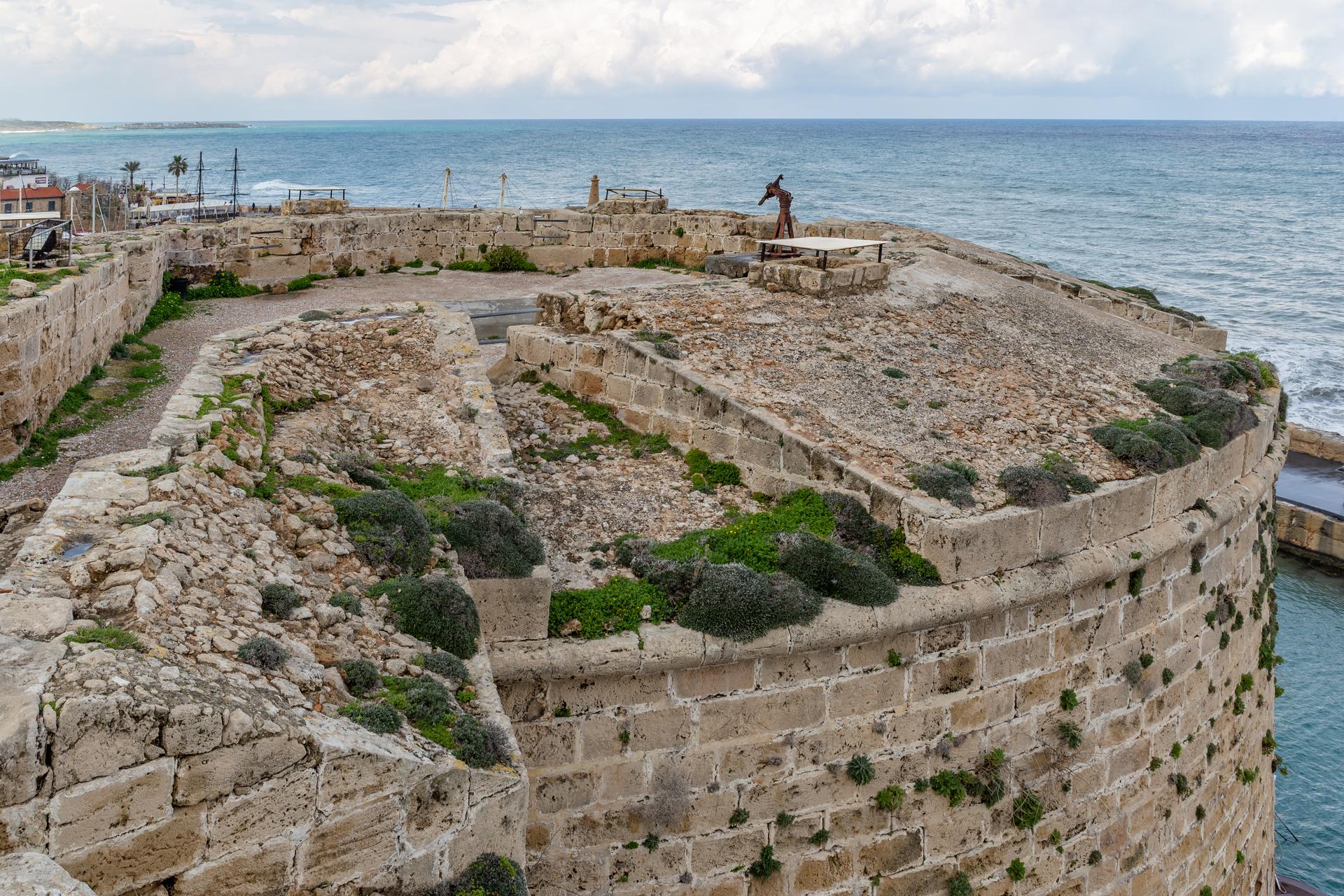
Discover Kyrenia District in Cyprus: Experience a blend of rich history, stunning natural beauty, and vibrant culture in this Mediterranean paradise.
Tell me more about Kyrenia District
Discover Cyprus's medieval heritage at the Medieval Stone Artifacts Museum in Nicosia, showcasing Byzantine, Lusignan, and Venetian relics that tell the island's captivating story.
Explore Cyprus's fight for independence at the Museum of the National Struggle in Nicosia, featuring historical artifacts and stories of resilience.