

Othello Castle: A Fortress Through Time
Explore Othello Castle in Famagusta: A historic fortress with Venetian roots, offering stunning views and a glimpse into Shakespeare's world, steeped in centuries of Cypriot history.
Othello Castle, also known as Othello's Tower, is a historic fortress in Famagusta, Northern Cyprus, steeped in centuries of captivating history. Originally built in the 14th century by the Lusignans, it served as a crucial defense for the city's harbor. Later, the Venetians significantly modified the castle, transforming it into a formidable military stronghold with imposing circular towers. The castle's name is inspired by Shakespeare's famous play "Othello," which is set in a Cypriot harbor town, adding a layer of literary intrigue to its imposing structure. Visitors can explore the castle's well-preserved ramparts, towers, and chambers, imagining the lives of soldiers and nobles who once walked its grounds. The courtyard displays cannonballs, remnants of past sieges, while the Lion of St. Mark relief above the entrance stands as a testament to Venetian influence. Offering panoramic views of Famagusta and the Mediterranean Sea, Othello Castle provides a unique blend of history, culture, and scenic beauty.
A brief summary to Othello Castle
- Othello Castle, Othello Sk, Famagusta, Suriçi, 99450, CY

Know before you go
Hi, I'm Eve. Here are a few practical things to know before exploring Othello Castle.
- Visit early in the morning or late afternoon to avoid crowds and enjoy cooler temperatures, especially during the summer months.
- Wear comfortable shoes as exploring the castle involves a fair amount of walking and climbing stairs on uneven surfaces.
- Check for local events or exhibitions that might be taking place during your visit to enhance your experience.
- Don't forget your camera; the views from the ramparts are perfect for photographs, especially at sunset.
- Consider taking a guided tour to gain deeper insights into the castle's history and architecture.
Do you manage this location?
Take control to get all the benefits, like improved information, better appearance, and stronger visibility across AI-powered discovery. Learn more
Activate your presenceOther nearby places you may find interesting

Getting There
-
Walking
From the central Namık Kemal Square in Famagusta's old city, head southeast towards Atatürk Boulevard. Continue straight for approximately 1 kilometer until you reach Othello Street. Turn left onto Othello Street, and you'll find Othello Castle on your right. The walk is short and enjoyable, allowing you to take in the local scenery.
-
Public Transport
To reach Othello Castle via public transport, take a local bus from Famagusta city center towards the old city (Suriçi). Buses frequently run towards the city center from various parts of the district. Alight at the bus stop nearest to Atatürk Boulevard. From there, walk towards Othello Street, following the directions as above. Bus fare is typically around 5-10 Turkish Lira.
-
Taxi/Ride-Share
Taxis are readily available throughout Famagusta. Simply hail a taxi or use a ride-hailing app to request a ride to Othello Castle. The journey from most points in Famagusta city center should take approximately 5-10 minutes, depending on traffic. Expect to pay around 20-30 Turkish Lira for the ride.
-
Driving
If driving, navigate towards the center of Famagusta (Gazimağusa). Head southeast on Atatürk Boulevard (Atatürk Caddesi) towards Othello Street. Continue straight for about 1 kilometer. Then turn left onto Othello Street, and you will see Othello Castle on your right. Parking is available near the castle, but be prepared to pay a parking fee. Parking fees vary, but typically range from 10-20 Turkish Lira per hour.
Discover more about Othello Castle
Explore the best of what Othello Castle has to offer













More about Kokkinochoria Red Soil Villages

Discover the charm and culture of Cyprus in the Kokkinochoria, where rich red soil, traditional villages, and warm hospitality await.
Tell me more about Kokkinochoria Red Soil Villages
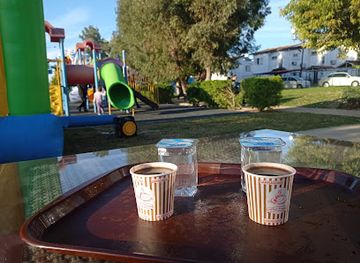
Discover tranquility in Famagusta at Ali Mahir Park, a revitalized green space offering lush landscapes, playgrounds, and a peaceful escape for locals and tourists alike.
Explore the historic Cafer Pasha Baths in Famagusta, a captivating blend of Ottoman architecture and cultural heritage, offering a serene glimpse into the island's past.
