

Free Český Krumlov Travel Guide & Mobile App
Plan your Český Krumlov trip with Evendo. Get free guides to top attractions, restaurants, hotels, and bars. Web access or download the mobile app.


Český Krumlov blends a UNESCO-listed medieval centre, castle views, Vltava riverside walks, galleries, Czech cuisine and memorable cultural experiences.
A Town Shaped by the River
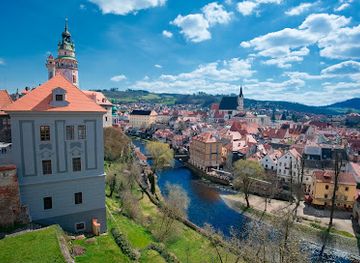
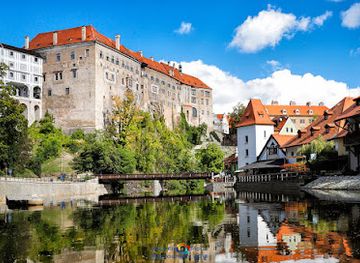
Český Krumlov rises in a tight bend of the Vltava River in South Bohemia, its red-roofed houses and steeply pitched historic buildings gathered beneath one of the Czech Republic’s most celebrated castles. The town’s compact centre is easily explored on foot, with narrow lanes opening into small squares, riverside paths and unexpected views of towers, gables and wooded hills. Its UNESCO-listed Historic Centre preserves a remarkably coherent medieval and Renaissance townscape, while the river gives the streets a sense of movement and scale.Read more about Český Krumlov
Castle, Art and Living Heritage
South Bohemian Atmosphere
When is the best time to visit Český Krumlov?
Best: May, July–August · 18–23°C| Month | High (°C) | Rainfall (mm) |
|---|---|---|
| January | 1 | 24 |
| February | 3 | 19 |
| March | 8 | 20 |
| April | 14 | 30 |
| May (best) | 18 | 59 |
| June | 22 | 99 |
| July (best) | 23 | 109 |
| August (best) | 23 | 96 |
| September | 19 | 70 |
| October | 13 | 44 |
| November | 8 | 30 |
| December | 4 | 28 |
Getting to and around Český Krumlov
How to get there
Transportation
Best attractions in Český Krumlov
Český Krumlov’s principal attraction is its UNESCO-listed Historic Centre, a maze of lanes, small squares and riverside houses enclosed by the looping Vltava. Above it, Český Krumlov State Castle rewards exploration with courtyards, historic interiors, the castle tower and the elevated Cloak Bridge, while the Baroque Castle Garden offers lawns, terraces and a revolving theatre. The parish Church of Saint Vitus introduces the town’s religious and architectural history, and the Egon Schiele Art Centrum brings modern and contemporary art into a former Renaissance building. The Regional Museum presents South Bohemian history, including a detailed ceramic model of the town, while the Museum Fotoatelier Seidel explores early photography and local life. Walks beside the river reveal old mills, weirs and changing views of the skyline; in warmer months, canoeing and rafting provide an active way to experience the Vltava beyond the central streets.
-
Castle
State Castle and Chateau Český Krumlov
Explore the stunning State Castle and Chateau Český Krumlov, a UNESCO World Heritage site showcasing rich history and breathtaking architecture.
3 min walk · 0.3 km from city centre
-
Garden
The Castle Garden
Explore the serene beauty of the Castle Garden in Český Krumlov, where history meets nature amidst stunning landscapes and breathtaking views.
10 min walk · 0.8 km from city centre
-
Technology museum
graphite mine
Uncover the secrets of graphite mining at the Graphite Mine in Český Krumlov, where history and technology intersect.
13 min walk · 1.1 km from city centre
-
Tourist attraction
Museum Fotoatelier Seidel
Explore the fascinating world of photography at Museum Fotoatelier Seidel in Český Krumlov, where history and art come together in a unique heritage experience.
6 min walk · 0.5 km from city centre


Best landmarks in Český Krumlov
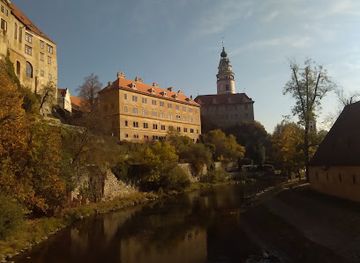
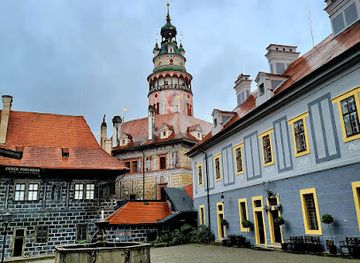
Český Krumlov State Castle is the town’s defining landmark, a large complex layered with medieval, Renaissance and Baroque development above the Vltava. Its round tower, decorated façades, courtyards and Cloak Bridge create the skyline most closely associated with the town. Across the river, the Gothic Church of Saint Vitus, later adapted with Renaissance and Baroque features, stands as the principal ecclesiastical landmark and a reminder of the historic community’s religious importance. Svornosti Square is framed by burgher houses and the Marian column, while Latrán preserves a medieval approach to the castle with former craftsmen’s and merchants’ buildings. The Minorite Monastery and adjoining former Clarissan convent represent the importance of religious orders in the old town. Outside the central cluster, the Church of Saint Martin and the historic Museum Fotoatelier Seidel add further evidence of the town’s civic, artistic and everyday architectural history.
-
Castle
State Castle and Chateau Český Krumlov
Discover the enchanting State Castle and Chateau Český Krumlov, a stunning blend of history, architecture, and breathtaking landscapes in the Czech Republic.
3 min walk · 0.3 km from city centre
-
Garden
The Castle Garden
Discover the serene beauty of the Castle Garden in Český Krumlov, a perfect blend of nature, history, and stunning views in the heart of the town.
10 min walk · 0.8 km from city centre
-
Amphitheater
Revolving auditorium
Experience the unique charm of the Revolving Auditorium in Český Krumlov, where stunning nature meets captivating performances in a historic setting.
9 min walk · 0.8 km from city centre
-
Scenic spot
Český Krumlov Castle Tower
Explore the stunning views and rich history at Český Krumlov Castle Tower, a UNESCO World Heritage site in the heart of the Czech Republic.
2 min walk · 0.1 km from city centre
Explore Český Krumlov on the map
Plan your Český Krumlov trip on one map. See where the top attractions, landmarks, restaurants, bars and hotels are, find what's near where you're staying, and book hotels and experiences in a few clicks.
Best hotels in Český Krumlov
Best restaurants in Český Krumlov
Český Krumlov’s dining scene reflects the hearty traditions of South Bohemia, with menus commonly featuring roast meats, goulash, schnitzel, freshwater fish, dumplings and soups such as kulajda, a creamy soup associated with southern Czech cuisine and flavoured with dill and mushrooms. Historic cellars, vaulted restaurants and riverside terraces give meals a strong sense of place, while cafés serve coffee, cakes and sweet pastries between visits to the castle and museums. Local beer is central to Czech eating culture, and restaurants often offer well-known Czech lagers alongside regional or craft selections. The streets around Svornosti Square, Latrán and the river contain the greatest concentration of visitor dining, ranging from traditional Czech cooking to vegetarian menus and contemporary European dishes. Farmers’ and seasonal food events add occasional opportunities to encounter regional produce, though the town’s culinary identity remains rooted in sit-down restaurants, cafés and taverns.
-
Scenic spot
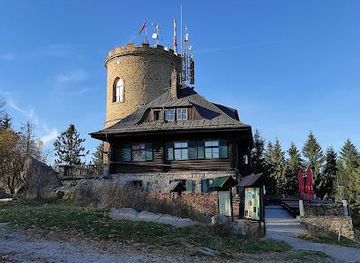
The mountain restaurant
Ascend to Czechia’s oldest stone tower atop Mount Kleť for sweeping vistas of Bohemia’s basins, Šumava peaks, and alpine horizons, paired with hearty Czech fare at the summit restaurant.
19 min drive · 6.4 km from city centre
-
Restaurant
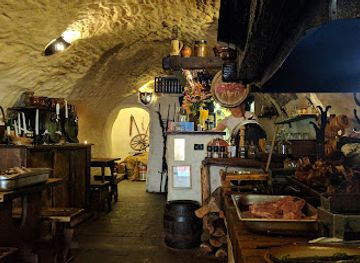
Krčma Šatlava
Discover medieval dining at Krčma Šatlava in Český Krumlov – where traditional Czech cuisine meets enchanting atmosphere.
3 min walk · 0.3 km from city centre
-
Restaurant
Papa's Living Restaurant
Experience the best of Czech cuisine at Papa's Living Restaurant in beautiful Český Krumlov – where tradition meets taste.
1 min walk · 0.1 km from city centre
-
Restaurant
Švejk Restaurant
Experience authentic Czech cuisine at Švejk Restaurant in Český Krumlov - where tradition meets taste in a vibrant setting.
1 min walk · 0.1 km from city centre
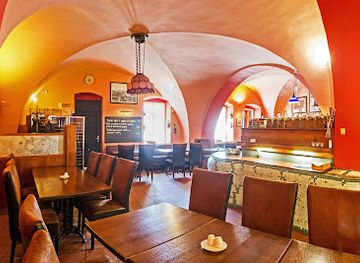
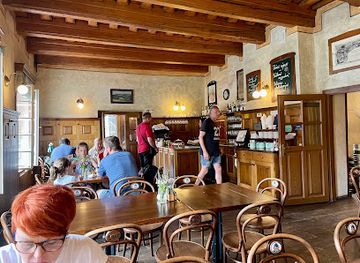
Best bars in Český Krumlov
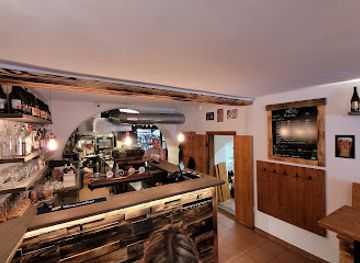
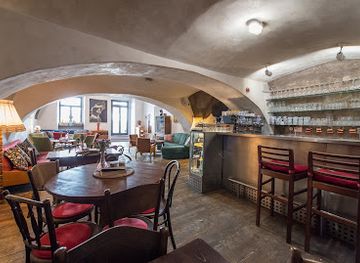
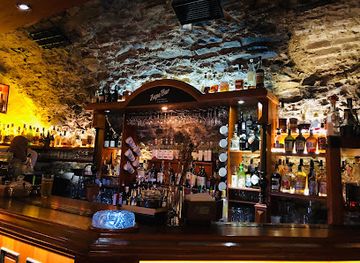
Český Krumlov has a gentler evening scene than Prague or Brno, centred on traditional pubs, wine bars, cafés and restaurants in the historic centre rather than large nightclubs. Local beer and South Bohemian food are often enjoyed in atmospheric cellars or along the Vltava, while cocktail and wine venues provide more polished alternatives. The Egon Schiele Art Centrum and other cultural institutions contribute exhibitions and evening programming, and the town’s long association with classical music brings concerts and performances to historic venues, especially during the cultural season. The Český Krumlov International Music Festival and Egon Schiele Art Centrum events can add a substantial cultural dimension, although programmes vary by date. In summer, outdoor theatre at the castle’s revolving auditorium creates a distinctive form of evening entertainment; outside the main season, nights are noticeably quieter and more local in character.
-
Coffee shop
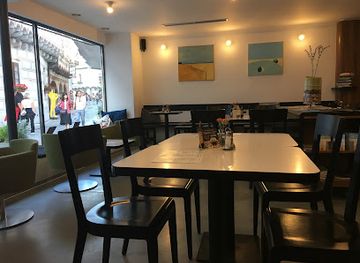
Kolektiv cafe & wine bar
Experience the charm of Český Krumlov at Kolektiv Cafe & Wine Bar, where artisan coffee meets a cozy atmosphere.
1 min walk · 0.1 km from city centre
-
Bar
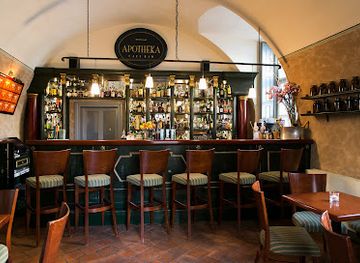
Apotheka cafe bar
Discover Apotheka cafe bar in Český Krumlov, where vintage charm meets modern mixology in a cozy atmosphere perfect for any occasion.
1 min walk · 0.1 km from city centre
-
Bistro
Bistro 53 Beer Point
Discover the best of Český Krumlov at Bistro 53 Beer Point, where delicious burgers and exquisite local beers await in a warm and inviting atmosphere.
4 min walk · 0.4 km from city centre
-
Bar
Egon Café
Discover Egon Café in Český Krumlov - a charming bar and restaurant offering delicious cuisine and a cozy atmosphere perfect for travelers.
5 min walk · 0.4 km from city centre
Best nightclubs in Český Krumlov
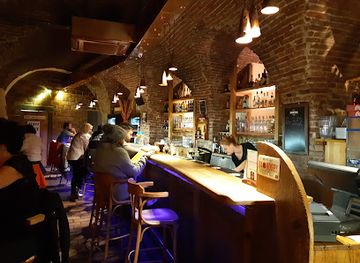
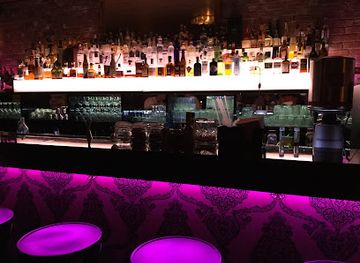
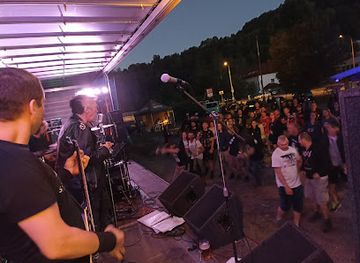
Český Krumlov has a gentler evening scene than Prague or Brno, centred on traditional pubs, wine bars, cafés and restaurants in the historic centre rather than large nightclubs. Local beer and South Bohemian food are often enjoyed in atmospheric cellars or along the Vltava, while cocktail and wine venues provide more polished alternatives. The Egon Schiele Art Centrum and other cultural institutions contribute exhibitions and evening programming, and the town’s long association with classical music brings concerts and performances to historic venues, especially during the cultural season. The Český Krumlov International Music Festival and Egon Schiele Art Centrum events can add a substantial cultural dimension, although programmes vary by date. In summer, outdoor theatre at the castle’s revolving auditorium creates a distinctive form of evening entertainment; outside the main season, nights are noticeably quieter and more local in character.
-
Bar
Music Cocktail Bar
Discover the lively Music Cocktail Bar in Český Krumlov, where exceptional cocktails meet an electrifying atmosphere and vibrant music.
4 min walk · 0.3 km from city centre
-
Bar
City Lounge Music Club & Bar
Experience the vibrant nightlife at City Lounge Music Club & Bar in Český Krumlov, where great music and a friendly atmosphere await you.
5 min walk · 0.4 km from city centre
-
Bar
Zapa Bar Český Krumlov
Discover Zapa Bar in Český Krumlov for an unforgettable night of drinks, music, and vibrant local culture.
1 min walk · 0.1 km from city centre
-
Pub
Museum Czech Underground
Explore the hidden history of Český Krumlov at the Museum Czech Underground, where culture and folklore come to life in the heart of this enchanting town.
13 min walk · 1.1 km from city centre
Best shops in Český Krumlov
Shopping in Český Krumlov is concentrated in the historic centre, particularly along Latrán, Široká Street and the lanes leading from Svornosti Square. Independent shops and galleries offer Bohemian glass, ceramics, jewellery, prints, woodcraft, textiles and locally themed artwork, while small food shops sell Czech sweets, preserves, honey, beer and other regional products. Marionettes and handmade decorative objects are especially associated with the town’s cultural and theatrical atmosphere, although quality and provenance vary, so visitors should look for clear information about where goods were made. Galleries and craft workshops provide a more characterful alternative to standard souvenirs, and the Egon Schiele Art Centrum area has a strong artistic presence. The retail scene is largely small-scale and visitor-oriented, with historic premises and narrow streets forming part of the experience; larger everyday shopping facilities are found outside the old centre.
-
Store
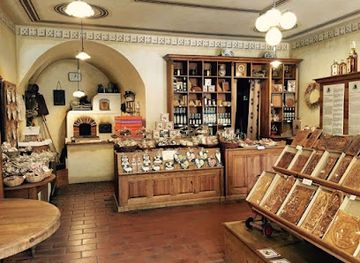
Český Perník
Explore the delightful world of traditional Czech gingerbread at Český Perník in the enchanting town of Český Krumlov.
1 min walk · 0.1 km from city centre
-
Hat shop
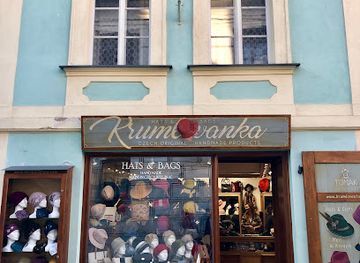
Krumlovanka
Discover the charm of Krumlovanka, a unique hat shop in Český Krumlov, offering stylish headwear and a taste of local craftsmanship.
1 min walk · 0.1 km from city centre
-
Candy store
Candyshop Česky Krumlov
Explore the enchanting world of sweets at Candyshop Česky Krumlov, where every bite tells a story of tradition and delight.
1 min walk · 0.1 km from city centre
-
Department store
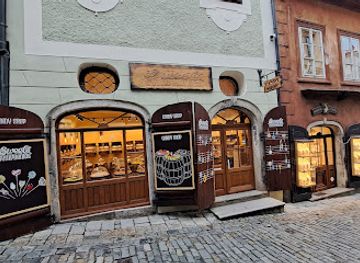
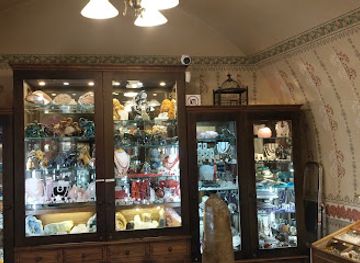
Apotheka MINERAL SHOP
Explore the enchanting Apotheka MINERAL SHOP, a treasure trove of unique minerals and crystals in the heart of Český Krumlov's vibrant culture.
1 min walk · 0.1 km from city centre
Get your free copy of our complete guide to Český Krumlov, delivered straight to you.
Everything on this page, from attractions and restaurants to essentials and local phrases, in one PDF you can read offline, print or share.
Already have an account? Sign in
Your Český Krumlov guide is ready.
We'll send it to · Not you? Sign out

Getting your guide ready…
We are putting together a fresh copy of the Český Krumlov guide. This can take up to a minute.
This can take a few moments. If your browser asks, choose Allow so the download can start. You'll find the guide in your Downloads folder.
Nothing happened? Download it again
Sorry, the guide is taking longer than usual. Please try again in a minute, or get it by email instead.
Český Krumlov essentials
Currency and Payment
Safety
Emergency Situations
Do's and Don'ts
Local Tips
From Eve
Local phrases worth knowing
You don't need to get them perfect. A few words go a long way, and locals appreciate the effort.
Basics
| English | Local | Say it |
|---|---|---|
| Hello | Ahoj | [ahoy] |
| Goodbye | Na shledanou | [na skhledanou] |
| Yes | Ano | [ah-no] |
| No | Ne | [neh] |
| Please/You're welcome | Prosím | [pro-seem] |
| Thank you | Děkuji | [dyeh-koo-yee] |
| Excuse me/Sorry | Promiňte | [pro-meen-tyeh] |
| How are you? | Jak se máš? | [yak se mash] |
| Fine. And you? | Dobře. A ty? | [dob-zhe. ah tee] |
| Do you speak English? | Mluvíte anglicky? | [mloo-vee-teh ahn-gleet-skee] |
| I don't understand | Nerozumím | [neh-roh-zoo-meem] |
Eating & Drinking
| English | Local | Say it |
|---|---|---|
| I'd like to see the menu, please | Rád bych viděl menu, prosím | [rahd bikh vee-dyel meh-noo, pro-seem] |
| I don't eat meat | Nemám rád maso | [neh-mahm raad mah-soh] |
| Cheers! | Na zdraví! | [na zdra-vee] |
| I would like to pay, please | Chtěl bych zaplatit, prosím | [khtyel bikh zap-la-teet, pro-seem] |
Emergencies
| English | Local | Say it |
|---|---|---|
| Help! | Pomoc! | [poh-mohts] |
| Go away! | Jdi pryč! | [ydee preetch] |
| Call the Police! | Zavolejte policii! | [za-vo-ley-teh po-leet-see] |
| Call a doctor! | Zavolejte doktora! | [za-vo-ley-teh dok-toh-rah] |
| I'm lost | Ztratil jsem se | [ztrah-teel ysem seh] |
| I'm ill | Jsem nemocný | [ysem neh-mohts-nee] |
Shopping
| English | Local | Say it |
|---|---|---|
| I'd like to buy... | Chtěl bych koupit... | [khtyel bikh koh-peeht] |
| I'm just looking | Jen se dívám | [yen seh dee-vaam] |
| How much is it? | Kolik to stojí? | [koh-leek toh stoh-yee] |
| That's too expensive | To je příliš drahé | [toh yeh przh-leezh drah-hey] |
| Can you lower the price? | Můžete snížit cenu? | [moo-zheh-teh snee-zheet tseh-noo] |
Time & Numbers
| English | Local | Say it |
|---|---|---|
| What time is it? | Kolik je hodin? | [koh-leek yeh hoh-deen] |
| It's one o'clock | Je jedna hodina | [yeh yed-nah hoh-dee-nah] |
| Half past (10) | Půl jedenácté | [pool yed-nyahk-teh] |
| Morning | Ráno | [rah-noh] |
| Afternoon | Odpoledne | [ohd-poh-led-neh] |
| Evening | Večer | [veh-chehr] |
| Yesterday | Včera | [v-cheh-rah] |
| Today | Dnes | [dnes] |
| Tomorrow | Zítra | [zee-trah] |
| 1 | jedna | [yed-nah] |
| 2 | dva | [dvah] |
| 3 | tři | [tree] |
| 4 | čtyři | [cht-yer-zhee] |
| 5 | pět | [pyet] |
| 6 | šest | [shest] |
| 7 | sedm | [sedm] |
| 8 | osm | [osm] |
| 9 | devět | [deh-vyet] |
| 10 | deset | [deh-set] |
Transport & Directions
| English | Local | Say it |
|---|---|---|
| Where's a/the...? | Kde je...? | [kdeh yeh] |
| What's the address? | Jaké je adres? | [yah-keh yeh ah-dress] |
| Can you show me (on the map)? | Můžete mi to ukázat (na mapě)? | [moo-zheh-teh mee toh oo-ka-zat (nah mah-peh)] |
| When's the next (bus)? | Kdy jede další (autobus)? | [kdee ye-deh dah-lshee (ow-toh-boos)] |
| A ticket (to ....) | Jedno jízdenka (do ...) | [yed-no yiz-dehn-kah (doh)] |
History of Český Krumlov
Early Settlement and the Vltava Crossing
The area around Český Krumlov was occupied before the town took its medieval form, benefiting from a position near routes through the South Bohemian landscape and a natural crossing of the Vltava. The river bend offered both protection and access, while nearby hills supplied timber and other resources. The town’s name derives from the German Krumme Aue, referring to the curved meadow formed by the river. Although the surviving historic centre is principally medieval and later, its location reflects an older pattern of settlement shaped by water, trade and movement through the region.
The Vítkovci and Rosenberg Foundation
Český Krumlov emerged as a fortified settlement in the thirteenth century under the Vítkovci, a powerful noble family in medieval Bohemia. The Rosenberg branch developed the castle and town into an important lordly seat, and the family’s rule lasted until 1602. During this period, Český Krumlov expanded on both sides of the Vltava, with merchants, craftsmen and religious institutions contributing to its urban character. The castle complex, parish church of Saint Vitus and surviving street plan all reflect the town’s medieval growth and the Rosenbergs’ political and cultural influence.
Renaissance Court and Cultural Exchange
Under Wilhelm of Rosenberg and his successors in the sixteenth century, Český Krumlov became a sophisticated Renaissance court centre. The castle was enlarged and remodelled, Italian artistic ideas influenced its architecture and decoration, and the town’s churches and burgher houses acquired Renaissance details. Wilhelm’s court attracted artists, craftsmen, scholars and officials from different parts of Central Europe. The period also brought economic and social development, although the prosperity of the ruling court did not benefit all inhabitants equally. The castle tower, courtyards and painted façades remain especially visible reminders of this transformation.
Habsburg Rule and the Schwarzenbergs
When the Rosenberg line ended in 1602, Český Krumlov passed to Emperor Rudolf II and later to the Eggenberg family before being inherited by the Schwarzenbergs in 1719. The Schwarzenbergs adapted the castle to changing aristocratic tastes, adding Baroque interiors and formal landscape elements while preserving much of the earlier complex. The town remained an administrative and regional centre within the Habsburg lands. Its architecture consequently records several layers of patronage rather than a single period, from medieval fortification and Renaissance court culture to Baroque ceremonial design.
Twentieth-Century Political Change
The twentieth century brought major changes to Český Krumlov’s population and political setting. After the creation of Czechoslovakia in 1918, the town became part of the new state; following the Munich Agreement in 1938, it was incorporated into Nazi Germany, and in 1945 it returned to Czechoslovakia. The post-war expulsion of much of the German-speaking population altered the town’s social composition. Under state socialism, limited investment left parts of the historic centre in poor condition, even though the overall medieval and Renaissance urban structure survived.
Preservation and UNESCO Recognition
From the late twentieth century, extensive conservation work restored buildings, public spaces and castle structures, helping Český Krumlov develop into a major cultural and visitor destination. The Historic Centre was inscribed on the UNESCO World Heritage List in 1992 for its exceptional concentration of medieval and Renaissance urban fabric, together with the castle and associated landscape. The restoration of historic buildings has supported museums, galleries, accommodation and cultural events, while also creating challenges associated with crowding, seasonal tourism and the continued conservation of a living town rather than an open-air monument.
Český Krumlov in Photos
Browse through our photo collection highlighting the charm and character of the destination.
Cities near Český Krumlov
The closest cities to Český Krumlov, if you have time for more than one stop.
-

-

-

-
-


Swipe for more cities
Explore more

Explore more of Czechia
Discover Czechia: A European gem with historic towns, stunning landscapes, and cultural delights. Perfect for travelers seeking charm, history, and adventure.
Explore Czechia