

Free Karlovy Vary Travel Guide & Mobile App
Plan your Karlovy Vary trip with Evendo. Get free guides to top attractions, restaurants, hotels, and bars. Web access or download the mobile app.


Karlovy Vary blends grand spa architecture, mineral springs, forested hills and film-festival culture in Czechia’s elegant western Bohemian retreat.
A Spa Town Shaped by Water
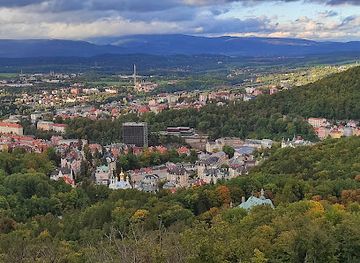
Karlovy Vary rises through a wooded valley in western Bohemia, where the Teplá River meets the Ohře and mineral springs emerge from the earth. Known internationally by its German name, Karlsbad, the city developed around its thermal waters and became one of Europe’s most celebrated spa destinations. Grand colonnades, ornate hotels and pastel façades line the river, creating an urban landscape that feels both theatrical and intimate. Visitors still drink the hot spring water from traditional porcelain cups, following a spa ritual that has shaped local life for centuries.Read more about Karlovy Vary
Architecture, Culture and Forested Hills
When is the best time to visit Karlovy Vary?
Best: June–August · 24–26°C| Month | High (°C) | Rainfall (mm) |
|---|---|---|
| January | 3 | 27 |
| February | 3 | 25 |
| March | 6 | 28 |
| April | 12 | 33 |
| May | 18 | 50 |
| June (best) | 24 | 63 |
| July (best) | 26 | 65 |
| August (best) | 26 | 61 |
| September | 21 | 42 |
| October | 14 | 33 |
| November | 8 | 31 |
| December | 2 | 29 |
Getting to and around Karlovy Vary
How to get there
Transportation
Best attractions in Karlovy Vary
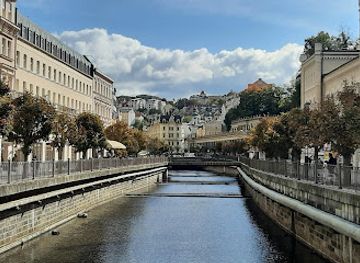
Karlovy Vary’s principal attractions unfold along the Teplá River, where the Mill Colonnade, Market Colonnade and Park Colonnade frame the city’s celebrated mineral springs. Visitors can follow the spa promenade, taste the waters from different fountains and admire the ornate façades of former hotels and treatment houses. The Moser Glass Museum traces the city’s long association with cut crystal, while the Jan Becher Museum explores the history of Becherovka herbal liqueur in the former Becher factory. Above the centre, woodland paths lead to the Diana Lookout Tower, reached by foot or by the funicular railway, for views across the valley and surrounding hills. The Karlovy Vary Museum provides broader local context, and the city’s churches, river bridges and elegant public spaces reward unhurried exploration between spa stops.
-
Castle
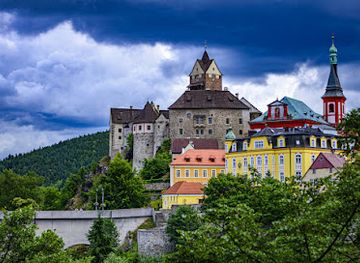
Loket Castle
Explore the rich history and stunning beauty of Loket Castle, a must-see historical landmark in the Czech Republic with breathtaking views and cultural events.
29 min drive · 9.7 km from city centre
-
Tourist attraction
Mill Colonnade
Explore Karlovy Vary's iconic Mill Colonnade - a stunning architectural gem with healing thermal springs and a cultural hub for relaxation and beauty.
11 min walk · 0.9 km from city centre
-
Observation deck
Diana Observation Tower
Experience stunning panoramic views at the Diana Observation Tower in Karlovy Vary, a must-visit attraction for every traveler.
16 min walk · 1.3 km from city centre
-
Tourist attraction
Park Colonnade
Experience the serene beauty and therapeutic wonders of Park Colonnade in Karlovy Vary, a must-visit destination for tourists seeking relaxation and culture.
7 min walk · 0.6 km from city centre


Best landmarks in Karlovy Vary
Karlovy Vary’s architectural identity is concentrated in a sequence of grand spa buildings. The Mill Colonnade, with its long Neo-Renaissance arcade and rows of columns, is the city’s most prominent promenade structure, while the Market Colonnade brings an ornate timber-and-stone character to the spring district. The Park Colonnade stands beside Dvořákovy sady, linking the spa quarter with landscaped public space. On a hill above the centre, the Orthodox Church of Saint Peter and Paul displays richly decorated forms inspired by Russian ecclesiastical architecture. The Baroque Church of Saint Mary Magdalene anchors the historic spa area, and the Grandhotel Pupp represents the tradition of elaborate 19th-century hospitality buildings. Together, these landmarks show how religious, civic and commercial architecture were shaped by the town’s international spa economy.
-
Castle
Loket Castle
Experience the enchanting beauty and rich history of Loket Castle, a medieval marvel in the heart of the Czech Republic.
29 min drive · 9.7 km from city centre
-
Tourist attraction
Mill Colonnade
Explore the architectural beauty of Mill Colonnade in Karlovy Vary, a historical landmark offering rejuvenating mineral waters and cultural experiences.
11 min walk · 0.9 km from city centre
-
Observation deck
Diana Observation Tower
Discover the stunning panoramic views of Karlovy Vary from the iconic Diana Observation Tower, a must-see for tourists exploring this beautiful Czech town.
16 min walk · 1.3 km from city centre
-
Tourist attraction
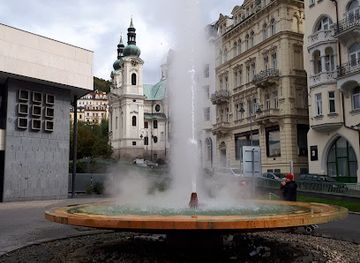
Vřídelní kolonáda
Discover the stunning Vřídelná Kolonáda in Karlovy Vary, a remarkable architectural gem and a source of healing thermal waters.
15 min walk · 1.2 km from city centre
Explore Karlovy Vary on the map
Plan your Karlovy Vary trip on one map. See where the top attractions, landmarks, restaurants, bars and hotels are, find what's near where you're staying, and book hotels and experiences in a few clicks.
Best hotels in Karlovy Vary
Best restaurants in Karlovy Vary
Karlovy Vary’s dining culture reflects its history as an international spa, combining Czech comfort food with Central European hotel cuisine and lighter dishes suited to spa visitors. Menus may feature svíčková, a beef dish with creamy vegetable sauce and dumplings, roast duck, goulash, freshwater fish and seasonal soups, while cafés serve coffee, cakes and the thin, crisp spa wafers associated with the town. Becherovka, the local herbal liqueur, is a familiar digestif and cocktail ingredient. Restaurants and cafés cluster around the river, spa promenades and historic centre, ranging from formal dining rooms in grand buildings to relaxed cafés and confectioners. Visitors will also find contemporary Czech cooking and international food, reflecting the city’s long-standing connections with guests from across Europe and beyond.
-
Restaurant
BAGEL Lounge
Discover the delightful flavors of BAGEL Lounge in Karlovy Vary—your perfect breakfast and coffee destination.
4 min walk · 0.3 km from city centre
-
Restaurant
Staroslovanská kuchyně Karlovy Vary
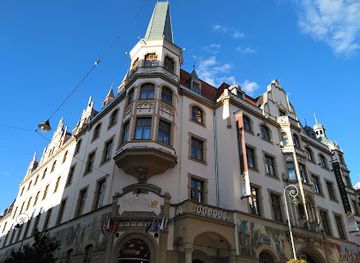
Discover the flavors of Czech cuisine at Staroslovanská kuchyně, a top-rated restaurant in Karlovy Vary known for its authentic dishes and unique beers.
5 min walk · 0.4 km from city centre
-
Czech
U Švejka
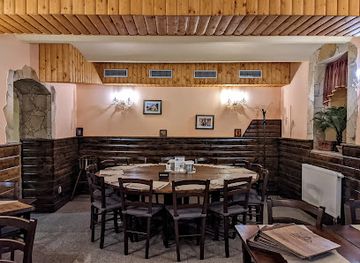
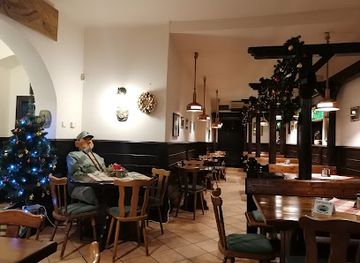
Savor the flavors of traditional Czech cuisine at U Švejka in Karlovy Vary - where every dish tells a story.
14 min walk · 1.1 km from city centre
-
Restaurant
Ventura pub - Evropák
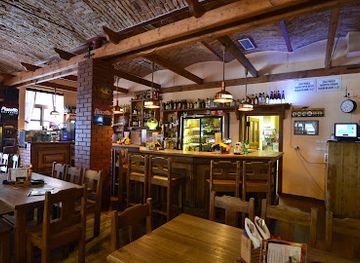
Discover the heart of Czech dining at Ventura Pub - Evropák in Karlovy Vary with authentic flavors and a vibrant atmosphere.
10 min walk · 0.8 km from city centre
Best bars in Karlovy Vary
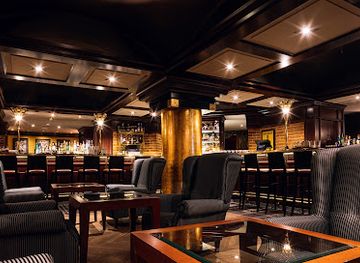
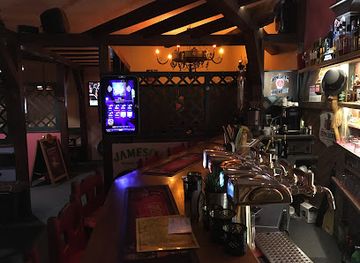
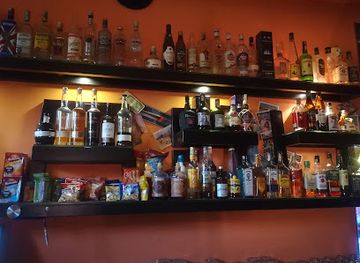
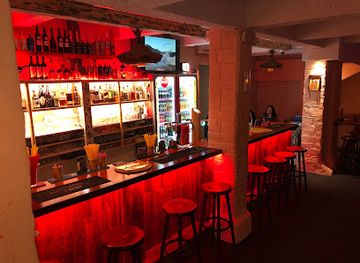
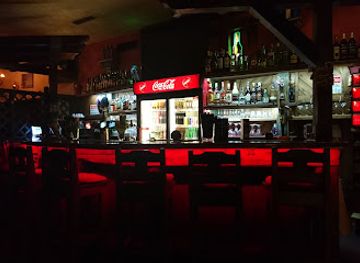
Evenings in Karlovy Vary are generally more sociable and cultural than club-centred, with wine bars, hotel lounges, cafés and traditional Czech pubs providing much of the activity around the spa quarter. The riverfront and streets near the colonnades are suited to a quiet drink after the promenades, while Becherovka offers a distinctly local flavour to the evening scene. Concerts, theatre performances and film screenings add depth to the city’s cultural calendar, particularly during the Karlovy Vary International Film Festival, when cinemas, temporary venues and public spaces become unusually animated. Nightclubs exist but are not the defining feature of the town, whose atmosphere usually becomes calmer once the evening’s performances and restaurant service have ended. Forest walks and spa facilities should be treated as daytime pursuits, not late-night entertainment.
-
Bar
Becher's Bar
Explore the vibrant nightlife of Karlovy Vary at Becher's Bar, where exquisite cocktails and live music create an unforgettable experience.
16 min walk · 1.3 km from city centre
-
Bar
California Club
Experience the vibrant atmosphere and exquisite culinary delights at California Club, the perfect bar and grill in the heart of Karlovy Vary.
19 min walk · 1.5 km from city centre
-
Live music bar
Slash Bar Karlovy Vary
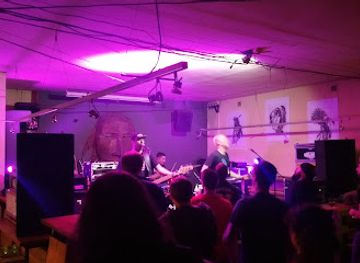
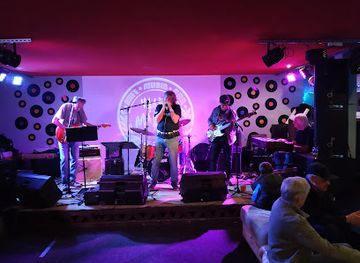
Discover the ultimate rock music experience at Slash Bar Karlovy Vary, where live performances create an unforgettable nightlife atmosphere.
12 min walk · 0.9 km from city centre
-
Bar
Bamboocha Bar
Experience the vibrant nightlife of Karlovy Vary at Bamboocha Bar, where innovative cocktails and a lively atmosphere await.
4 min walk · 0.3 km from city centre
Best nightclubs in Karlovy Vary
Evenings in Karlovy Vary are generally more sociable and cultural than club-centred, with wine bars, hotel lounges, cafés and traditional Czech pubs providing much of the activity around the spa quarter. The riverfront and streets near the colonnades are suited to a quiet drink after the promenades, while Becherovka offers a distinctly local flavour to the evening scene. Concerts, theatre performances and film screenings add depth to the city’s cultural calendar, particularly during the Karlovy Vary International Film Festival, when cinemas, temporary venues and public spaces become unusually animated. Nightclubs exist but are not the defining feature of the town, whose atmosphere usually becomes calmer once the evening’s performances and restaurant service have ended. Forest walks and spa facilities should be treated as daytime pursuits, not late-night entertainment.
-
Bar
California Club
Discover the vibrant nightlife and delectable cuisine at California Club in Karlovy Vary - a must-visit bar and grill destination.
19 min walk · 1.5 km from city centre
-
Live music bar
Slash Bar Karlovy Vary
Discover the heart of Karlovy Vary's nightlife at Slash Bar, where live rock music, delicious drinks, and a vibrant atmosphere await.
12 min walk · 0.9 km from city centre
-
Bar
Klub Máčko
Discover the lively nightlife and local flavors at Klub Máčko, a must-visit bar in Karlovy Vary perfect for unwinding and socializing.
16 min walk · 1.3 km from city centre
-
Karaoke bar
Karaoke Club, Karlovy Vary
Discover the excitement of karaoke in Karlovy Vary's vibrant club scene, where singing, dancing, and socializing come together for a perfect night out.
4 min walk · 0.3 km from city centre

Best shops in Karlovy Vary
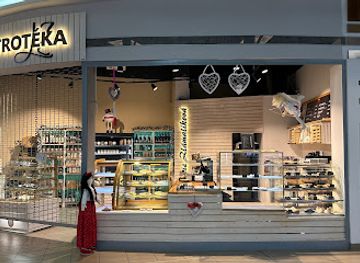
Shopping in Karlovy Vary is closely connected with spa culture and the city’s long tradition of serving international visitors. Around the historic centre, boutiques and specialist shops sell porcelain spa cups, glassware, Becherovka, spa wafers and locally produced gifts, while Moser crystal remains one of the best-known examples of the region’s glassmaking heritage. Visitors can also browse Czech ceramics, decorative items, natural cosmetics and confectionery rather than relying solely on mass-produced souvenirs. The spa promenades contain many of the most visitor-oriented shops, whereas ordinary groceries, pharmacies and everyday retailers are found beyond the grand central façades. The city is less defined by large shopping malls than by small retailers and heritage-linked products, making the act of shopping an extension of its historic spa rituals and craft traditions.
-
Shopping mall
OC Varyáda
Experience the vibrant shopping and dining scene at OC Varyáda, your go-to destination in Karlovy Vary for a day of fun and relaxation.
7 min drive · 2.3 km from city centre
-
Department store
Obchodní dům PERLA
Explore Obchodní dům PERLA in Karlovy Vary for an exceptional shopping experience, blending local charm with a wide range of products.
2 min walk · 0.1 km from city centre
-
Cosmetics store
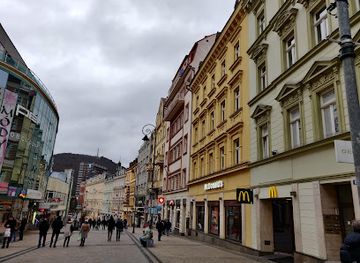
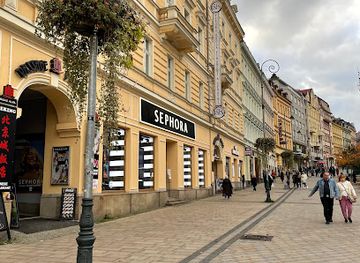
SEPHORA KARLOVY VARY
Explore Sephora Karlovy Vary, your ultimate destination for luxury beauty products, expert advice, and an unforgettable shopping experience.
2 min walk · 0.2 km from city centre
-
Gift shop
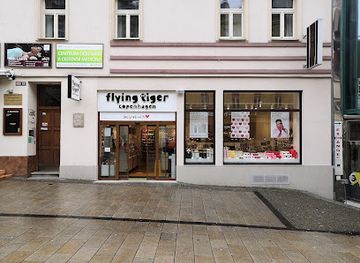
Flying Tiger Copenhagen
Explore the vibrant and whimsical world of Flying Tiger Copenhagen, a treasure trove of unique gifts and home goods in Karlovy Vary.
2 min walk · 0.1 km from city centre
Get your free copy of our complete guide to Karlovy Vary, delivered straight to you.
Everything on this page, from attractions and restaurants to essentials and local phrases, in one PDF you can read offline, print or share.
Already have an account? Sign in
Your Karlovy Vary guide is ready.
We'll send it to · Not you? Sign out

Getting your guide ready…
We are putting together a fresh copy of the Karlovy Vary guide. This can take up to a minute.
This can take a few moments. If your browser asks, choose Allow so the download can start. You'll find the guide in your Downloads folder.
Nothing happened? Download it again
Sorry, the guide is taking longer than usual. Please try again in a minute, or get it by email instead.
Karlovy Vary essentials
Currency and Payment
Safety
Emergency Situations
Do's and Don'ts
Local Tips
From Eve
Local phrases worth knowing
You don't need to get them perfect. A few words go a long way, and locals appreciate the effort.
Basics
| English | Local | Say it |
|---|---|---|
| Hello | Ahoj | [ahoy] |
| Goodbye | Nashledanou | [nash-led-ah-noh] |
| Yes | Ano | [ah-noh] |
| No | Ne | [neh] |
| Please/You're welcome | Prosím | [pro-seem] |
| Thank you | Děkuji | [dyeh-koo-yee] |
| Excuse me/Sorry | Promiňte | [proh-meen-teh] |
| How are you? | Jak se máš? | [yak seh mahsh] |
| Fine. And you? | Dobře. A ty? | [dobr-zheh ah tee] |
| Do you speak English? | Mluvíte anglicky? | [mloo-vee-teh ahng-lee-tskee] |
| I don't understand | Nerozumím | [neh-roh-zoo-meem] |
Eating & Drinking
| English | Local | Say it |
|---|---|---|
| I'd like to see the menu, please | Chtěl bych vidět menu, prosím | [khtyel bikh vee-deht meh-noo pro-seem] |
| I don't eat meat | Nejím maso | [nyeem mah-soh] |
| Cheers! | Na zdraví! | [nah zdra-vee] |
| I would like to pay, please | Chtěl bych zaplatit, prosím | [khtyel bikh zah-pla-teet pro-seem] |
Emergencies
| English | Local | Say it |
|---|---|---|
| Help! | Pomoc! | [poh-mohts] |
| Go away! | Jdi pryč! | [ydee preets] |
| Call the Police! | Zavolejte policii! | [zah-vo-let pol-ee-tsee] |
| Call a doctor! | Zavolejte lékaře! | [zah-vo-let leh-kahr-zheh] |
| I'm lost | Ztratil jsem se | [ztrah-teel yehm seh] |
| I'm ill | Jsem nemocný | [ysem neh-mohts-nee] |
Shopping
| English | Local | Say it |
|---|---|---|
| I'd like to buy... | Chtěl bych koupit... | [khtyel bikh koh-peeht] |
| I'm just looking | Jen se dívám | [yen seh dee-vahm] |
| How much is it? | Kolik to stojí? | [koh-leek toh stoh-yee] |
| That's too expensive | To je moc drahé | [toh yeh motz drah-heh] |
| Can you lower the price? | Můžete snížit cenu? | [moo-zheh-teh snee-zheet tseh-noo] |
Time & Numbers
| English | Local | Say it |
|---|---|---|
| What time is it? | Kolik je hodin? | [koh-leek yeh hoh-deen] |
| It's one o'clock | Je jedna hodina | [yeh yed-nah hoh-dee-nah] |
| Half past (10) | Půl desáté | [pool deh-saht-eh] |
| Morning | Ráno | [rah-noh] |
| Afternoon | Odpoledne | [od-poh-led-neh] |
| Evening | Večer | [veh-chair] |
| Yesterday | Včera | [v-cheh-rah] |
| Today | Dnes | [dnes] |
| Tomorrow | Zítra | [zee-trah] |
| 1 | Jedna | [yed-nah] |
| 2 | Dva | [dva] |
| 3 | Tři | [tree] |
| 4 | Čtyři | [cht-yee-rzhee] |
| 5 | Pět | [pyet] |
| 6 | Šest | [shehst] |
| 7 | Sedm | [sedm] |
| 8 | Osma | [ohs-mah] |
| 9 | Devět | [deh-vyet] |
| 10 | Deset | [deh-set] |
Transport & Directions
| English | Local | Say it |
|---|---|---|
| Where's a/the...? | Kde je...? | [kdeh yeh] |
| What's the address? | Jaká je adresa? | [yah-kah yeh ah-dreh-sah] |
| Can you show me (on the map)? | Můžete mi to ukázat (na mapě)? | [moo-zheh-teh mee toh oo-kah-zaht nah mah-peh] |
| When's the next (bus)? | Kdy jede další (autobus)? | [kdee yeh-deh dah-lee-sheh ow-toh-boos] |
| A ticket (to ....) | Jedno jízdenka (do ...) | [yed-noh yeez-dehn-kah doh] |
History of Karlovy Vary
Medieval Foundations and the Hot Springs
Karlovy Vary’s origins are traditionally linked to a discovery of hot springs by Charles IV, King of Bohemia and Holy Roman Emperor, during the 14th century. The settlement was founded in 1350 and named Karlsbad, or Charles’s Bath. Its early importance came from the therapeutic reputation of the springs rather than from large-scale industry or commerce. The town developed under royal protection in a narrow valley around the Teplá River, although fires, floods and disputes repeatedly affected its growth. Medieval and early modern visitors came to bathe and drink the waters, establishing the spa tradition that would eventually define the city’s identity.
A Renaissance Spa Settlement
During the 16th century, Karlovy Vary expanded as knowledge of its mineral springs spread through the Bohemian lands. Physicians increasingly recorded the properties of the waters, and the town began to attract aristocratic guests seeking cures. Fires in 1604 and later disasters destroyed much of the early settlement, resulting in repeated rebuilding. The Thirty Years’ War also disrupted life across the region, but the spa economy endured. The town’s position within the Kingdom of Bohemia connected it to wider political and cultural networks, while its multilingual population and visitors laid foundations for the cosmopolitan atmosphere that would become characteristic of the spa quarter.
The Aristocratic Spa Era
Karlovy Vary flourished in the 18th century as European aristocrats, artists and intellectuals adopted spa travel as a fashionable part of elite life. Emperor Charles VI granted the town privileges in 1711, and its reputation grew through the writings of physicians and visitors. The disastrous fire of 1759 destroyed much of the built-up area, prompting a major reconstruction in more durable forms. New promenades, lodging houses and public facilities transformed the settlement into a more organised spa town. The rebuilding period established the basic relationship between the Teplá waterfront, the springs and the grand public architecture still visible in the historic centre.
Nineteenth-Century Grandeur
The 19th century brought Karlovy Vary its most recognisable architectural character. Improved roads and railway connections made the town more accessible, while members of the Habsburg aristocracy, Russian nobility, composers and writers continued to arrive for treatments and social life. Historicist and Art Nouveau buildings replaced or supplemented earlier structures, including elaborate colonnades, hotels and villas. The town also developed manufacturing associated with spa culture, notably the production of Becherovka, created by the pharmacist Josef Vitus Becher in 1807. By the end of the century, Karlovy Vary had become an internationally known resort whose identity rested on medical bathing, ceremonial promenades and highly formal architecture.
War, Borders and Population Change
Karlovy Vary belonged to the Austro-Hungarian world until 1918, when it became part of the newly established Czechoslovakia. The predominantly German-speaking character of the town created tensions during the interwar period, and the region was incorporated into Nazi Germany after the Munich Agreement in 1938. Following the Second World War, the German-speaking population was largely expelled under the post-war decrees, bringing a profound demographic and cultural transformation. The spa industry continued under state socialism, when many facilities were reorganised for domestic workers and state-supported treatment. These political changes altered the city’s population while leaving much of its architectural fabric intact.
Modern Revival and International Culture
After the fall of communism in 1989, Karlovy Vary gradually re-established its international spa profile. Historic hotels and public buildings were renovated, private accommodation and restaurants expanded, and visitors from across Europe and beyond returned to the springs. The Karlovy Vary International Film Festival, founded in 1946 and later developed into one of Central Europe’s leading film events, became a major part of the city’s modern cultural identity. Today, the town combines medical and wellness traditions with heritage tourism, film culture and outdoor recreation. Its spa architecture, mineral springs and surrounding forests remain closely connected to the historical development of the settlement.
Karlovy Vary in Photos
Browse through our photo collection highlighting the charm and character of the destination.
Cities near Karlovy Vary
The closest cities to Karlovy Vary, if you have time for more than one stop.
-

-

-
-

-


Swipe for more cities
Explore more

Explore more of Czechia
Discover Czechia: A European gem with historic towns, stunning landscapes, and cultural delights. Perfect for travelers seeking charm, history, and adventure.
Explore Czechia