
Newark, Delaware Travel Guide
Discover Newark, Delaware: a vibrant city rich in history, culture, and natural beauty, offering a perfect blend of academic energy and outdoor adventures.
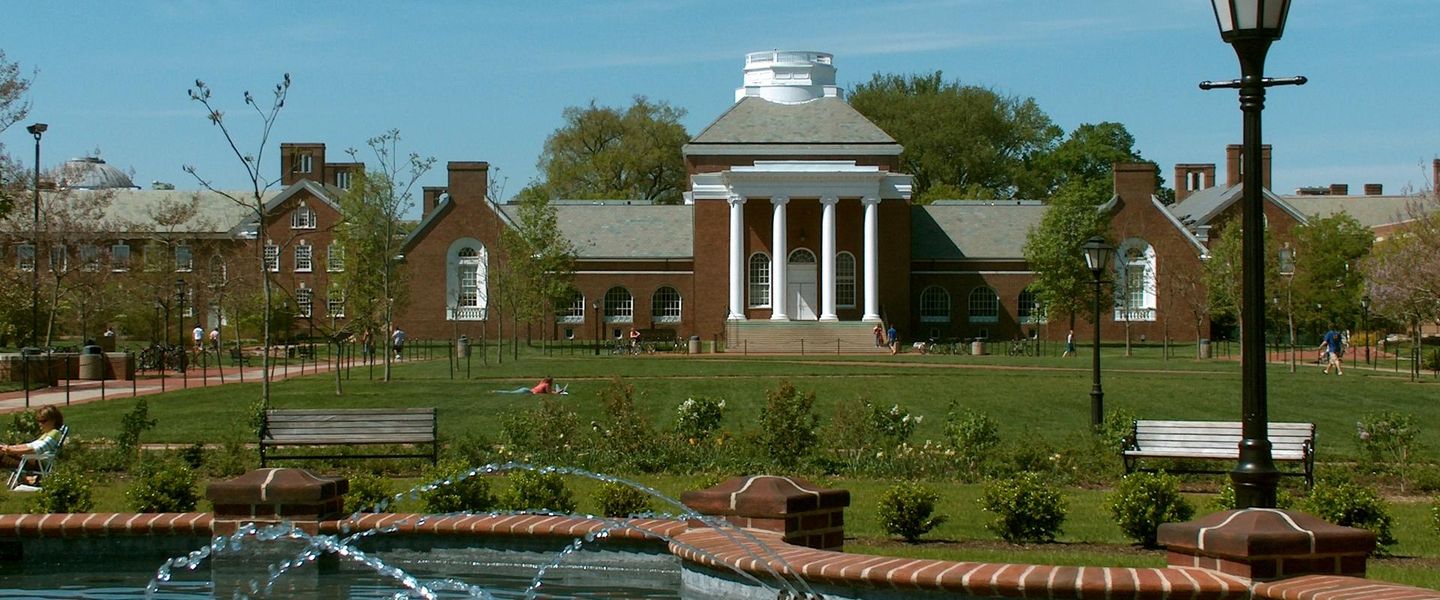
Nestled in the heart of the Mid-Atlantic region, Newark, Delaware, is a charming city that offers a blend of history, culture, and natural beauty. This small but vibrant city is home to the University of Delaware, which infuses the area with youthful energy and academic prestige. Newark's Main Street is a bustling hub of activity, lined with boutique shops, eclectic restaurants, and quaint cafes that invite visitors to explore and enjoy the local flavor. Outdoor enthusiasts will find plenty to love in Newark. The city is surrounded by lush parks and scenic trails, including the popular White Clay Creek State Park. Here, visitors can hike, bike, or simply relax in the great outdoors. The Newark Reservoir offers stunning views and a peaceful retreat from the hustle and bustle of city life. History buffs will appreciate Newark's rich heritage, which dates back to the early 18th century. The Iron Hill Museum and Science Center provides a fascinating glimpse into the region's past, while the Newark History Museum showcases artifacts and exhibits that tell the story of this charming city's evolution. With its warm and welcoming community, Newark, Delaware, is a delightful destination for travelers seeking a unique and memorable experience.

Know before you go
Hi, I'm Eve. Here are a few practical things to know before exploring Newark.
- Visit during the fall to experience the beautiful foliage and enjoy the university's events.
- Explore Main Street for a variety of dining options and unique shops.
- Spend a day at White Clay Creek State Park for hiking, picnicking, and wildlife viewing.
- Check out the local farmers' market for fresh produce and handmade goods.
- Take a tour of the University of Delaware campus to admire its beautiful architecture and historic buildings.
Explore Newark: Things to Do, Places to Eat, Hotels & More
Handpicked recommendations for top attractions, local dining, accommodations, and more

Best attractions in Newark
Top-rated picks
Best Attractions

Bob Carpenter Center
Home of the Fightin' Blue Hens, this multi-purpose arena hosts diverse events from basketball games to concerts in the heart of the University of Delaware.

Vince's Sports Center
Newark's premier family fun center with golf, arcade games, and batting cages for all ages, since 1981.

Axxiom Escape Rooms Newark
Delaware's first and largest escape room, offering immersive adventures and challenging puzzles for an unforgettable experience in Newark.

Painting with a Twist
Unleash your inner artist at Newark's Painting with a Twist: Sip, socialize, and create colorful memories in a fun, relaxed atmosphere.

Best landmarks in Newark
Top-rated picks
Best Landmarks

Ramen Kumamoto
Discover the authentic flavors of Japan at Ramen Kumamoto, a delightful ramen and noodle shop in Newark, Delaware, perfect for food lovers.

Klondike Kate's Restaurant & Saloon
Experience the vibrant atmosphere and delicious menu at Klondike Kate's Restaurant & Saloon in Newark, DE, where history meets culinary delight.
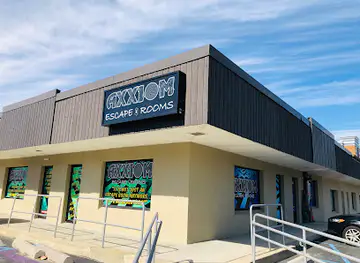
Axxiom Escape Rooms Newark
Experience the thrill of adventure at Axxiom Escape Rooms Newark, where teamwork meets excitement in immersive escape challenges.

Little Goat Coffee Roasting Co.
Savor unique seasonal coffee blends at Little Goat Coffee Roasting Co. in Newark, Delaware, a cozy retreat for coffee lovers and travelers alike.

Best restaurants in Newark
Top-rated picks
Best Restaurants

Ramen Kumamoto
Experience authentic Japanese flavors at Ramen Kumamoto - Newark's premier destination for delicious ramen and takoyaki.

Home Grown Cafe
Discover fresh flavors at Home Grown Cafe in Newark—where New American cuisine meets local ingredients in a welcoming atmosphere.

MadMacs
Experience innovative New American cuisine at MadMacs in Newark - where fresh ingredients meet creative culinary artistry.

Deer Park Tavern
Experience the rich history and vibrant atmosphere of Deer Park Tavern, where classic American cuisine meets spirited entertainment in Newark.

Best bars in Newark
Top-rated picks
Best Bars

Home Grown Cafe
Delight in locally sourced New American cuisine at Home Grown Cafe, offering a wide range of vegan, vegetarian, and gluten-free options in Newark, DE.

Deer Park Tavern
Discover the heart of Newark at Deer Park Tavern, where delicious American cuisine meets a lively sports bar atmosphere.

Timothy's of Newark
Experience the Best of American Cuisine at Timothy's of Newark, Your Go-To Restaurant and Pub in Delaware!

TGI Fridays
Experience the vibrant atmosphere and delicious American cuisine at TGI Fridays in Newark, the perfect spot for food lovers and sports fans alike.

Best nightclubs in Newark
Top-rated picks
Best Nightclubs

Deer Park Tavern
Experience the heart of American dining at Deer Park Tavern in Newark, Delaware, a perfect blend of food, fun, and sports excitement.

Klondike Kate's Restaurant & Saloon
Discover the vibrant atmosphere of Klondike Kate's Restaurant & Saloon—where great food, drinks, and entertainment come together in Newark, Delaware.

On The Rocks Bar
Experience the vibrant nightlife at On The Rocks Bar in Newark, DE – where great drinks, music, and fun collide.

Hutch's Pub
Discover the vibrant atmosphere and delicious tacos at Hutch's Pub, Newark's favorite spot for drinks and dining.

Best shops in Newark
Top-rated picks
Best Shops

Newark Shopping Center
Explore the Newark Shopping Center: a vibrant shopping destination with diverse stores, delightful dining, and entertainment options in Delaware.

UDairy Creamery
Experience the creamy goodness of hand-crafted ice cream at UDairy Creamery, where local flavors and quality ingredients come together for a delightful treat.

Brookside Plaza
Explore Brookside Plaza in Newark, Delaware for a unique shopping experience with diverse stores, dining options, and family-friendly entertainment.

Liberty Plaza/Possum Park Mall
Experience Liberty Plaza, a vibrant shopping mall in Newark, Delaware, where retail therapy meets delightful dining and family-friendly entertainment.

Explore Newark on the Map
A handpicked selection of must-see spots in Newark, mapped for you.
Newark Essentials
-
Newark, Delaware, is well-connected by various modes of transportation. The nearest major airport is Philadelphia International Airport (PHL), located about 45 minutes away by car. From the airport, you can rent a car, take a shuttle service, or use rideshare apps to reach Newark. Amtrak and regional trains also serve Newark through the Newark Station, which is centrally located. If you're driving, Newark is accessible via Interstate 95, which runs along the east coast.
-
Newark offers several transportation options for getting around the city. DART First State provides local bus services that connect various parts of the city and neighboring areas. Taxis and rideshare services like Uber and Lyft are readily available. Biking is also popular, with many bike lanes and trails. For those who prefer to drive, car rental services are available, and parking is generally easy to find.
-
The official currency in Newark, Delaware, is the US Dollar (USD). Credit cards and debit cards are widely accepted in most establishments, including hotels, restaurants, and shops. ATMs are plentiful, so you can easily withdraw cash if needed. Contactless and mobile payments are also commonly accepted.
-
Newark is generally a safe city for tourists. However, as with any destination, it's important to stay vigilant. Avoid walking alone at night in unfamiliar areas and keep an eye on your belongings in crowded places. While Newark doesn't have specific high-crime areas targeting tourists, maintaining general awareness and taking standard precautions is advisable.
-
In case of emergency, dial 911 for immediate assistance. Newark has several medical facilities, including ChristianaCare's Newark Campus, which provides comprehensive healthcare services. It is recommended to have travel insurance that covers medical emergencies. For minor health issues, there are numerous pharmacies throughout the city where you can purchase over-the-counter medications.
-
Fashion: Do dress comfortably and appropriately for the weather. Casual wear is generally acceptable, but business attire may be required for certain events or restaurants. Religion: Do respect religious customs, especially when visiting places of worship. Public Transport: Do be punctual and respectful to fellow passengers. Don't play loud music or talk loudly on the phone. Greetings: Do greet people with a smile and a handshake. In more formal settings, a slight nod may be appropriate. Eating & Drinking: Do try local eateries and accept food offerings graciously. Don't leave a tip under 15% in restaurants, as it is considered impolite.
-
To experience Newark like a local, visit the University of Delaware campus, which offers beautiful walking paths and cultural events. Check out the Newark Reservoir for scenic views and outdoor activities. Dining at Main Street's diverse range of restaurants and cafes is a must. Engage with locals at community events or farmers' markets to get a sense of the city's culture and charm.
When is the best time to visit Newark?
Useful Local Phrases for Newark
You don't need to speak the language perfectly. Even learning a few simple words can make conversations warmer—and locals usually appreciate the effort.
— Eve

Here are the phrases I use most often in Newark. Try a few—you'll be surprised how far they go! 😊
❤️
-
- HelloHey
[hey] - GoodbyeLater
[lay-ter] - YesYeah
[yeh] - NoNah
[nah] - Please/You're welcomePlease/No problem
[please/no probl-em] - Thank youThanks
[thanks] - Excuse me/SorrySorry/My bad
[sor-ry/my bad] - How are you?How you doin'?
[how yoo doo-in] - Fine. And you?Good. You?
[good. yoo] - Do you speak English?You speak English?
[yoo speak ing-lish] - I don't understandI don't get it
[i don't get it]
- HelloHey
-
- I'd like to see the menu, pleaseLet me see the menu, please
[let me see the menu, please] - I don't eat meatI don't eat meat
[i don't eat meat] - Cheers!Cheers!
[cheers] - I would like to pay, pleaseI'll pay now, please
[i'll pay now, please]
- I'd like to see the menu, pleaseLet me see the menu, please
-
- Help!Help!
[help] - Go away!Leave me alone!
[leave me alone] - Call the Police!Call the cops!
[call the cops] - Call a doctor!Get me a doc!
[get me a doc] - I'm lostI'm lost
[i'm lost] - I'm illI'm sick
[i'm sick]
- Help!Help!
-
- I'd like to buy...I wanna buy...
[i wanna buy] - I'm just lookingJust browsing
[just brows-ing] - How much is it?How much?
[how much] - That's too expensiveToo pricey
[too pry-see] - Can you lower the price?Can you do better?
[can yoo do better]
- I'd like to buy...I wanna buy...
-
- What time is it?What time is it?
[what time is it] - It's one o'clockIt's one o'clock
[it's one o'clock] - Half past (10)Half past ten
[half past ten] - MorningMorning
[morning] - AfternoonAfternoon
[afternoon] - EveningEvening
[evening] - YesterdayYesterday
[yester-day] - TodayToday
[to-day] - TomorrowTomorrow
[tomor-row] - 1One
[wun] - 2Two
[too] - 3Three
[three] - 4Four
[four] - 5Five
[five] - 6Six
[six] - 7Seven
[seven] - 8Eight
[eight] - 9Nine
[nine] - 10Ten
[ten]
- What time is it?What time is it?
-
- Where's a/the...?Where's the...?
[where's the] - What's the address?What's the address?
[what's the address] - Can you show me (on the map)?Can you show me (on the map)?
[can yoo show me] - When's the next (bus)?When's the next (bus)?
[when's the next] - A ticket (to ....)A ticket (to ....)
[a ticket]
- Where's a/the...?Where's the...?
History of Newark
-
Newark, Delaware, was founded in 1694 by Scots-Irish and Welsh settlers. The town's strategic location between Philadelphia and Baltimore made it a pivotal stop for traders and travelers. The early economy was largely agrarian, with farming and milling as primary activities.
-
During the American Revolutionary War, Newark played a significant role as a supply center. In 1777, the Battle of Cooch's Bridge took place just outside the town, marking the only Revolutionary War battle fought on Delaware soil. The skirmish delayed British forces and allowed American troops to regroup.
-
In 1743, Reverend Francis Alison founded the 'Free School' which eventually evolved into the University of Delaware. The institution has since grown into a major research university, contributing significantly to the town's culture and economy.
-
The 19th century saw Newark transition from an agrarian society to an industrial hub. The establishment of mills and factories, particularly the Curtis Paper Mill, brought economic prosperity. The arrival of the railroad in the mid-1800s further boosted industrial growth and connectivity.
-
During the Civil War, Newark was a site of strategic importance due to its railroad connections. While Delaware was a border state, Newark's residents had divided loyalties. The town's mills produced supplies for the Union Army, making it an indirect participant in the war effort.
-
The post-Civil War era brought significant development to Newark. The town expanded with new housing, schools, and infrastructure. The establishment of electric streetcars and public utilities in the early 20th century marked Newark's transition into a modern American town.
-
The 20th century saw Newark flourish as a center of education and culture. The University of Delaware expanded its programs and facilities, attracting students and scholars from around the world. The town also became known for its vibrant arts scene, with numerous galleries, theaters, and cultural events.
-
Entering the 21st century, Newark has continued to grow and evolve. It is now a bustling college town with a diverse population. The Main Street area is known for its eclectic mix of shops, restaurants, and cafes, making it a popular destination for both locals and visitors. Environmental sustainability and historic preservation have become key focuses for the community.
Cities near Newark
The closest cities to Newark, if you have time for more than one stop.


Your all‑in‑one travel companion app
Explore expert travel guides, compare and book tours, experiences, hotels, and more—all from the palm of your hand. Download now for seamless trip planning wherever your wanderlust takes you.


Newark in Photos
Browse through our photo collection highlighting the charm and character of the destination.


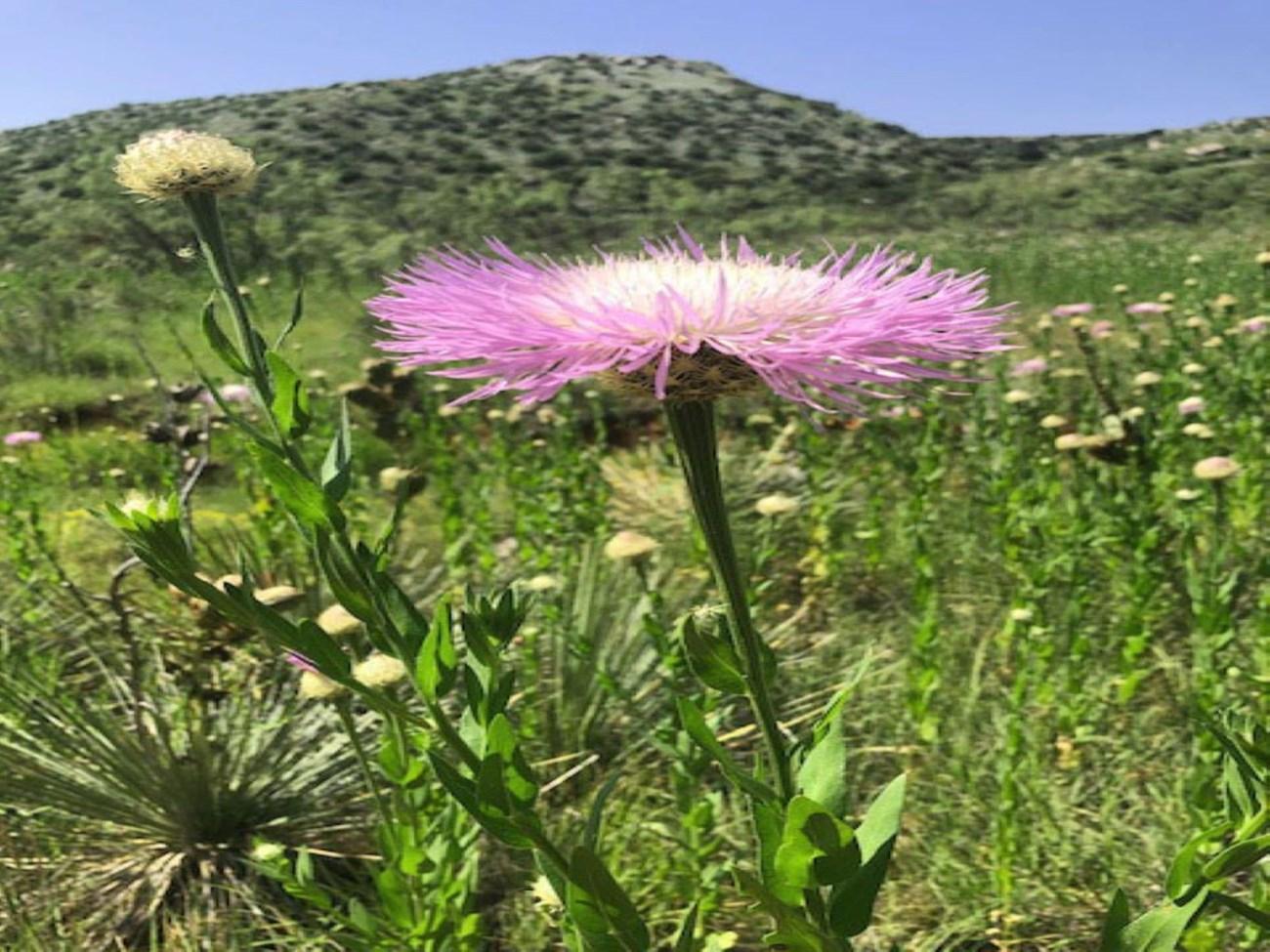

Newark, Delaware: A Hidden Gem of the Mid-Atlantic
Nestled in the heart of the Mid-Atlantic region, Newark, Delaware, is a charming city that offers a blend of history, culture, and natural beauty. This small but vibrant city is home to the University of Delaware, which infuses the area with youthful energy and academic prestige. Newark's Main Street is a bustling hub of activity, lined with boutique shops, eclectic restaurants, and quaint cafes that invite visitors to explore and enjoy the local flavor. Outdoor enthusiasts will find plenty to love in Newark. The city is surrounded by lush parks and scenic trails, including the popular White Clay Creek State Park. Here, visitors can hike, bike, or simply relax in the great outdoors. The Newark Reservoir offers stunning views and a peaceful retreat from the hustle and bustle of city life. History buffs will appreciate Newark's rich heritage, which dates back to the early 18th century. The Iron Hill Museum and Science Center provides a fascinating glimpse into the region's past, while the Newark History Museum showcases artifacts and exhibits that tell the story of this charming city's evolution. With its warm and welcoming community, Newark, Delaware, is a delightful destination for travelers seeking a unique and memorable experience.
Explore More of Delaware
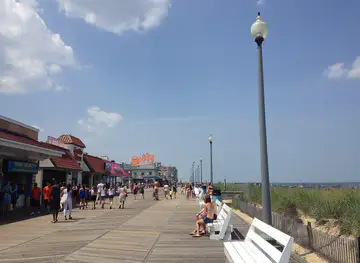
Looking beyond Newark? Discover Delaware for broader travel guides, local hot-spots, and regional highlights.
Explore Delaware