

Free Wilmington Travel Guide & Mobile App
Plan your Wilmington trip with Evendo. Get free guides to top attractions, restaurants, hotels, and bars. Web access or download the mobile app.


Wilmington, Delaware blends Brandywine Valley heritage, riverfront attractions, American art, historic churches, gardens and easy Northeast Corridor access.
A City Shaped by the Brandywine
Wilmington stands at the meeting point of the Christina River and Brandywine Creek in northern Delaware, a compact city whose history is closely tied to water, industry and commerce. Its location on the Northeast Corridor places Philadelphia, Baltimore and Washington, DC within easy reach, yet Wilmington has a character of its own. Historic streets, substantial nineteenth-century buildings and leafy neighbourhoods sit alongside a redeveloped riverfront of parks, restaurants and cultural venues.Read more about Wilmington
Historic Streets and Cultural Institutions
Riverside Wilmington
When is the best time to visit Wilmington?
Best: May–June, September · 23–28°C| Month | High (°C) | Rainfall (mm) |
|---|---|---|
| January | 6 | 79 |
| February | 7 | 76 |
| March | 12 | 91 |
| April | 17 | 93 |
| May (best) | 23 | 98 |
| June (best) | 28 | 94 |
| July | 29 | 107 |
| August | 29 | 107 |
| September (best) | 25 | 97 |
| October | 19 | 86 |
| November | 13 | 86 |
| December | 8 | 86 |
Getting to and around Wilmington
How to get there
Transportation
Best attractions in Wilmington
Wilmington’s principal attractions span historic foundations, art, family culture and riverfront recreation. At the Christina Riverfront, the Delaware Children’s Museum provides hands-on exhibits, while Frawley Stadium hosts the Wilmington Blue Rocks baseball team and the adjacent Riverwalk opens onto paths beside the water. The Delaware Art Museum, north of downtown, combines American art and illustration with a sculpture garden and wooded grounds. The Delaware History Museum and the adjacent Mitchell Center for African American Heritage place local communities and social change within a wider regional story. Old Swedes Church and the Hendrickson House introduce Wilmington’s early colonial history, while Brandywine Park offers lawns, bridges and riverside walks near the city centre. The Grand Opera House remains an important performance venue, and the restored Wilmington Station helps connect the city’s transport history with its contemporary role on the Northeast Corridor.
-
State park
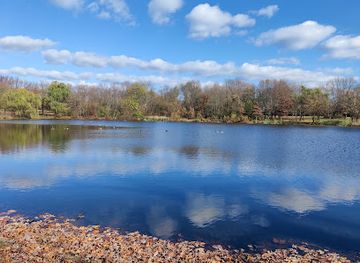
Bellevue State Park
Explore historic charm and outdoor adventures at Bellevue State Park in Wilmington, Delaware, offering year-round recreation and scenic beauty.
17 min drive · 5.8 km from city centre
-
Tourist attraction
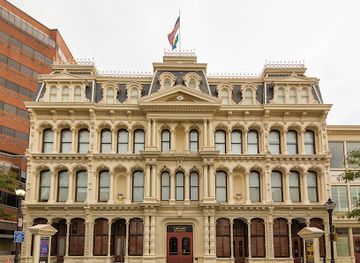
The Grand Opera House
Experience the grandeur of Wilmington's historic Grand Opera House, a premier performing arts venue with a rich history and diverse entertainment.
3 min walk · 0.2 km from city centre
-
Museum
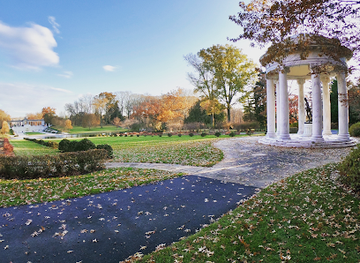
Nemours Estate
Experience the opulence of the Gilded Age at Nemours Estate, with its French-inspired mansion, formal gardens, and vintage car collection.
12 min drive · 3.9 km from city centre
-
Tourist attraction
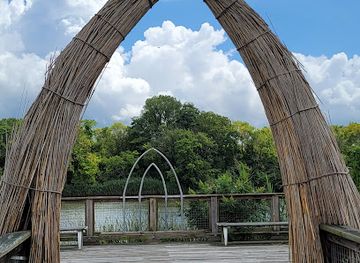
Russell Peterson Wildlife Refuge
Discover a revitalized urban wildlife sanctuary in Wilmington, offering boardwalk trails, diverse species, and environmental education.
9 min drive · 3.1 km from city centre
Best landmarks in Wilmington
Wilmington’s landmarks reveal successive layers of religious, industrial, civic and cultural history. Old Swedes Church, completed in 1699, is one of the city’s defining colonial survivals and records the importance of the early Swedish settlement. The Grand Opera House, a nineteenth-century theatre on Market Street, represents Wilmington’s long-standing role as a regional performance centre. Rodney Square forms the formal civic core, framed by substantial early twentieth-century buildings and public institutions, while the historic Wilmington Station reflects the city’s importance on the Northeast rail corridor. Along the Brandywine, the former DuPont industrial landscape explains the region’s manufacturing legacy, although many associated sites lie outside the city itself. The Delaware Art Museum and its grounds add a cultural landmark of the modern era, linking American art, illustration and sculpture with Wilmington’s established educational and civic traditions.
-
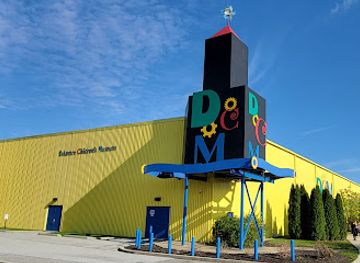
Children's museum
Delaware Children's Museum
Experience the joy of learning at the Delaware Children's Museum, where creativity and discovery come to life for young minds.
5 min drive · 1.6 km from city centre
-
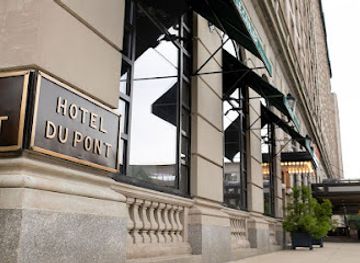
Hotel
HOTEL DU PONT
Discover the elegance of Hotel du Pont in Wilmington, DE, where historic charm meets modern luxury, perfect for travelers seeking a refined experience.
1 min walk · 0.1 km from city centre
-
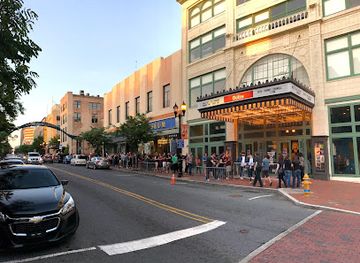
Live Music
The Queen
Discover Wilmington's vibrant music scene at The Queen, a historic venue offering exceptional live performances and versatile event spaces.
7 min walk · 0.5 km from city centre
-
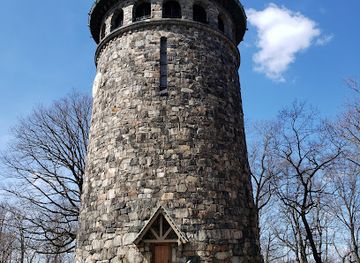
State park
Wilmington State Parks
Discover the beauty and adventure of Wilmington State Parks in Delaware—perfect for hiking, picnicking, and exploring nature's treasures.
5 min drive · 1.7 km from city centre
Explore Wilmington on the map
Plan your Wilmington trip on one map. See where the top attractions, landmarks, restaurants, bars and hotels are, find what's near where you're staying, and book hotels and experiences in a few clicks.
Best hotels in Wilmington
Best restaurants in Wilmington
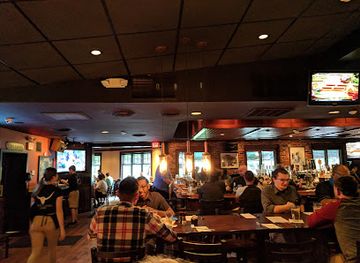
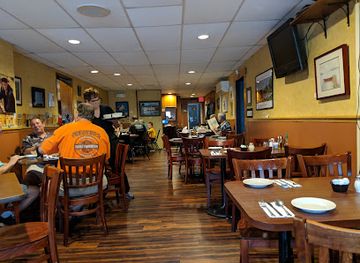
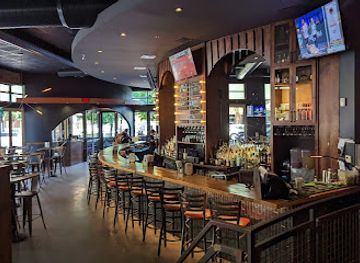
Wilmington’s dining scene reflects its position between Philadelphia, the Chesapeake and the wider Mid-Atlantic, with Italian American traditions particularly visible around Little Italy and the Trolley Square area. Family-run restaurants, pizzerias, bakeries and cafés sit alongside contemporary dining rooms and casual venues around Market Street and the Christina Riverfront. Local menus commonly draw on seafood, sandwiches, seasonal produce and familiar American comfort food, while the city’s diverse communities have added Caribbean, Asian and Latin American influences. The Riverfront offers a concentration of modern restaurants and relaxed waterfront settings, whereas downtown and neighbourhood districts provide a more established, local rhythm. Delaware’s absence of state sales tax affects retail rather than eliminating restaurant charges, so diners should still account for tax and the customary gratuity added to table service.
-
Seafood
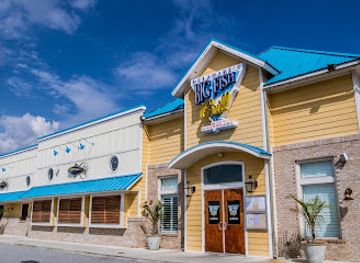
Big Fish Grill on the Riverfront
Experience exquisite seafood dining at Big Fish Grill on the Riverfront in Wilmington—where fresh flavors meet scenic river views.
5 min drive · 1.8 km from city centre
-
Grill
Kid Shelleen's - Trolley Square
Discover Kid Shelleen's in Trolley Square: A family-friendly grill serving delicious burgers & brunch amidst Wilmington's vibrant dining scene.
6 min drive · 2.0 km from city centre
-
Italian
Mrs. Robino's Restaurant
Discover authentic Italian cuisine at Mrs. Robino's Restaurant in Wilmington - where every dish tells a story.
6 min drive · 2.1 km from city centre
-
Gastropub
Del Pez Riverfront
Discover Del Pez Riverfront: A vibrant gastropub blending Latin American flavors with breathtaking river views in Wilmington.
19 min walk · 1.5 km from city centre
Best bars in Wilmington
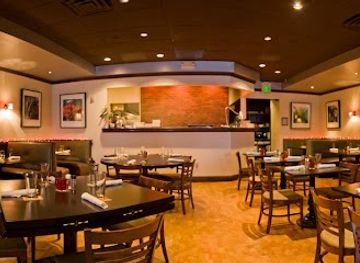
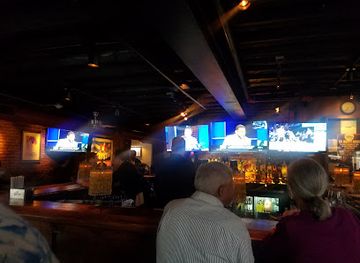
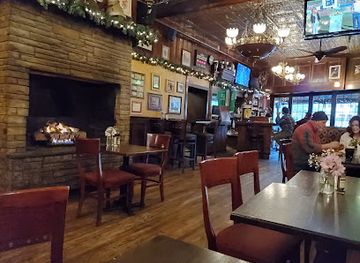
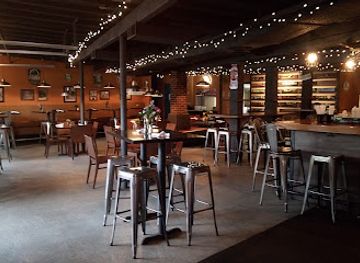
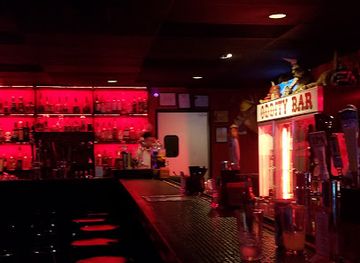
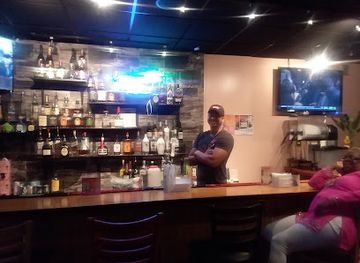
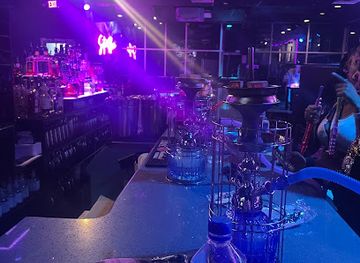
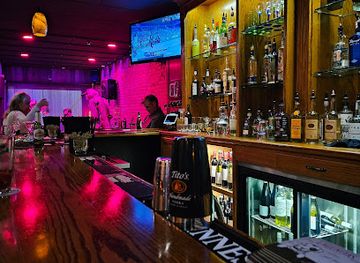
Wilmington’s evening life is concentrated rather than citywide, with the strongest cluster of bars, pubs and casual gathering places in Trolley Square, Little Italy, Market Street and parts of the Riverfront. Trolley Square is known for neighbourhood drinking spots and late-evening sociability, while downtown venues are often linked to restaurants, live performances and events at the Grand Opera House. The Riverfront provides a calmer setting for drinks and evening walks, with activity influenced by sports fixtures and seasonal programming. Wilmington does not have the scale of Philadelphia’s nightclub scene, but it offers live music, local bars, comedy and theatre alongside more energetic venues. Alcohol service, entry requirements and closing practices follow Delaware law and individual venue policies, so the atmosphere can change considerably between weekdays, weekends and event nights.
-
Grill
Chelsea Tavern
Experience the delightful flavors of American cuisine in a vibrant gastropub atmosphere at Chelsea Tavern in Wilmington, DE.
3 min walk · 0.2 km from city centre
-
Bar
Washington Street Ale House
Discover the warm ambiance and delicious offerings at Washington Street Ale House, Wilmington's favorite bar and restaurant.
6 min walk · 0.4 km from city centre
-
Irish pub
Catherine Rooney's
Experience the heart of Ireland at Catherine Rooney's, Wilmington's top Irish pub offering delicious food, vibrant atmosphere, and an extensive beer selection.
5 min drive · 1.8 km from city centre
-
Bar
Trolley Tap House
Experience the vibrant atmosphere of Trolley Tap House, where delicious American cuisine meets a fantastic selection of craft beers in Wilmington.
5 min drive · 1.8 km from city centre
Best nightclubs in Wilmington
Wilmington’s evening life is concentrated rather than citywide, with the strongest cluster of bars, pubs and casual gathering places in Trolley Square, Little Italy, Market Street and parts of the Riverfront. Trolley Square is known for neighbourhood drinking spots and late-evening sociability, while downtown venues are often linked to restaurants, live performances and events at the Grand Opera House. The Riverfront provides a calmer setting for drinks and evening walks, with activity influenced by sports fixtures and seasonal programming. Wilmington does not have the scale of Philadelphia’s nightclub scene, but it offers live music, local bars, comedy and theatre alongside more energetic venues. Alcohol service, entry requirements and closing practices follow Delaware law and individual venue policies, so the atmosphere can change considerably between weekdays, weekends and event nights.
-
Bar
ICONZ Bar and Venue
Discover Wilmington's ICONZ Bar and Venue: A must-visit live music haven where great vibes and rock and roll collide in an inviting atmosphere.
8 min drive · 2.8 km from city centre
-
Night club
Merengue House Bar & Restaurant
Discover the vibrant flavors of the Dominican Republic at Merengue House Bar & Restaurant, Wilmington's top Latin American dining and nightlife destination.
6 min drive · 2.1 km from city centre
-
Bar
Suite 4 Eleven
Discover the lively ambiance and extensive drink selection at Suite 4 Eleven, Wilmington's favorite nightlife destination for tourists and locals alike.
5 min drive · 1.6 km from city centre
-
Bar
The Nomad Bar
Experience vibrant nightlife and live music at The Nomad Bar, a cultural gem in Wilmington, DE, perfect for every music lover.
2 min walk · 0.2 km from city centre
Best shops in Wilmington
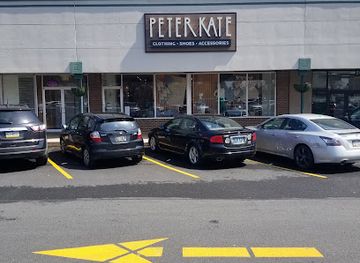
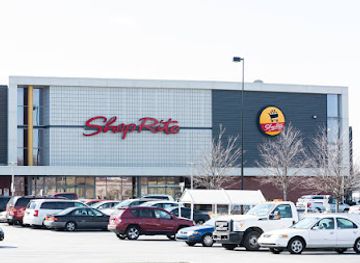
Shopping in Wilmington combines downtown streets, neighbourhood businesses and convenient access to Delaware’s tax-free retail environment. Market Street remains the city’s traditional commercial spine, with independent shops, cafés, galleries and services interspersed among historic buildings, while Trolley Square and nearby Little Italy offer smaller specialist businesses and locally oriented shopping. Visitors can look for books, art, food gifts, clothing and locally made items rather than a single dominant souvenir tradition. Larger retail areas and shopping centres lie beyond the central core, generally easier to reach by car or local transport. The nearby Brandywine Valley is associated with antiques, galleries and craft-oriented browsing, though its shops are dispersed. Openings and the balance between independent and national retailers vary, so the character of these districts is best understood as neighbourhood shopping rather than a dedicated luxury destination.
-
Shopping mall
Fairfax Shopping Center
Explore Fairfax Shopping Center in Wilmington, DE – your ultimate shopping destination with diverse stores and delightful dining options for every taste.
15 min drive · 5.0 km from city centre
-
Shopping mall
Christina Crossing
Experience the best shopping, dining, and entertainment at Christina Crossing Shopping Mall in Wilmington, Delaware.
5 min drive · 1.6 km from city centre
-
Shopping mall
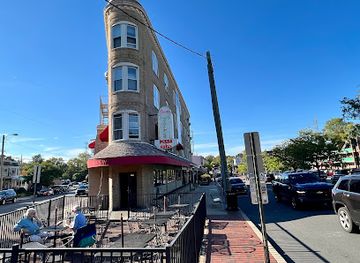
Trolley Square
Explore Trolley Square: A vibrant shopping haven in Wilmington, DE, blending historic charm with modern flair and delightful dining options.
5 min drive · 1.8 km from city centre
-
Shopping mall
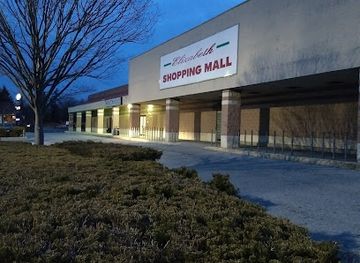
Elizabeth Shopping Mall
Explore Elizabeth Shopping Mall in Wilmington, DE: a vibrant shopping and dining destination with diverse stores and entertainment options for all ages.
8 min drive · 2.8 km from city centre
Get your free copy of our complete guide to Wilmington, delivered straight to you.
Everything on this page, from attractions and restaurants to essentials and local phrases, in one PDF you can read offline, print or share.
Already have an account? Sign in
Your Wilmington guide is ready.
We'll send it to · Not you? Sign out

Getting your guide ready…
We are putting together a fresh copy of the Wilmington guide. This can take up to a minute.
This can take a few moments. If your browser asks, choose Allow so the download can start. You'll find the guide in your Downloads folder.
Nothing happened? Download it again
Sorry, the guide is taking longer than usual. Please try again in a minute, or get it by email instead.
Wilmington essentials
Currency and Payment
Safety
Emergency Situations
Do's and Don'ts
Local Tips
From Eve
Local phrases worth knowing
You don't need to get them perfect. A few words go a long way, and locals appreciate the effort.
Basics
| English | Local | Say it |
|---|---|---|
| Hello | Wassup | [wah-sup] |
| Goodbye | Later | [lay-ter] |
| Yes | Yeah | [yeh] |
| No | Nah | [nah] |
| Please/You're welcome | Please/No problem | [pleez/no prob-lem] |
| Thank you | Thanks | [thanks] |
| Excuse me/Sorry | Excuse me/My bad | [ex-kyoos me/my bad] |
| How are you? | How you doin'? | [how yoo doin] |
| Fine. And you? | I'm good. You? | [im good. yoo?] |
| Do you speak English? | You speak English? | [yoo speak ing-glish?] |
| I don't understand | I don't get it | [I don't get it] |
Eating & Drinking
| English | Local | Say it |
|---|---|---|
| I'd like to see the menu, please | Let me see the menu, please | [let me see the menu, please] |
| I don't eat meat | I don't eat meat | [I don't eat meat] |
| Cheers! | Cheers! | [cheers!] |
| I would like to pay, please | I'm ready to pay | [im red-ee to pay] |
Emergencies
| English | Local | Say it |
|---|---|---|
| Help! | Help! | [help!] |
| Go away! | Get lost! | [get lost!] |
| Call the Police! | Call the cops! | [call the cops!] |
| Call a doctor! | Get a doctor! | [get a doctor!] |
| I'm lost | I'm lost | [im lost] |
| I'm ill | I'm sick | [im sick] |
Shopping
| English | Local | Say it |
|---|---|---|
| I'd like to buy... | I wanna buy... | [I wanna buy...] |
| I'm just looking | Just browsing | [just brows-ing] |
| How much is it? | How much does it cost? | [how much duz it cost?] |
| That's too expensive | That's pricey | [that's pricey] |
| Can you lower the price? | Can you give me a discount? | [can yoo give me a dis-count?] |
Time & Numbers
| English | Local | Say it |
|---|---|---|
| What time is it? | What's the time? | [whats the time?] |
| It's one o'clock | It's one | [its one] |
| Half past (10) | Ten thirty | [ten thur-tee] |
| Morning | Morning | [mor-ning] |
| Afternoon | Afternoon | [af-ter-noon] |
| Evening | Evening | [ee-ven-ing] |
| Yesterday | Yesterday | [yes-ter-day] |
| Today | Today | [to-day] |
| Tomorrow | Tomorrow | [to-mor-row] |
| 1 | One | [wun] |
| 2 | Two | [too] |
| 3 | Three | [three] |
| 4 | Four | [four] |
| 5 | Five | [five] |
| 6 | Six | [six] |
| 7 | Seven | [seven] |
| 8 | Eight | [ate] |
| 9 | Nine | [nine] |
| 10 | Ten | [ten] |
Transport & Directions
| English | Local | Say it |
|---|---|---|
| Where's a/the...? | Where's the...? | [wheres the...?] |
| What's the address? | What's the address? | [whats the address?] |
| Can you show me (on the map)? | Can you show me (on the map)? | [can yoo show me (on the map)?] |
| When's the next (bus)? | When's the next (bus)? | [whens the next (bus)?] |
| A ticket (to ....) | A ticket (to ....) | [a ticket (to ....)] |
History of Wilmington
Lenape Country and Swedish Settlement
Before European colonisation, the area around the Christina River and Brandywine Creek was inhabited and used by Lenape communities. In 1638, Swedish colonists led by Peter Minuit established Fort Christina on the Christina River, creating the first permanent European settlement in the Delaware Valley. The settlement became part of New Netherland in 1655 and was taken by the English in 1664. The surviving stone structure of Old Swedes Church, consecrated in 1699, stands as a major reminder of the early Swedish community and the religious and cultural continuities that survived the region’s changes in imperial control.
Quaker Influence and Colonial Growth
English and Welsh settlers, including Quakers, expanded the settlement during the late seventeenth and eighteenth centuries. Wilmington was incorporated in 1739 and developed around river transport, milling and trade. The Christina River connected local farms and workshops with wider Atlantic markets, while roads and wharves strengthened the town’s role in the Lower Delaware Valley. Quaker Hill and nearby historic streets retain traces of this period, when religious communities, merchants and craftspeople shaped the town’s institutions. During the American Revolution, Wilmington’s strategic position brought military activity and disruption, although the town was spared the destruction experienced by some larger centres.
Milling, Iron and Industrial Expansion
The Brandywine’s reliable waterpower encouraged milling and manufacturing, and Wilmington grew rapidly during the nineteenth century. The nearby Brandywine Village became associated with flour milling, while the DuPont family’s black-powder works, established along the Brandywine in 1802, helped create a powerful industrial presence in the region. Railways and improved river connections stimulated trade, drawing workers and expanding the urban area. The city’s churches, commercial blocks, row houses and civic buildings reflect this transformation from a small port town into an industrial and mercantile centre. Brandywine Park, established in the late nineteenth century, also expressed the period’s interest in public landscape and civic improvement.
Industry, Migration and the Modern City
Wilmington’s industries diversified during the late nineteenth and early twentieth centuries, with leather, machinery, rail transport and chemical manufacturing contributing to its prosperity. Immigration and migration brought Irish, Italian, African American and other communities whose institutions shaped neighbourhood life, including Little Italy and the area around Quaker Hill. Financial and corporate services later became increasingly important, supported by Delaware’s business legislation and Wilmington’s position between major East Coast cities. The city’s built environment preserves this layered story in places such as Market Street, Rodney Square, the Grand Opera House and the former Pennsylvania Railroad station.
Riverfront Renewal and Cultural Continuity
After industrial decline and the reduction of heavy riverfront activity in the later twentieth century, Wilmington pursued redevelopment focused on public space, culture, housing and recreation. The Christina Riverfront now includes parks, trails, sports facilities and family attractions, while restored historic buildings continue to serve civic and cultural purposes. The Delaware Art Museum, the Delaware History Museum and institutions in the downtown area connect the present city with its artistic and social past. Wilmington remains a small regional city rather than a large metropolis, but its contemporary identity is still shaped by the waterways, industries, communities and transport links that determined its growth.
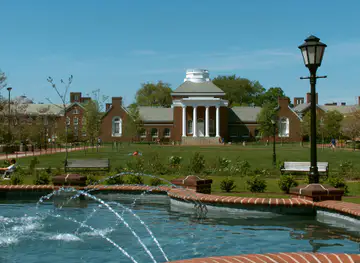
Wilmington in Photos
Browse through our photo collection highlighting the charm and character of the destination.
Cities near Wilmington
The closest cities to Wilmington, if you have time for more than one stop.
-
-

-

-
 Milford
, Delaware, pairs a historic Mispillion River downtown with galleries, local dining, museums, trails and easy access to Delaware’s coast and beaches.
4 h 47 min drive · 267 km from city centre
Milford
Milford, Delaware, pairs a historic Mispillion River downtown with galleries, local dining, museums, trails and easy access to Delaware’s coast and beaches.
4 h 47 min drive · 267 km from city centre
-


Swipe for more cities
Explore more
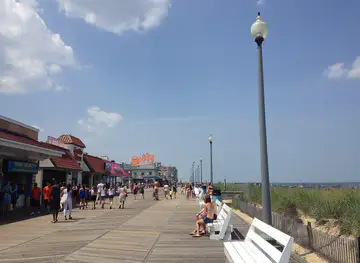
Explore more of Delaware
Discover Delaware: From historic sites and serene beaches to culinary delights and scenic parks, this small state offers big experiences for every traveler.
Explore Delaware