

Musikhuset Aarhus
Scandinavia’s largest concert house, blending bold Nordic design, rich acoustics and a year-round programme of music, theatre and dance in central Aarhus.
Musikhuset Aarhus is Scandinavia’s largest concert hall and a major cultural hub in the heart of Aarhus, just by the city hall and ARoS art museum. Opened in 1982 and later expanded, its light-filled foyers, glass façades and multiple halls host more than a thousand events a year, from opera, symphonic concerts and theatre to comedy, dance, children’s performances and conferences. With strong local ensembles in residence and a steady flow of international artists, it offers an accessible, year-round window into Danish and global performing arts.
A brief summary to Musikhuset Aarhus
- Thomas Jensens Allé 2, Aarhus Municipality, Aarhus C, 8000, DK
- +4589404040
- Visit website
- Duration: 1.5 to 4 hours
- Mid ranged
-
 Mixed
Mixed
- Mobile reception: 5 out of 5
Local tips
- Arrive 30–45 minutes before your event to explore the airy foyer, find your hall without rush and visit the café or bar before the performance begins.
- Combine a concert with a visit to the nearby ARoS art museum or a stroll through Music Hall Park for a full cultural afternoon and evening in one compact area.
- If you are sensitive to sound, consider bringing discreet ear protection for amplified concerts; the symphonic hall itself is designed with excellent natural acoustics.
- Allow time to check the programme for free or informal foyer events, especially earlier in the day, which can add an extra layer to your visit at little or no cost.
- Use the underground car park or nearby bike parking if you are attending an evening performance, as surrounding streets can be busy during major events.

For the on-the-go comforts that matter to you
- Restrooms
- Drink Options
- Drinking Water
- Food Options
- Seating Areas
- Sheltered Areas
- Trash Bins
- Information Boards
- Visitor Center
Getting There
-
From central Aarhus on foot
From the inner city around the pedestrian shopping streets and city hall, Musikhuset Aarhus is typically a 5–10 minute walk along level, paved routes suitable for most visitors. Walking is free of charge, avoids parking costs and lets you combine the visit with nearby sights such as ARoS and the city hall area. Surfaces are generally smooth, but allow extra time if you use a wheelchair or have limited mobility.
-
By city bus within Aarhus
Several city bus lines stop near Musikhuset, including along Park Allé and at the main bus station, giving a total travel time of about 10–20 minutes from most central neighbourhoods, depending on your starting point. A standard single ticket within Aarhus typically costs around 20–30 DKK and can be bought via ticket machines or mobile apps. Buses run frequently during the day and early evening, but services are less frequent late at night, so check return times after late performances.
-
From Aarhus H (main railway station)
If you arrive by regional or intercity train to Aarhus H, expect a 10–15 minute walk to Musikhuset along generally flat pavements, suitable for wheeled luggage and mobility aids. Alternatively, a short taxi ride from outside the station usually takes around 5 minutes in normal traffic, with fares commonly in the range of 70–120 DKK depending on time of day and any waiting time. This option is convenient after evening concerts when you prefer a quick, direct transfer.
-
By car and parking nearby
Musikhuset lies within the central Aarhus street network and is signposted from major approach roads. Travel time from outer districts is typically 15–25 minutes, longer during weekday rush hours or on big event nights. There is an underground car park at Musikhuset and additional spaces at neighbouring facilities, where typical hourly parking charges in central Aarhus range roughly from 15–30 DKK depending on zone and operator. Height restrictions are usually modest, and there are dedicated disabled spaces and charging points for electric vehicles, but spaces can fill quickly before popular performances.
Musikhuset Aarhus location weather suitability
-
 Any Weather
-
 Rain / Wet Weather
-
 Cold Weather
-
 Mild Temperatures
Discover more about Musikhuset Aarhus
A cultural powerhouse in the heart of Aarhus
Musikhuset Aarhus rises beside the city’s green park belt, a broad, low complex of glass, brick and pale concrete that feels open rather than imposing. Step inside and the building reveals its role as Scandinavia’s largest concert house, a place where stages, rehearsal rooms, classrooms and foyers knit together into a single cultural organism. The main foyer is high and airy, flooded with daylight from floor-to-ceiling windows that look out to the city hall tower on one side and landscaped gardens on the other. The venue was inaugurated in 1982 and later extended, reflecting Aarhus’ ambition to anchor a strong performing arts scene in the city centre. Today Musikhuset forms part of a wider cultural cluster that includes the ARoS art museum, Aarhus Music School and several nearby theatres and venues. Together they turn this part of town into a dense cultural district where it is easy to move from one creative experience to the next in a single day.Stages, acoustics and resident ensembles
Behind the calm foyer lie six main halls and several smaller stages, each designed for particular types of performance. The large symphonic hall is the architectural and acoustic heart, with steeply raked seating, warm wood surfaces and carefully tuned acoustics that flatter both a full orchestra and intimate chamber music. Other spaces are tailored for amplified concerts, theatre, dance and spoken word, giving the house a rare flexibility. Musikhuset is home base for key Danish institutions: Aarhus Symphony Orchestra, the Danish National Opera, the local music conservatoire and other artistic groups. On any given day, students may be crossing the foyer with instrument cases while technicians prepare a ballet, an opera or a stand-up show in one of the halls. This constant overlap of education, rehearsal and performance gives the building a feeling of lived-in artistry rather than a purely formal venue.Program spanning genres and generations
The annual programme runs to more than a thousand events, positioning Musikhuset as both a regional and national stage. Classical symphonies, chamber concerts and full-scale opera productions share the calendar with touring pop and rock acts, jazz, world music, musicals, comedy, lectures and contemporary dance. Family performances and children’s theatre play a visible role, especially on weekends and during school holidays, ensuring that younger audiences encounter live performance early. Beyond ticketed shows, the building often hums with free or low-cost activities in the foyers and smaller rooms, from student recitals to short lunchtime concerts or talks. Business conferences, award ceremonies and civic events also make use of the halls, bringing in audiences who might not otherwise step into a concert house. The result is a cultural centre that feels embedded in everyday city life rather than reserved for special occasions.Architecture, atmosphere and everyday life
Architecturally, the house reflects Nordic preferences for clean lines, natural materials and simple, functional spaces. Concrete and brick are offset by warm wood details, flexible seating and subtle lighting. The glass façades blur the boundary between interior and exterior, so that even a quick visit to the café places you within the city’s visual fabric. In the evening, the foyers glow outwards, and the building itself becomes a kind of lantern facing the park and surrounding streets. In front of the main entrance, a landscaped forecourt and Music Hall Park offer benches, plantings and a view towards ARoS’ distinctive rainbow rooftop. On performance nights the area fills with people arriving on foot and by bike, creating a lively but relaxed atmosphere. Inside, the café and restaurant serve as informal meeting points before and after events, making the venue as much a social space as a performance machine.Practical comforts and accessibility
Musikhuset is designed to be easy to use. Clear signage and open sightlines in the foyer help visitors navigate between the various halls, cloakrooms and refreshment points. Seating in the halls generally offers good views, and the building incorporates accessible routes for wheelchair users along with adapted seating areas. Outside and underneath the complex are parking facilities, including spaces for disabled drivers and charging points for electric cars, while bike parking is integrated into the surrounding public space. The central location means that many visitors arrive on foot from nearby hotels, shops and restaurants in the inner city. For travellers planning an evening here, it is straightforward to combine a visit with time at ARoS, a stroll through the park or a meal in the surrounding streets. Whether you come for a grand opera, a small jazz concert or simply to sit in the foyer with a coffee and watch the flow of students and performers, Musikhuset Aarhus offers a clear window into the cultural life of Denmark’s second city.Iconic landmarks you can’t miss

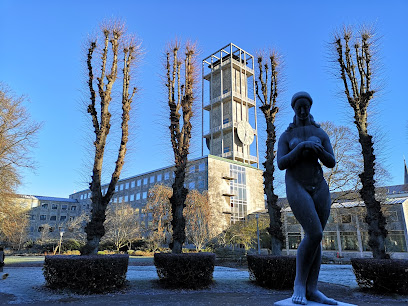
Den Svangre
0.2 km
A bronze sculpture celebrating the female form in Aarhus's cultural heart.
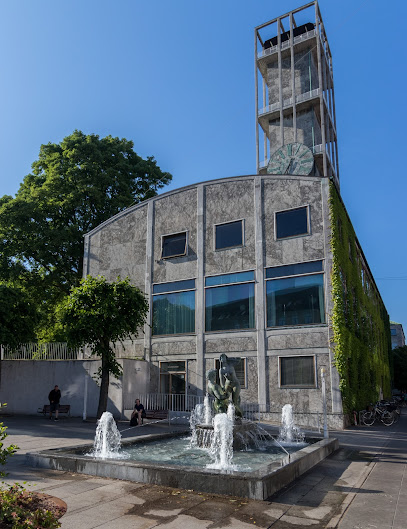
Agnete og Havmanden
0.2 km
Discover the poetic fusion of Danish folklore and modern sculpture at Aarhus’ Agnete og Havmanden, a landmark bronze fountain embodying myth and emotion.
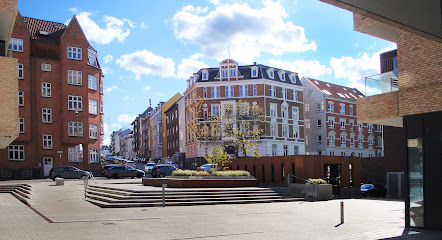
Frederiks Plads
0.6 km
A vibrant, contemporary city square where modern architecture, open green space, and urban life converge in the heart of Aarhus near Frederiksbjerg.
Endless Connection
1.0 km
Experience the dynamic interplay of art and water at Aarhus's Endless Connection, an interactive fountain by Jeppe Hein.
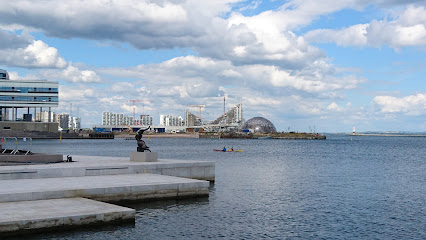
Herman Sallings Plads
1.0 km
Aarhus’s vibrant harborfront plaza, bridging the historic city and the modern waterfront, alive with urban energy, culture, and panoramic views.
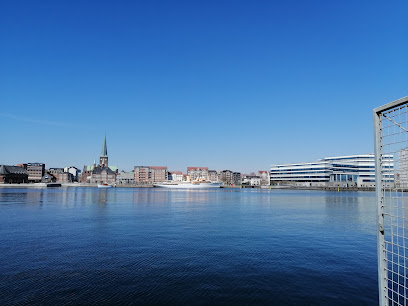
History Hunts med Hvem.nu
1.0 km
Malmo Live Concert Hall blends iconic Nordic architecture, world-class live music, and a vibrant atmosphere in Malmö, just across the bridge from Copenhagen.
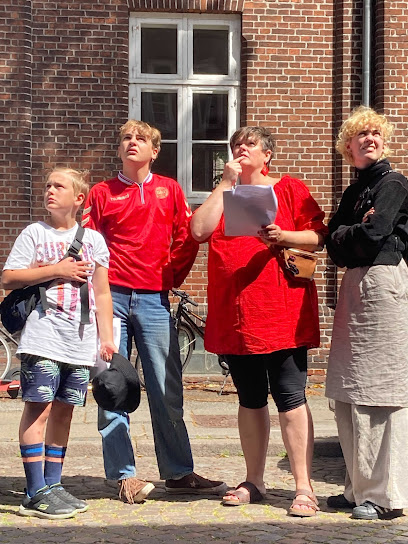
Aarhus waterfront
1.1 km
Aarhus Waterfront blends urban vibrancy, Nordic design, and harbor heritage with panoramic sea views and lively promenades, making it a quintessential Danish experience.
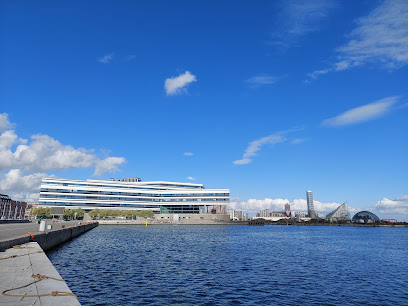
Botanical Garden
1.2 km
Experience Denmark's artistic heritage and international masterpieces at SMK, Copenhagen's dynamic national gallery housed in landmark architecture beside the Kings’ Garden.
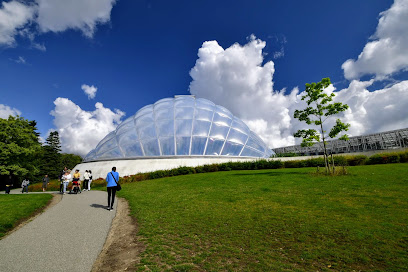
Kunst ved Kaserneboulevarden
1.3 km
Explore contemporary art at Kunst ved Kaserneboulevarden, Aarhus' premier gallery showcasing local and international talent.
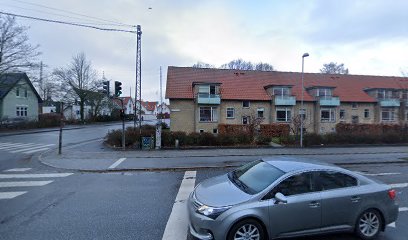
Steno Museum
1.4 km
Explore the Steno Museum in Aarhus, where science and history come alive through engaging exhibits and interactive experiences.
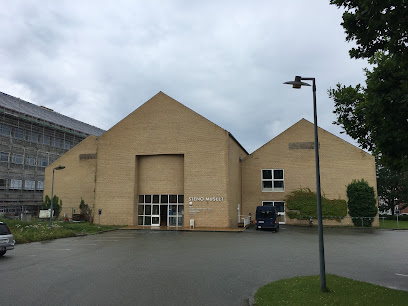
Folkehuset Trøjborg
1.8 km
Folkehuset Trøjborg blends Danish hygge, vibrant community life, and affordable culture, making it a beloved gathering place in the heart of Aarhus’ Trøjborg district.
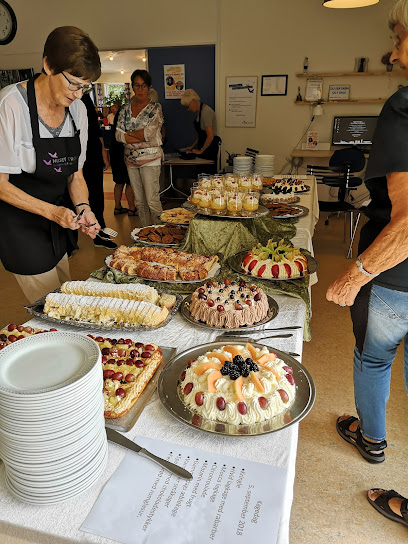
Tivoli Friheden
1.8 km
Experience the thrill and magic of Tivoli Friheden, Aarhus' premier amusement park with rides, live music, and family-friendly fun for all ages.
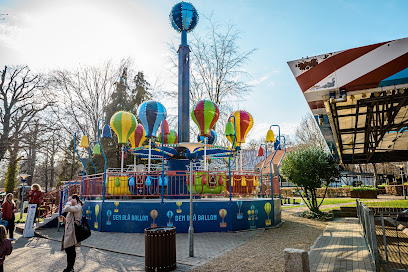
University Park, Aarhus
1.8 km
Explore seven centuries of art at SMK – Denmark’s national gallery, marrying old masters, modern pioneers, and cutting-edge exhibitions in stunning parkland surroundings.
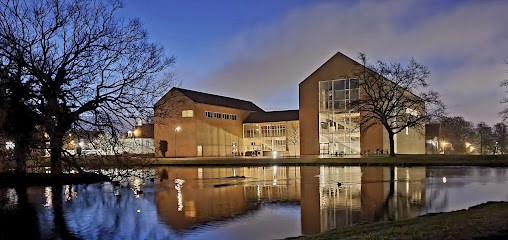
Nordisk Film Cinemas Trøjborg
2.2 km
Experience local Danish cinema culture at Nordisk Film Cinemas Trøjborg—an atmospheric neighborhood movie house blending modern comfort with classic charm in Aarhus.
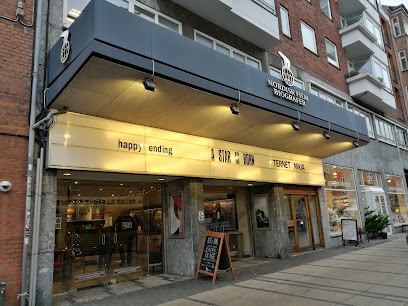
Trøjborg Beboerhus
2.3 km
Experience the vibrant community spirit of Aarhus at Trøjborg Beboerhus, a hub for cultural events, workshops, and local gatherings.
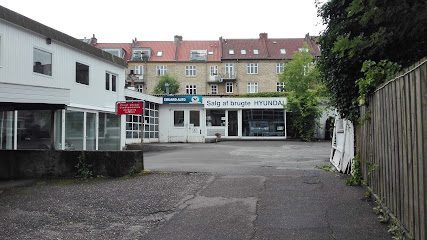
Unmissable attractions to see

ARoS Aarhus Art Museum
0.1 km
Ten floors of Danish and international art crowned by a rainbow‑coloured skywalk, ARoS turns Aarhus’s skyline into part of a bold, immersive museum experience.

Rådhusparken
0.2 km
Stately royal residence set amid sweeping landscaped gardens, Marselisborg Castle is an emblem of Danish tradition and a tranquil green escape in Aarhus.
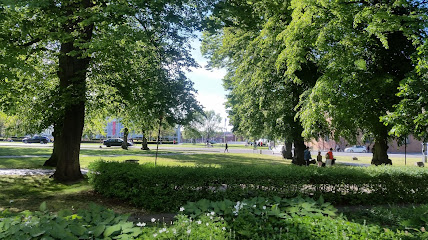
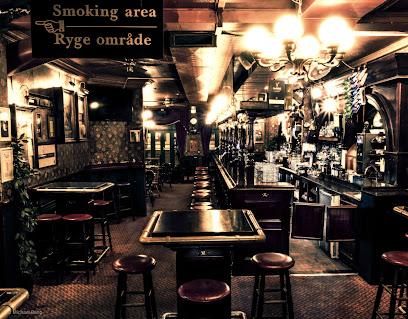
Sherlock Holmes Pub
0.3 km
Discover Aarhus’ charismatic Latin Quarter—a labyrinth of cobbled streets, lively cafés, creative boutiques, and historic charm at the city’s vibrant core.
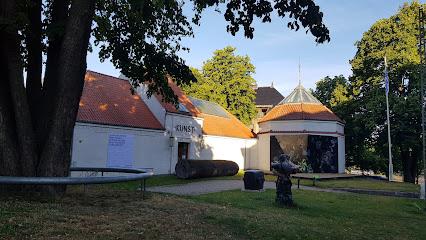
Kunsthal Aarhus
0.3 km
Free contemporary art in a light-filled modernist space, showcasing international and Danish artists since 1917.
Mølleparken
0.4 km
Compact yet characterful, Mølleparken is Aarhus’ riverside green room, blending mill-town history, public art, student life and festival energy in one urban pocket.
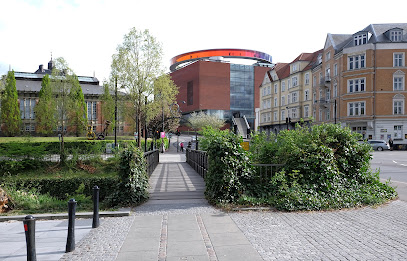
Museumsbroen
0.4 km
Historic hilltop observatory in Aarhus offering hands-on astronomy, guided stargazing, and a unique glimpse into Denmark’s pioneering scientific past.
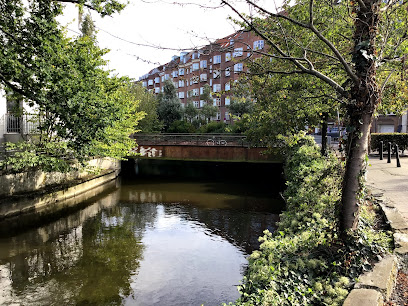
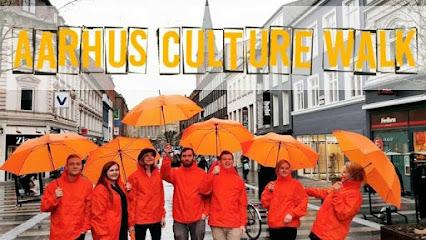
Aarhus Culture Walk
0.4 km
Discover Aarhus' oldest neighborhood, Latinerkvarteret, where historic charm meets modern culture in a vibrant blend of cafés, boutiques, and artistic venues.
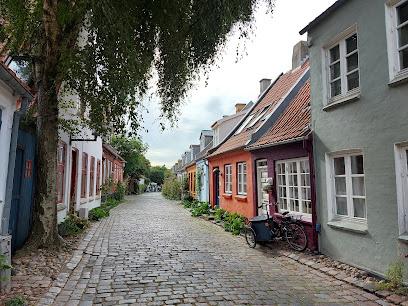
Møllestien
0.4 km
Pastel cottages, cobbled stones and climbing roses – a tiny historic lane where centuries of Aarhus history live behind colourful facades.
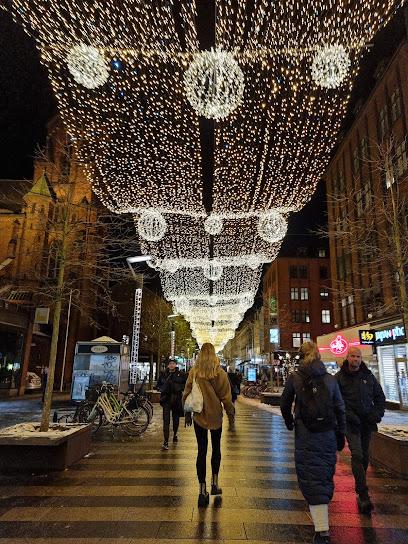
Strøget
0.4 km
Aarhus’ 850‑metre pedestrian high street, where shops, cafés and everyday city life line a car‑free spine between the central station, riverfront and cathedral.
Flodhestefontæne
0.5 km
Aarhus waterfront fuses cutting-edge architecture, vibrant public spaces, and breathtaking bay views, offering an essential experience at the heart of Denmark's dynamic cityscape.
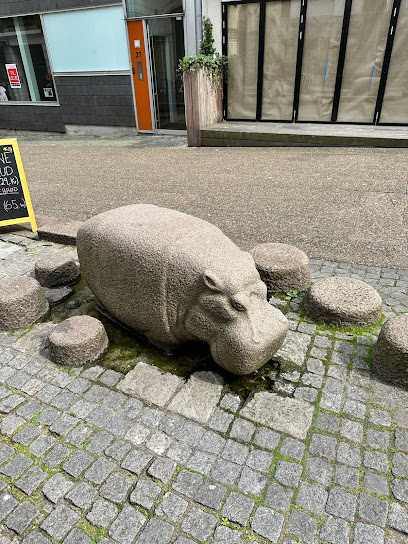
Flodhesteungen Frederikke
0.5 km
A small granite hippo resting in the middle of Frederiksgade, Flodhesteungen Frederikke adds a playful, tactile pause to the busy streets of central Aarhus.
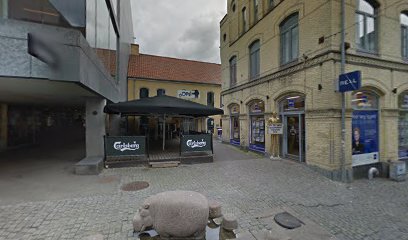
Salling ROOFTOP
0.5 km
Sky-high city park, glass-floored skywalk and stylish café-bar rolled into one panoramic rooftop above Aarhus’ main shopping street.
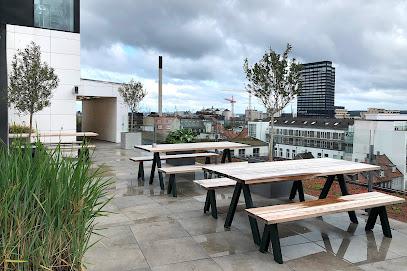
Sankt Clements Torv
0.6 km
Compact, historic and constantly in motion, Sankt Clemens Torv is the everyday crossroads between cathedral, Viking past, riverside cafés and modern shopping Aarhus.
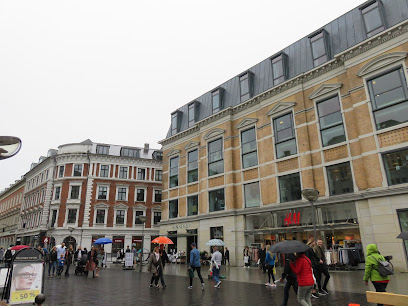
Vadestedet
0.6 km
Historic river crossing turned vibrant canal-side strip, Vadestedet blends cafés, bars and bridges into Aarhus’ cosiest, most atmospheric urban meeting place.
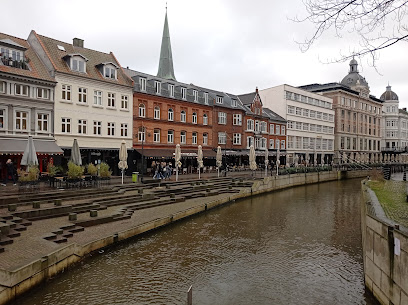
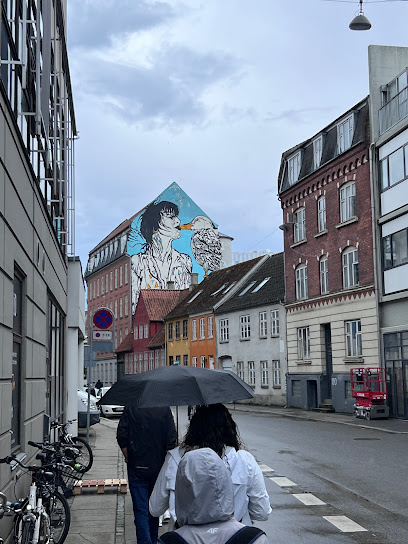
Mural - The Seagull Kiss
0.7 km
An iconic Hans Krull mural on a Fiskergade gable, "The Seagull Kiss" fuses fantasy, seafaring spirit and bohemian Aarhus into one unforgettable street-side scene.
Essential places to dine

SYV NI 13
0.3 km
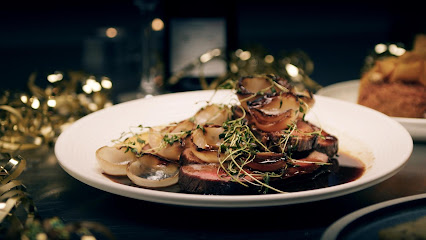
Skyline social dining on the 19th floor of Aarhus’ TRÆ building, where minimalist Nordic plates, global flavours and harbour views come together over shared menus.
GÄST
0.3 km
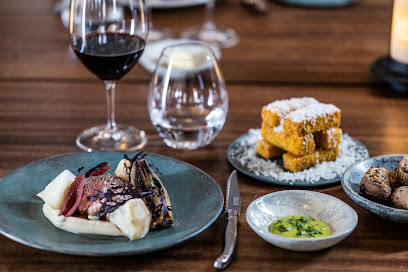
Seasonal modern European dining with a Nordic soul, served in a softly lit Scandinavian interior beside Aarhus’ busy central train station square.
Raadhuus Kafeen
0.3 km
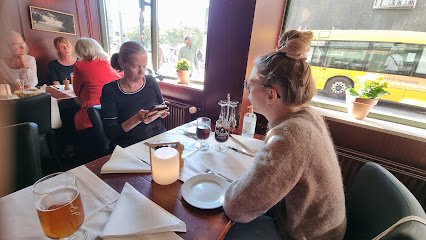
Aarhus's most authentic Danish kitchen, serving generations with generous portions and timeless Nordic flavors.
MASH - Restaurant Aarhus
0.3 km
Upscale American-style steakhouse in the heart of Aarhus, serving prime cuts, indulgent sides and serious wines in a dimly lit, station-side dining room.
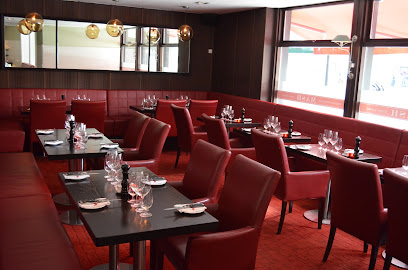
Restaurant L'øst
0.4 km
Modern Nordic bistro flavors and relaxed hotel comfort meet at Restaurant L’øst, a casual yet polished dining room in the very centre of Aarhus C.
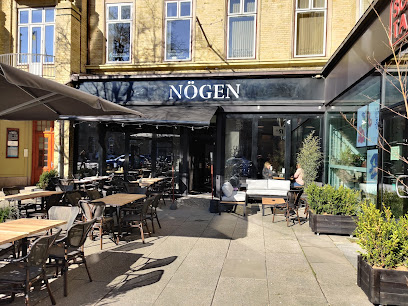
Restaurant Nögen
0.4 km
Vibrant, sustainable Nordic dining near Aarhus station—Restaurant Nögen blends bold flavors, stylish Scandi design, and social shared plates at a moderate price.
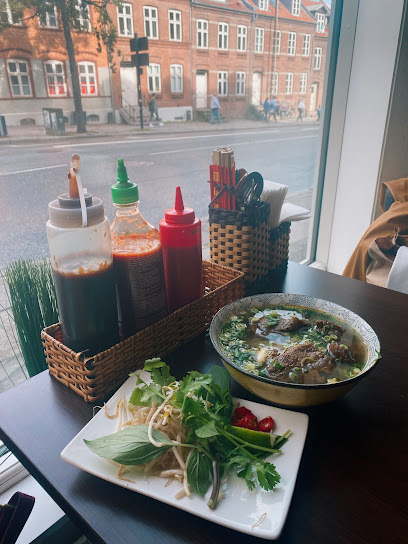
Pho C&P
0.4 km
Authentic Vietnamese street food in a cozy Aarhus hideaway—exceptional quality, reasonable prices, reservations essential.
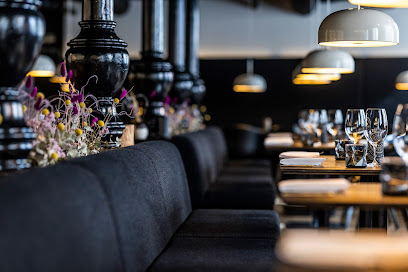
Restaurant Dauphine ApS
0.4 km
Restaurant Dauphine in Aarhus blends Nordic ingredients with French culinary flair, offering a refined tasting menu and expertly paired wines in a stylish, intimate setting.
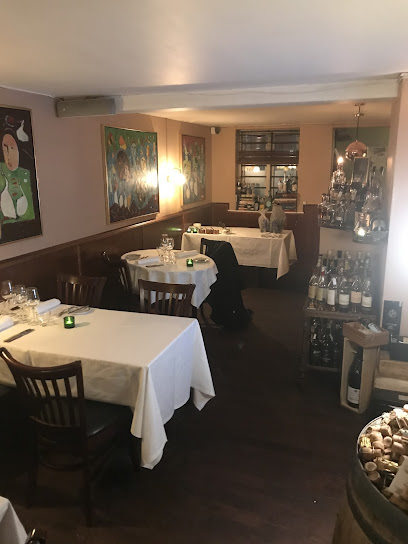
Tir Na nÓg - Irish Gastropub
0.4 km
A multi-room Irish gastropub in central Aarhus, blending cosy pub dining, live music and big-screen sport with Irish warmth and Danish hygge under one lively roof.
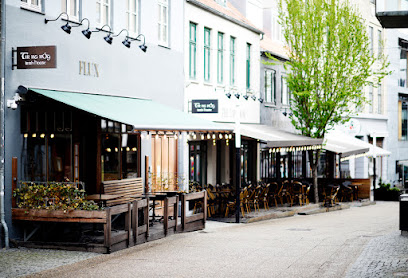
Bardok
0.5 km
Discover Bardok in Aarhus—a contemporary small-plates restaurant known for inventive cuisine, social dining, and a lively riverside atmosphere in the city center.
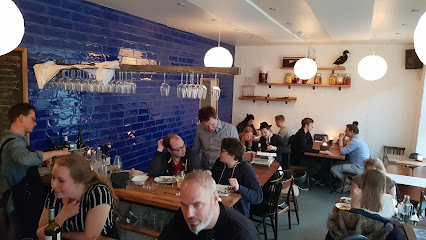
Klassisk 65, Bistro & Vinbar
0.5 km
Experience the essence of Danish cuisine at Klassisk 65 Bistro & Vinbar in Aarhus – where tradition meets modern dining excellence.
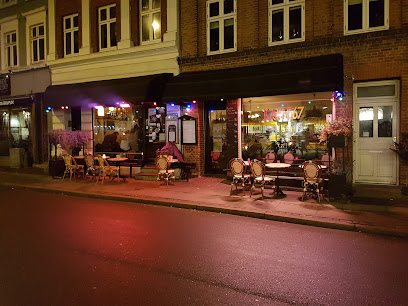
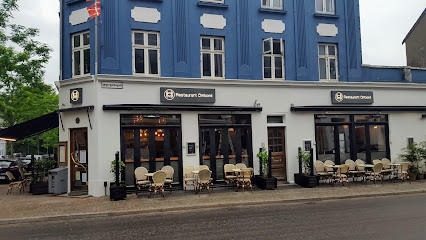
Restaurant Ombord
0.5 km
Modern Danish bistro with seasonal Nordic menus and inventive small plates, nestled among Frederiksbjerg’s vibrant food hotspots in central Aarhus.
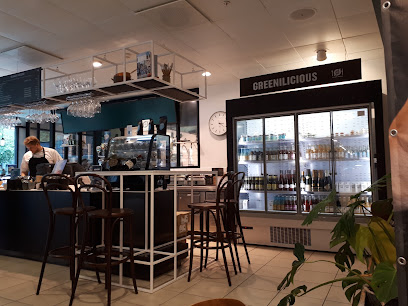
Juliette
0.5 km
A chic French brasserie in the heart of Aarhus' Frederiksbjerg, serving up authentic flavors, Parisian ambiance, and inventive brunches in a vibrant local hotspot.
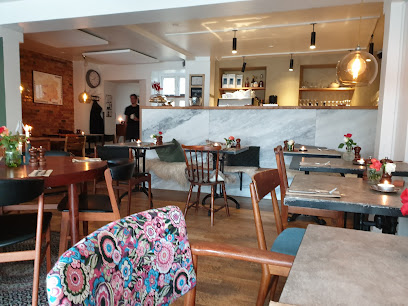
JUHLs spisehus
0.5 km
Creative Danish brunch, thoughtful bistro plates, and local wines in the lively heart of Frederiksbjerg—JUHLs Spisehus is an Aarhus favorite for any time of day.
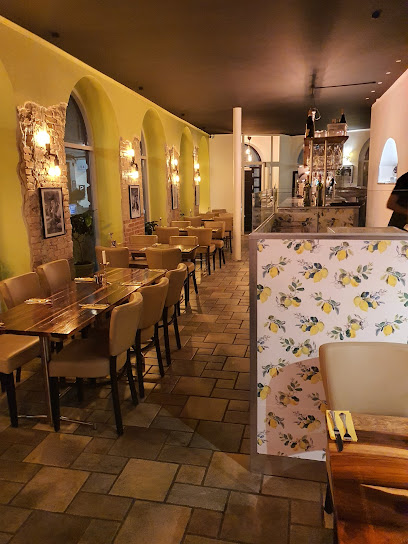
Restaurant Amalfi
0.5 km
Authentic Italian pasta and pizza in central Aarhus, where skilled cooking and warm service meet reasonable prices.
Markets, malls and hidden boutiques

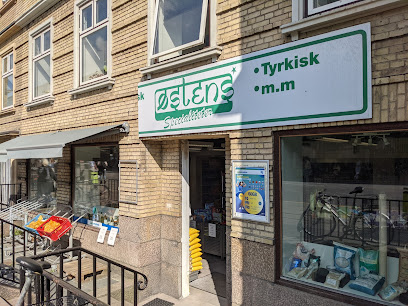
Asian food store (Østens Specialiteter)
0.3 km
Compact Asian grocery on Park Allé in central Aarhus, stocking everyday East and South Asian staples, snacks, and spices for both locals and curious home cooks.
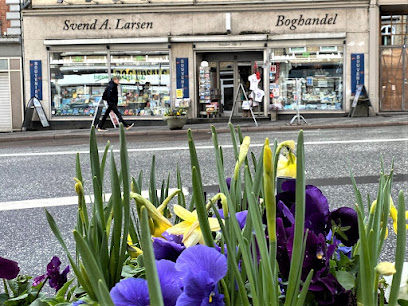
Bog & idé - Aarhus, Svend A. Larsen
0.3 km
Classic city-center book and stationery store where shelves of novels, notebooks, games and gifts offer a cozy cultural pause in the heart of Aarhus.
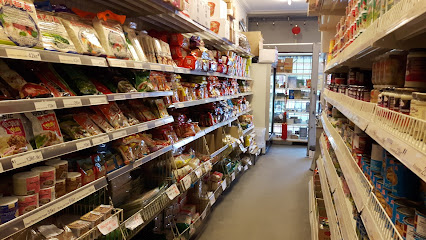
Far-East Trading
0.3 km
Compact, central Aarhus Asian grocery stocked with fresh produce, spices, noodles, snacks and frozen specialties for authentic East and Southeast Asian cooking.
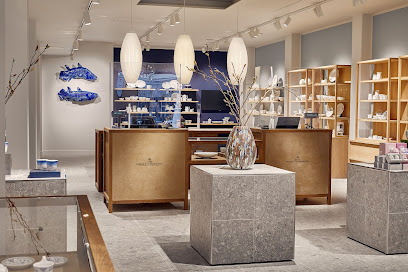
Royal Copenhagen - Aarhus
0.3 km
Discover Danish porcelain heritage at Royal Copenhagen Aarhus, a refined destination for iconic tableware, handcrafted designs, and timeless design inspiration.
Bahne
0.4 km
A bright Scandinavian lifestyle store in central Aarhus, blending fashion, homeware, gifts and wellness in a calm, design-led setting on busy Søndergade.
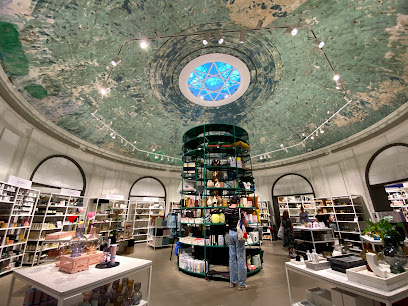
Epic Panda
0.4 km
Cozy underground game store in central Aarhus, blending packed shelves of board games and card games with a friendly, late‑night community play space.
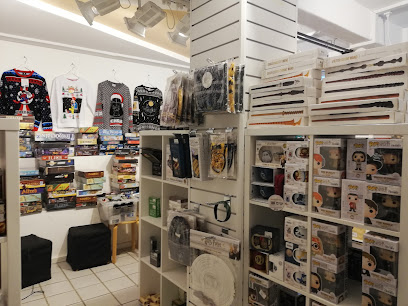
Mrs. P Coffee & The
0.5 km
A cosy Aarhus specialty shop where aromatic coffee, fine teas, chocolates and wines come together in beautifully curated gifts and everyday indulgences.
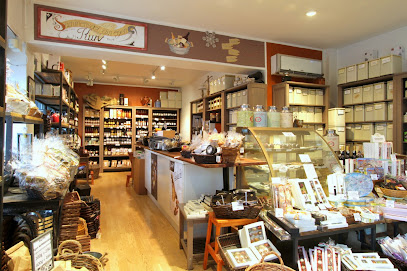
Salling Aarhus
0.5 km
Flagship Aarhus department store where fashion, food, design and a panoramic rooftop terrace with glass skywalk and city views all meet under one central roof.
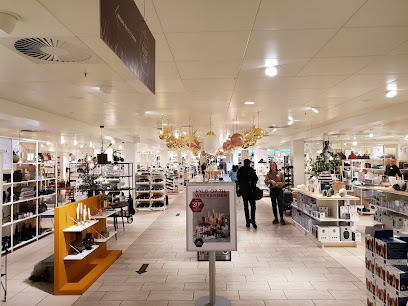
Bruuns Galleri
0.5 km
Bruuns Galleri: Aarhus’ premier city-center shopping mall, blending top brands, Danish design, dining, and urban life in a vibrant architectural landmark.
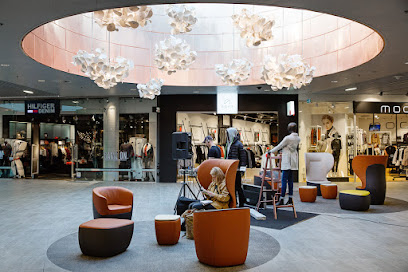
UNIQ
0.5 km
Compact, curated vintage in the heart of Aarhus, blending sustainable fashion, Scandinavian style and an easygoing boutique atmosphere on lively Frederiksgade.
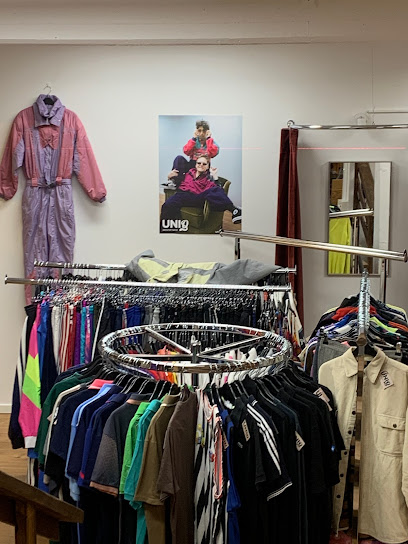
NORMAL
0.5 km
A bright, budget-friendly maze of everyday brands and quirky finds in Bruuns Galleri, perfect for quick essentials, impulse treats and low-cost little surprises.
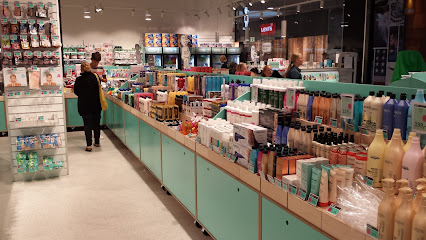
Monki
0.5 km
Playful Scandinavian high-street fashion in the heart of Aarhus C, blending bold colors, relaxed silhouettes, and accessible prices on busy M. P. Bruuns Gade.
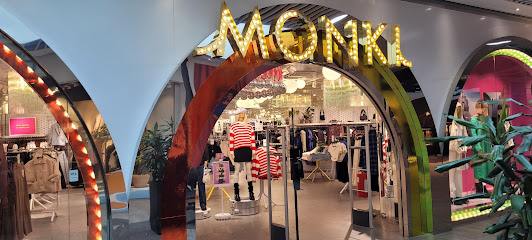
Flying Tiger Copenhagen
0.5 km
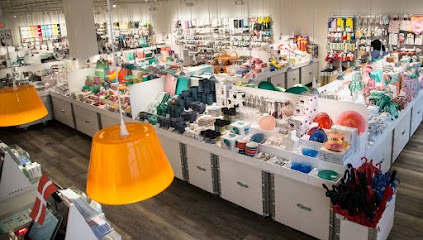
Aarhus C’s most playful gift shop, renowned for quirky Danish design, affordable treasures, and creative finds—perfect for unique souvenirs and cheerful everyday essentials.
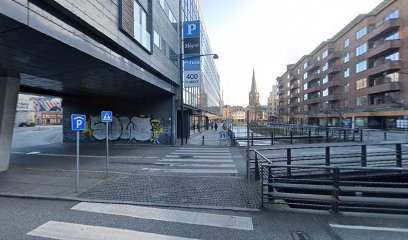
CHANEL FRAGRANCE AND BEAUTY BOUTIQUE
0.6 km
Luxury fragrance and beauty in the heart of Aarhus, with personalized consultations and CHANEL's complete cosmetic collection.
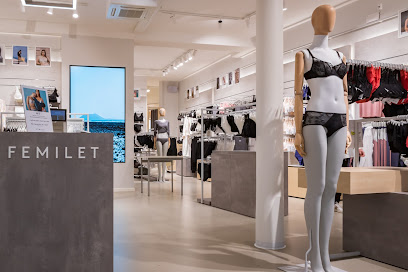
Femilet
0.6 km
Scandinavian lingerie boutique in central Aarhus, offering personalised fittings, comfortable essentials and cosy nightwear in a calm setting on busy Søndergade.
Essential bars & hidden hideouts

Centralbar
0.2 km
Easygoing, inexpensive bar by Aarhus Central Station – a relaxed, central meeting spot for simple drinks, local atmosphere and straightforward good times.
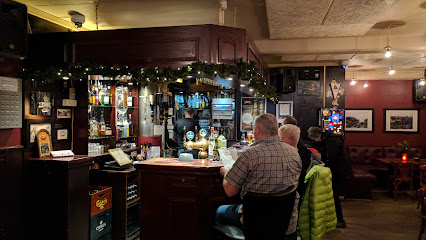
Die kleine Bierstube
0.3 km
Cozy German-style pub on lively Frederiksgade, pouring classic Bavarian beers and serving hearty schnitzel in a wood-paneled corner of central Aarhus.
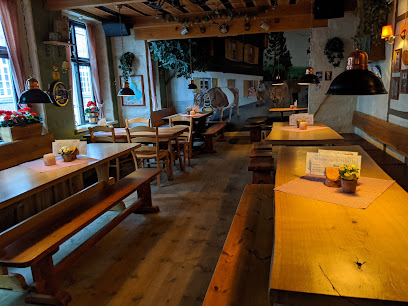
Drop Inn
0.3 km
Discover the charm of Drop Inn in Aarhus, where delightful drinks and a cozy atmosphere create the perfect bar experience.
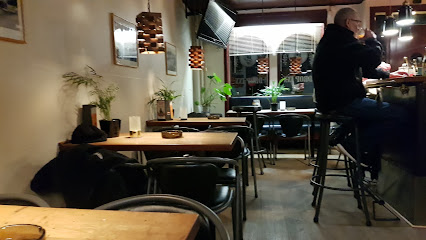
Flintstone Pub
0.4 km
Low-lit brun bar in central Aarhus serving inexpensive beers, Guinness and classic pub vibes in a laid-back, wood-paneled setting.
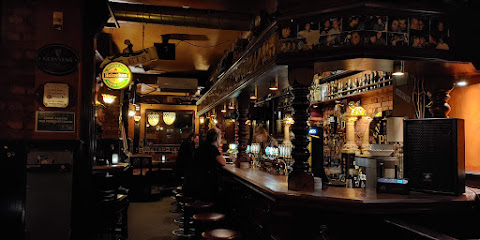
Oops - Bar, lounge og Rombar i Århus
0.5 km
Discover Oops Bar in Aarhus - a vibrant cocktail haven blending style and comfort with an exquisite drink menu and light bites.
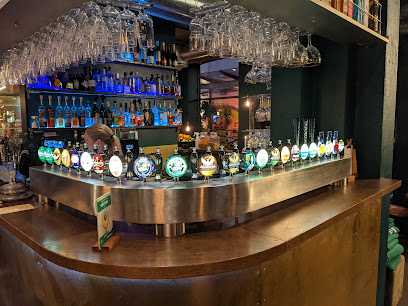
Mikkeller bar
0.5 km
Experience the best of craft beer at Mikkeller Bar, Aarhus - a paradise for beer lovers with unique local brews and a vibrant atmosphere.
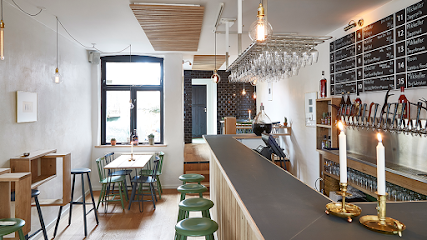
Mundhæld
0.5 km
Discover the charm of Mundhæld, a cozy bar in Aarhus offering a delightful selection of craft beers and a unique ambiance for every traveler.
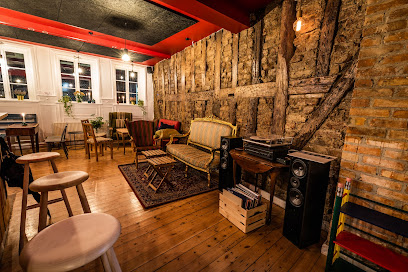
Den Hvide Hest
0.5 km
Discover the vibrant atmosphere of Den Hvide Hest, a charming bar in Aarhus offering local brews and a taste of Danish hospitality.
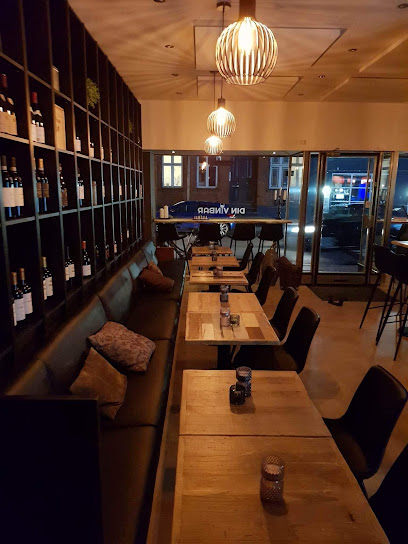
Din Vinbar
0.5 km
Discover unparalleled wine experiences at Din Vinbar, Aarhus' premier wine bar, where quality meets passion in every glass.
Æblet og Gåsen
0.5 km
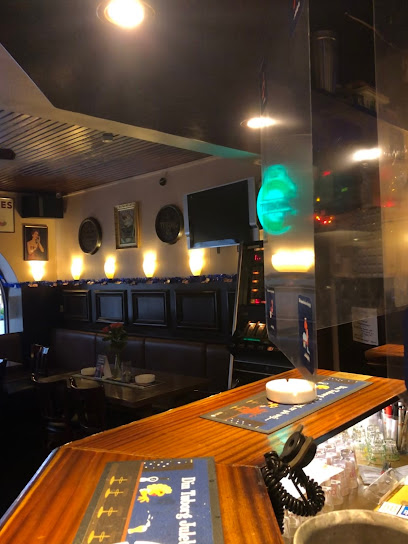
Discover the vibrant atmosphere of Æblet og Gåsen, a charming bar in Aarhus offering local brews and delightful snacks in a cozy setting.
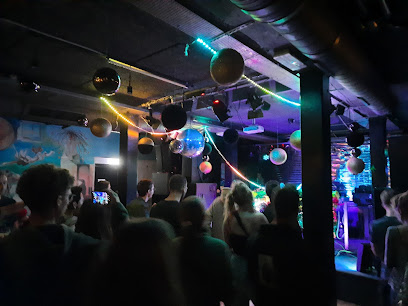
V58
0.5 km
Courtyard-hideaway bar and music spot in central Aarhus, blending crafted cocktails, Mediterranean flavours and intimate live performances late into the night.
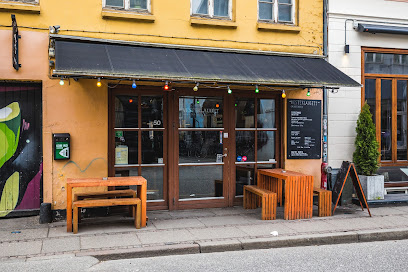
Vesterlauget
0.6 km
Cozy madbodega on Vestergade serving simple Danish comfort food, strong coffee and great beer in a relaxed, communal bar-restaurant setting.
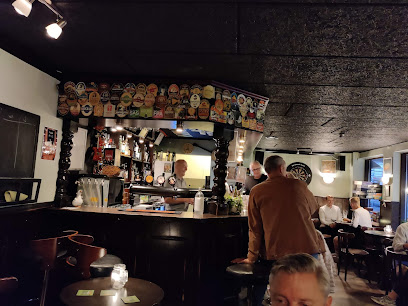
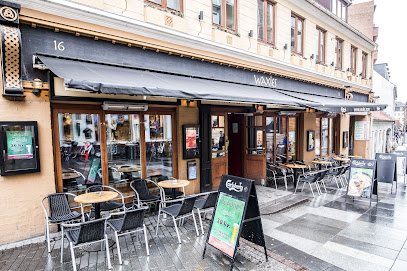
Waxies
0.6 km
Lively Irish pub and sports bar in central Aarhus, blending cosy wood‑panelled charm with live music, games and big‑screen sports late into the night.
Gedulgt
0.6 km
Discover Gedulgt: Aarhus's premier cocktail bar offering unique drinks and a lively ambiance for an unforgettable night out.
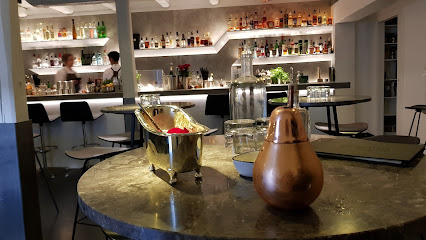
Væskebalancen Bar
0.6 km
Experience the lively ambiance and extensive drink selection at Væskebalancen Bar, the heart of Aarhus' nightlife.
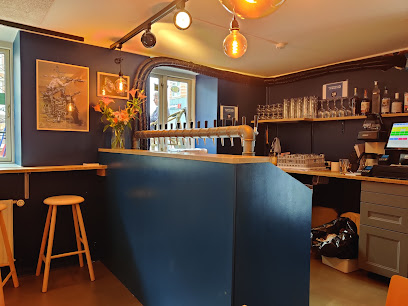
Nightclubs & after hour spots

equalclub
0.5 km
Discover the thriving nightlife of Aarhus at Equal Club, where music, dance, and unforgettable experiences come together.
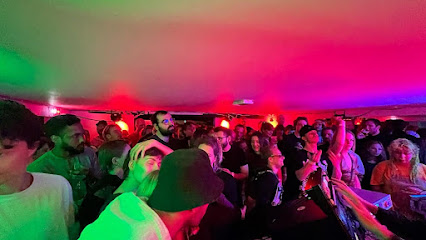
Rustik Bar & Natklub - Aarhus
0.7 km
Dive into the pulsating nightlife of Aarhus at Rustik Bar & Natklub, where vibrant music and an electric atmosphere await.
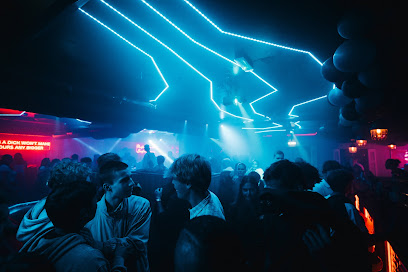
ZenZa Cocktailbar
0.7 km
Discover Aarhus' vibrant nightlife at ZenZa Cocktailbar, where expertly crafted cocktails and lively atmosphere await you.
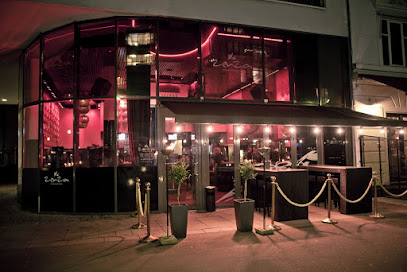
Bernhardt Natklub
0.7 km
Discover Aarhus' premier nightlife destination at Bernhardt Natklub, where cocktails and beats create unforgettable memories.

GBAR
0.8 km
Experience the vibrant nightlife at GBAR in Aarhus, a welcoming dance club where everyone can enjoy an unforgettable night out.
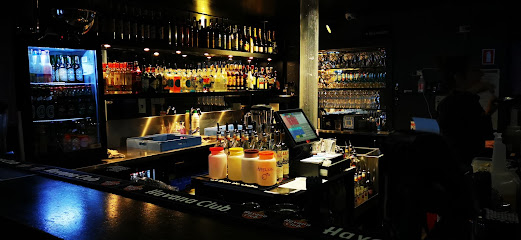
Lounge 8000
0.8 km
Discover the best of Aarhus nightlife at Lounge 8000, where vibrant performances and a stylish lounge atmosphere await.
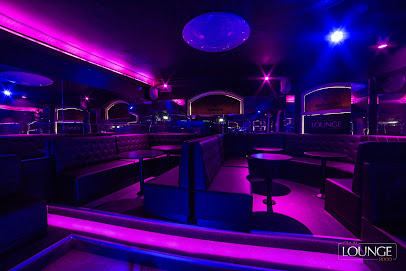
Hornsleth Bar Aarhus
0.8 km
Experience the vibrant nightlife of Aarhus at Hornsleth Bar, where innovative cocktails meet an energetic atmosphere.
For the vibe & atmosphere seeker
- Scenic
- Fun-filled
- Lively
- Entertaining
- Unique
- Casual
For the design and aesthetic lover
- Modern Designs
- Minimalist Designs
For the architecture buff
- Modern
- Landmarks
- Art & Design
- Heritage Neighborhoods
For the social media creator & influencer
- Photo Spots
- Architectural Shots
- Instagrammable
- Reel-Friendly
For the eco-conscious traveler
- Public-Transport Accessible
- Low Impact
For the kind of experience you’re after
- Cultural Heritage
- Photowalk
- Day Trip
- Festival / Event Nearby
For how adventurous you want the journey to be
- Easy Access
Location Audience
- Family Friendly
- Senior Friendly
- Child Friendly
- Teen Friendly
- Wheelchair Access
- Solo Friendly
- Couple Friendly
- Solo Female Friendly
- Business Friendly


