

Frederiksbjerg (Aarhus) Travel Guide - Free
Explore Frederiksbjerg in Aarhus with Evendo's free guide. Find the best shops, historic streets, restaurants, and gems on web or mobile.


Explore Frederiksbjerg in Aarhus for elegant brick streets, Jægergårdsgade cafés, Ingerslevs Boulevard markets, local shops and everyday Danish city life.
A Planned Urban Neighbourhood
Frederiksbjerg begins just south of Aarhus Central Station and rises gently towards the broad green spaces and residential streets leading to the south of the city. Developed largely from the late nineteenth century onwards, it has a distinctive urban coherence: blocks of brick apartment buildings, quieter side streets, bay-windowed townhouses and leafy avenues are interwoven with busy local shopping streets. The railway and Bruuns Bro mark its northern edge, while Frederiks Allé and the streets around Ingerslevs Boulevard form important routes through the district.Read more about Frederiksbjerg
Markets, Food and Street Life
Architecture and Local Atmosphere
Best attractions in Frederiksbjerg
Frederiksbjerg’s attractions are woven into its ordinary urban landscape rather than concentrated in a single landmark complex. Jægergårdsgade is the principal strolling street, combining older façades with cafés, bakeries, restaurants and independent businesses, while Ingerslevs Boulevard provides the neighbourhood’s most recognisable public space and hosts a food and produce market on regular market days. Sankt Lukas Kirke adds a notable ecclesiastical presence, and the surrounding streets offer an enjoyable introduction to Aarhus architecture through brick apartment blocks, bay windows, courtyards and early twentieth-century planning. The railway edge and Bruuns Bro show how closely the district is connected to the modern city centre, although the bridge itself is chiefly a transport link. Visitors interested in local atmosphere should allow time for the smaller residential streets between Frederiks Allé and the boulevard, where the district’s balance of commerce, housing and open space is clearest.
-
Tourist attraction
Mindeparken
Experience royal Danish heritage and stunning public gardens at Marselisborg Castle, the summer home of Denmark’s monarch, in vibrant Aarhus.
6 min drive · 2.0 km from neighbourhood centre
-
Tourist attraction
Rådhusparken
Stately royal residence set amid sweeping landscaped gardens, Marselisborg Castle is an emblem of Danish tradition and a tranquil green escape in Aarhus.
7 min walk · 0.5 km from neighbourhood centre


Best landmarks in Frederiksbjerg
The strongest landmarks of Frederiksbjerg are its urban structures and public spaces. Ingerslevs Boulevard is the defining open space, a broad landscaped boulevard whose markets and long views give the neighbourhood a civic centre distinct from the tighter streets around it. Sankt Lukas Kirke provides an important religious and architectural marker within the residential quarter, while the surrounding early apartment blocks and townhouses express the district’s late nineteenth- and early twentieth-century expansion. Aarhus Central Station and the railway corridor form a powerful boundary on the northern side, linking Frederiksbjerg’s local streets with the city’s regional transport network. Bruuns Bro, at the station edge, is a more contemporary urban connection to central Aarhus. Together these places explain the neighbourhood’s identity: planned residential streets opening towards a market boulevard and framed by the infrastructure of a growing city.
-
History museum
The Old Town
Step into Denmark’s past at The Old Town, an immersive open-air museum in Aarhus where history comes alive across centuries of urban life and culture.
16 min walk · 1.3 km from neighbourhood centre
-
Art museum
ARoS Aarhus Art Museum
Iconic Danish art museum with cutting-edge architecture, the famous rainbow panorama, and outstanding exhibitions—a must-see contemporary landmark in central Aarhus.
10 min walk · 0.8 km from neighbourhood centre
-
Amusement park
Tivoli Friheden
Experience the thrill and magic of Tivoli Friheden, Aarhus' premier amusement park with rides, live music, and family-friendly fun for all ages.
15 min walk · 1.2 km from neighbourhood centre
-
Castle
Marselisborg Castle
Marselisborg Castle combines royal heritage and lush gardens for a tranquil escape in Aarhus, offering public parklands, sculpture walks, and seasonal blooms.
6 min drive · 2.1 km from neighbourhood centre


Explore Frederiksbjerg on the map
A handpicked selection of must-see spots in Frederiksbjerg, mapped for you.
Best hotels in Frederiksbjerg
Best restaurants in Frederiksbjerg
Frederiksbjerg has one of Aarhus’s most appealing concentrations of everyday dining, particularly around Jægergårdsgade and the streets leading towards Ingerslevs Boulevard. The scene is shaped by cafés, bakeries, informal lunch places, restaurants and wine-focused venues rather than by a single defining cuisine. Danish staples and contemporary Nordic cooking sit alongside international influences, while the neighbourhood’s market activity adds a strong connection to fresh produce and casual food shopping. Independent businesses occupy many of the older ground-floor premises, giving the streets a more local rhythm than the large commercial developments around the station. Coffee and pastries suit a daytime walk, while restaurants and small bars make the area active in the evening without turning it into a dedicated entertainment district. Specific menus and opening arrangements change, so visitors should check current information before setting out, especially when planning around market days or popular dinner times.
-
French
Juliette
A chic French brasserie in the heart of Aarhus' Frederiksbjerg, serving up authentic flavors, Parisian ambiance, and inventive brunches in a vibrant local hotspot.
2 min walk · 0.1 km from neighbourhood centre
-
Bistro
Klassisk 65, Bistro & Vinbar
Experience the essence of Danish cuisine at Klassisk 65 Bistro & Vinbar in Aarhus – where tradition meets modern dining excellence.
2 min walk · 0.2 km from neighbourhood centre
-
Restaurant
Restaurant Hærværk
Restaurant Hærværk in Aarhus C reinvents Nordic cuisine nightly through inventive tasting menus, hyper-local ingredients, and award-winning sustainability.
4 min walk · 0.3 km from neighbourhood centre
-
Restaurant
Restaurant Ombord
Modern Danish bistro with seasonal Nordic menus and inventive small plates, nestled among Frederiksbjerg’s vibrant food hotspots in central Aarhus.
2 min walk · 0.2 km from neighbourhood centre


Best bars in Frederiksbjerg
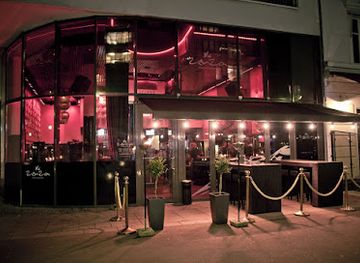
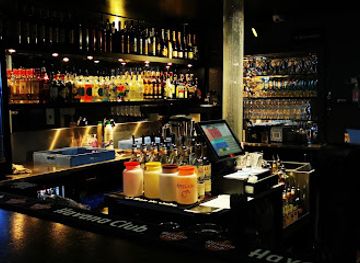
Frederiksbjerg’s evening life is centred on restaurants, wine bars, cafés and small drinking places, particularly along Jægergårdsgade and nearby side streets. It is a social neighbourhood rather than a major clubbing quarter: the atmosphere builds around dinner, conversation and pavement seating, with residents and visitors sharing the same compact streets. The proximity of Aarhus Central Station makes the area convenient for continuing into the city centre, where the larger late-night entertainment scene is located, but Frederiksbjerg itself generally feels more measured after dark. On busy evenings, attention is needed around cycle lanes, railway approaches and crowded outdoor tables. Visitors should check current listings for live music or special events rather than assuming that a venue offers entertainment every night, and should keep voices low when moving from commercial streets into residential blocks.
-
Cocktail bar
Gedulgt
Secret speakeasy bar in Aarhus' Frederiksbjerg, renowned for creative cocktails, Nordic chic interiors, and a buzz-worthy hidden entrance experience.
10 min walk · 0.8 km from neighbourhood centre
-
Bar
Mikkeller bar
Discover Danish craft beer innovation and social buzz at Mikkeller Bar Aarhus, the heart of Frederiksbjerg’s dynamic nightlife and Nordic design culture.
2 min walk · 0.2 km from neighbourhood centre
-
Bar
Æblet og Gåsen
Classic Danish bodega on lively Jægergårdsgade, renowned for cheap drinks, authentic local atmosphere, and a true taste of Frederiksbjerg’s community spirit.
2 min walk · 0.2 km from neighbourhood centre
-
Bodega
Jacob Skomager
Jacob Skomager is a classic Frederiksbjerg bodega, offering genuine Danish pub atmosphere, affordable drinks, and authentic local character in Aarhus.
6 min walk · 0.5 km from neighbourhood centre


Best nightclubs in Frederiksbjerg
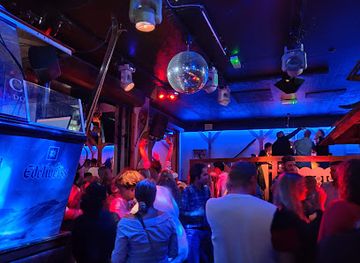
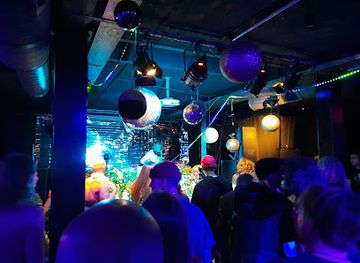
Frederiksbjerg’s evening life is centred on restaurants, wine bars, cafés and small drinking places, particularly along Jægergårdsgade and nearby side streets. It is a social neighbourhood rather than a major clubbing quarter: the atmosphere builds around dinner, conversation and pavement seating, with residents and visitors sharing the same compact streets. The proximity of Aarhus Central Station makes the area convenient for continuing into the city centre, where the larger late-night entertainment scene is located, but Frederiksbjerg itself generally feels more measured after dark. On busy evenings, attention is needed around cycle lanes, railway approaches and crowded outdoor tables. Visitors should check current listings for live music or special events rather than assuming that a venue offers entertainment every night, and should keep voices low when moving from commercial streets into residential blocks.
-
Disco club
Der Kuhstall
Retro disco energy meets laid-back Danish hospitality at Der Kuhstall, an iconic Aarhus night club famed for cheap drinks, classic tunes, and unforgettable evenings.
14 min walk · 1.1 km from neighbourhood centre
-
Night club
V58
V58 delivers Aarhus’ indie vibes and live music spirit in a storied club setting, connecting locals and travelers on Frederiksbjerg’s creative nightlife circuit.
15 min walk · 1.2 km from neighbourhood centre
-
Night club
ZenZa Cocktailbar
A vibrant cocktail bar and club on Aarhus' riverfront, renowned for creative drinks, welcoming staff, and an energetic dance floor in the heart of the city.
14 min walk · 1.1 km from neighbourhood centre
-
Night club
GBAR
Experience Aarhus' vibrant LGBTQ+ nightlife at GBAR, where inclusivity meets electrifying entertainment.
14 min walk · 1.1 km from neighbourhood centre
Best shops in Frederiksbjerg
Shopping in Frederiksbjerg is primarily local and independent, with the greatest concentration along Jægergårdsgade and around its connecting streets. Visitors can browse small speciality shops, design-led businesses, cafés, bakeries and practical neighbourhood retailers, while the older façades make the experience distinctly different from the enclosed shopping environment at Bruuns Galleri on the station side. Ingerslevs Boulevard is the focal point for open-air food and produce markets on market days, when stalls bring seasonal ingredients and everyday provisions into the public space. The district is better suited to browsing for food, gifts, interiors and small specialist finds than to a full day of department-store shopping. Bruuns Galleri and the larger central shopping streets are immediately nearby but sit at or beyond Frederiksbjerg’s northern edge, so they are best understood as adjacent city-centre retail rather than part of the neighbourhood’s independent shopping identity.
-
Antique store
Aarhus Antik
Discover Danish heritage at Aarhus Antik, a charming antique store in Aarhus' Frederiksbjerg district.
3 min walk · 0.2 km from neighbourhood centre
-
Hat shop
Luna Hvid
Discover handcrafted elegance at Luna Hvid, Aarhus' premier hat boutique in the historic Latin Quarter.
5 min walk · 0.4 km from neighbourhood centre


Frederiksbjerg essentials
Getting There
Getting Around
Safety
Emergency Situations
Do's and Don'ts
Local Tips

From Eve
Local phrases worth knowing
You don't need to get them perfect. A few words go a long way, and locals appreciate the effort.
Basics
| English | Local | Say it |
|---|---|---|
| Hello | Hej | [hey] |
| Goodbye | Farvel | [far-vel] |
| Yes | Ja | [yah] |
| No | Nej | [nay] |
| Please/You're welcome | Vær så god | [ver so go] |
| Thank you | Tak | [tahk] |
| Excuse me/Sorry | Undskyld | [un-skuul] |
| How are you? | Hvordan har du det? | [vor-dan har doo deh] |
| Fine. And you? | Godt. Og du? | [goht. oh doo] |
| Do you speak English? | Taler du engelsk? | [tah-ler doo eng-el-sk] |
| I don't understand | Jeg forstår ikke | [yay for-stor eek-eh] |
Eating & Drinking
| English | Local | Say it |
|---|---|---|
| I'd like to see the menu, please | Jeg vil gerne se menukortet, tak | [yay vil ge-ren-uh se meh-noo-kor-tet, tahk] |
| I don't eat meat | Jeg spiser ikke kød | [yay spee-ser ee-keh ker] |
| Cheers! | Skål! | [skawl] |
| I would like to pay, please | Jeg vil gerne betale, tak | [yay vil ge-ren-uh beh-tah-leh, tahk] |
Emergencies
| English | Local | Say it |
|---|---|---|
| Help! | Hjælp! | [hyelp] |
| Go away! | Gå væk! | [goh vayk] |
| Call the Police! | Ring til politiet! | [reen til poh-lee-tee-eh] |
| Call a doctor! | Ring til en læge! | [reen til en lay-eh] |
| I'm lost | Jeg er gået forkert | [yay air goh-et for-kert] |
| I'm ill | Jeg er syg | [yay air soog] |
Shopping
| English | Local | Say it |
|---|---|---|
| I'd like to buy... | Jeg vil gerne købe... | [yay vil ge-ren-uh ker-buh] |
| I'm just looking | Jeg kigger bare | [yay kee-guh beh-reh] |
| How much is it? | Hvor meget koster det? | [vor mayt koh-ster deh] |
| That's too expensive | Det er for dyrt | [deh air for deert] |
| Can you lower the price? | Kan du sænke prisen? | [kan doo sen-keh pree-sen] |
Time & Numbers
| English | Local | Say it |
|---|---|---|
| What time is it? | Hvad er klokken? | [vath air kloh-ken] |
| It's one o'clock | Klokken er et | [kloh-ken air et] |
| Half past (10) | Halv ti | [halv tee] |
| Morning | Morgen | [mor-gen] |
| Afternoon | Eftermiddag | [ef-ter-mee-dahg] |
| Evening | Aften | [af-ten] |
| Yesterday | I går | [ee goh] |
| Today | I dag | [ee day] |
| Tomorrow | I morgen | [ee mor-gen] |
| 1 | Et | [et] |
| 2 | To | [toh] |
| 3 | Tre | [treh] |
| 4 | Fire | [fee-reh] |
| 5 | Fem | [fem] |
| 6 | Seks | [seks] |
| 7 | Syv | [suv] |
| 8 | Otte | [oh-teh] |
| 9 | Ni | [nee] |
| 10 | Ti | [tee] |
Transport & Directions
| English | Local | Say it |
|---|---|---|
| Where's a/the...? | Hvor er en/den...? | [vor air en/dehn] |
| What's the address? | Hvad er adressen? | [vath air ah-dress-en] |
| Can you show me (on the map)? | Kan du vise mig (på kortet)? | [kan doo vee-suh meey (poh kor-tet)] |
| When's the next (bus)? | Hvornår er næste (bus)? | [vor-nor air nes-te (boos)] |
| A ticket (to ....) | En billet (til ....) | [en bee-let (teel)] |
History of Frederiksbjerg
From Southern Fringe to City Quarter
The name Frederiksbjerg refers to the rise of land south of the historic centre and is associated with the expansion of Aarhus beyond its older core. For much of the nineteenth century, the area was less densely built than the city centre, with open land and routes leading towards the southern countryside. Urban growth accelerated as Aarhus expanded commercially and industrially, creating demand for new housing close to the centre. Frederiksbjerg consequently developed not as an old village absorbed by the city, but as a planned urban extension shaped by late nineteenth-century growth.
Railways and Urban Expansion
The railway’s arrival in Aarhus in the nineteenth century helped transform the land south of the centre. Aarhus Central Station and the railway corridor established a powerful northern boundary for Frederiksbjerg while bringing workers, commerce and new investment closer to the neighbourhood. Streets were laid out with a mixture of apartment blocks, townhouses and local shops, producing the compact urban fabric still visible today. The district’s position beside the station also linked its residential development to the wider growth of Aarhus as a regional commercial and transport centre.
Boulevards, Housing and Institutions
As Frederiksbjerg filled out around the turn of the twentieth century, broad streets and public spaces gave the district a more composed character than the tightly packed lanes of the medieval centre. Ingerslevs Boulevard became a significant open space and market setting, while churches, schools and local businesses supported the growing residential community. Much of the neighbourhood’s architectural identity comes from this period: brick façades, enclosed courtyards and carefully proportioned apartment buildings designed for an expanding urban population. The result was a self-contained quarter that remained closely connected to central Aarhus.
A Local Quarter in Modern Aarhus
During the twentieth century, Frederiksbjerg retained its residential role while the streets around the station and Jægergårdsgade gained greater commercial importance. Later changes brought new cafés, restaurants, specialist shops and renovated interiors alongside long-established homes and businesses. The neighbourhood’s contemporary identity is therefore layered rather than entirely new: market traditions and early urban architecture coexist with a dining and retail scene shaped by modern Aarhus. Redevelopment around the station and nearby Bruuns Bro has strengthened its links with the city centre, while the inner residential streets continue to preserve a recognisable local scale.
Frederiksbjerg in Photos
Browse through our photo collection highlighting the charm and character of the destination.
Neighbourhoods near Frederiksbjerg
The closest neighbourhoods to Frederiksbjerg, if you have time for more than one stop.
-

-

-

-

-


Swipe for more neighbourhoods
Explore more

Explore more of Aarhus
Aarhus combines Viking history, waterfront architecture, ARoS art, open-air museums and Nordic food culture in Denmark’s lively cultural capital.
Explore Aarhus