

Free Herning Travel Guide & Mobile App
Plan your Herning trip with Evendo. Get free guides to top attractions, restaurants, hotels, and bars. Web access or download the mobile app.


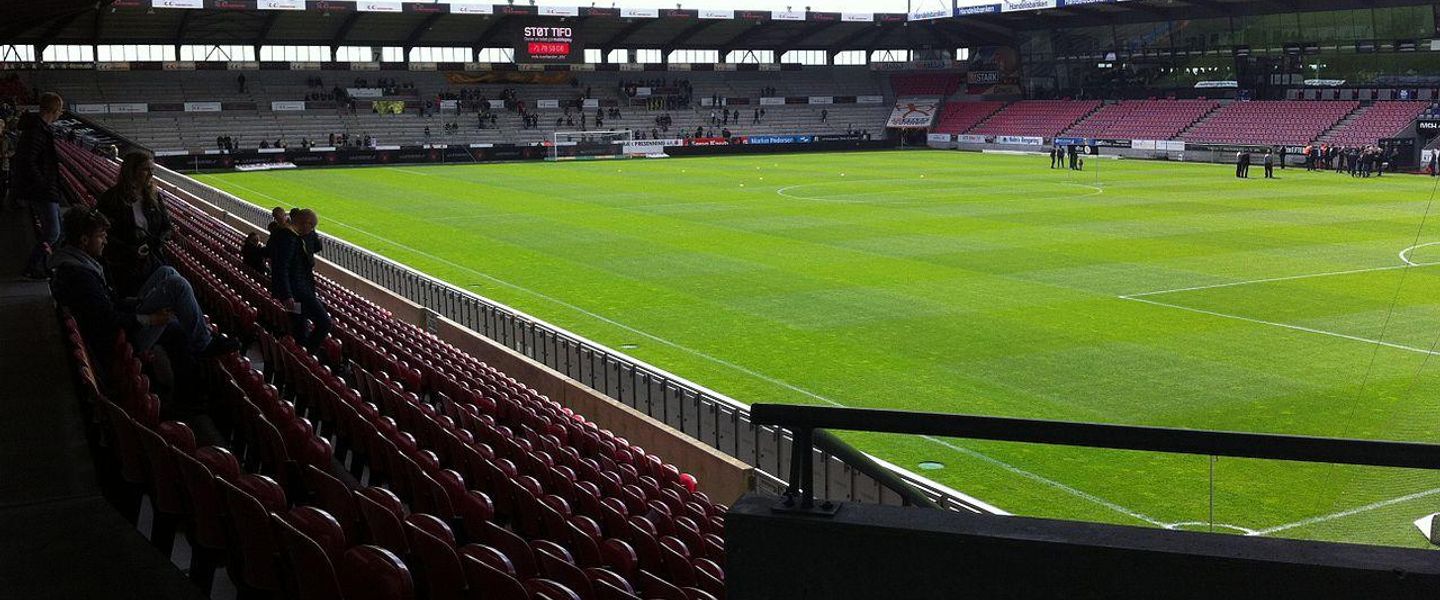


Herning, Denmark, pairs textile heritage with bold modern art, lively exhibition venues, green spaces and Midtjylland day trips for curious travellers.
From Heathland to Industrial Town
Herning stands in central Jutland, amid the broad, gently undulating landscapes historically known as the Danish heath. Its growth was closely tied to the railway and to textile manufacturing, an industry that transformed a modest rural settlement into one of Denmark’s most important commercial towns. Traces of that story remain in the museums and former industrial environments around the centre, while the city’s contemporary identity is strongly shaped by art, design, sport and large-scale events.Read more about Herning
Art in the Landscape
City Life and Open Countryside
When is the best time to visit Herning?
Best: June–August · 22–23°C| Month | High (°C) | Rainfall (mm) |
|---|---|---|
| January | 3 | 29 |
| February | 3 | 25 |
| March | 6 | 26 |
| April | 11 | 21 |
| May | 18 | 21 |
| June (best) | 22 | 25 |
| July (best) | 23 | 29 |
| August (best) | 22 | 27 |
| September | 19 | 24 |
| October | 13 | 25 |
| November | 8 | 27 |
| December | 5 | 29 |
Getting to and around Herning
How to get there
Transportation
Best attractions in Herning
Herning’s principal attractions combine modern art, industrial history and open-air recreation. In the Birk district, HEART – Herning Museum of Contemporary Art presents changing exhibitions in Steven Holl’s distinctive building, while the Carl-Henning Pedersen & Else Alfelt Museum contains colourful works by two central figures in Danish twentieth-century art. Nearby, the monumental sculpture Elia turns an open grassy setting into an atmospheric encounter with land art. Museum Midtjylland offers a broader view of local history, including the textile industry that helped build the city’s prosperity. MCH Messecenter Herning and Jyske Bank Boxen bring major exhibitions, sporting events and concerts to the region, although programmes vary. For a quieter experience, Fuglsang Sø provides walking paths and water views within easy reach of the urban area, and the surrounding heathland landscape places Herning’s industrial story in its original geographical context.
-
Exhibition and trade centre
MCH Messecenter Herning
Scandinavia’s powerhouse for fairs, shows, sport and concerts, where Herning’s quiet heathland becomes a buzzing city of events and experiences.
6 min drive · 2.1 km from city centre
-
Shopping mall
Herning Centret
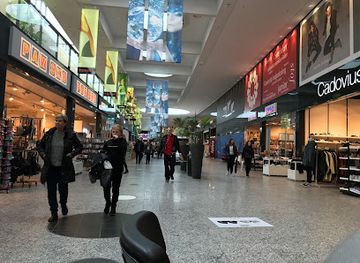
Central Jutland’s largest covered mall, blending 80+ shops, eateries and family facilities with free parking and all-weather comfort on the edge of Herning.
7 min drive · 2.3 km from city centre
-
Tourist attraction
Jyllands Park Zoo
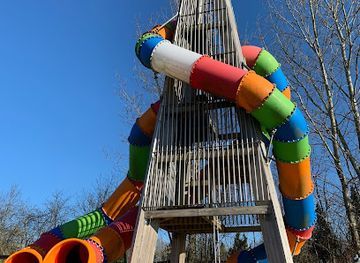
Family-focused countryside zoo near Herning, blending close-up animal encounters with big playgrounds, tivoli rides and wide green spaces for a relaxed full-day outing.
31 min drive · 11 km from city centre
-
Movie theater
Nordisk Film Biografer Herning
Modern multiplex in central Herning with comfortable screens, big-sound blockbusters and classic cinema snacks for easygoing evenings and family-friendly outings.
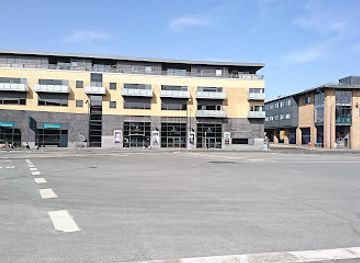
9 min walk · 0.7 km from city centre
Best landmarks in Herning
Herning’s landmarks express its modern commercial history more than a medieval architectural legacy. Elia, the vast steel sculpture by Ingvar Cronhammar in Birk, is the city’s most recognisable piece of public art and creates a dramatic geometric presence against the open landscape. The nearby HEART Museum and Carl-Henning Pedersen & Else Alfelt Museum are landmarks of Denmark’s post-war cultural ambition as well as functioning art institutions. Herning Church, with its modern architectural character, reflects the city’s twentieth-century growth, while Herning Station represents the railway connections that helped turn the settlement into a regional centre. In the wider urban landscape, the MCH exhibition complex and Jyske Bank Boxen symbolise Herning’s continuing role in national fairs, sport and entertainment. Together these sites chart a city shaped by textile enterprise, artistic patronage, transport and contemporary events rather than by a single historic monument.
-
Tourist attraction
P-plads, Knudmosebjerget
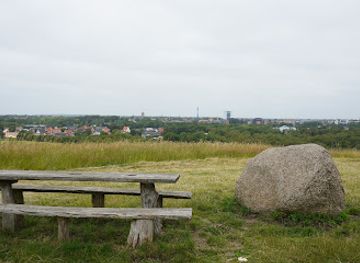
Herning's highest point with panoramic moorland views and eight scenic walking routes through a protected conservation area.
17 min walk · 1.3 km from city centre
-
Memorial park
Mindesten for Jens Vejmand
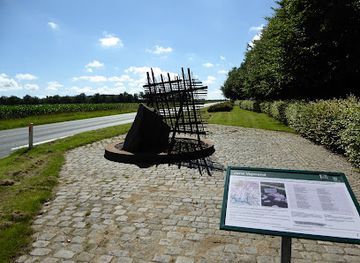
A windbreak memorial to a stoneworker whose life inspired Denmark's most beloved folk song.
18 min drive · 5.9 km from city centre
-
Memorial park
Befrielsessten i Herning
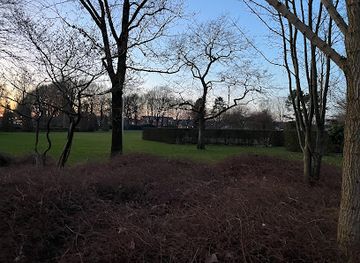
A solemn outdoor memorial honoring Denmark's fallen, open always for quiet reflection.
18 min walk · 1.5 km from city centre
-
Memorial park
Befrielsessten i Gullestrup
A 1949 liberation stone honoring Denmark's freedom in the quiet village of Gullestrup.
11 min drive · 3.6 km from city centre
Explore Herning on the map
Plan your Herning trip on one map. See where the top attractions, landmarks, restaurants, bars and hotels are, find what's near where you're staying, and book hotels and experiences in a few clicks.
Best hotels in Herning
Best restaurants in Herning
Herning’s dining scene reflects central Jutland’s practical food culture, with Danish open sandwiches, seasonal meat and fish, potatoes, rye bread and dairy products appearing alongside familiar international cooking. In the centre, cafés and informal restaurants around the pedestrian streets provide daytime coffee, pastries, lunch and evening meals, while larger event periods bring additional demand near MCH Messecenter Herning and Jyske Bank Boxen. Traditional Danish dishes are often presented in a contemporary way, and menus may draw on nearby farms and the broader produce of Jutland. Bakeries and cafés are useful places to encounter everyday tastes such as rye-based breads, buttery pastries and cakes, while local food shops and market-style events offer more regional specialities when scheduled. The city is sufficiently diverse for vegetarian, international and modern Nordic-influenced meals, but its culinary character remains grounded in relaxed, unpretentious Danish dining rather than a concentrated fine-dining quarter.
-
Restaurant
Bone's Herning
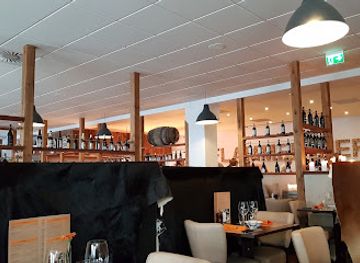
Hearty American-style BBQ, salad and soft-ice bar in a cosy, family-focused restaurant on Østergade in the heart of Herning.
7 min walk · 0.6 km from city centre
-
Takeout restaurant
Restaurant Flammen
All‑you‑can‑eat Danish grill buffet with at least 15 cuts of meat, a generous salad bar and a cosy, family‑friendly atmosphere in central Herning.
8 min walk · 0.6 km from city centre
-
Chinese
China Café
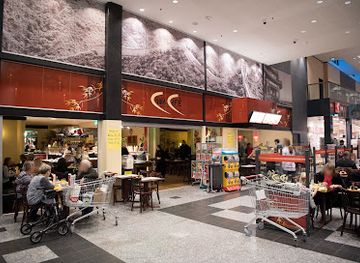
Casual, budget-friendly Chinese comfort food in the heart of Herning Centret, ideal for quick lunches and relaxed family dinners between shopping stops.
6 min drive · 2.1 km from city centre
-
Chinese
Restaurant Den Kinesiske Mur Herning
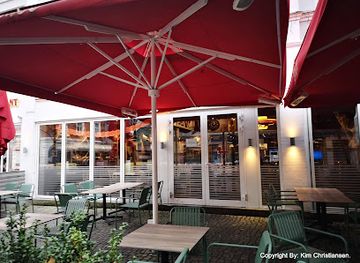
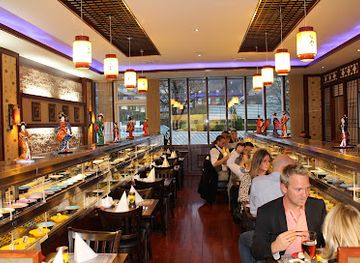
Lively Chinese buffet and running sushi in central Herning, blending Mongolian grill, classic dishes and a playful conveyor-belt sushi experience under warm red décor.
12 min walk · 1.0 km from city centre
Best bars in Herning
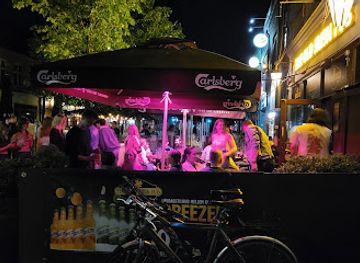
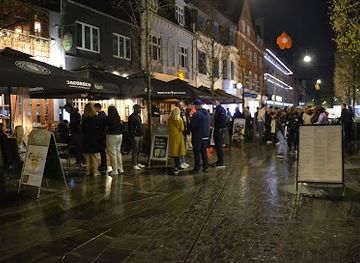
Herning’s evening life is centred on cafés, pubs, restaurants and event venues rather than a large club district. The pedestrian centre becomes the main setting for relaxed drinks and socialising, with a mixture of traditional Danish bar culture and contemporary venues serving beer, wine and cocktails. Concerts, sporting fixtures and touring performances at Jyske Bank Boxen or MCH can give the city a much livelier atmosphere on particular nights, while smaller cultural events and performances provide alternatives to late-night drinking. The city’s scale means that nightlife is relatively concentrated and generally easy to navigate, although individual venues and programmes change. Event dates can make evenings busier around the exhibition and arena complex, whereas quieter nights are better suited to a meal followed by a drink in the centre. Visitors should follow Danish licensing rules and local venue policies, particularly when travelling as part of a large event crowd.
-
Bar
Fox and Hounds
Scottish-style pub in central Herning pouring serious beer and whisky in a warm, wood-clad setting from quiet midday pints to lively late-night sessions.
9 min walk · 0.7 km from city centre
-
Irish pub
The Old Irish Pub
Lively Irish-style pub in central Herning, pouring pints, screening football and keeping the party going with music, quizzes and late-night bar energy.
9 min walk · 0.7 km from city centre
-
Bodega
Bodega Gadespejlet ApS
Authentic Danish pub culture in Herning's heart—nearly 50 years of genuine hospitality and late-night atmosphere.
9 min walk · 0.7 km from city centre
-
Bar
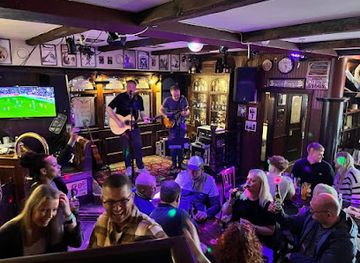
Murphy's Pub
Cozy Irish-style pub in the heart of Herning, pouring good beer, hosting live music and quizzes, and blending Irish charm with Danish hygge late into the night.
9 min walk · 0.7 km from city centre
Best nightclubs in Herning
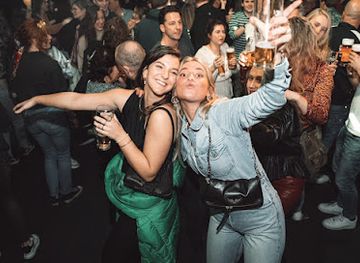
Herning’s evening life is centred on cafés, pubs, restaurants and event venues rather than a large club district. The pedestrian centre becomes the main setting for relaxed drinks and socialising, with a mixture of traditional Danish bar culture and contemporary venues serving beer, wine and cocktails. Concerts, sporting fixtures and touring performances at Jyske Bank Boxen or MCH can give the city a much livelier atmosphere on particular nights, while smaller cultural events and performances provide alternatives to late-night drinking. The city’s scale means that nightlife is relatively concentrated and generally easy to navigate, although individual venues and programmes change. Event dates can make evenings busier around the exhibition and arena complex, whereas quieter nights are better suited to a meal followed by a drink in the centre. Visitors should follow Danish licensing rules and local venue policies, particularly when travelling as part of a large event crowd.
-
Disco club
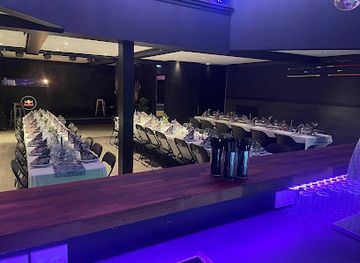
Mindegade5
Experience the heartbeat of Herning's nightlife at Mindegade5, where music, dance, and celebration converge.
7 min walk · 0.5 km from city centre
Best shops in Herning
Shopping in Herning is concentrated in the pedestrian centre, especially around Østergade, Bredgade and adjoining streets, where Danish high-street retailers sit alongside cafés, smaller shops and everyday services. The town’s retail character is practical and regional, serving local residents as well as visitors attending exhibitions and events. Textile history gives shopping an additional local context, since clothing and fabric production played a major role in Herning’s development, although contemporary stores are not limited to that tradition. Bakeries, delicatessens and Danish design-oriented shops can provide more distinctive purchases than standard chain retail, while seasonal markets and events may offer crafts, food products and small gifts. Visitors seeking a larger indoor retail environment can look towards HerningCentret, one of the area’s established shopping centres. Opening patterns vary, particularly on Sundays and during public holidays, so check current details before planning a dedicated shopping trip.
-
Wine store
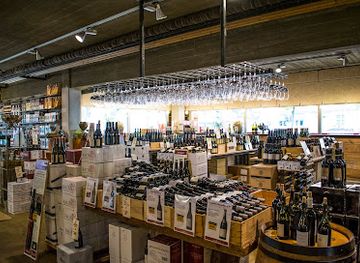
Uhrskov Vinhandel
Fourth‑generation family wine shop in the heart of Herning, blending historic charm with a wide, well‑curated selection of wines, spirits, beers and gourmet gifts.
1 min walk · 0.1 km from city centre
-
Grocery store
Al Hádi Inter Food
Herning's premier international grocery store bringing authentic Middle Eastern, Asian, and Indian flavors to Denmark.
2 min walk · 0.2 km from city centre
-
Furniture store
Ilva
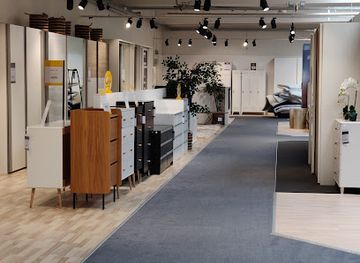
Scandinavian design and quality furniture for every room, from sofas to dining sets and home accessories.
15 min drive · 5.0 km from city centre
-
Store
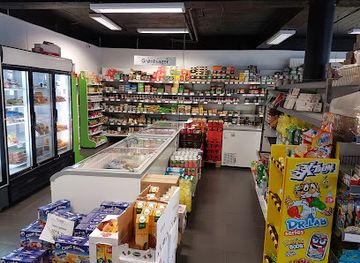
Normal
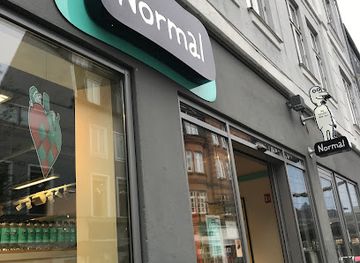
A bright, budget-friendly Danish variety store on Herning’s main street, packed with everyday essentials, quirky finds and travel-ready supplies at fixed low prices.
3 min walk · 0.3 km from city centre
Get your free copy of our complete guide to Herning, delivered straight to you.
Everything on this page, from attractions and restaurants to essentials and local phrases, in one PDF you can read offline, print or share.
Already have an account? Sign in
Your Herning guide is ready.
We'll send it to · Not you? Sign out

Getting your guide ready…
We are putting together a fresh copy of the Herning guide. This can take up to a minute.
This can take a few moments. If your browser asks, choose Allow so the download can start. You'll find the guide in your Downloads folder.
Nothing happened? Download it again
Sorry, the guide is taking longer than usual. Please try again in a minute, or get it by email instead.
Herning essentials
Currency and Payment
Safety
Emergency Situations
Do's and Don'ts
Local Tips
From Eve
Local phrases worth knowing
You don't need to get them perfect. A few words go a long way, and locals appreciate the effort.
Basics
| English | Local | Say it |
|---|---|---|
| Hello | Hej | [hey] |
| Goodbye | Farvel | [far-vel] |
| Yes | Ja | [ya] |
| No | Nej | [nay] |
| Please/You're welcome | Vær så god | [ver so go] |
| Thank you | Tak | [tahk] |
| Excuse me/Sorry | Undskyld | [oon-skeel] |
| How are you? | Hvordan har du det? | [vor-dan har do deht] |
| Fine. And you? | Fint. Og du? | [feent. oh doo] |
| Do you speak English? | Taler du engelsk? | [tah-ler doo eng-el-sk] |
| I don't understand | Jeg forstår ikke | [yeh for-stor ee-keh] |
Eating & Drinking
| English | Local | Say it |
|---|---|---|
| I'd like to see the menu, please | Jeg vil gerne se menukortet, tak | [yeh vil gehr-neh sey meh-noo-kor-teh tahk] |
| I don't eat meat | Jeg spiser ikke kød | [yeh spee-ser ee-keh kewd] |
| Cheers! | Skål! | [skol] |
| I would like to pay, please | Jeg vil gerne betale, tak | [yeh vil gehr-neh beh-tah-leh tahk] |
Emergencies
| English | Local | Say it |
|---|---|---|
| Help! | Hjælp! | [hyelp] |
| Go away! | Gå væk! | [goh vek] |
| Call the Police! | Ring til politiet! | [ring teel poh-lee-tee-et] |
| Call a doctor! | Ring efter en læge! | [ring af-ter en lay-eh] |
| I'm lost | Jeg er fortabt | [yeh air for-tabt] |
| I'm ill | Jeg er syg | [yeh air soo] |
Shopping
| English | Local | Say it |
|---|---|---|
| I'd like to buy... | Jeg vil gerne købe... | [yeh vil gehr-neh kew-beh] |
| I'm just looking | Jeg kigger bare | [yeh kee-ger bah-reh] |
| How much is it? | Hvor meget koster det? | [vor meh-eh koh-ster deht] |
| That's too expensive | Det er for dyrt | [deht air for deer-t] |
| Can you lower the price? | Kan du sænke prisen? | [kan doo sehn-keh pree-sen] |
Time & Numbers
| English | Local | Say it |
|---|---|---|
| What time is it? | Hvad er klokken? | [vah air klo-ken] |
| It's one o'clock | Den er et | [dehn air et] |
| Half past (10) | Halv ti | [halv tee] |
| Morning | Morgen | [moh-ren] |
| Afternoon | Eftermiddag | [eh-ter-mee-dah] |
| Evening | Aften | [ahf-ten] |
| Yesterday | I går | [ee gohr] |
| Today | I dag | [ee dah] |
| Tomorrow | I morgen | [ee moh-ren] |
| 1 | Et | [et] |
| 2 | To | [toh] |
| 3 | Tre | [treh] |
| 4 | Fire | [fee-reh] |
| 5 | Fem | [fem] |
| 6 | Seks | [seks] |
| 7 | Syv | [soov] |
| 8 | Otte | [oh-teh] |
| 9 | Ni | [nee] |
| 10 | Ti | [tee] |
Transport & Directions
| English | Local | Say it |
|---|---|---|
| Where's a/the...? | Hvor er en/et...? | [vor air en/et] |
| What's the address? | Hvad er adressen? | [vah air ah-dres-sen] |
| Can you show me (on the map)? | Kan du vise mig (på kortet)? | [kan doo vee-seh mey (poh kohr-teh)] |
| When's the next (bus)? | Hvornår er næste (bus)? | [vor-nor air nes-te (boos)] |
| A ticket (to ....) | En billet (til ....) | [en bee-let (teel)] |
History of Herning
Heathland Settlement and Early Growth
Herning developed in western Jutland’s heathland, a landscape that for centuries demanded strenuous cultivation and supported scattered rural communities rather than a large urban centre. The settlement expanded during the nineteenth century as land was reclaimed, commerce increased and new roads improved connections across central Jutland. Herning’s later importance therefore grew from practical regional trade rather than from medieval royal or ecclesiastical status. The surrounding heath remains an important part of the city’s historical setting, even though much of the original landscape has been altered by agriculture, forestry and urban development.
Railways Create a Regional Centre
Railway development was decisive in Herning’s transformation. The connection towards Silkeborg and Skanderborg opened in 1877, followed by further links that connected the town with western and eastern Jutland. Rail transport made it easier to move people, livestock, raw materials and manufactured goods, encouraging commercial growth and drawing businesses into the settlement. Herning became a formally recognised market town in 1913, reflecting its rising role as a service and trading centre for the surrounding countryside. The station and rail network still help explain the city’s central position within Midtjylland.
Textiles and Industrial Expansion
From the late nineteenth century, textile production became the defining engine of Herning’s economy. Small workshops and home-based manufacturing developed into a broader industrial sector producing yarn, clothing and other textiles, supported by the region’s entrepreneurial culture and improved transport. The industry brought employment, migration and urban expansion, while its commercial networks helped establish Herning as a national centre for textile trade. Museum Midtjylland’s textile collections and the former industrial environments associated with the town preserve aspects of this development. Although manufacturing has changed substantially, textile history remains central to Herning’s civic identity.
Industry Encounters Modern Art
In the mid-twentieth century, Herning’s industrial patrons began supporting ambitious artistic projects that reshaped the city’s cultural profile. Textile entrepreneur Aage Damgaard invited artists to work in connection with his businesses, creating an unusual relationship between factory culture, public art and experimentation. Artists including Paul Gernes and Piero Manzoni were associated with projects in Herning, while the city became an important setting for Denmark’s modern-art movement. The Birk area developed from this spirit of patronage and now contains museums, sculptures and architectural works that make the connection between industrial enterprise and artistic innovation visible.
A Contemporary Events and Culture City
During the late twentieth and early twenty-first centuries, Herning strengthened its role as a regional centre for exhibitions, sport, concerts and cultural production. MCH Messecenter Herning expanded the city’s national events profile, while Jyske Bank Boxen added a major arena for sporting and musical programmes. At the same time, institutions such as HEART and the Carl-Henning Pedersen & Else Alfelt Museum gave the Birk district an enduring cultural focus. Present-day Herning is consequently shaped by several overlapping histories: heathland settlement, railway-led commerce, textile entrepreneurship and a sustained commitment to modern art.
Herning in Photos
Browse through our photo collection highlighting the charm and character of the destination.
Cities near Herning
The closest cities to Herning, if you have time for more than one stop.
-

-

-

-

-


Swipe for more cities
Explore more

Explore more of Denmark
Discover Denmark: A perfect blend of history, modern design, and the cozy concept of hygge. Explore vibrant cities, serene landscapes, and world-class cuisine.
Explore Denmark