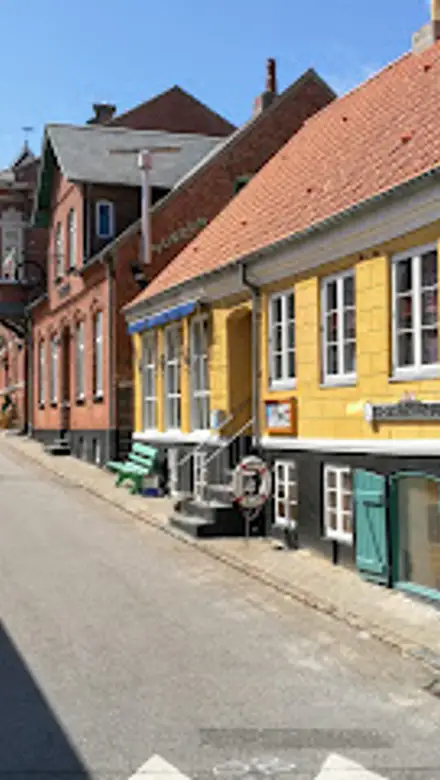
Marstal Søfartsmuseum Travel Guide
Free Guide: A harbour-side maze of ship models, full-scale interiors and sea stories tracing Marstal’s rise from island port to major Danish maritime town.


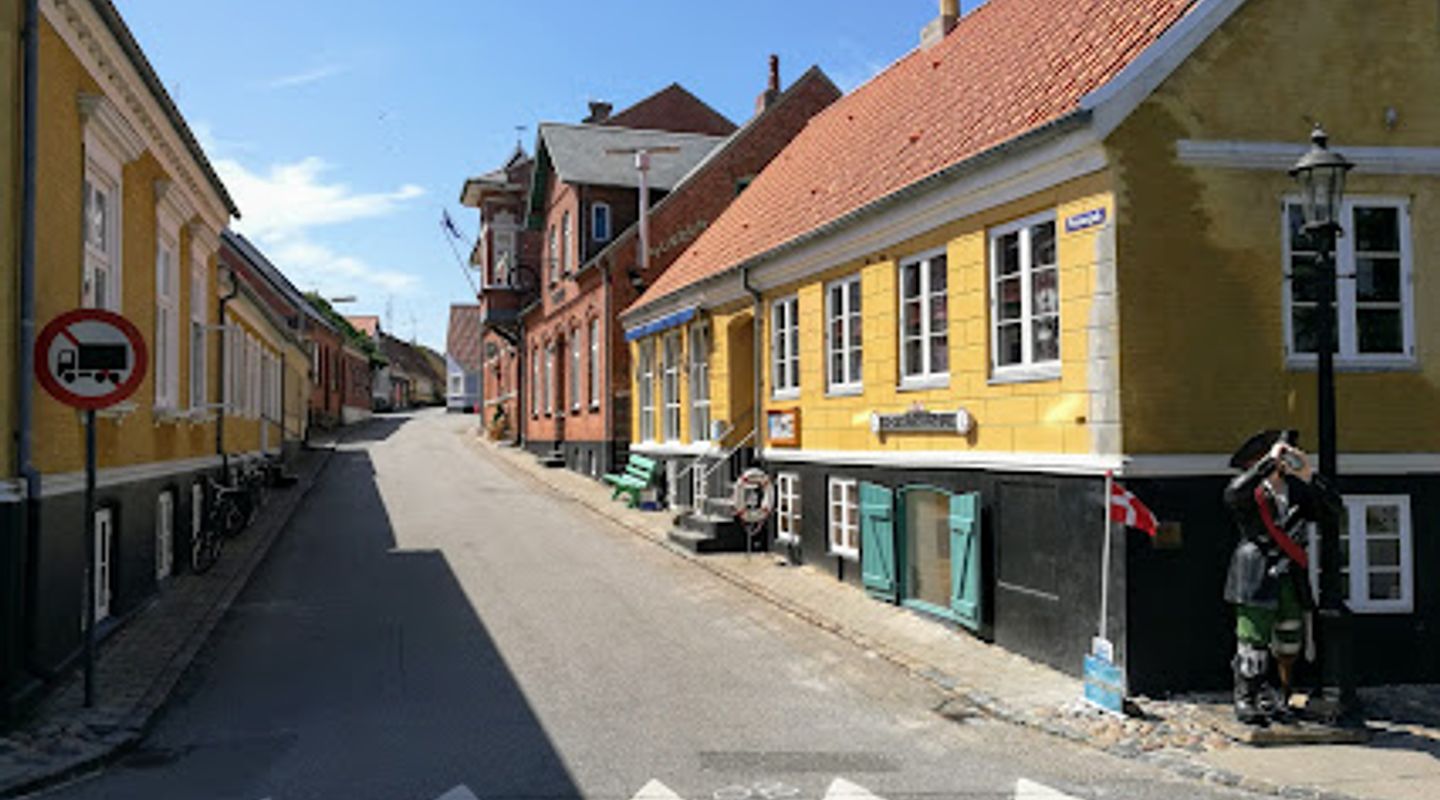
A brief summary of Marstal Søfartsmuseum
A harbour-side maze of ship models, full-scale interiors and sea stories tracing Marstal’s rise from island port to major Danish maritime town.
Marstal Søfartsmuseum on the island of Ærø is a richly packed maritime museum spread across several buildings near Marstal’s harbour. Over 37 exhibition rooms and around 1,500 m² tell the story of Danish seafaring from the 1600s to today, with more than 300 model ships, ship portraits, navigation gear and curiosities brought home from the seven seas. Full-scale ship interiors, a museum harbour with historic vessels and an engaging playground make it as compelling for families as for serious maritime buffs.
On-site amenities
 Restrooms
 Seating areas
 Sheltered areas
 Trash bins
 Information boards
Opening hours
- Every day9 am–5 pm
Opening hours as listed on the venue’s Google Business Profile. Hours can change for services and special events, so check with the venue before you go.
- Address
- Prinsensgade 1, 5960 Marstal
- Phone
- Website
Getting there
Ferry and bus from Svendborg on Funen
Ferry directly to Marstal from Rudkøbing (seasonal)
Cycling across Ærø from Ærøskøbing
On-foot approach within Marstal
Discover more about Marstal Søfartsmuseum
Harbour town museum with salt in its veins
Marstal Søfartsmuseum sits just behind the harbour of Marstal on Ærø, a town whose fortunes were long tied to wooden hulls and canvas sails. Step inside and you move through more than three centuries of Danish maritime history, from fragile early sailing ships to steel coasters and modern cargo vessels. The museum occupies several former harbour-side buildings, and that closeness to the water gives everything here a lived-in, authentic feel.Across its roughly 1,500 m², the museum is arranged as a journey rather than a single hall of display cases. Narrow corridors open into surprisingly large rooms, creaking floorboards remind you that seafarers once walked similar planks, and glimpses of masts and rigging outside the windows keep you aware of the real port just beyond the walls.
Stories of ships, sailors and the town of Marstal
The core story told here is how a small town fielded hundreds of ships and thousands of sailors who ranged across the globe. Exhibits explain how 1400 local seafarers, eight shipyards and multiple navigation schools turned Marstal into a maritime powerhouse, with panels and objects showing the town’s fleet at its peak and how that fleet evolved with changing technology.Large wall charts and ship portraits trace typical routes to the Baltic, North Atlantic and distant oceans, while sea chests, logbooks and personal effects put names and faces to otherwise anonymous crews. Themes range from everyday life at sea and harsh working conditions to navigation, storms and shipwrecks, giving a rounded picture of both pride and peril.
Ship models, curiosities and full-scale interiors
One of the museum’s great strengths is the sheer density of objects. There are more than 300 ship models and well over 200 detailed miniatures, ranging from tiny bottled ships to large, intricate reproductions of local vessels. Many are faithful copies of actual Marstal ships, allowing you to compare hull shapes and rigging styles over time.Curiosities from far-flung ports fill cabinets: exotic carvings, souvenirs from the tropics and even a shrunken head that appears in a noted Danish maritime novel. Several rooms are built as life-sized ship interiors, including a 1950s coaster wheelhouse where you can try the helm while engine sounds rumble, and a recreated saloon where officers once took their meals. These immersive spaces help bridge the gap between museum object and working vessel.
Art, archives and the wider maritime heritage
Beyond objects and models, the museum also holds an important art and archival collection. Paintings by marine artist J. E. C. Rasmussen capture changing light and weather over the sea, from glassy calms to storm-dark horizons, complementing the more technical exhibits with a sense of mood and atmosphere.In an administration building, a regional and maritime archive preserves maps, photographs and documents relating both to Marstal and to Danish shipping more generally. Researchers and enthusiasts can delve deeper here into ship histories, family stories or the development of local shipyards, underscoring the museum’s role as a guardian of coastal cultural heritage.
Outdoor harbour atmosphere and historic vessels
The museum extends beyond its walls into an adjoining harbour area. Here you can see a small fleet of historic vessels moored by the quay, including traditional local craft that once carried cargo in these waters. The outdoor area invites you to sit with a snack or picnic and watch life in the port, with occasional activity at nearby slipways and yards.A separate building, Motorfabrikken Marstal, houses a collection of locally built ship engines. On some days the heavy machinery is started up, filling the space with the slow thud of pistons and the oily smell of diesel that defined working ships for decades. This mechanical side of maritime culture offers a striking contrast to the romance of sails and wooden decks.
Hands-on experiences and family-friendly touches
Marstal Søfartsmuseum is particularly well suited to mixed-age groups. Children can climb simple rigging, crawl into hatches, steer in mock wheelhouses and explore the playground centred on the retired coaster MS Martha in the museum yard. Activity books and task-based trails turn exhibits into informal learning stations.These interactive elements, combined with plentiful seating and clear signage, help keep visits relaxed even when the subject matter is technical. Whether you skim the highlights in an hour or work carefully through room after room, the museum offers a vivid, layered introduction to the maritime world that shaped Ærø and much of Denmark.
Evendo Review Centre
 Google
Guest reviews
Best time to go
Quietest: Jan, Feb & Nov · before 7am or from 7pm
Busy times are Evendo estimates for a typical year, to help you plan. Actual crowds vary with events, school holidays and the weather.
Explore Marstal Søfartsmuseum on the map
A handpicked selection of must-see spots near Marstal Søfartsmuseum, mapped for you.
Get your free copy of our complete guide to Marstal Søfartsmuseum, delivered straight to you.
Everything on this page, from opening hours and how to get there to Eve’s tips and the best time to go, in one PDF you can read offline, print or share.
Already have an account? Sign in
Your Marstal Søfartsmuseum guide is ready.
We'll send it to · Not you? Sign out

Getting your guide ready…
We are putting together a fresh copy of the Marstal Søfartsmuseum guide. This can take up to a minute.
This can take a few moments. If your browser asks, choose Allow so the download can start. You'll find the guide in your Downloads folder.
Nothing happened? Download it again
Sorry, the guide is taking longer than usual. Please try again in a minute, or get it by email instead.
Other nearby places you may find interesting
The closest places of the same kind, if this one is not quite what you had in mind.
-
-
-
-
-


Swipe for more places
More to explore near Marstal Søfartsmuseum

 Best experiences near Marstal Søfartsmuseum
 Best hotels near Marstal Søfartsmuseum
 Best landmarks near Marstal Søfartsmuseum
 Best attractions near Marstal Søfartsmuseum
 Best shops near Marstal Søfartsmuseum
 Best restaurants near Marstal Søfartsmuseum
 Best bars near Marstal Søfartsmuseum
Do you manage this location?
Take control to get all the benefits, like improved information, better appearance, and stronger visibility across AI-powered discovery.
Explore more
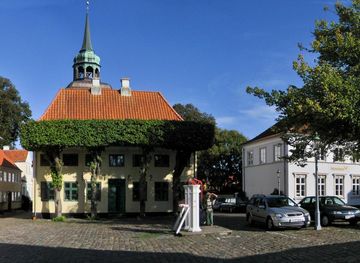
Explore more of Aero
Discover the tranquil beauty of Ærø, Denmark's charming island paradise with historic towns, scenic landscapes, and rich maritime heritage.
Explore Aero
Explore more of Denmark
Discover Denmark: A perfect blend of history, modern design, and the cozy concept of hygge. Explore vibrant cities, serene landscapes, and world-class cuisine.
Explore Denmark