

Free Aero Travel Guide & Mobile App
Explore Aero with free travel guides. Discover regional history, expert tips, proposed trips, and audio guides on web or mobile app.


Discover the tranquil beauty of Ærø, Denmark's charming island paradise with historic towns, scenic landscapes, and rich maritime heritage.
Read more about Aero
When is the best time to visit Aero?
Best: June–August · 18–21°C| Month | High (°C) | Rainfall (mm) |
|---|---|---|
| January | 3 | 45 |
| February | 3 | 35 |
| March | 6 | 40 |
| April | 10 | 35 |
| May | 15 | 40 |
| June (best) | 18 | 45 |
| July (best) | 21 | 55 |
| August (best) | 20 | 50 |
| September | 18 | 50 |
| October | 12 | 45 |
| November | 7 | 50 |
| December | 5 | 55 |
Getting to and around Aero
How to get there
Transportation
Destinations in Aero
Resorts, valleys and scenic spots worth a trip of their own.

Swipe for more destinations
Best attractions in Aero
Aero, an enchanting island in Denmark, offers visitors a captivating blend of history, natural beauty, and charming Danish culture. Wander through the cobblestone streets of Ærøskøbing, a picturesque village with well-preserved 18th-century houses, and feel as though you've stepped back in time. Explore the scenic coastal landscapes, where dramatic cliffs meet serene beaches, perfect for a leisurely bike ride or a tranquil walk. Visit the Marstal Maritime Museum to delve into the island's rich seafaring heritage, and don't miss Voderup Klint, a striking geological formation offering panoramic views of the Baltic Sea. With its quaint harbors, historic windmills, and vibrant local artisans, Aero promises an unforgettable experience for every traveler.
-
Observatory
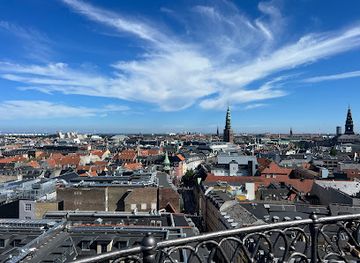
The Round Tower
Copenhagen’s 17th‑century spiral tower where science, skyline views and cultural life meet above the cobbled streets of the old town.
-
Castle
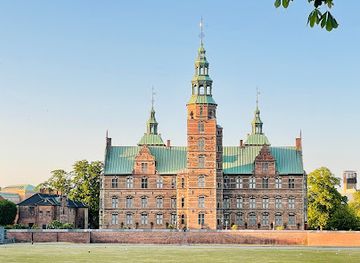
Rosenborg Castle
Christian IV’s fairy‑tale city castle, where intimate royal chambers, the glittering Crown Jewels and formal gardens compress 400 years of Danish history into a compact Copenhagen landmark.
-
Castle
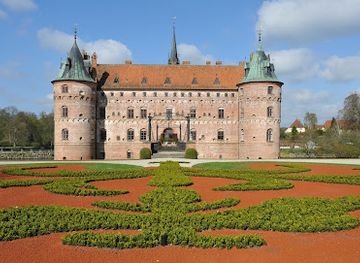
Egeskov Castle
A storybook Renaissance water castle on Funen, wrapped in historic gardens, playful museums and a full day of family-friendly adventure.
-
Tourist attraction
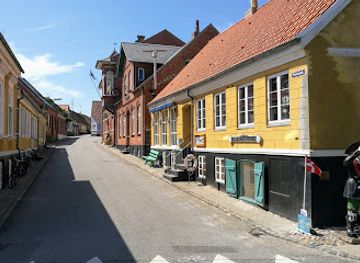
Marstal Søfartsmuseum
A harbour-side maze of ship models, full-scale interiors and sea stories tracing Marstal’s rise from island port to major Danish maritime town.
Best landmarks in Aero
Aero, Denmark, is a captivating blend of picturesque landscapes and rich history, offering visitors a chance to step back in time amidst its cobblestone streets and colorful 18th-century houses in Ærøskøbing, often referred to as Denmark's fairy-tale town. Wander through the Maritime Museum in Marstal to uncover the island's seafaring legacy, or bask in the serene beauty of Voderup Klint's dramatic cliffs. The old-world charm of the Rise Church, with its medieval frescoes, and the enchanting Ærø Lighthouse, providing panoramic views of the Baltic Sea, make for unforgettable experiences. The island's pristine beaches, quaint harbors, and the unique Bottle Peter Museum add to the allure, ensuring a multifaceted adventure for every traveler.
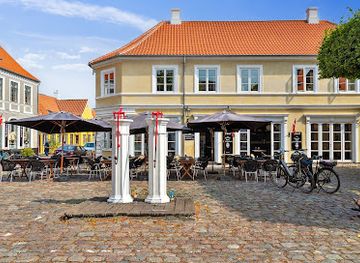
Explore Aero on the map
Plan your trip on one map. See where the top cities, national parks and sights are, and book hotels and experiences in a few clicks.
Best hotels in Aero
Best restaurants in Aero
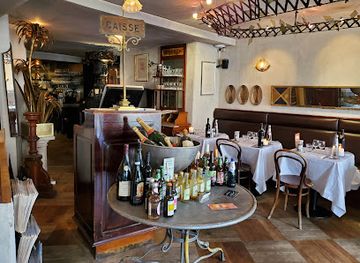
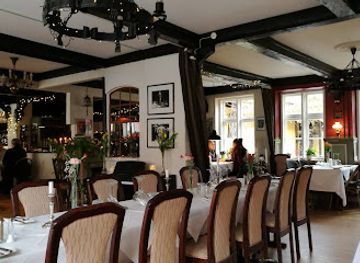
The island of Aero in Denmark boasts a diverse and captivating dining scene that seamlessly blends traditional Danish flavors with modern culinary innovation. Visitors can indulge in fresh, locally-sourced seafood at charming harborside bistros, where the catch of the day might include succulent oysters or tender smoked fish. Quaint cafes nestled in cobblestone streets offer delectable pastries and artisanal cheeses, perfect for a leisurely breakfast or afternoon treat. For those seeking a more refined experience, elegant restaurants provide gourmet dishes crafted with seasonal ingredients, often accompanied by fine Danish wines or craft beers. The farm-to-table movement is alive and well here, with several establishments featuring menus that highlight organic produce from the island's fertile lands. Whether you're enjoying a casual meal with a view of the Baltic Sea or savoring a meticulously prepared dinner in a historic inn, Aero's dining options are sure to delight and surprise even the most discerning palates.
-
Restaurant
Skipperkroen
Harbourfront smørrebrød and seafood in an 18th‑century Nyhavn house, pairing classic Danish flavours with canal views from cosy rooms and a lively terrace.
-
Seafood
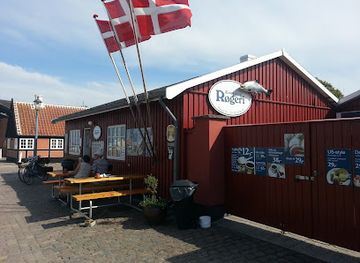
Ærøskøbing Røgeri
Harbourfront smokehouse and café in Ærøskøbing serving freshly smoked Danish fish, easygoing courtyard meals and travel-ready seafood straight from the smoker.
-
Restaurant
Restaurant MUMM
Cosy island restaurant in Ærøskøbing’s old town, known for generous steaks, local seasonal fish and thoughtful vegetarian dishes in a warm, candlelit setting.
-
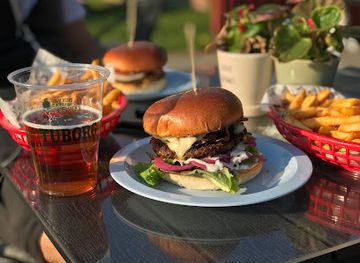
Hamburger
Sønderrendens Perle/Burger House Marstal
Casual harbourfront burger joint in Marstal serving hearty comfort food and ice cream just steps from the water, ideal for an easy seaside meal on Ærø.
Best bars in Aero
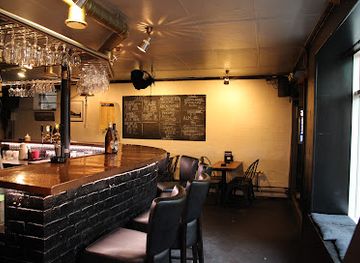
Aero's nightlife is a delightful blend of cozy charm and vibrant local culture, offering something truly unique for visitors. In the heart of Ærøskøbing, the island's picturesque main town, you'll find quaint pubs and bars where you can sip on craft beers and locally-produced schnapps while mingling with friendly locals. For a more dynamic experience, head to Marstal, where live music venues and dance floors come alive with the sounds of folk, jazz, and contemporary tunes, often featuring talented local musicians. Whether you're looking to relax with a quiet drink under the stars or dance the night away, Aero's nightlife promises an unforgettable evening steeped in authentic Danish island hospitality.
-
Bar
Fatter Eskil ApS
Cosy live music bar on Aarhus’ Skolegade, mixing intimate concerts, mid‑priced drinks and a relaxed, unpolished atmosphere in the heart of the city’s nightlife.
-
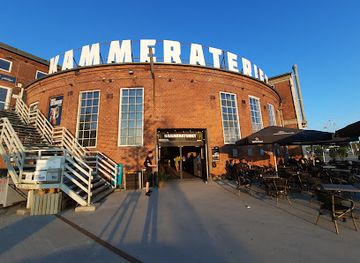
Bar
Spillestedet Kammerateriet
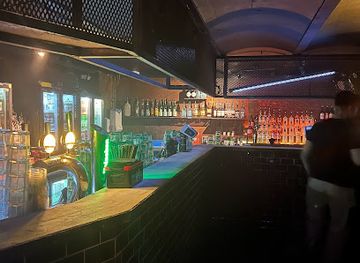
Industrial‑chic cocktail bar and music hangout breathing new life into a historic shipyard warehouse on Svendborg’s atmospheric harbor island Frederiksø.
-
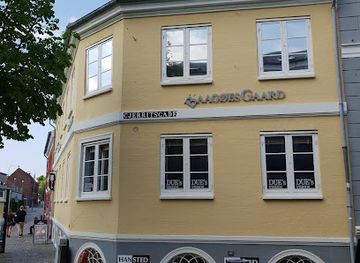
Bar
HANSTED
Lively neighborhood bar and intimate live music den on Svendborg’s Vestergade, pouring cold beers and late-night atmosphere in the heart of town.
-
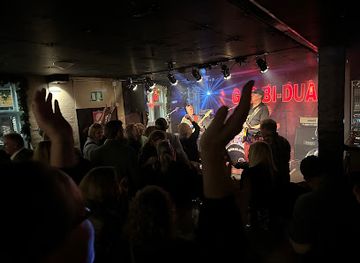
Live music bar
Rasmus
Live music bar in Svendborg's heart, where local talent and friendly vibes meet every weekend.
Best nightclubs in Aero
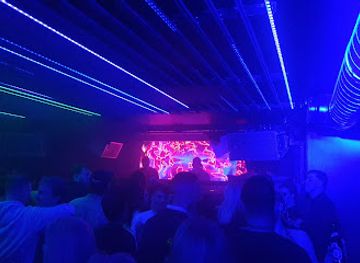
Aero's nightlife is a delightful blend of cozy charm and vibrant local culture, offering something truly unique for visitors. In the heart of Ærøskøbing, the island's picturesque main town, you'll find quaint pubs and bars where you can sip on craft beers and locally-produced schnapps while mingling with friendly locals. For a more dynamic experience, head to Marstal, where live music venues and dance floors come alive with the sounds of folk, jazz, and contemporary tunes, often featuring talented local musicians. Whether you're looking to relax with a quiet drink under the stars or dance the night away, Aero's nightlife promises an unforgettable evening steeped in authentic Danish island hospitality.
-
Night club
Jolene Bar
Unpolished beats, late nights and laidback vibes in a former slaughterhouse at the heart of Copenhagen’s Meatpacking District.
-
Night club
Culture Box
Denmark's underground electronic music sanctuary where world-class sound systems meet two decades of uncompromising artistry.
-
Night club
Chateau Motel
Four stories of Copenhagen nightlife under one roof, blending high-energy dance floors, lounges and late-night cocktails in the heart of the old town.
-
Night club
Module
Compact Copenhagen nightclub at the edge of Vesterbro and Indre By, known for late-night DJ-driven dance floors and an intimate, underground-style atmosphere.


Best shops in Aero
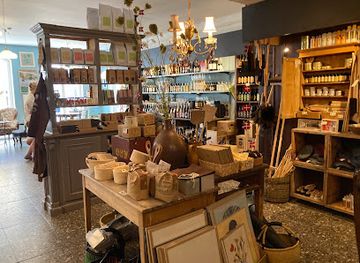
The shopping scene in Aero, Denmark, is a charming blend of quaint boutiques, artisanal shops, and local markets that reflect the island's rich maritime history and vibrant culture. Visitors can stroll through cobblestone streets lined with colorful, half-timbered houses, discovering unique handcrafted goods, vintage treasures, and locally produced delicacies. From intricate ceramics and handmade jewelry to gourmet chocolates and organic skincare products, Aero's shops offer a delightful array of souvenirs and gifts that capture the essence of this picturesque island. Additionally, the island's commitment to sustainability is evident in the numerous eco-friendly shops that promote local craftsmanship and environmentally conscious products, making every purchase a feel-good experience.
-
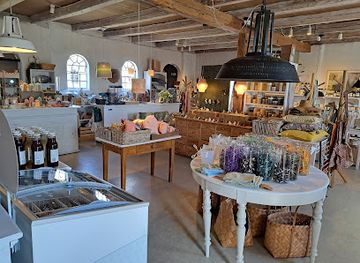
Grocery store
Den Gamle Købmandsgaard
Historic merchant’s court on Ærø’s main square, combining deli, café and local crafts to showcase the flavours and craftsmanship of the South Fyn Archipelago.
-
Store
Blåbær Gårdbutik
Artisanal farmshop celebrating sustainable living, handcrafted goods, and Danish island charm.
-
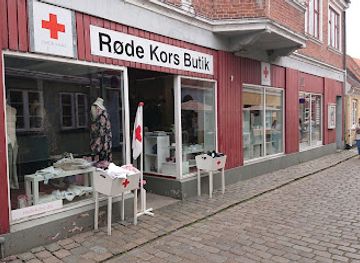
Second hand store
Red Cross Op Shop
Compact Red Cross thrift shop in Ærøskøbing’s cobbled Vestergade, offering second-hand clothing and small treasures that turn bargain hunting into humanitarian support.
-
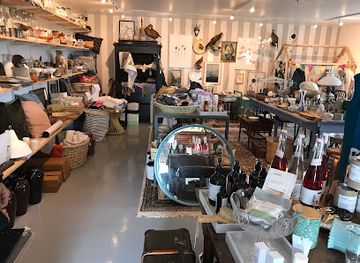
Home goods store
Herremark
A cosy white cottage near Søby where curated vintage finds and locally crafted Danish homewares capture the quiet, rural charm of Ærø in every corner.
Get your free copy of our complete guide to Aero, delivered straight to you.
Everything on this page, from attractions and restaurants to essentials and local phrases, in one PDF you can read offline, print or share.
Already have an account? Sign in
Your Aero guide is ready.
We'll send it to · Not you? Sign out

Getting your guide ready…
We are putting together a fresh copy of the Aero guide. This can take up to a minute.
This can take a few moments. If your browser asks, choose Allow so the download can start. You'll find the guide in your Downloads folder.
Nothing happened? Download it again
Sorry, the guide is taking longer than usual. Please try again in a minute, or get it by email instead.
Aero essentials
Currency and Payment
Safety
Emergency Situations
Do's and Don'ts
Local Tips
From Eve
Local phrases worth knowing
You don't need to get them perfect. A few words go a long way, and locals appreciate the effort.
Basics
| English | Local | Say it |
|---|---|---|
| Hello | Hej | [Hay] |
| Goodbye | Farvel | [Fahr-vel] |
| Yes | Ja | [Yah] |
| No | Nej | [Nay] |
| Please/You're welcome | Please/Vær så god | [Pleez/Vair soh gohd] |
| Thank you | Tak | [Tahk] |
| Excuse me/Sorry | Undskyld | [Oon-skuld] |
| How are you? | Hvordan har du det? | [Vor-dan har doo deh?] |
| Fine. And you? | Fint. Og dig? | [Feent. Oh die?] |
| Do you speak English? | Taler du engelsk? | [Tah-ler doo eng-elsk?] |
| I don't understand | Jeg forstår ikke | [Yai for-stor ik-ke] |
Eating & Drinking
| English | Local | Say it |
|---|---|---|
| I'd like to see the menu, please | Jeg vil gerne se menuen, tak | [Yai vil gair-ne seh meh-nu-en, tahk] |
| I don't eat meat | Jeg spiser ikke kød | [Yai spee-ser ik-ke kuhth] |
| Cheers! | Skål! | [Skohl] |
| I would like to pay, please | Jeg vil gerne betale, tak | [Yai vil gair-ne beh-tah-leh, tahk] |
Emergencies
| English | Local | Say it |
|---|---|---|
| Help! | Hjælp! | [Yelp] |
| Go away! | Gå væk! | [Gaw vek] |
| Call the Police! | Ring til politiet! | [Rang til po-li-teet] |
| Call a doctor! | Ring efter en læge! | [Rang ef-ter en leh-yeh] |
| I'm lost | Jeg er faret vild | [Yai air fah-ret vil] |
| I'm ill | Jeg er syg | [Yai air soo-ee] |
Shopping
| English | Local | Say it |
|---|---|---|
| I'd like to buy... | Jeg vil gerne købe... | [Yai vil gair-ne ker-beh...] |
| I'm just looking | Jeg kigger bare | [Yai kee-ger bar-eh] |
| How much is it? | Hvor meget koster det? | [Vor mai-eth kohs-ter deh?] |
| That's too expensive | Det er for dyrt | [Deh air for dyirt] |
| Can you lower the price? | Kan du sænke prisen? | [Kan doo sen-keh pree-sen?] |
Time & Numbers
| English | Local | Say it |
|---|---|---|
| What time is it? | Hvad tid er det? | [Vadh tid air deh?] |
| It's one o'clock | Klokken er et | [Kloh-ken air et] |
| Half past (10) | Halv (10) | [Halv (10)] |
| Morning | Morgen | [Mor-en] |
| Afternoon | Eftermiddag | [Ef-ter-mi-dahg] |
| Evening | Aften | [Ahf-ten] |
| Yesterday | I går | [Ee gor] |
| Today | I dag | [Ee dahg] |
| Tomorrow | I morgen | [Ee mor-en] |
| 1 | 1 | [1] |
| 2 | 2 | [2] |
| 3 | 3 | [3] |
| 4 | 4 | [4] |
| 5 | 5 | [5] |
| 6 | 6 | [6] |
| 7 | 7 | [7] |
| 8 | 8 | [8] |
| 9 | 9 | [9] |
| 10 | 10 | [10] |
Transport & Directions
| English | Local | Say it |
|---|---|---|
| Where's a/the...? | Hvor er en/den...? | [Vor air en/den...?] |
| What's the address? | Hvad er adressen? | [Vadh air a-dres-en?] |
| Can you show me (on the map)? | Kan du vise mig (på kortet)? | [Kan doo vee-seh mai (po kort-et)?] |
| When's the next (bus)? | Hvornår går den næste (bus)? | [Vor-nor gor den nes-te (bus)?] |
| A ticket (to ....) | En billet (til ....) | [En bi-let (til ....)] |
History of Aero
Viking Roots
Aero's history stretches back to the Viking Age, with archaeological evidence indicating that the island was inhabited by Viking settlers. The island's strategic location in the Baltic Sea made it an important site for trade and travel during this period. Artifacts such as tools, weapons, and jewelry have been uncovered, shedding light on the daily lives and customs of its early inhabitants.
Medieval Maritime Significance
During the medieval period, Aero became an essential maritime hub. The island's natural harbors facilitated trade and commerce throughout the region. Aero's towns, particularly Aeroskobing, thrived as bustling centers of shipbuilding and maritime trade. The remnants of medieval fortifications and buildings can still be seen today, bearing witness to this prosperous era.
The Danish-Swedish Wars
Aero played a significant role during the Danish-Swedish Wars in the 17th century. Its strategic position meant that it was frequently caught in the crossfire between the warring nations. The island's fortifications were bolstered, and its residents endured numerous invasions and occupations. This period of conflict left a lasting impact on the island's architecture and fortifications.
The Age of Sail
The 18th and 19th centuries marked the golden age of sailing for Aero. The island became renowned for its shipbuilding industry, producing some of the finest wooden ships of the time. This era brought wealth and prosperity to Aero, evident in the well-preserved merchant houses and maritime architecture found in towns like Marstal and Aeroskobing. Marstal, in particular, emerged as a significant maritime center, with a large fleet of ships trading globally.
World War II and Occupation
During World War II, Aero was occupied by German forces. The island's strategic location once again made it a focal point during the conflict. Although Aero did not witness major battles, the presence of German troops and the fortifications they established affected the daily lives of its residents. Post-war, these fortifications have been repurposed and serve as historical sites and museums.
Modern Cultural Renaissance
In recent decades, Aero has experienced a cultural renaissance. The island has become a popular destination for tourists seeking a blend of history, culture, and natural beauty. Efforts to preserve its historical architecture and promote its maritime heritage have been successful, attracting visitors from around the world. Festivals, museums, and cultural events celebrate Aero's rich history, ensuring that its legacy continues to thrive.
Aero in Photos
Browse through our photo collection highlighting the charm and character of the destination.
Neighbouring regions of Aero
The closest regions to Aero, if you have time for more than one.
-
 The South Funen Archipelago
Discover the South Funen Archipelago: A tranquil haven of over 55 islands with lush landscapes, serene beaches, and rich cultural heritage in the Baltic Sea.
The South Funen Archipelago
Discover the South Funen Archipelago: A tranquil haven of over 55 islands with lush landscapes, serene beaches, and rich cultural heritage in the Baltic Sea.
-
 Langeland
Discover Langeland: Denmark's idyllic island retreat with scenic landscapes, rich history, and vibrant culture. Perfect for nature lovers, history buffs, and festival goers.
Langeland
Discover Langeland: Denmark's idyllic island retreat with scenic landscapes, rich history, and vibrant culture. Perfect for nature lovers, history buffs, and festival goers.
-
 Funen
Discover Funen, Denmark's lush island treasure, where fairy tales come to life amidst scenic landscapes, historic castles, and vibrant cultural heritage.
Funen
Discover Funen, Denmark's lush island treasure, where fairy tales come to life amidst scenic landscapes, historic castles, and vibrant cultural heritage.
-
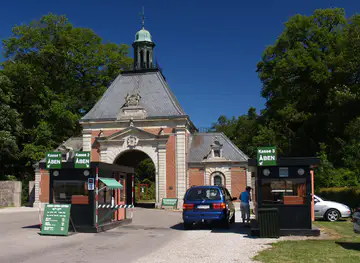 Lolland
Discover Lolland, Denmark's tranquil island retreat, offering lush landscapes, historic sites, and delightful local cuisine for an unforgettable escape.
Lolland
Discover Lolland, Denmark's tranquil island retreat, offering lush landscapes, historic sites, and delightful local cuisine for an unforgettable escape.
-
 South Jutland
Discover the beauty and charm of South Jutland, Denmark's southern treasure, with its rich history, stunning landscapes, and delightful local cuisine.
South Jutland
Discover the beauty and charm of South Jutland, Denmark's southern treasure, with its rich history, stunning landscapes, and delightful local cuisine.
Swipe for more regions

