Randers Regnskov, Central Jutland Travel Guide
A steamy slice of rainforest and time‑traveling Danish nature, where glass domes, jaguars, snakes and sloths bring the tropics to the heart of Randers.
Randers Regnskov is Denmark’s immersive tropical zoo, where three giant glass domes recreate the rainforests of South America, Africa and Asia right on the banks of the Gudenå in Randers. Stepping inside, you move through hot, humid jungle alive with free-roaming monkeys, sloths, iguanas, manatees and countless birds and insects. Beyond the domes, outdoor zones like the jaguar enclosure and the time‑travel themed Tidsrejsen landscape add big‑cat drama, Ice Age stories and hands‑on farm fun for all ages, all year round.
A brief summary to Randers Regnskov
- Tørvebryggen 11, Randers C, Randers C, 8900, DK
- Click to display
- Click to display
- Duration: 3 to 6 hours
- Mid ranged
-
 Mixed
Mixed
- Mobile reception: 5 out of 5
- Monday 10 am-4 pm
- Tuesday 10 am-4 pm
- Wednesday 10 am-4 pm
- Thursday 10 am-4 pm
- Friday 10 am-4 pm
- Saturday 10 am-5 pm
- Sunday 10 am-5 pm

Know before you go
Hi, I'm Eve. Here are a few practical things to know before exploring Randers Regnskov.
- Plan at least 3–4 hours to explore all three domes plus the outdoor jaguar area and Tidsrejsen; the experience feels rushed with less time.
- The domes are hot and humid year‑round; dress in layers and consider bringing a small backpack for stowing extra clothing once inside.
- Check feeding times and animal demonstrations in advance and build your route around a few key talks, especially for jaguars, lynx and snakes.
- Weekends, holidays and school breaks can be busy; arriving in the late afternoon often means fewer people and calmer paths in the domes.
- Some paths and platforms can be damp and slightly steep; wear comfortable, non‑slip shoes suitable for warm, moist conditions.
Do you manage this location?
Take control to get all the benefits, like improved information, better appearance, and stronger visibility across AI-powered discovery. Learn more about listing your business on Evendo
Activate your presenceOther nearby places you may find interesting
The closest places of the same kind, if this one is not quite what you had in mind.
Explore Randers Regnskov on the Map
A handpicked selection of must-see spots near Randers Regnskov, mapped for you.
Getting There
-
Train and short walk from Randers Station
From Randers Station, Randers Regnskov is reachable on foot in around 15–20 minutes via level urban streets and riverside paths, suitable for most visitors and strollers. Regional trains connect Randers with Aarhus in about 35–45 minutes and Aalborg in roughly 45–60 minutes, with standard second‑class adult tickets typically ranging from 80–130 DKK one way depending on time and discounts. Trains run frequently during the day, but late‑evening services are less regular, so check return times if you plan to stay until closing.
-
Bus from Aarhus to Randers city centre
Intercity buses run between Aarhus and Randers, taking roughly 45–60 minutes depending on route and traffic. Single adult fares generally fall in the 60–100 DKK range. Most services terminate near Randers city centre, from where you can walk to Randers Regnskov in about 10–20 minutes on paved, mostly flat streets. Buses run year‑round, but frequencies are lower in the evenings and on some weekends, so it is wise to time your departure with the zoo’s opening hours.
-
Car from Aarhus or Aalborg
Driving from Aarhus or Aalborg to Randers Regnskov via the E45 motorway usually takes 30–45 minutes from Aarhus and 50–70 minutes from Aalborg in normal conditions. The attraction is signposted from the Randers approach roads and located in the central harbor area. Several car parks with around 1000 spaces lie within a few hundred metres of the entrance; at least two are free all year, while another may charge a daily or hourly fee in busier periods, typically in the 10–20 DKK per hour range. Disabled parking is available close to the entrance, but spaces can fill during peak holiday periods.
-
Cycling within Randers
For visitors already staying in Randers, cycling to Randers Regnskov is an easy option, usually taking 10–25 minutes from most residential districts. The route commonly follows urban streets and, in some sections, riverside bike paths. The terrain is mostly gentle, though short inclines are possible near the centre. Basic city bikes can often be rented locally for approximately 80–150 DKK per day. Bike parking is available near the entrance, but spaces closest to the doors can become crowded on sunny weekends.
For the on-the-go comforts that matter to you
-
 Restrooms
-
 Drink Options
-
 Drinking Water
-
 Food Options
-
 Seating Areas
-
 Sheltered Areas
-
 Picnic Areas
-
 Trash Bins
-
 Information Boards
-
 Visitor Center
Discover more about Randers Regnskov
Glass Domes on the Riverbank
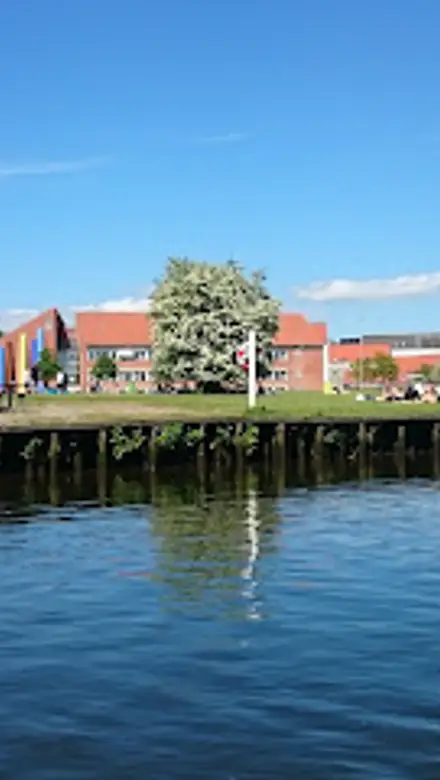
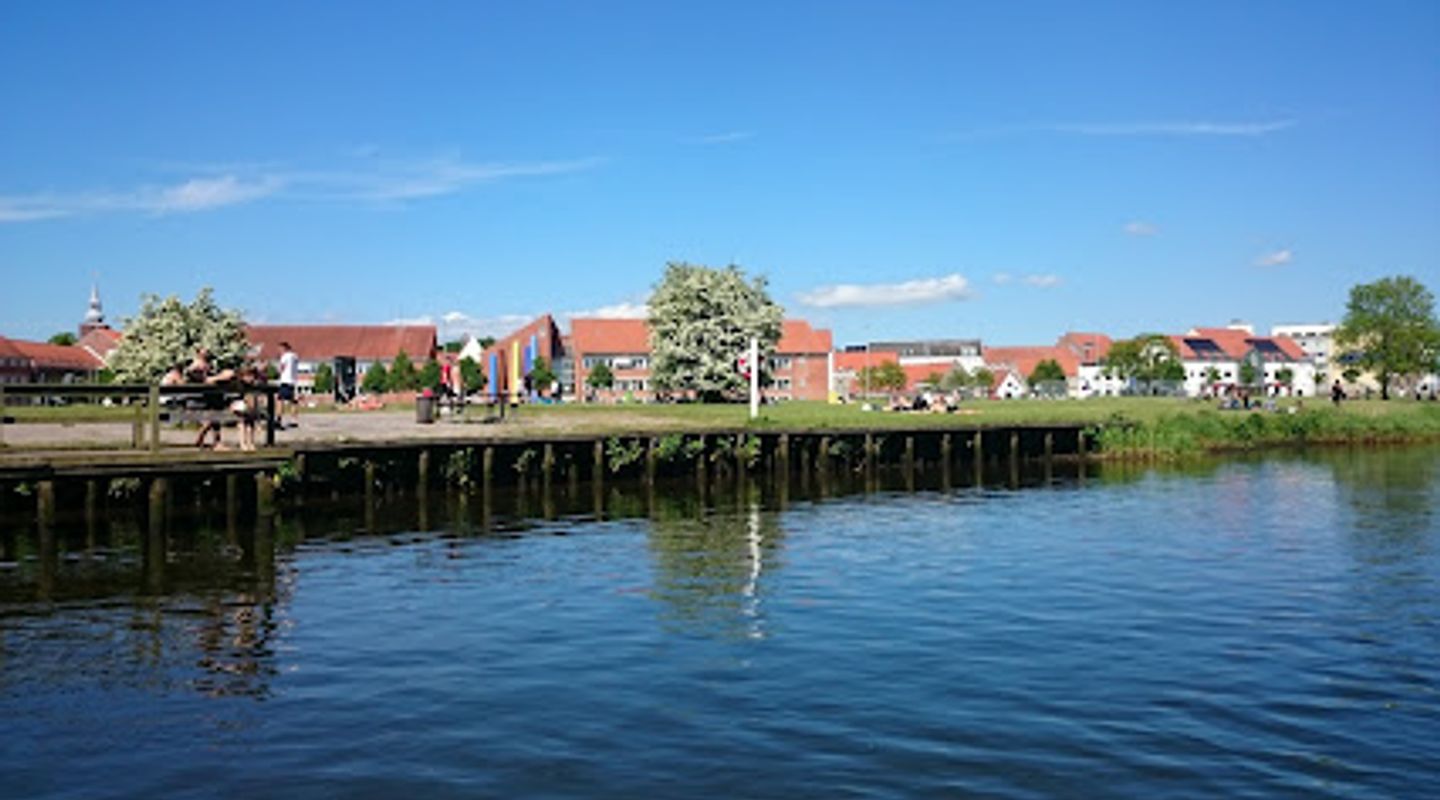
Randers Regnskov sits dramatically beside the Gudenå River, marked by three striking glass domes that rise above the old harbor area. Each dome houses a different continent, and as you move between them you effectively cross the globe without leaving Randers. The air, light and vegetation change subtly from one climate zone to the next, creating the sense of walking into a living science experiment rather than a traditional zoo.Even before you enter, the setting feels unusual. The river, nearby bridges and industrial relics provide a rugged contrast to the lush greenery inside the domes. This urban edge makes the rainforest feel even more unexpected, almost like a secret tropical world hidden in plain sight within a Danish provincial town.Stepping into the Rainforest
Open the door to the first dome and you are immediately met with a wall of heat, humidity and sound. Pathways wind through dense foliage, under lianas and past waterfalls, while birds call overhead and the smell of damp earth and vegetation wraps around you. The paths are deliberately close to the action, so you often share the space with free-ranging monkeys, iguanas on branches, or butterflies drifting by at eye level.Look up and you may spot sloths resting in the canopy, bats tucked into dark corners or parrots streaking from tree to tree. At ground level, leafcutter ants march in long, determined lines, transporting green fragments back to their underground city. Pools and streams host manatees and turtles, and in some corners large Komodo dragons bask as if they were sunning themselves on an Indonesian island.Animals Up Close and Themed Zones
Beyond the domes, the experience spreads into a network of themed areas. The jaguar enclosure is a centerpiece: a lush, South American‑inspired habitat where Europe’s third‑largest big cat can be seen stalking, climbing or even plunging into its own pool. Nearby, smaller carnivores and primates occupy outdoor spaces that change with the Danish seasons, adding a different mood to the rainforest story.One of the most distinctive zones is the Snake Temple, where boa constrictors and other reptiles are displayed in a temple‑like setting. Here, keeper talks and snake classes often lift the curtain on snake myths, venom, and conservation. Throughout the park, scheduled feedings and demonstrations bring you close to everything from hyenas and lynx to coatis, porcupines and wolverines, turning the day into a sequence of short, focused encounters.Time Travel Through Danish Nature
A Journey Through Time, known locally as Tidsrejsen, leaves the tropics behind and jumps into Northern European prehistory. This large outdoor landscape traces Denmark from its geological birth through the Ice Ages and into the present day. You move through scenes that evoke Neanderthal camps, mammoth forests and ancient plains, complete with reconstructed shelters and dramatic skeletal forms.Further along, Stone Age‑inspired farm environments invite hands‑on interaction, with domestic animals that show how wildlife and humans gradually intertwined. A reconstructed dolmen pairs with a lynx enclosure, underlining how apex predators would once have shared space with early farmers. Wetland sections recall ancient sacrificial bogs, tying nature, myth and archaeology together in a single walk.Families, Seasons and Practical Rhythm
Randers Regnskov is designed with families and mixed‑age groups in mind. Trails in the domes are compact yet richly layered, allowing you to slow down to a toddler’s pace or follow the curiosity of older children without losing momentum. Many viewing platforms, bridges and hideaways are set at child‑friendly heights, making animal spotting a cooperative game rather than an adult‑led tour.Because most of the headline experiences are under glass, the zoo works in all seasons, from damp winter days to bright midsummer heat. Outdoor areas such as the jaguar pool, farm playground and Tidsrejsen add variety when the weather is pleasant but are easy to dip in and out of between dome visits. Cafés, picnic spots and indoor rest areas are scattered through the complex, giving natural breaks between sensory‑intense sections.Conservation Stories and Lasting Impressions
Woven through the displays are messages about habitat loss, biodiversity and the role of modern zoos in conservation. Exhibits highlight how rainforest destruction affects species like jaguars and manatees, and how breeding programs and research partnerships aim to safeguard them. Interpretive panels and talks often connect the distant tropics to everyday choices in Denmark, from food sourcing to energy use.By the time you step back out into the cooler Danish air, your clothes may be a little damp from the humidity and your senses pleasantly overloaded. The memory that lingers is less of individual enclosures and more of an immersive journey: from the steaming canopy of a South American forest to the quiet drama of a lynx by a prehistoric dolmen, all stitched together inside and around three shining domes on the Randers waterfront.












Your all‑in‑one travel companion app
Explore expert travel guides, compare and book tours, experiences, hotels, and more—all from the palm of your hand. Download now for seamless trip planning wherever your wanderlust takes you.


Explore More of Central Jutland
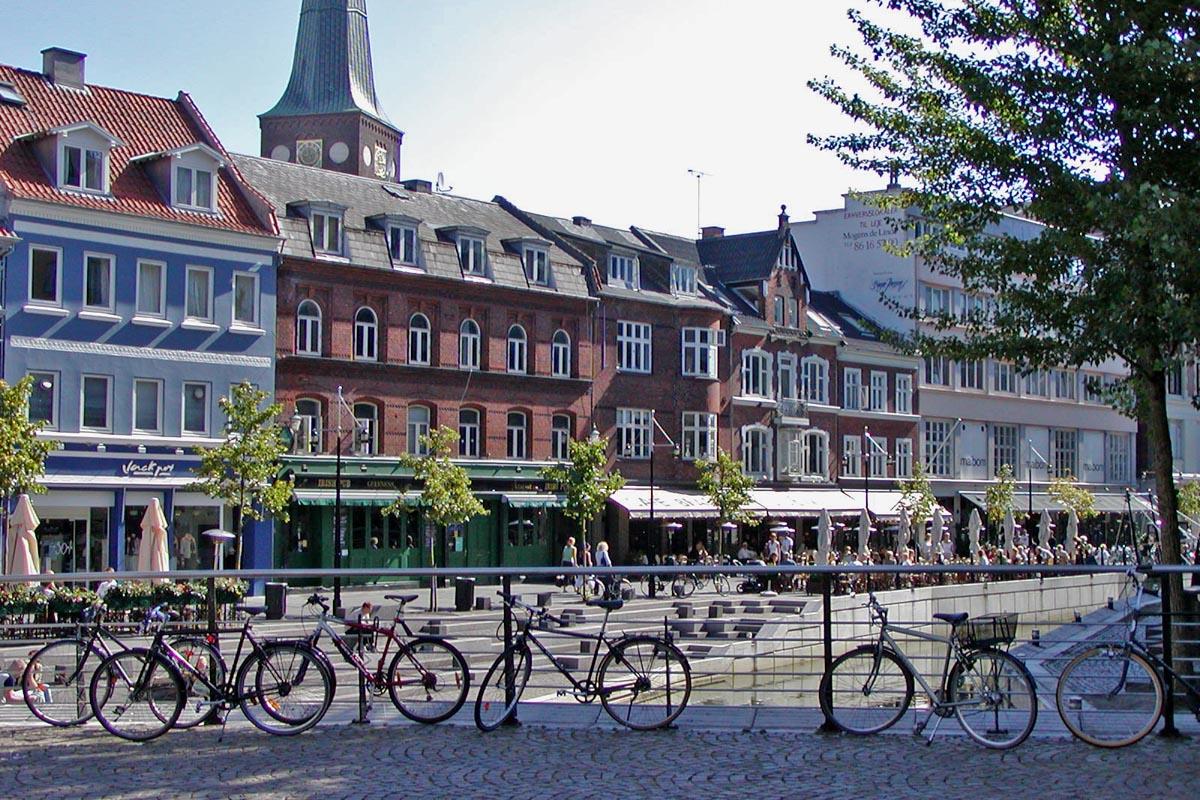
Looking beyond Randers Regnskov? Discover Central Jutland for broader travel guides, local hot-spots, and regional highlights.
Explore Central Jutland
A small, free museum in Randers Kloster, tracing more than a century of Danish FDF youth life through recreated rooms, camp scenes, uniforms and rich archives.
Step into a steamy rainforest of free‑ranging animals, roaring waterfalls and time‑travel landscapes at Randers Regnskov, Denmark’s immersive tropical zoo experience.