

Kulsvierstenen Travel Guide
Free Guide: A modest forest boulder in Gribskov that marks a dramatic World War II resistance firefight, blending North Zealand’s tranquil woodland with powerful memory.


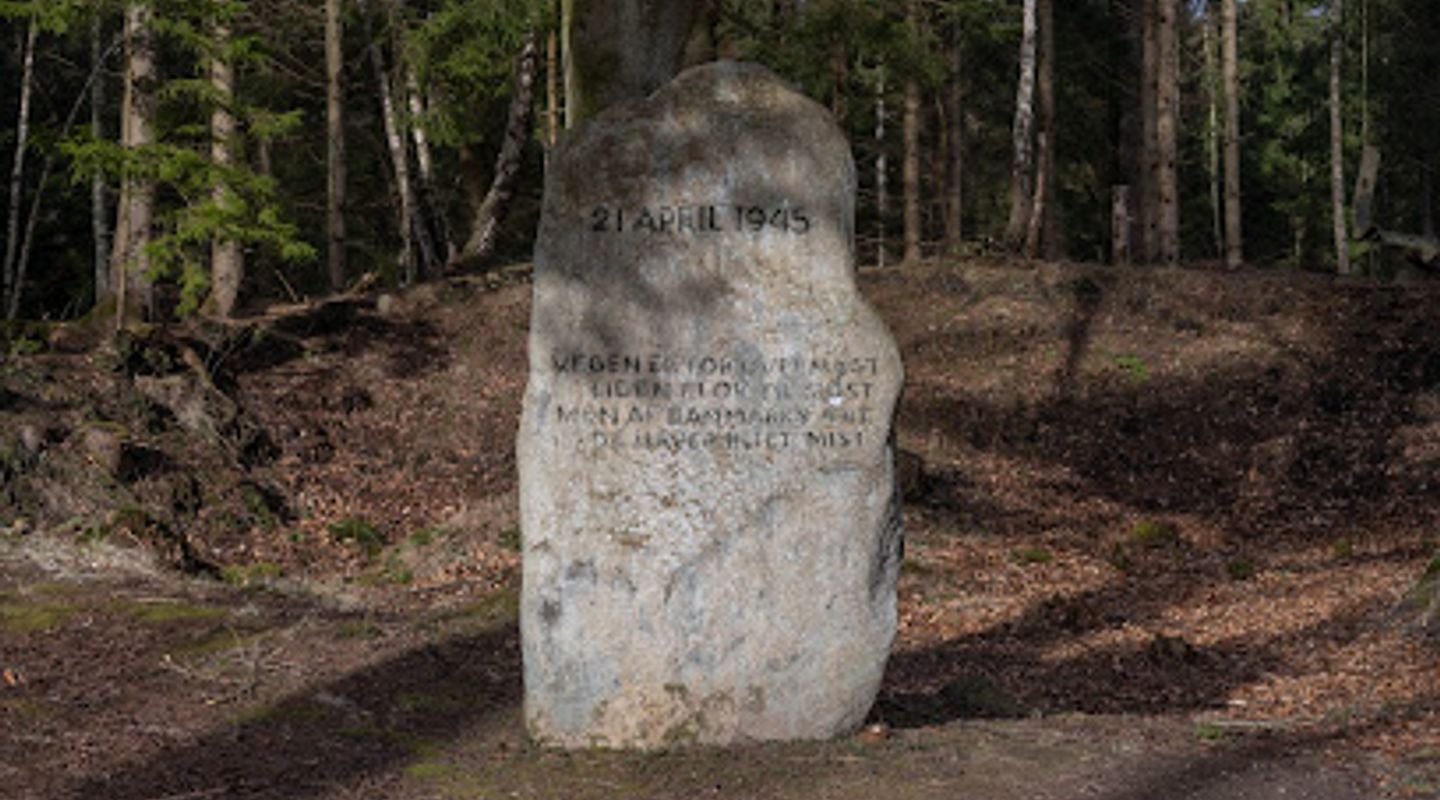
A brief summary of Kulsvierstenen
A modest forest boulder in Gribskov that marks a dramatic World War II resistance firefight, blending North Zealand’s tranquil woodland with powerful memory.
Tucked deep in Gribskov near Fredensborg, Kulsvierstenen is a modest yet powerful memorial stone raised in 1945 to honor Danish resistance fighters. On this secluded forest clearing, a resistance group received illegal weapons from Allied aircraft until a tragic firefight with German forces in April 1945. Today the boulder, flanked by tall trees and birdsong, offers a quiet, atmospheric pause on woodland trails and a poignant glimpse into North Zealand’s World War II history.
On-site amenities
 Information boards
 Picnic areas
 Trash bins
Opening hours
- Every dayOpen 24 hours
Opening hours as listed on the venue’s Google Business Profile. Hours can change for services and special events, so check with the venue before you go.
- Address
- 3480 Fredensborg
- Website
Getting there
Train and walk from Copenhagen or Helsingør
Car from North Zealand towns
Cycling from Fredensborg or Esrum area
Discover more about Kulsvierstenen
A quiet forest clearing with a heavy story
Kulsvierstenen sits in a small clearing in Gribskov, one of Zealand’s largest forests, not far from Fredensborg and the shores of Esrum Lake. At first glance it is just a rough, upright boulder in the woods, ringed by heather, moss and tall trunks. But this simple stone marks one of the forest’s most dramatic moments during World War II, turning an ordinary patch of woodland into a place of remembrance.Paths wind through beech and conifer before the forest suddenly opens and the memorial appears. The setting is intimate and still, with filtered light through the canopy and the muted sounds of twigs underfoot. It feels more like stumbling upon a hidden story than arriving at a formal monument.
Resistance, weapons drops and a fatal night in 1945
During the occupation, this part of Gribskov served as a clandestine reception site for Allied airdrops. A local resistance group used the clearing to receive weapons and supplies, which were then distributed to fighters in North Zealand and the Copenhagen area. For months, operations here remained secret, relying on darkness, coded signals and the cover of dense forest.In the night between 20 and 21 April 1945, German forces discovered the activity. A firefight broke out around the clearing, and several members of the resistance were killed or captured. In the immediate aftermath of the war, on 23 September 1945, Kulsvierstenen was raised to commemorate their courage and sacrifice at this site.
The memorial stone and its symbolism
Kulsvierstenen itself was brought here from the Strødam area and set upright near the existing Smørstenen boulder. It is a dark, glacial erratic rock, roughly shaped but clearly worked to stand as a marker. An inscription, including a verse by Danish poet Carl Ploug, links the stone to the wider narrative of a small nation standing up against overwhelming power.The name refers to the so‑called “Kulsvier” battalion, whose work receiving weapons in Gribskov was crucial to arming resistance groups. The stone’s stark simplicity reflects that role: no grand sculpture, just a solid block of ancient rock carrying a modern memory, blending almost seamlessly into its natural surroundings.
Part of a landscape layered with history
Kulsvierstenen is only one of several historic waypoints scattered through Gribskov. Nearby you find Smørstenen, another notable boulder, and further along the forest tracks lie avenues from the royal parforce hunting landscape and other memorial stones linked to Danish cultural figures. This concentration of stones and stories makes the area rewarding for anyone combining a walk with a sense of history.Because it lies directly on marked routes, Kulsvierstenen often becomes a reflective pause on longer hikes or rides. The forest’s birds, shifting light and earthy scents create a calm backdrop that stands in poignant contrast to the violence once played out here. The experience is less about grand ceremony and more about quiet contemplation.
Walking, reflection and simple comforts
A visit to Kulsvierstenen fits naturally into a broader exploration of Gribskov’s trails. You can easily combine the memorial with lakes, open clearings with grazing horses and the geometric network of parforce hunting roads that later became World Heritage landscape. Distances here can be adapted from short strolls to half‑day loops.Facilities are simple: the site itself has no buildings or services, but in the wider forest you will find information boards, picnic spots and occasional shelters or fire pits. Good footwear is advisable, especially after rain, when the forest floor can be muddy or slick with leaves. For those interested in Denmark’s twentieth‑century history, a stop at Kulsvierstenen adds human depth to a day out in one of North Zealand’s most atmospheric woodlands.
Evendo Review Centre
 Google
Guest reviews
Best time to go
Quietest: Jan, Feb & Mar · before 7am or at 7pm or at 8pm
Busy times are Evendo estimates for a typical year, to help you plan. Actual crowds vary with events, school holidays and the weather.
Explore Kulsvierstenen on the map
A handpicked selection of must-see spots near Kulsvierstenen, mapped for you.
Get your free copy of our complete guide to Kulsvierstenen, delivered straight to you.
Everything on this page, from opening hours and how to get there to Eve’s tips and the best time to go, in one PDF you can read offline, print or share.
Already have an account? Sign in
Your Kulsvierstenen guide is ready.
We'll send it to · Not you? Sign out

Getting your guide ready…
We are putting together a fresh copy of the Kulsvierstenen guide. This can take up to a minute.
This can take a few moments. If your browser asks, choose Allow so the download can start. You'll find the guide in your Downloads folder.
Nothing happened? Download it again
Sorry, the guide is taking longer than usual. Please try again in a minute, or get it by email instead.
Other nearby places you may find interesting
The closest places of the same kind, if this one is not quite what you had in mind.
-

-
-
-
-


Swipe for more places
More to explore near Kulsvierstenen

 Best experiences near Kulsvierstenen

 Best hotels near Kulsvierstenen

 Best landmarks near Kulsvierstenen

 Best attractions near Kulsvierstenen

 Best shops near Kulsvierstenen

 Best restaurants near Kulsvierstenen

 Best bars near Kulsvierstenen
Do you manage this location?
Take control to get all the benefits, like improved information, better appearance, and stronger visibility across AI-powered discovery.
Explore more
Explore more of Copenhagen Region
Discover the Copenhagen Region: A perfect mix of historic charm and modern vibrancy, offering scenic beauty, cultural landmarks, and a high quality of life.
Explore Copenhagen Region
Explore more of Denmark
Discover Denmark: A perfect blend of history, modern design, and the cozy concept of hygge. Explore vibrant cities, serene landscapes, and world-class cuisine.
Explore Denmark
