
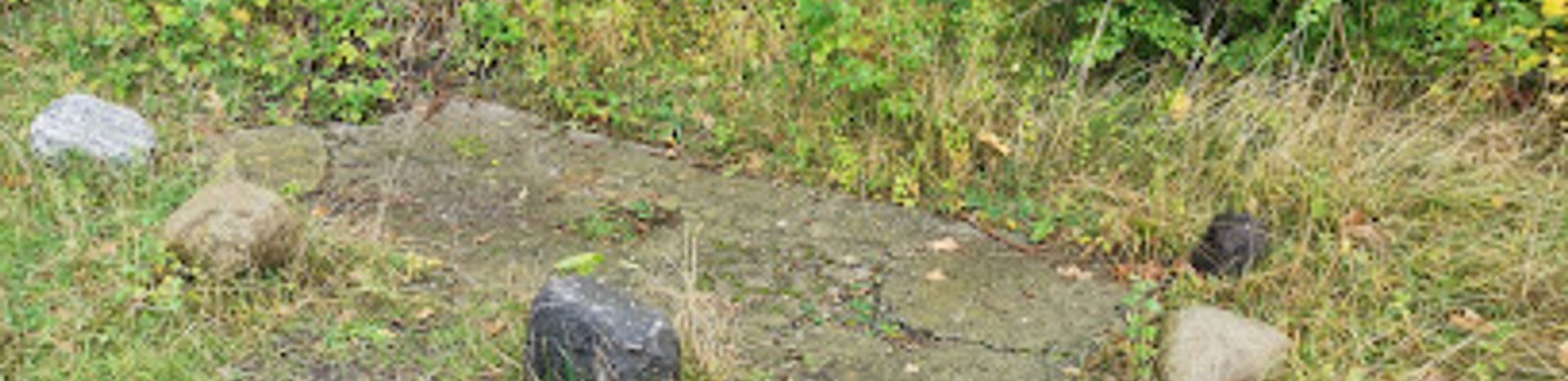
The Old Execution Site in Copenhagen 1946–1950
A quiet concrete slab on Copenhagen’s old ramparts where 29 convicted collaborators were executed after World War II, this stark site confronts the dilemmas of post‑war justice.
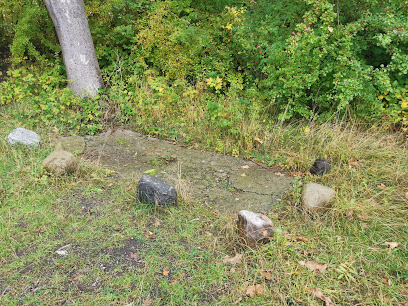
Hidden in a quiet, leafy corner on the old ramparts by Christiania, the Old Execution Site in Copenhagen is a stark reminder of Denmark’s turbulent post‑war years. Here, between 1946 and 1950, 29 convicted Nazi collaborators were executed by firing squad after controversial treason trials. Today only a low concrete slab with a central drain, framed by stones and grass, marks the place. There are no grand monuments, just a hauntingly modest trace that invites reflection on justice, revenge and the difficult moral questions that followed the occupation.
A brief summary to The Old Execution site in Copenhagen 1946-1950
- -62 S, Norddyssen 60, Copenhagen Municipality, København S, 2300, DK
- Duration: 0.5 to 1 hours
- Free
-
 Outdoor
- Mobile reception: 4 out of 5
Local tips
- Bring background reading or a downloaded article about the collaborator trials; on‑site information is minimal and context greatly enriches the visit.
- Wear sturdy shoes; access is via unpaved paths along the old ramparts, which can be muddy or uneven after rain.
- Pair the stop with nearby World War II sites or museums in central Copenhagen to place this small, stark spot within the broader history of occupation and resistance.
- Visit during daylight for better orientation on the ramparts; the area is not heavily lit after dark and feels quite secluded.

For the on-the-go comforts that matter to you
- Trash Bins
- Information Boards
Getting There
-
Metro and walk
Take the M1 or M2 metro line to Christianshavn Station, then walk for about 20–25 minutes along the canals and into the rampart area north of Christiania on mostly flat but partly unpaved paths. A single metro ticket within Copenhagen typically costs around 20–30 DKK, and trains run every few minutes throughout the day.
-
Bus and short walk
Use a city bus service towards Refshaleøen or Holmen, getting off near the northern edge of Christiania. From the stop, expect a 10–15 minute walk on mixed pavement and gravel along the old fortifications. Standard bus fares within the city are roughly 20–30 DKK per journey, and services are generally frequent in daytime, less so late at night.
-
Bicycle from central Copenhagen
From the inner city, cycling to the execution site takes around 15–20 minutes, depending on your starting point. Copenhagen has extensive bike lanes most of the way, but the final stretch along the ramparts involves narrower shared paths and some uneven surfaces, so moderate cycling confidence is helpful. You can rent a city bike or standard rental bicycle for roughly 100–200 DKK per day.
-
Taxi from city centre
A taxi ride from central Copenhagen to the edge of the rampart area near the site usually takes 10–15 minutes in normal traffic. Fares commonly fall in the range of 120–200 DKK one way, depending on distance and time of day. Taxis will drop you on nearby streets; from there you walk several minutes along paths to reach the secluded concrete slab.
The Old Execution site in Copenhagen 1946-1950 location weather suitability
-
 Clear Skies
-
 Mild Temperatures
-
 Any Weather
-
 Cold Weather
Discover more about The Old Execution site in Copenhagen 1946-1950
A secluded clearing with a heavy past
From the footpath along Copenhagen’s old outer ramparts, the Old Execution Site can be easy to miss. At first glance it is just a slightly sunken concrete rectangle in the grass, edged with small boulders under a canopy of trees. Birds sing, cyclists pass, and the scene feels more like a casual green space than a historical landmark. Yet this quiet corner near Christiania once formed part of a military compound, chosen precisely because it was shielded from public view. Step closer and the details emerge: the rough concrete surface, the visible drain in the centre, the framing stones that give the slab an almost improvised boundary. There is no dramatic sculpture or towering cross, only the stubborn physical trace of a structure that has disappeared. The modesty of the remains is part of their power, leaving space for imagination and reflection.Post‑war reckoning and the return of the firing squad
Between 1946 and 1950 this spot was one of two locations in Denmark where death sentences from the so‑called collaborator trials were carried out. After liberation in 1945, the Danish state temporarily reintroduced capital punishment for particularly serious crimes committed during the occupation, targeting informers, members of paramilitary units and others held responsible for torture and killings. Dozens were sentenced to death, and 42 executions were ultimately performed across the country. At this site, 29 condemned men faced a firing squad drawn from the armed forces. A wooden shed once stood where you now see bare concrete. The executees were placed inside the open‑fronted structure, with the firing squad assembled outside on the grass. The shed provided a controlled environment, both practical and symbolic, separating the act from the surrounding city even as it took place just beyond its edge.The vanished shed and what remains today
The wooden building was dismantled after the post‑war executions ended, leaving only the foundation and drain embedded in the rampart. Over time, grass crept up around the concrete and the site slipped into obscurity. Later, the circle of stones was added, giving the slab a clearer outline without turning it into a formal monument. There are typically few explanatory signs here, so understanding the place relies on prior knowledge or careful research. That lack of interpretation can make a visit feel almost like a private discovery. The remains are blunt and functional, not aesthetic objects. By stripping the scene to its essentials, the site draws attention to procedure rather than spectacle: a floor, a drain, a wall that is no longer there. The emptiness invites you to think about who stood here, who pulled the triggers, and how societies attempt to close the book on occupation and collaboration.Context among Copenhagen’s wartime memorials
Copenhagen holds several significant World War II sites, from the memorial park at Ryvangen to museums dedicated to resistance activities. In contrast, this execution ground is small, almost hidden, focused not on heroic resistance but on punishment after the fact. It represents the darker, more ambiguous side of post‑war justice, where legal accountability intersected with anger and calls for retribution. Seen alongside other memorials, the Old Execution Site adds an important layer to the city’s wartime story. It reminds visitors that liberation brought difficult choices: whether to revive abolished penalties, how harshly to treat collaborators, and how to live with those decisions decades later. Standing here, you sense both the finality of the shots once fired and the unresolved debates they left behind.Experiencing the atmosphere of the ramparts
Today the surrounding ramparts are part of a relaxed, semi‑wild green belt that blends into the edge of Freetown Christiania. Joggers, dog‑walkers and locals on bikes share the path, and the rustle of leaves softens the site’s severity. The contrast between the peaceful present and the place’s former role as a killing ground is striking. A visit is generally brief, but lingering for a few minutes allows the details to sink in: the orientation of the slab, the way the ground falls away on the rampart, the sounds of the city just distant enough to feel removed. It is not a place for spectacle or long stays, but for a short, sober pause in the middle of an otherwise lively part of Copenhagen.Iconic landmarks you can’t miss

The Old Execution site in Copenhagen 1946-1950
0.0 km
A hidden concrete foundation marks where post-war Denmark executed Nazi collaborators in secrecy.
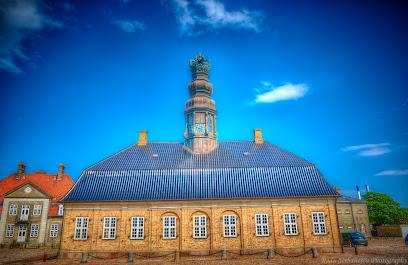
Nyholm Central Guardhouse
1.1 km
Discover Aarhus’s Latin Quarter, where historic charm meets a lively cultural scene, bustling cafés, artisan shops, and rich Danish heritage in the city’s oldest district.
Larsens Pl.
1.2 km
Historic waterfront where Scandinavian dreams embarked for America, now a refined promenade of heritage and harbour views.
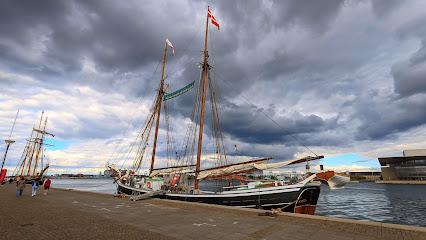
I am Queen Mary
1.2 km
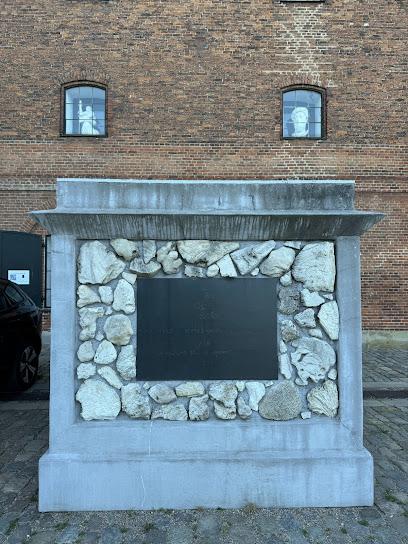
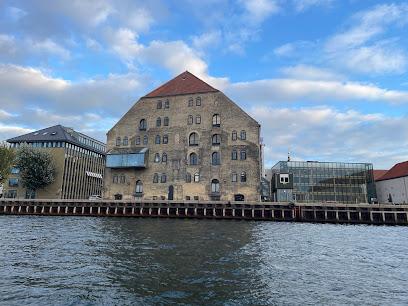
A powerful harborfront monument honoring rebel leader Mary Thomas, confronting Copenhagen’s colonial past beside the historic West Indian Warehouse.
Krudhuset
1.3 km
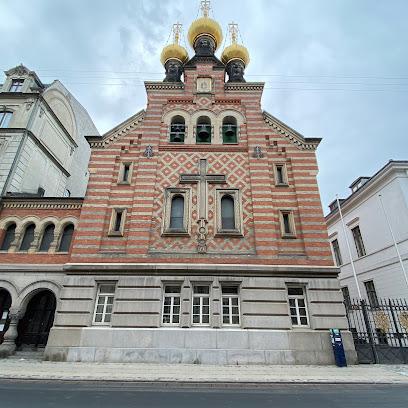
Marvel at St. Alexander Nevsky Church, Copenhagen’s ornate Russian Orthodox landmark crowned by golden onion domes, blending history, artistry, and spiritual serenity.
Sankt Annæ Pl.
1.4 km
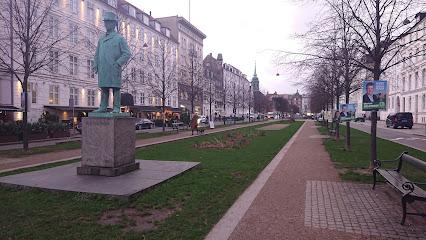
Historic square blending royal heritage, climate innovation, and urban livability in central Copenhagen.
Hans Christian Andersen plaque
1.4 km
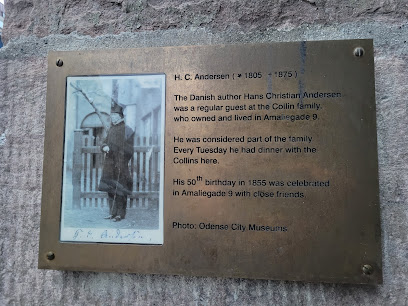
A modest plaque on elegant Amaliegade quietly marks Hans Christian Andersen’s presence amid the formal mansions and palace axis of Copenhagen’s Frederiksstaden.
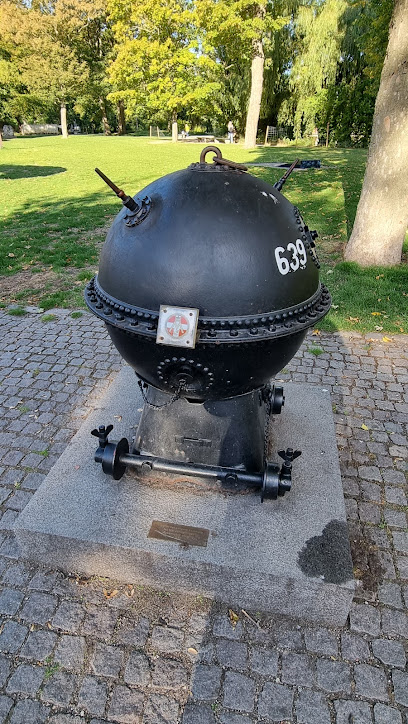
Horn mine
1.4 km
A disarmed World War II naval mine displayed in Churchill Park, turning a former weapon of the sea into a quiet reminder of conflict amid central Copenhagen’s greenery.
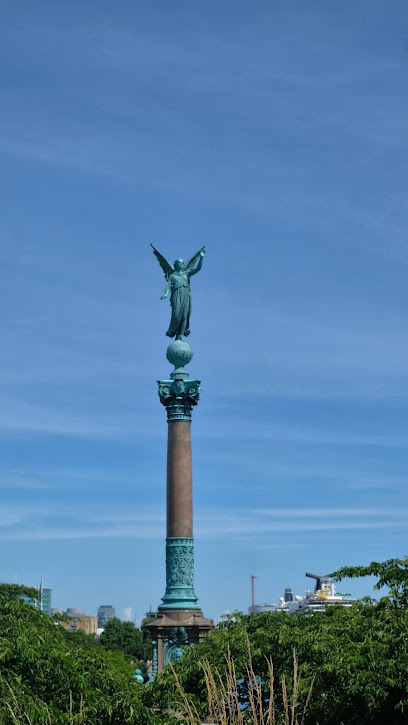
Iver Huitfeldt Memorial
1.5 km
A towering tribute to Admiral Huitfeldt's heroic last stand at sea, crowned with Victory.
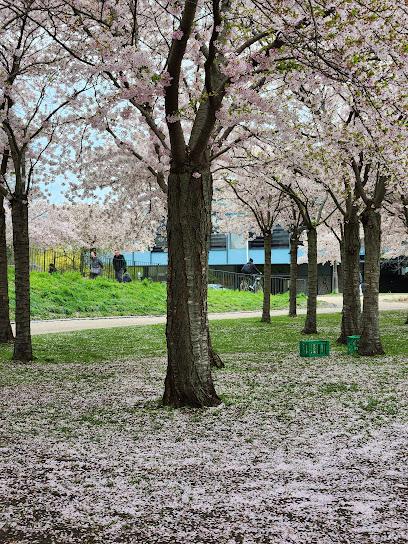
Langelinie Park
1.5 km
Copenhagen's iconic waterfront where history, art, and nature converge along the harbor.
Sankt Annæ Gade
1.5 km
Explore Skagen’s Maskinrummet, where maritime history, restored engines, and nautical culture meet within a unique, authentic portside museum and café.
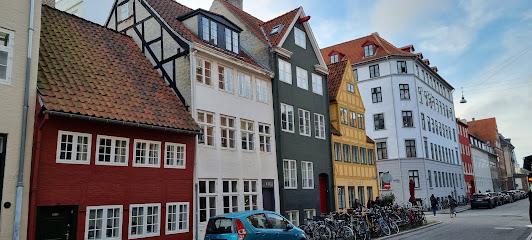
Havnegade Promenaden
1.5 km
Copenhagen's revitalized waterfront promenade blending historic charm with playful modern recreation.
St. Alexander Nevsky Church
1.5 km
Copenhagen's ornate Russian Orthodox gem with gilded domes and royal heritage near Amalienborg Palace.
Our Fallen
1.6 km
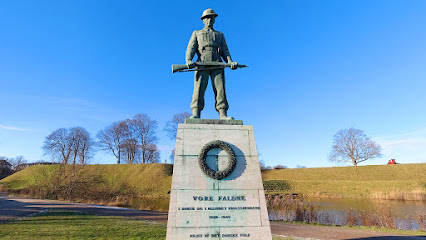
A bronze tribute to World War II sacrifice, standing sentinel at Kastellet's gate since 1957.
Frederik's Church
1.6 km
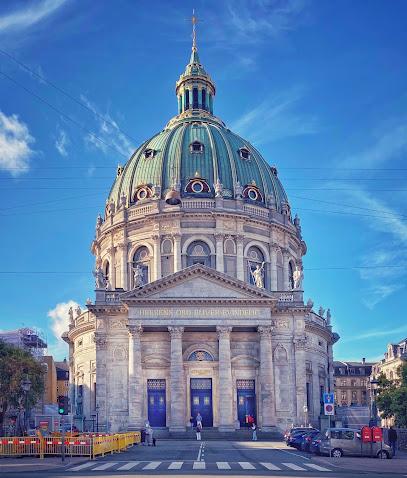
Copenhagen's iconic copper-domed masterpiece—a 145-year architectural triumph offering panoramic views and spiritual grandeur.
Unmissable attractions to see

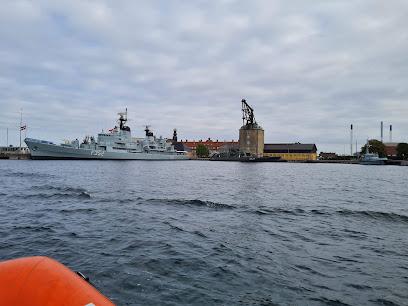
Holmen
1.0 km
Historic naval islands turned calm harbour quarter, where dockyards, academies and the Copenhagen Opera House share wide quays and sweeping city views.
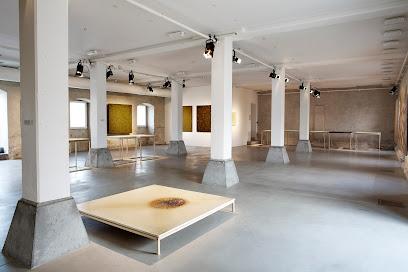
North Atlantic House
1.1 km
A 1767 waterfront warehouse transformed into Copenhagen’s vibrant gateway to the art, stories and flavors of Greenland, Iceland and the Faroe Islands.
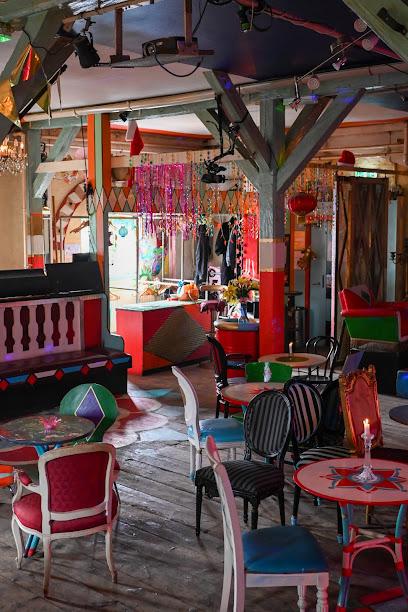
Operaen
1.1 km
Innovative cocktails in a historic Copenhagen setting.
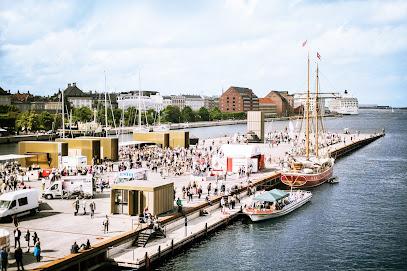
Ofelia Plads
1.2 km
A UNESCO-listed Renaissance fortress where royal history, sea vistas, and Hamlet legends converge at the gateway between Denmark and Sweden.
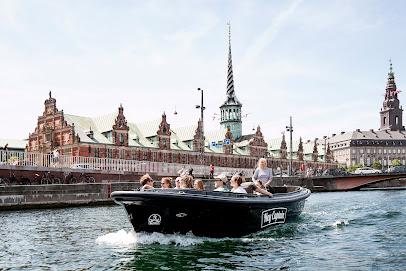
Hey Captain
1.2 km
Experience the heart of Hillerød at Fisketorvet, where shopping, dining, and culture converge in a historic market square.
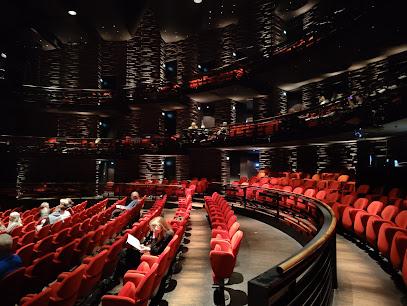
The Playhouse
1.2 km
A beautiful English gothic church in the heart of Copenhagen, St Alban’s blends British heritage and Danish history beside the city’s iconic fortifications.
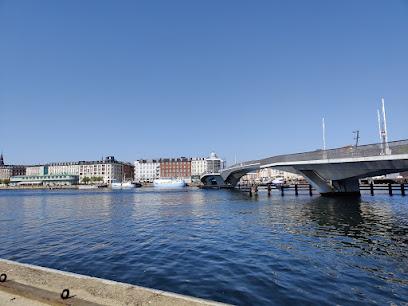
Inderhavnsbroen
1.2 km
Explore the evolution of Danish design at Copenhagen's historic Designmuseum Danmark.
Green George af Thomas Dambo - Trold nr. 50
1.2 km
A towering recycled-wood troll at Christiania’s entrance, Green George blends street art, sustainability and playful storytelling in the heart of Copenhagen.
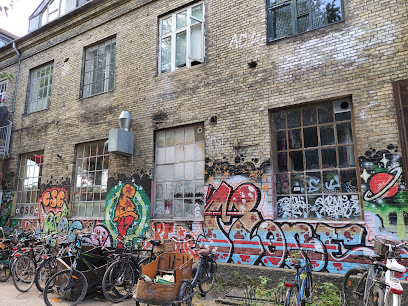
The Kissing Stairs
1.2 km
Stroll along Langelinie, Copenhagen’s bustling waterfront, where iconic statues, historic parkland, and sweeping harbor views create a quintessential maritime escape.
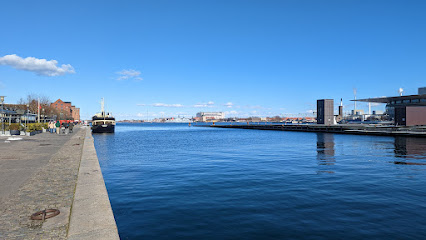
Amaliehaven
1.2 km
A small but beautifully composed waterfront garden weaving royal vistas, sculpture, and harbor views into a calm green oasis in central Copenhagen.
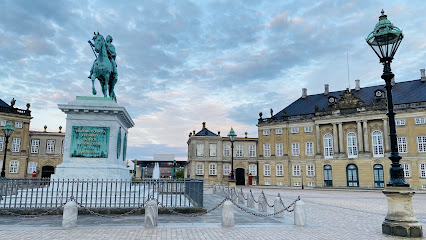
Springvandet i Amaliehaven af Arnaldo Pomodoro
1.2 km
A dramatic bronze fountain at the heart of Amaliehaven, where modern sculpture, royal views and harbor breezes meet in a tranquil geometric garden.
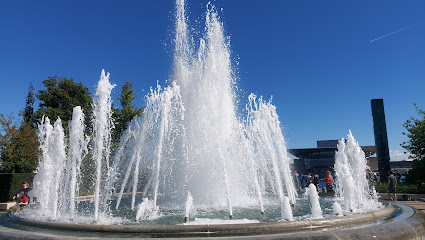
Kongeskibet Dannebrog
1.3 km
An elegant white royal yacht moored in Copenhagen’s harbour, Kongeskibet Dannebrog is a floating palace, naval vessel and living symbol of modern Danish monarchy.
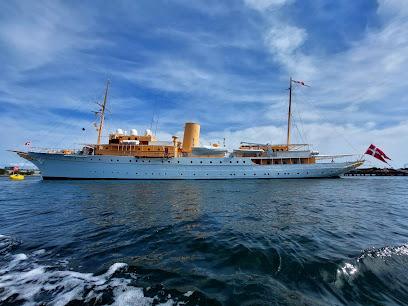
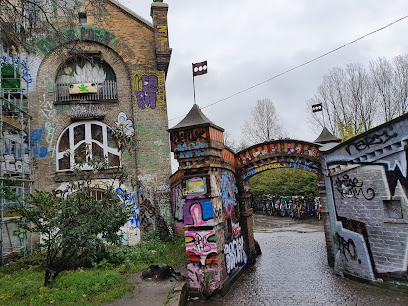
Christiania
1.3 km
A self-governing “freetown” of murals, lakeside paths and experimental living, tucked behind Copenhagen’s old ramparts in the heart of Christianshavn.
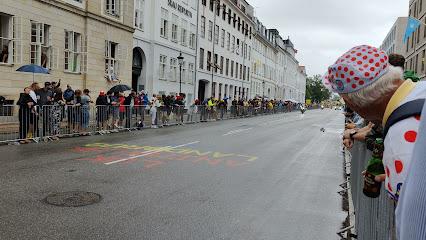
Amaliegade
1.3 km
A stately Copenhagen street where Rococo townhouses, royal colonnades and diplomatic mansions line a calm axis through the heart of Frederiksstaden.
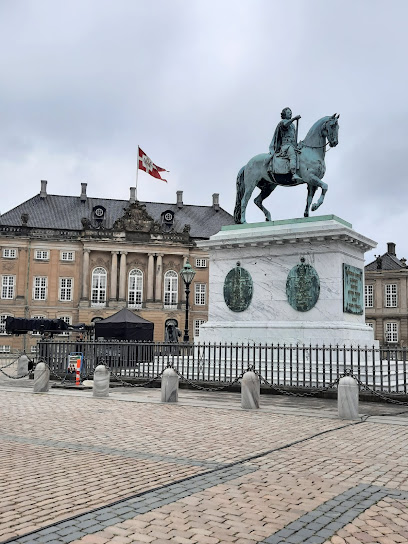
Rytterstatuen
1.4 km
A surreal subterranean art museum beneath Søndermarken Park, fusing Copenhagen’s 19th-century waterworks with modern installations and immersive experiences.
Essential places to dine

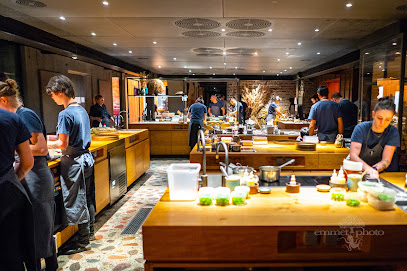
Noma
0.4 km
Boundary-pushing New Nordic tasting menus in an understated waterfront warehouse, where radical seasonality, fermentation and Danish warmth shape an immersive dining experience.
La Banchina
1.1 km
Tiny blue harbour house on Refshaleøen blending seasonal pescatarian cooking, natural wines, sauna culture and swims into one uniquely Copenhagen experience.
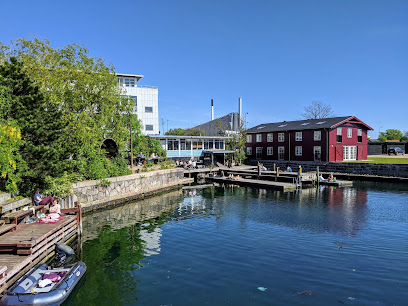
Restaurant Barr
1.1 km
Modern North Sea cuisine, serious beer and warm Nordic design meet in a historic harbor-front warehouse in the heart of Copenhagen’s Christianshavn.
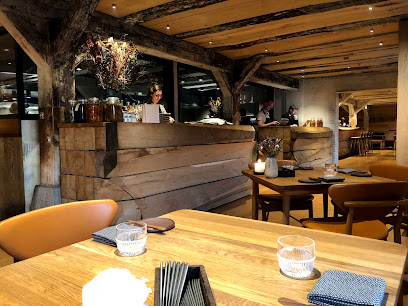
Khun Juk
1.3 km
Refined Thai dining tucked into Copenhagen’s iconic Nyhavn, where candlelit tables, fresh flowers and layered flavors turn dinner into an intimate evening event.
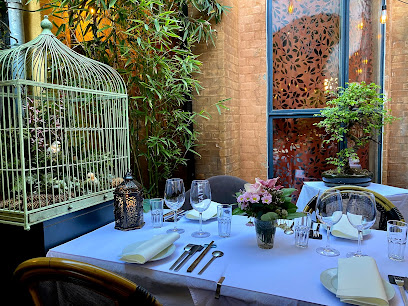
Restaurant Kanalen
1.4 km
Seasonal Danish cooking and relaxed Nordic elegance in a historic canalside house on Christianshavn, where boats glide past your table and the water sets the mood.
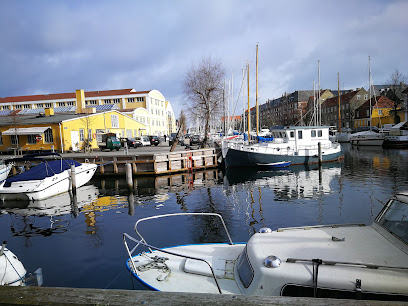
Restaurant Lola
1.4 km
Bold, travel-inspired cooking and inventive smørrebrød served in a sunny 17th‑century house with a leafy garden hideaway on Christianshavn’s historic ramparts.
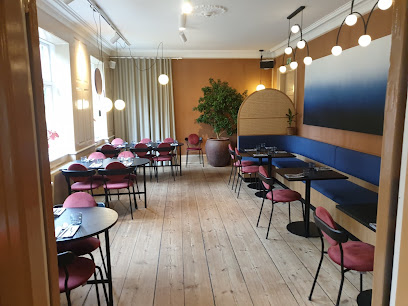
Skipperkroen
1.5 km
Harbourfront smørrebrød and seafood in an 18th‑century Nyhavn house, pairing classic Danish flavours with canal views from cosy rooms and a lively terrace.
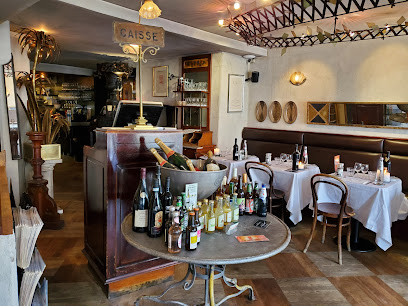
Cap Horn
1.5 km
Candlelit Nordic bistro in a historic Nyhavn townhouse, blending classic Danish seafood, canal views and cosy hygge from late morning to late evening.
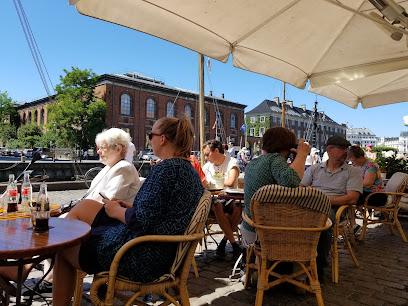
Cafe Wilder
1.5 km
A cherished French bistro where Parisian charm meets Copenhagen authenticity on the historic streets of Christianshavn.
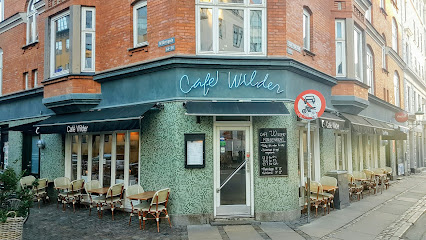
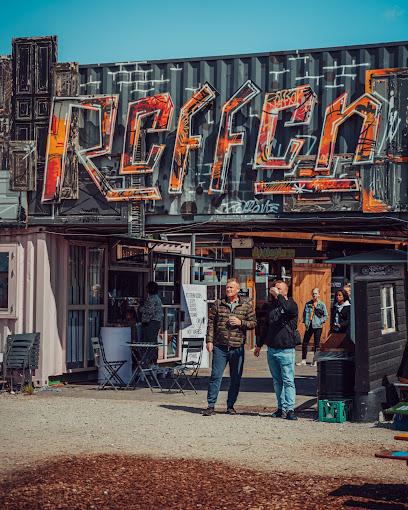
Reffen - Skøjteøen
1.6 km
Copenhagen’s dynamic hub for global street food, creative pop-ups, and urban harbor vibes in a repurposed shipyard setting with a seasonal ice skating rink.
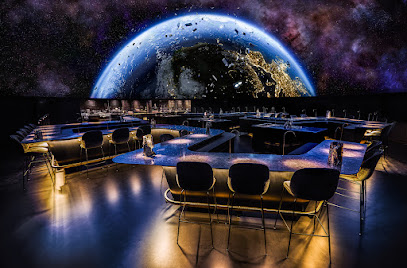
Alchemist
1.6 km
Six hours of theatrical culinary innovation where haute cuisine meets immersive art installation.
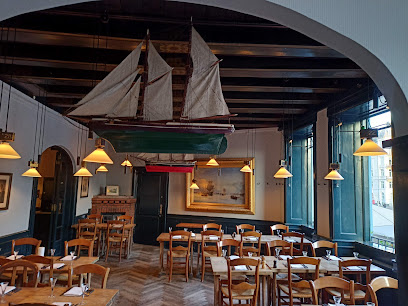
Nyhavns Færgekro
1.6 km
Classic Danish cooking and a famed herring buffet in a cozy canal-side tavern, set within one of Nyhavn’s colorful townhouses overlooking Copenhagen’s historic harbor.
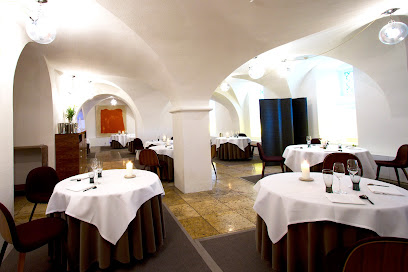
Aoc
1.6 km
Two Michelin stars of bold Nordic flavors in a historic 17th-century cellar.
à terre
1.7 km
à terre brings French fine dining infused with Nordic creativity to central Copenhagen, offering an intimate, innovative tasting menu experience near Copenhagen’s key attractions.
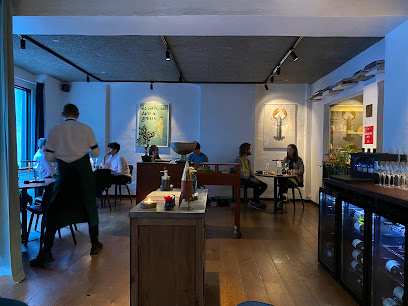
Restaurant Rebel
1.7 km
Seasonal Danish produce meets French technique at this relaxed, MICHELIN-recommended bistro on Store Kongensgade, where an open kitchen and inventive plates define the mood.
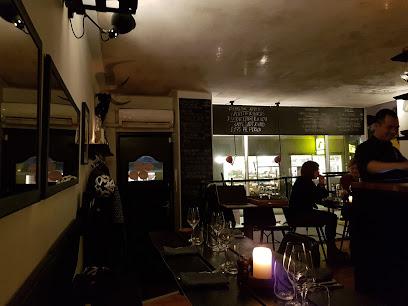
Markets, malls and hidden boutiques

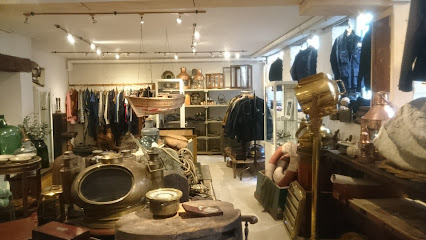
Maritime Antiques &
1.4 km
Atmospheric basement shop near Nyhavn where genuine maritime antiques share space with heritage-inspired clothing and rugged knitwear in a cosy, ship-like setting.
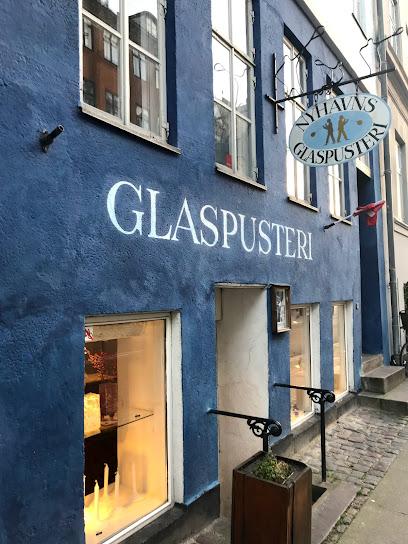
Copenhagenglass
1.4 km
Intimate glassblowing studio and shop near Nyhavn, where Danish maritime-inspired designs and hands-on sessions turn molten glass into memorable Copenhagen souvenirs.
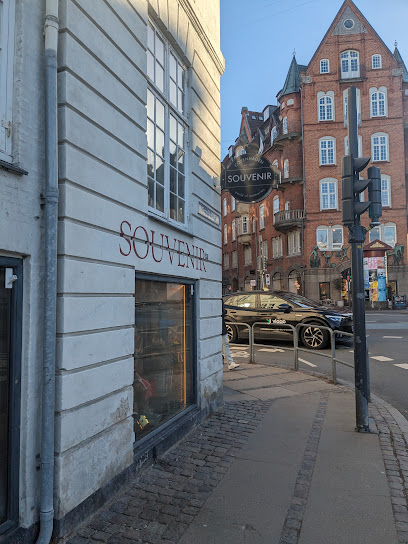
The Crown souvenir
1.4 km
Compact, colorful souvenir stop on elegant Amaliegade, perfect for picking up Danish flags, Little Mermaid trinkets and royal-themed keepsakes near Amalienborg.
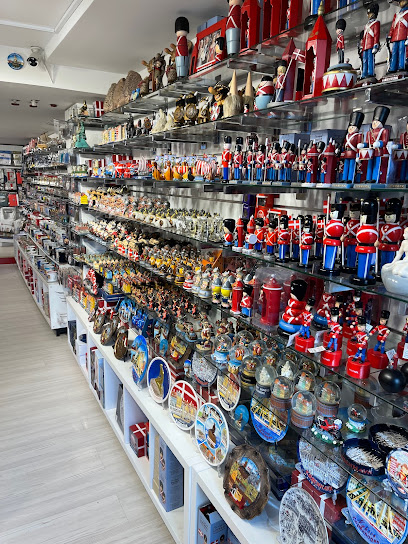
Royal Souvenir Shop
1.5 km
Compact and colourful, Royal Souvenir Shop on Bredgade distils Copenhagen into easy‑to‑pack gifts, from royal guards and Vikings to flags, mugs and playful keepsakes.
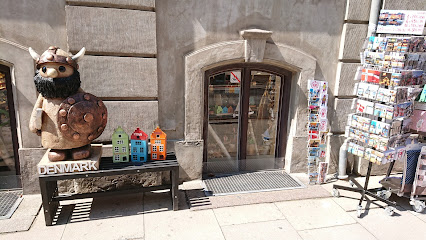
Zane
1.6 km
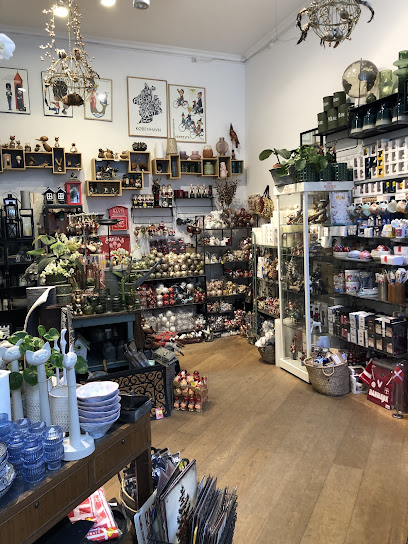
Intimate Copenhagen florist and design boutique on stylish Bredgade, blending seasonal blooms, Nordic homeware and thoughtful gifts in a cosy, lived-in space.
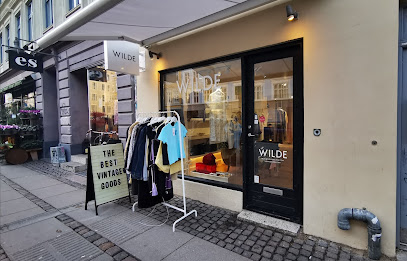
The Wilde Shop
1.7 km
A boutique vintage shop in Indre By, Copenhagen bringing together handpicked retro clothing, sustainable fashion, and curated Scandinavian style in a welcoming setting.
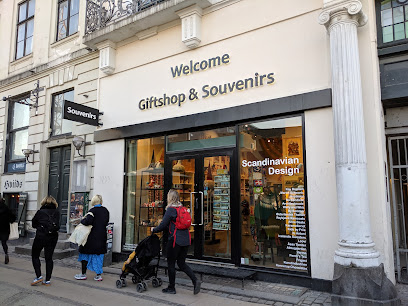
Welcome Giftshop & Souvenirs
1.8 km
Central Copenhagen’s cosy hygge boutique for Danish design, classic souvenirs, and easy last-minute gifts just off bustling Kongens Nytorv square.
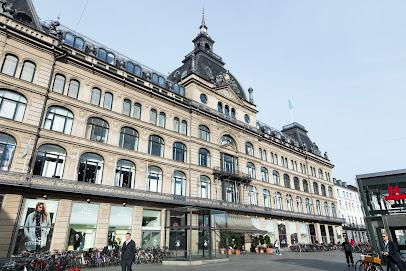
Magasin du Nord
1.8 km
Copenhagen’s classic department store: historic architecture, Nordic style, gourmet treats and relaxed cafés gathered under one elegant roof on Kongens Nytorv.
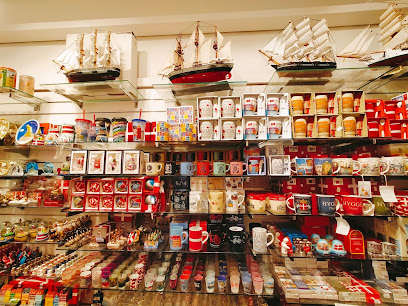
Viking Souvenirs
1.8 km
Authentic Danish and Viking-themed souvenirs in Copenhagen's historic city center.
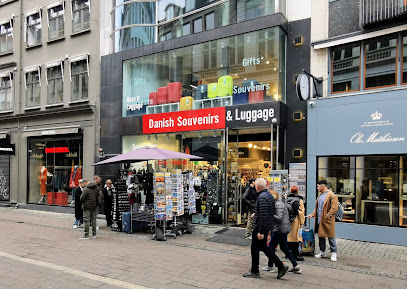
Danish Souvenirs & luggages
1.8 km
Central Strøget souvenir and luggage shop combining classic Danish mementos with practical travel gear, open long hours for convenient, last‑minute Copenhagen gifts.
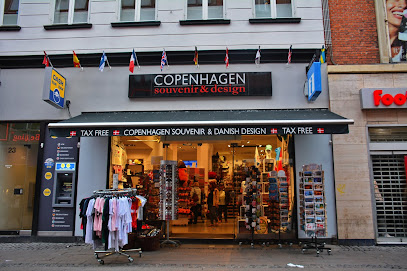
Copenhagen Souvenir & Design
1.9 km
Denmark's premier souvenir destination offering authentic Danish heritage, contemporary design, and quality gifts across seven city-center locations.
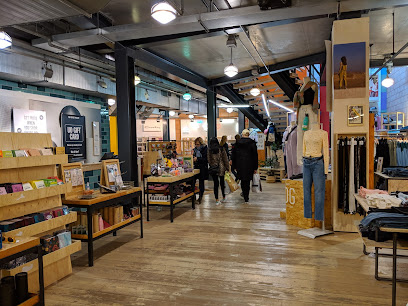
Urban Outfitters
2.0 km
Trendy multi-level fashion and lifestyle store bringing Urban Outfitters’ eclectic clothing, homeware and vinyl mix to the heart of Copenhagen’s Østergade.
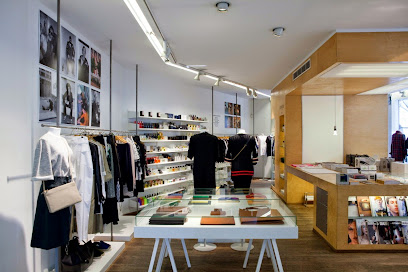
Storm - design art fashion
2.0 km
A pioneering Copenhagen concept store where avant-garde fashion, art, design objects and niche fragrances meet in a minimalist, gallery-like space on Store Regnegade.
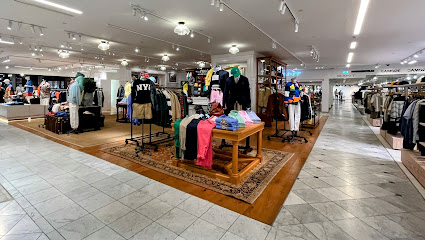
ILLUM
2.1 km
ILLUM is Copenhagen’s iconic department store, combining world-class fashion, Danish design, gourmet food, and rooftop views in historic Indre By.
Copenhagen Souvenir & Design World of Memories
2.1 km
Denmark's largest souvenir chain with 14 locations offering over 2,000 authentic Danish keepsakes and contemporary design pieces.
Essential bars & hidden hideouts

Eiffel bar
1.5 km
Experience the cozy atmosphere of Eiffel Bar in Copenhagen, where friendly service meets affordable drinks in a charming setting.
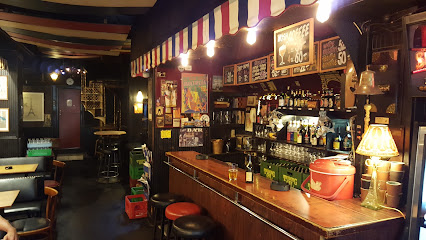
Whammy Bar
1.6 km
Colourful neighbourhood bar on Amager serving generous cocktails, draft beers and American‑style comfort food to a friendly crowd of locals and visitors.
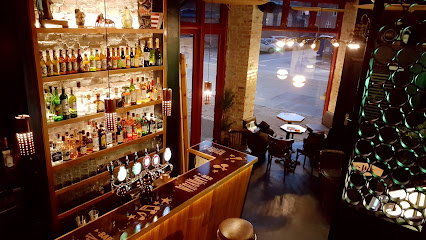
TATA Cocktail Bar
1.6 km
A velvet-draped, fireplace-warmed cocktail hideaway inside Hotel Sanders, where classic mixology, Danish design and theatre-inspired charm blend seamlessly.
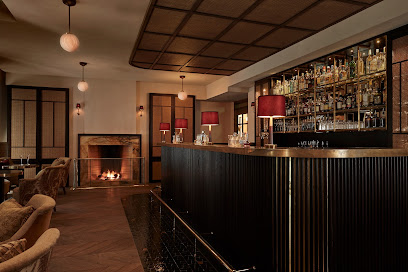
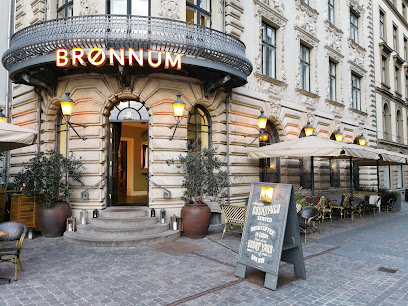
Brønnum
1.7 km
An opulent, multi‑room cocktail bar steps from Kongens Nytorv, where historic townhouse elegance meets contemporary mixology and candlelit late‑night conversation.
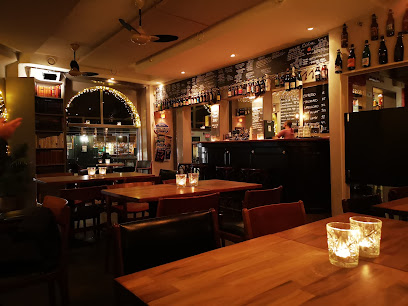
Black Swan
1.8 km
Craft-forward, cosy and unpretentious, Black Swan is Copenhagen’s inner-city local where rotating taps, serious cider and good conversation flow late into the night.
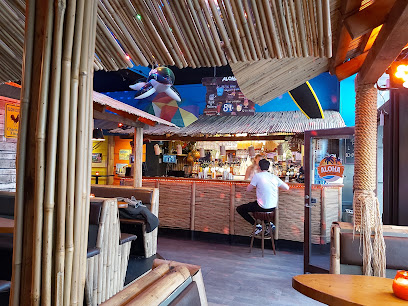
Aloha Beach Bar
1.8 km
Island-inspired cocktails, neon glow and late-night party vibes packed into a compact tropical bar just off Gothersgade in central Copenhagen.
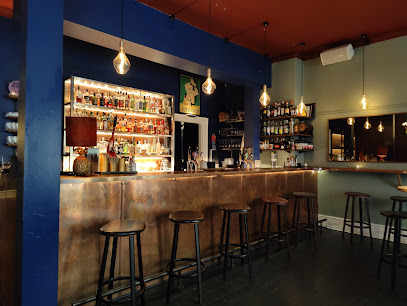
Bar Deco
1.9 km
Intimate Art Deco–inspired cocktail bar near Kongens Nytorv, pairing crafted drinks with moody lighting and a relaxed, grown‑up Copenhagen atmosphere.
Balthazar
1.9 km
A luxurious Champagne bar at Hotel d’Angleterre, pairing an extensive bubbles list and crafted cocktails with velvet-luxe interiors and a lively DJ-backed ambience.
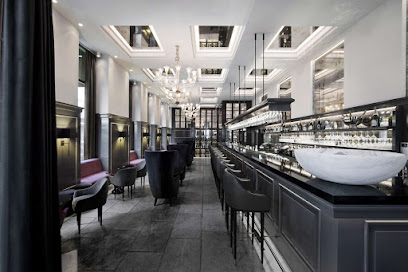
1105
2.0 km
Intimate, dimly lit cocktail bar in Copenhagen’s 1105 postcode, pairing dark, elegant interiors with carefully crafted Nordic-inspired drinks and classic mixes.
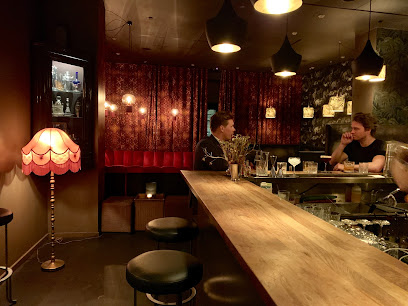
Lassie Bar
2.0 km
A classic Amager brown bar where bottled beer, schnapps and neighborhood chatter create a quietly authentic slice of everyday Copenhagen nightlife.
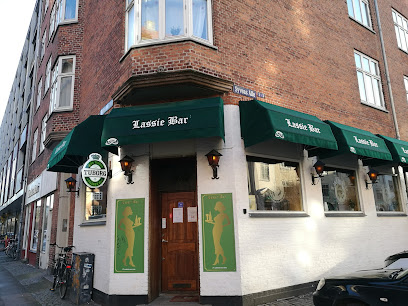
The Moose
2.1 km
Graffiti-plastered walls, infamous moose murals and cheap late-night beers make this smoky Indre By dive bar a gritty, unpolished slice of Copenhagen nightlife.
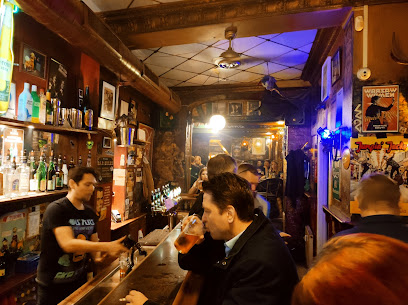
K-Bar
2.1 km
Intimate harbourfront cocktail den in central Copenhagen, known for monochrome style, inventive infusions and quietly confident classics poured with real care.
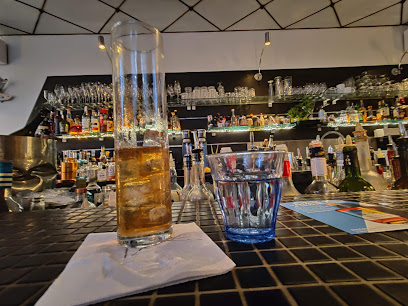
Ved Stranden
2.1 km
Canal-side natural wine bar and shop in a historic townhouse, blending Copenhagen charm, thoughtful bottles and relaxed, living-room warmth by Christiansborg Palace.
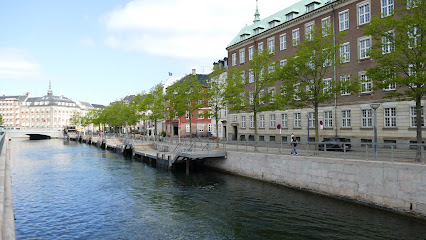
Charlie's Bar
2.1 km
Discover the enchanting atmosphere of Charlie's Bar, a cozy haven in Copenhagen offering a diverse drink selection and a vibrant local vibe.
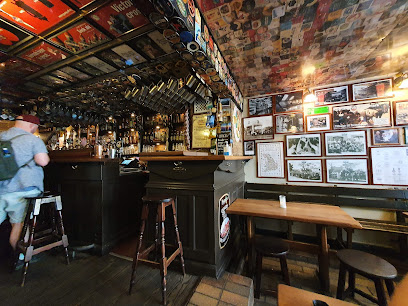
Trykbar
2.1 km
Cosy, central Copenhagen bar with a strong beer list, warm lighting and a laid-back, inclusive atmosphere that blends hygge with lively late-night energy.
Nightclubs & after hour spots

Lusso
1.9 km
A compact, high-end Copenhagen nightclub with champagne-forward table service, dim lighting and a stylish late-night crowd just steps from Kongens Nytorv.
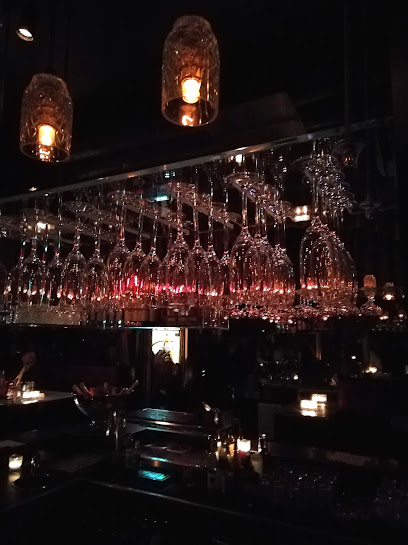
Mini Bar
2.0 km
Discover the vibrant nightlife of Copenhagen at Mini Bar, a premier night club offering eclectic tunes and a lively atmosphere for unforgettable nights.
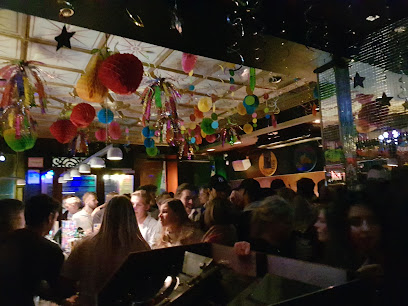
Culture Box
2.0 km
Discover the heartbeat of Copenhagen's nightlife at Culture Box, where music, art, and dance create an unforgettable experience.
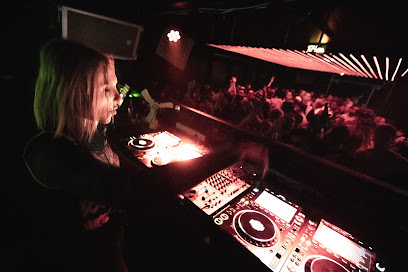
The Zoo
2.1 km
Intimate late-night nightclub on Sværtegade in Copenhagen’s historic center, blending a compact dance floor, DJ-driven beats and a casual, social bar atmosphere.
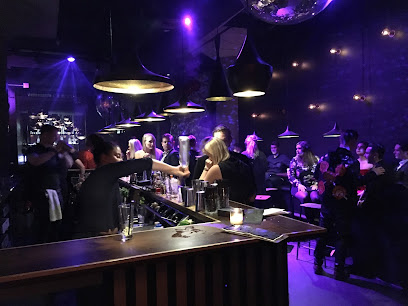
Chateau Motel
2.5 km
Discover the lively nightlife of Copenhagen at Chateau Motel, a top destination for cocktails and dancing in a vibrant atmosphere.
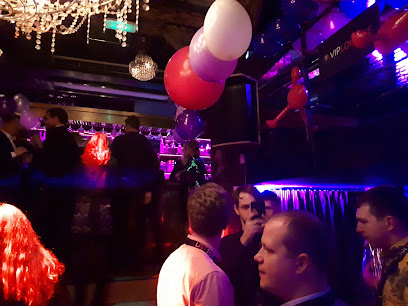
Hive
2.5 km
Copenhagen's premier high-end nightclub with cutting-edge design, VIP service, and immersive themed experiences.
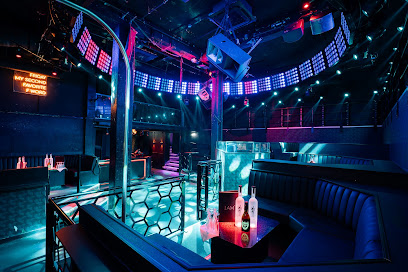
Rumors
2.6 km
Discover the heart of Copenhagen's nightlife at Rumors, where energetic vibes and unforgettable nights await you.
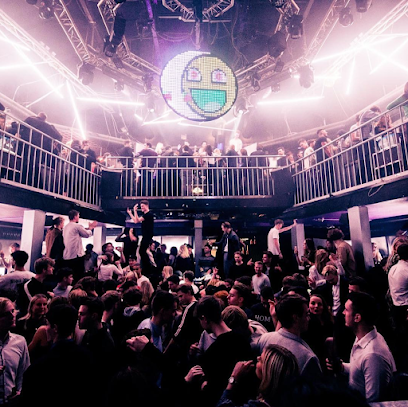
Mirror
2.6 km
Dive into the heart of Copenhagen's nightlife at Mirror, where the rhythm never stops and unforgettable memories are made.
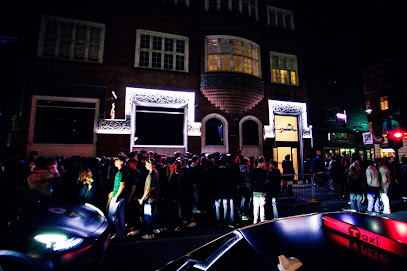
Miami Bar
2.6 km
Discover Copenhagen's nightlife at Miami Bar, where cocktails and dancing create unforgettable nights in a vibrant atmosphere.
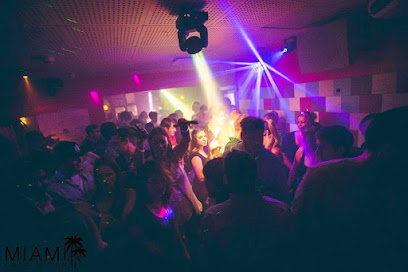
Club Mambo
2.6 km
Experience the energetic nightlife of Copenhagen at Club Mambo, a vibrant night club offering salsa dancing, cocktails, and delicious dining.
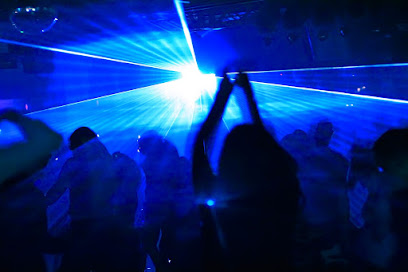
Arch
2.7 km
Discover the vibrant nightlife of Copenhagen at Arch, a premier night club offering electrifying music and an unforgettable atmosphere.
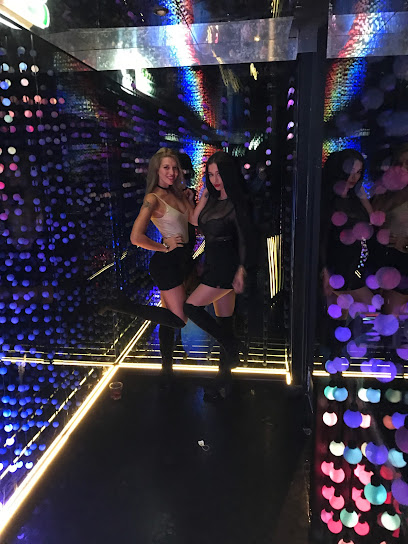
Mirage
2.7 km
Dive into the electrifying nightlife at Mirage, Copenhagen's premier night club for an unforgettable evening of music, dancing, and entertainment.

La Terraza
2.7 km
Compact nightclub on Studiestræde in Copenhagen’s old town, offering loud beats, straightforward drinks and an unpretentious late-night dance floor.
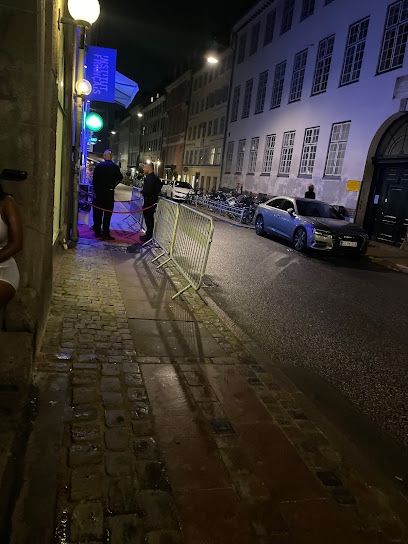
Dorsia
2.7 km
Central Copenhagen nightclub with late‑night DJs, cocktails and an image‑conscious crowd packed into a dark, modern interior off busy Kattesundet.
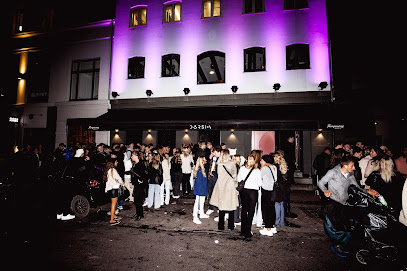
Cosy Bar
2.8 km
Discover the lively atmosphere of Cosy Bar, a top gay nightclub in Copenhagen offering fantastic music, vibrant crowds, and unforgettable nights.
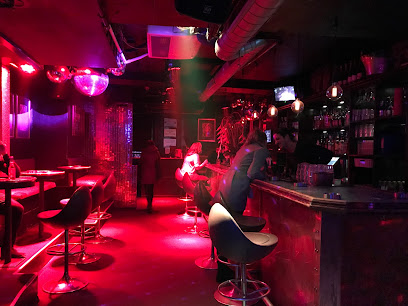
For the vibe & atmosphere seeker
- Tranquil
- Scenic
- Unique
For the architecture buff
- Historic
- Landmarks
For the view chaser and sunset hunter
- Iconic Views
- Panoramas
For the social media creator & influencer
- Photo Spots
- Architectural Shots
For the eco-conscious traveler
- Low Impact
- Public-Transport Accessible
For the kind of experience you’re after
- Cultural Heritage
- Photowalk
- Day Trip
- Roadtrip Stop
- Myth & Legends
For how adventurous you want the journey to be
- Easy Access
Location Audience
- Family Friendly
- Senior Friendly
- Teen Friendly
- Solo Friendly
- Couple Friendly
- Solo Female Friendly


