

Østerbro (Copenhagen) Travel Guide - Free
Explore Østerbro in Copenhagen with Evendo's free guide. Find the best shops, historic streets, restaurants, and gems on web or mobile.


Østerbro in Copenhagen offers leafy boulevards, Fælledparken, lakeside walks, design museums, family-friendly cafés and easy routes to the harbour.
A Residential Quarter by the Water
Østerbro occupies Copenhagen’s northeastern side, stretching from the lakes and Østerport towards Svanemøllen and the edge of the harbour. It is best understood as a broad, established urban district rather than a compact sightseeing quarter: elegant apartment blocks, quiet side streets, schools, churches and small parks sit alongside major public spaces such as Fælledparken. The neighbourhood’s name recalls Østerport, the eastern gate through Copenhagen’s former fortifications, although much of modern Østerbro was developed after the city expanded beyond its old defensive limits.Read more about Østerbro
Street Life and Architecture
Culture, Sport and Open Space
Best attractions in Østerbro
Østerbro’s attractions are spread through a spacious residential district rather than concentrated in one historic core. Fælledparken is the main public draw, offering broad lawns, sports facilities, playgrounds and paths used by locals throughout the year. The lakeside route along Sortedams Sø provides an easy urban walk, while the Hirschsprung Collection presents Danish art in an intimate villa setting and Den Frie Centre of Contemporary Art occupies a striking exhibition building near Østerport. Enigma explores communication and media history, and Østre Gasværk Theatre uses a former gasworks structure for large-scale performances. Parken adds football and concert events to the neighbourhood’s cultural calendar. At the southern edge, visitors can continue to Kastellet and Langelinie, which are nearby historic and waterfront areas rather than wholly representative of Østerbro itself.
-
Tourist attraction
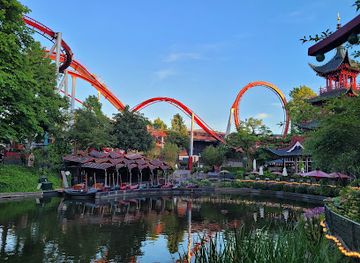
Tivoli Gardens
Explore enchanting Rosenborg Castle in Copenhagen, home to Denmark’s Crown Jewels, opulent royal halls, lush gardens, and centuries of riveting royal history.
9 min drive · 2.9 km from neighbourhood centre
-
Tourist attraction
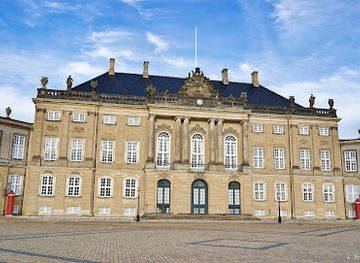
Amalienborg
Discover the majestic Rosenborg Castle—home to Denmark’s Crown Jewels, regal interiors, and lush gardens—offering a journey through centuries of royal Danish history.
7 min drive · 2.3 km from neighbourhood centre
-
Tourist attraction
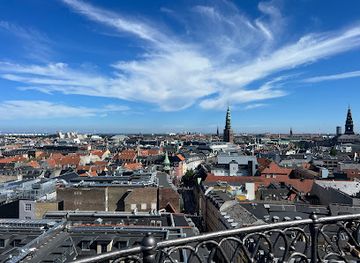
The Round Tower
Rosenborg Castle: Explore Copenhagen’s Renaissance masterpiece and the dazzling Danish crown jewels at the gateway between Østerbro and the city’s historic heart.
6 min drive · 2.1 km from neighbourhood centre
-
Tourist attraction
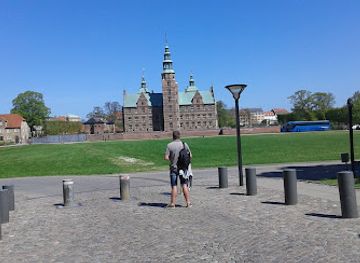
Rosenborg Castle
Discover Rosenborg Castle—Copenhagen’s Renaissance jewel—home to Denmark’s royal regalia, opulent halls, and centuries of captivating royal history in scenic gardens.
5 min drive · 1.6 km from neighbourhood centre
Best landmarks in Østerbro
Østerbro’s landmarks express its layered combination of public recreation, culture and residential expansion. Parken, originally developed as Copenhagen’s municipal sports ground in the early twentieth century, remains the district’s most prominent modern structure and a powerful symbol of the city’s sporting life. Fælledparken is equally significant as a piece of urban history: its creation turned former common land into one of Copenhagen’s principal public parks. The former Østre Gasværk, now used by Østre Gasværk Theatre, preserves an important reminder of the area’s industrial infrastructure. Near Østerport, Den Frie’s distinctive exhibition building and the Hirschsprung Collection add architectural and cultural landmarks, while the lakes and their embankments form a familiar boundary between Østerbro’s streets and the older city centre.
-
Promenade
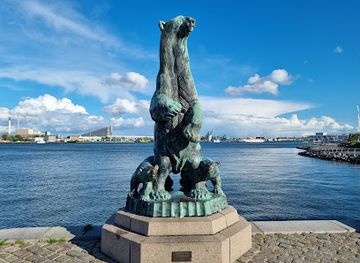
Langelinie
Stroll Copenhagen's scenic Langelinie promenade for harbor views, the Little Mermaid, and a blend of maritime history, gardens, and vibrant city atmosphere.
6 min drive · 1.9 km from neighbourhood centre
-
Park
Fælledparken
Copenhagen’s largest and most beloved city park, Fælledparken offers a dynamic blend of green tranquility, local culture, sports, and major city events in Østerbro.
3 min walk · 0.2 km from neighbourhood centre
-
Fortress
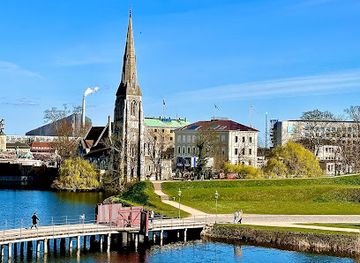
Kastellet
A living star-shaped fortress blending Danish military history, scenic urban parkland, and tranquil harborside walks in central Copenhagen.
5 min drive · 1.8 km from neighbourhood centre
-
Memorial park
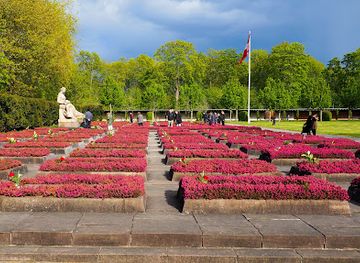
Memorial Park
A tranquil, evocative memorial park in Hellerup near Østerbro, honoring Danish resistance fighters with monuments, peaceful gardens, and profound historical resonance.
9 min drive · 3.1 km from neighbourhood centre
Explore Østerbro on the map
A handpicked selection of must-see spots in Østerbro, mapped for you.
Best hotels in Østerbro
Best restaurants in Østerbro
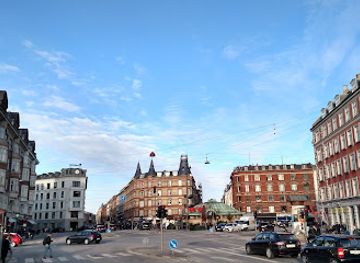
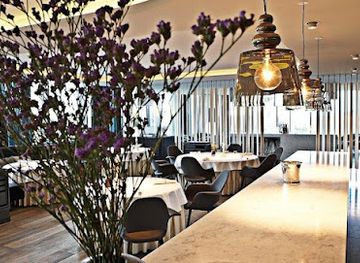
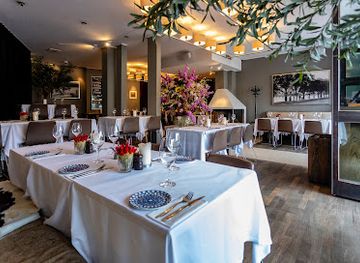
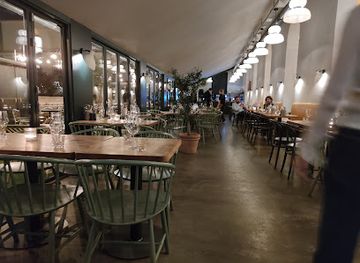
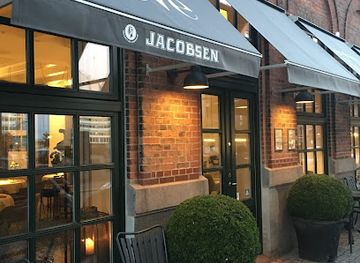
Dining in Østerbro is closely tied to its residential character, with much of the scene arranged along Østerbrogade, around Trianglen and on the side streets leading towards the lakes. Independent cafés, bakeries, coffee bars and everyday restaurants serve a local population, while delicatessens and specialist food shops provide ingredients for the district’s apartment kitchens. The choice generally favours relaxed daytime eating, modern Danish cooking, pizza, international fare and family-friendly venues rather than a dense concentration of late-night restaurants. Around the southern edge, museums and cultural institutions add places to eat before or after exhibitions and performances. Food shopping is often as important as formal dining: visitors can combine a café stop with a walk through the neighbourhood’s small commercial streets, where the atmosphere is more local and routine than in Copenhagen’s central restaurant quarters.
-
Fine Dining
Geranium
Geranium offers a world-class New Nordic tasting experience in Copenhagen, uniting innovative Scandinavian cuisine, sustainable luxury, and panoramic city views.
5 min walk · 0.4 km from neighbourhood centre
-
Restaurant
Dag H
Stylish Østerbro brasserie offering classic bistro plates, all-day dining, and a cosmopolitan terrace in Copenhagen’s embassy quarter.
10 min walk · 0.8 km from neighbourhood centre
-
Restaurant
Restaurant Madklubben Østerbro
Enjoy approachable modern Danish cuisine and vibrant local life in the stylish heart of Østerbro at Restaurant Madklubben, where good food and great company meet.
8 min walk · 0.6 km from neighbourhood centre
-
Vegetarian
Veve
A destination for innovative, plant-based fine dining in Østerbro, where Nordic purity meets global flavors for an unforgettable vegetarian tasting menu experience.
5 min drive · 1.6 km from neighbourhood centre
Best bars in Østerbro
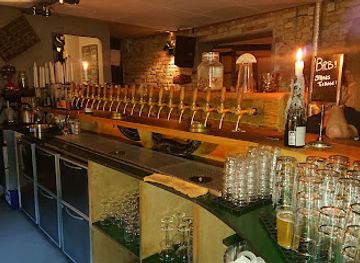
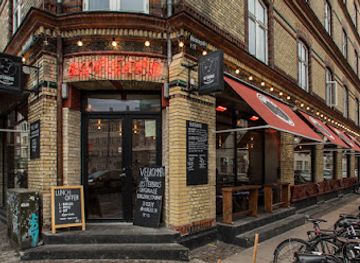
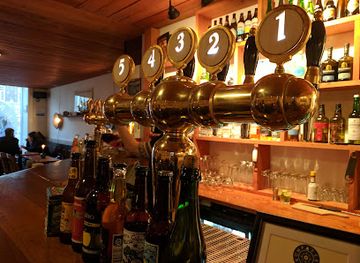
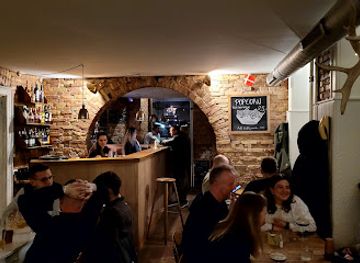
Østerbro’s evening life is relatively restrained compared with Copenhagen’s central nightlife districts. The liveliest concentration of casual bars and cafés is around Østerbrogade and Trianglen, where residents meet for drinks, coffee or an early evening meal. Cultural venues provide a more substantial night-time focus: Østre Gasværk Theatre hosts major performances in an atmospheric former industrial building, while Parken brings football crowds, concerts and other large events. The neighbourhood has some wine bars and relaxed drinking places, but it is not primarily a clubbing destination and late-night options are more limited than in Nørrebro, Vesterbro or the city centre. After performances or stadium events, transport corridors can become busy, whereas much of Østerbro returns quickly to the quiet rhythm of a residential district.
-
Bar
Søernes Ølbar
Top-rated craft beer bar offering lakeside views and a diverse tap list, Søernes Ølbar captures the essence of Copenhagen’s relaxed social scene in Østerbro.
7 min walk · 0.5 km from neighbourhood centre
-
Bar
ØB
ØB is a legendary neighborhood bar in Østerbro, Copenhagen, famous for its lively atmosphere, cold beers, classic burgers, and cozy, local Danish hospitality.
6 min walk · 0.5 km from neighbourhood centre
-
Bar
Kompasset Ølbar
Trendsetting craft beer bar in Østerbro, Kompasset Ølbar offers a rotating tap selection, expert staff, and an inviting local atmosphere amid Copenhagen’s vibrant neighborhoods.
15 min walk · 1.2 km from neighbourhood centre
-
Bar
Tap10
Experience Nordic craft beer excellence at Tap10, Østerbro's cozy bar with rotating taps and rustic charm.
9 min walk · 0.7 km from neighbourhood centre
Best nightclubs in Østerbro
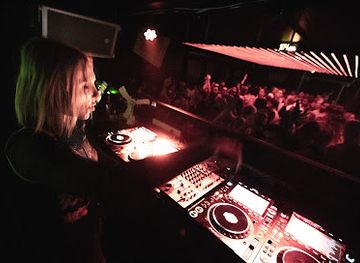
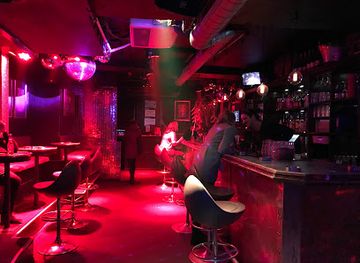
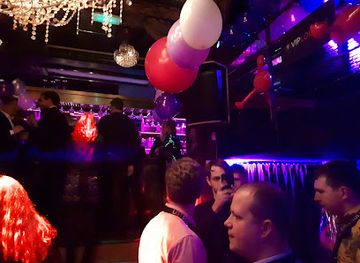
Østerbro’s evening life is relatively restrained compared with Copenhagen’s central nightlife districts. The liveliest concentration of casual bars and cafés is around Østerbrogade and Trianglen, where residents meet for drinks, coffee or an early evening meal. Cultural venues provide a more substantial night-time focus: Østre Gasværk Theatre hosts major performances in an atmospheric former industrial building, while Parken brings football crowds, concerts and other large events. The neighbourhood has some wine bars and relaxed drinking places, but it is not primarily a clubbing destination and late-night options are more limited than in Nørrebro, Vesterbro or the city centre. After performances or stadium events, transport corridors can become busy, whereas much of Østerbro returns quickly to the quiet rhythm of a residential district.
-
Night club
Culture Box
Iconic Copenhagen electronic music club offering vibrant DJ nights, cutting-edge sound, and a legendary dance floor experience in a minimalist downtown setting.
5 min drive · 1.7 km from neighbourhood centre
-
Gay night club
Cosy Bar
Historic gay nightclub in Copenhagen’s Latin Quarter, celebrated for inclusive parties, vibrant drag shows, and non-stop dancing late into the night.
7 min drive · 2.4 km from neighbourhood centre
-
Night club
Arch
Arch Nightclub in Copenhagen offers an exclusive, high-octane nightlife experience, renowned for its immersive light shows, top-tier DJs, and glamorous party crowd.
6 min drive · 2.0 km from neighbourhood centre
-
Night club
Chateau Motel
Four floors of eclectic music, neon-lit interiors, and inclusive party vibes in the beating heart of Copenhagen’s nightlife scene.
7 min drive · 2.5 km from neighbourhood centre

Best shops in Østerbro
Shopping in Østerbro is centred on everyday local commerce rather than a large destination mall. Østerbrogade is the principal retail street, with bakeries, cafés, delicatessens, pharmacies, fashion shops, homeware stores and other independent businesses arranged around neighbourhood landmarks such as Trianglen. Smaller streets offer a more residential mix of specialist services, food shops and boutiques, while the area around Østerport connects shopping with museums and routes towards the historic waterfront. Visitors should expect practical Danish design, quality food products and small-scale retail rather than a concentrated market district or extensive souvenir trade. The distinction from central Copenhagen is part of the appeal: shops primarily serve residents, and browsing works best when combined with a walk through the lakeside streets, Fælledparken or the villa-lined northern sections of the district.
-
Thrift store
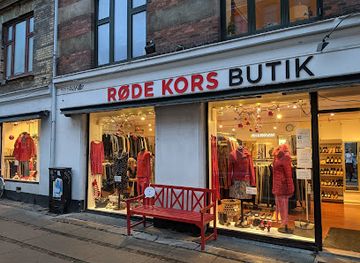
Red Cross Op Shop
A vibrant Østerbro thrift store where sustainable shopping, Danish design, and community spirit support Red Cross humanitarian work.
10 min walk · 0.8 km from neighbourhood centre
Østerbro essentials
Getting There
Getting Around
Safety
Emergency Situations
Do's and Don'ts
Local Tips

From Eve
Local phrases worth knowing
You don't need to get them perfect. A few words go a long way, and locals appreciate the effort.
Basics
| English | Local | Say it |
|---|---|---|
| Hello | Hej | [hey] |
| Goodbye | Farvel | [far-vel] |
| Yes | Ja | [ya] |
| No | Nej | [ney] |
| Please/You're welcome | Vær så god | [vær so god] |
| Thank you | Tak | [tak] |
| Excuse me/Sorry | Undskyld | [un-skeel] |
| How are you? | Hvordan har du det? | [vor-dan har du deh] |
| Fine. And you? | Fint. Og du? | [fint oh du] |
| Do you speak English? | Taler du engelsk? | [ta-ler du engelsk] |
| I don't understand | Jeg forstår ikke | [yai for-stor ee-keh] |
Eating & Drinking
| English | Local | Say it |
|---|---|---|
| I'd like to see the menu, please | Jeg vil gerne se menuen, tak | [yai vil geir-ne seh me-nu-en, tak] |
| I don't eat meat | Jeg spiser ikke kød | [yai spee-ser ee-keh keu-d] |
| Cheers! | Skål! | [skol] |
| I would like to pay, please | Jeg vil gerne betale, tak | [yai vil geir-ne be-ta-le, tak] |
Emergencies
| English | Local | Say it |
|---|---|---|
| Help! | Hjælp! | [hyel-p] |
| Go away! | Gå væk! | [go vek] |
| Call the Police! | Ring til politiet! | [ring til po-lee-tee-et] |
| Call a doctor! | Ring efter en læge! | [ring ef-ter en lay-e] |
| I'm lost | Jeg er gået vild | [yai er go-et vil-d] |
| I'm ill | Jeg er syg | [yai er soog] |
Shopping
| English | Local | Say it |
|---|---|---|
| I'd like to buy... | Jeg vil gerne købe... | [yai vil geir-ne keu-be] |
| I'm just looking | Jeg kigger bare | [yai ki-ger ba-re] |
| How much is it? | Hvor meget koster det? | [vor mei-et koh-ster deh] |
| That's too expensive | Det er for dyrt | [deh er for dyr-t] |
| Can you lower the price? | Kan du sænke prisen? | [kan du sain-ke pree-sen] |
Time & Numbers
| English | Local | Say it |
|---|---|---|
| What time is it? | Hvad er klokken? | [vad er klok-ken] |
| It's one o'clock | Der er et | [deh er et] |
| Half past (10) | Halv ti | [halv tee] |
| Morning | Morgen | [mor-gen] |
| Afternoon | Eftermiddag | [ef-ter-mi-daeg] |
| Evening | Aften | [af-ten] |
| Yesterday | I går | [ee go-er] |
| Today | I dag | [ee day] |
| Tomorrow | I morgen | [ee mor-gen] |
| 1 | Et | [et] |
| 2 | To | [to] |
| 3 | Tre | [tre] |
| 4 | Fire | [fee-re] |
| 5 | Fem | [fem] |
| 6 | Seks | [seks] |
| 7 | Syv | [suev] |
| 8 | Otte | [ot-te] |
| 9 | Ni | [nee] |
| 10 | Ti | [tee] |
Transport & Directions
| English | Local | Say it |
|---|---|---|
| Where's a/the...? | Hvor er en/den...? | [vor er en/den] |
| What's the address? | Hvad er adressen? | [vad er a-dres-en] |
| Can you show me (on the map)? | Kan du vise mig (på kortet)? | [kan du vi-se mei (po kort-et)] |
| When's the next (bus)? | Hvornår er næste (bus)? | [vor-nar er nes-te (bus)] |
| A ticket (to ....) | En billet (til ....) | [en bi-let (til)] |
History of Østerbro
Fields Beyond Østerport
The name Østerbro means eastern bridge or eastern approach, a reference to the route leading out through Østerport, one of Copenhagen’s historic city gates. Before large-scale urbanisation, the area beyond the fortifications was largely open land, farms and common fields rather than a continuous city district. Its position outside the walls shaped its early character: it was close enough to serve Copenhagen but remained agricultural and spacious. The broad common lands that later became Fælledparken were used for grazing, military exercises and public gatherings, creating an enduring association between Østerbro and open ground.
Urban Expansion After the Ramparts
In the second half of the nineteenth century, Copenhagen’s population growth and the weakening of the old fortifications allowed building to spread into Østerbro. Streets were laid out across former fields, and late nineteenth-century apartment blocks transformed the area into a substantial residential quarter. Østerbrogade became its commercial axis, while institutions, churches and schools followed the expanding population. The district developed a more spacious urban form than the older centre, with wider streets, courtyards and room for villas and public facilities. This period established much of the architectural framework that still defines Østerbro.
Sport, Parks and the Free Port
The early twentieth century brought important changes to Østerbro’s public landscape. Fælledparken was created from the former common lands in the early 1900s, becoming a major recreational space for Copenhagen. Copenhagen’s municipal sports complex, opened in 1911 and later known as Parken, established the neighbourhood as a centre for football and large public events. Nearby, the Free Port, opened in 1894, brought docks, warehouses and industrial activity to the harbour-side edge, although the port area has its own distinct history and is closely associated with today’s Nordhavn.
A Mature Cultural and Residential District
During the twentieth century Østerbro consolidated its identity as a prosperous residential area with strong civic and cultural institutions. Museums, galleries, theatres, sports facilities and public parks complemented the established streets of apartment buildings and villas. Later redevelopment around the harbour and Nordhavn introduced new housing and workplaces nearby, while projects such as Enigma and the continuing use of Østre Gasværk have added contemporary cultural dimensions. Despite these changes, Østerbro remains recognisable for its balance of domestic streets, large green spaces, lakeside routes and access to the northern waterfront.
Østerbro in Photos
Browse through our photo collection highlighting the charm and character of the destination.
Neighbourhoods near Østerbro
The closest neighbourhoods to Østerbro, if you have time for more than one stop.
-
-
-

-


Swipe for more neighbourhoods
Explore more

Explore more of Copenhagen
Copenhagen blends royal palaces, harbour architecture, bicycle culture and New Nordic food with centuries of Danish history, design and lively neighbourhoods to explore.
Explore Copenhagen