

Frederiksberg, Copenhagen Travel Guide
Discover Frederiksberg, Copenhagen's green oasis with charming parks, cultural treasures, and culinary delights, perfect for a serene and enriching travel experience.
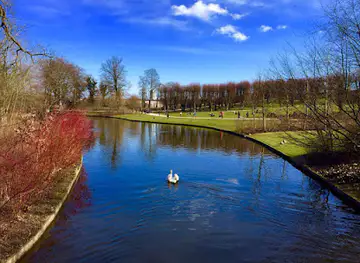
Frederiksberg, an independent municipality nestled within Copenhagen, offers a unique blend of lush green spaces, elegant architecture, and a vibrant cultural scene. Known for its leafy boulevards and well-maintained parks, Frederiksberg is a haven for nature lovers and those seeking a tranquil escape from the bustling city center. The centerpiece of the neighborhood is the expansive Frederiksberg Gardens, a beautiful park featuring winding pathways, serene lakes, and the stunning Frederiksberg Palace, a baroque masterpiece offering panoramic views of the city. In addition to its natural beauty, Frederiksberg boasts a rich cultural heritage. The area is home to numerous museums, such as the Cisterns, an underground art space housed in a former water reservoir, and the Storm P. Museum, dedicated to the Danish humorist Robert Storm Petersen. The neighborhood is also a culinary hotspot, with an array of charming cafes, gourmet restaurants, and bustling food markets like the Frederiksberg Allé, where visitors can sample local delicacies and international cuisine. Frederiksberg's elegant streets are lined with boutique shops, offering everything from high-end fashion to unique Danish design. The neighborhood's vibrant atmosphere is enhanced by its calendar of events, including outdoor concerts, theater performances, and seasonal markets. Whether you're strolling through the picturesque gardens, exploring the cultural landmarks, or indulging in the local gastronomy, Frederiksberg offers a delightful and enriching experience for every traveler.

Know before you go
Hi, I'm Eve. Here are a few practical things to know before exploring Frederiksberg.
- Visit Frederiksberg Gardens early in the morning to enjoy the tranquil atmosphere and avoid the crowds.
- Rent a bike to explore the neighborhood's scenic boulevards and hidden gems at your own pace.
- Don't miss the view from Frederiksberg Palace; it's one of the best vantage points in the city.
- Check the schedule for events at the Cisterns and Frederiksberg Allé to experience local culture and entertainment.
- Try the local Danish pastries at one of the neighborhood's many bakeries for an authentic taste of Copenhagen.
Explore Frederiksberg: Things to Do, Places to Eat, Hotels & More
Handpicked recommendations for top attractions, local dining, accommodations, and more

Best attractions in Frederiksberg
Top-rated picks
Best Attractions
Frederiksberg Palace
Renaissance splendor, regal treasures, and royal intrigue await within Rosenborg Castle, set amid the enchanting King’s Garden in central Copenhagen.
Frederiksberg Walk of Fame
Explore the Frederiksberg Walk of Fame, where Denmark's cultural legends are celebrated along a historic, tree-lined avenue.

Cisterns in Søndermarken
Discover Danish celebrity history and culture under the trees of Frederiksberg Allé, where handprints and names honor the stars of Denmark’s stage and screen.

Falkonerbrønden
A star-studded stroll in Copenhagen: the Frederiksberg Walk of Fame celebrates Danish legends along one of the city’s most iconic boulevards.

Best landmarks in Frederiksberg
Top-rated picks
Best Landmarks

Frederiksberg Gardens
Stroll through Frederiksberg Gardens, a lush, historic oasis featuring royal palace views, romantic lakes, and enchanting hidden corners in the heart of Frederiksberg.
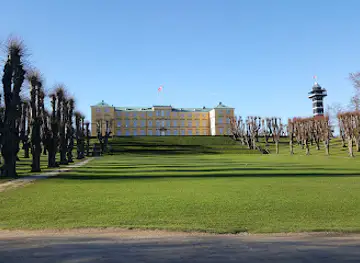
Frederiksberg Palace
Frederiksberg Palace: majestic Baroque castle on Frederiksberg Hill, surrounded by elegant gardens, royal history, and panoramic views in the heart of Copenhagen.
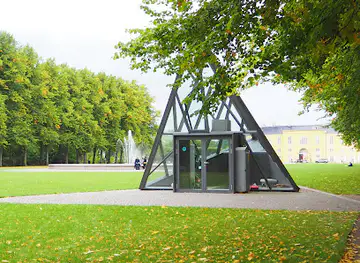
Cisterns in Søndermarken
A hidden underground reservoir in Søndermarken Park, now an atmospheric venue for contemporary art installations and sensory experiences in Frederiksberg.

Søndermarken
Historic parklands in Frederiksberg with grand avenues, romantic woodlands, royal pavilions, and subterranean secrets—an urban oasis blending nature and history.

Best restaurants in Frederiksberg
Top-rated picks
Best Restaurants
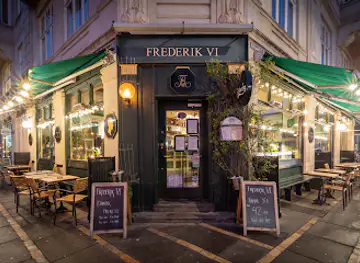
Frederik the VI
Discover culinary delights at Frederik the VI - a vibrant restaurant and pub serving authentic Danish cuisine in Frederiksberg C.
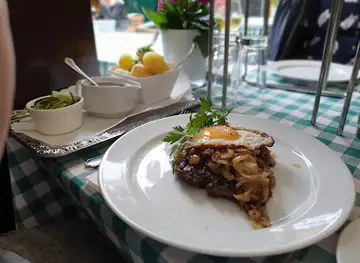
Hansens Gamle Familiehave
Hansens Gamle Familiehave—a historic Frederiksberg garden restaurant famed for classic Danish cuisine, family-friendly charm, and over 170 years of tradition in scenic surroundings.

Enomania
Intimate Italian restaurant in Frederiksberg celebrated for expertly paired wine menus, exceptional Mediterranean cuisine, and an atmospheric, welcoming dining experience.

Ewalds Brasserie
Classic Danish-French brasserie in the heart of Frederiksberg, offering seasonal menus, a cozy atmosphere, and stunning garden views for an authentic local dining experience.

Best bars in Frederiksberg
Top-rated picks
Best Bars
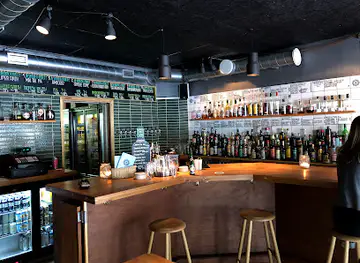
Himmeriget
Iconic Frederiksberg bar lauded for its rare beers, cozy Nordic ambiance, and status as a leading destination for global craft brew enthusiasts.

Bootleggers Craft Beer Bar - Frederiksberg
Discover Bootleggers Craft Beer Bar: Frederiksberg’s lively destination for rotating Danish microbrews, global classics, and an inviting community of beer enthusiasts.
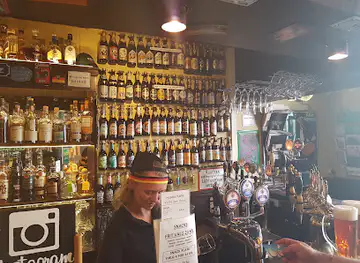
Berlin Bar
Experience the quirky charm and vintage flair of Berlin Bar, Frederiksberg’s beloved local hangout blending retro Berlin spirit with Danish hygge and late-night buzz.
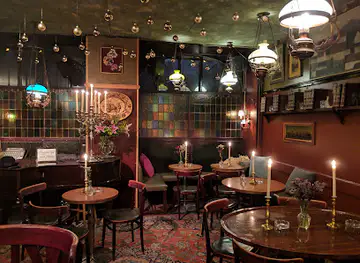
Cafe Intime
History-soaked cabaret bar in Frederiksberg with candlelit charm, legendary live piano, vintage ambience, and an inclusive spirit in Copenhagen's artsy heart.

Best nightclubs in Frederiksberg
Top-rated picks
Best Nightclubs

Haven - Events
Experience the pulse of Frederiksberg's nightlife at Haven, where music, dance, and style converge for unforgettable evenings.

The Union
Discover The Union: Copenhagen's hidden speakeasy offering exceptional cocktails and a vibrant nightlife experience.

Falafelberg
Experience the vibrant fusion of music and Middle Eastern cuisine at Falafelberg, Frederiksberg's premier night club.

Vela Lesbian Lgbtq+ NightClub
Vela is Copenhagen’s renowned lesbian and LGBTQ+ nightclub, celebrated for themed parties, drag shows, and an inclusive atmosphere in Vesterbro’s vibrant nightlife scene.

Best shops in Frederiksberg
Top-rated picks
Best Shops

Frederiksberg Centret
Frederiksberg Centret offers a sleek, Scandinavian shopping experience with 90+ stores, cafés, and events in the chic heart of Frederiksberg, steps from the Metro.

Royal Copenhagen - Outlet
Discover Danish porcelain heritage and timeless design at discounted prices in Frederiksberg’s celebrated Royal Copenhagen Outlet, close to the city’s green heart.

Explore Frederiksberg on the Map
A handpicked selection of must-see spots in Frederiksberg, mapped for you.
Frederiksberg Essentials
-
Frederiksberg is easily accessible from other neighborhoods in Copenhagen. You can take the Metro (M1 or M2 lines) to Frederiksberg station, which is centrally located. Additionally, several bus lines, including 1A, 2A, and 14, connect Frederiksberg to the rest of the city. For those traveling from the Copenhagen Central Station, a short train ride on the S-train network will also take you to Frederiksberg.
-
Frederiksberg is a compact neighborhood that is best explored by bicycle or on foot. The city has an extensive bike-sharing program, and you can easily rent a bike from various locations. Public transport, including the Metro and buses, is efficient and well-connected. Numerous bus lines run through Frederiksberg, making it convenient to reach nearby attractions.
-
Frederiksberg is generally considered a safe neighborhood for tourists, with low crime rates. However, like any urban area, it is wise to remain vigilant, especially in crowded places. While there are no specific high-crime areas targeting tourists, it's recommended to avoid poorly lit streets at night and to keep your belongings secure.
-
In case of an emergency, dial 112 for immediate assistance, which is the emergency number for police, fire, and medical services in Denmark. Local hospitals and clinics are available for medical emergencies, and pharmacies can assist with minor health issues. It is advisable to have travel insurance that covers medical expenses.
-
Fashion: Do dress neatly and casually; locals appreciate a well-put-together appearance. Don't wear overly revealing clothing, especially when visiting public buildings. Religion: Do respect local traditions and practices, particularly when visiting churches. Public Transport: Do give up your seat for the elderly or those in need. Don't eat or drink on public transport. Greetings: Do greet with a friendly smile and a firm handshake. Eating & Drinking: Do try local cafes and restaurants; they often have unique offerings. Don't tip excessively; rounding up the bill is appreciated but not required.
-
To experience Frederiksberg like a local, visit the Frederiksberg Gardens, a beautiful park ideal for picnics and leisurely strolls. Explore the local food scene by trying out the various eateries in the area, especially those serving traditional Danish dishes. Visit the local markets for fresh produce and artisanal products, and don't hesitate to engage with the friendly locals, who are often happy to share recommendations for hidden gems in the neighborhood.
Useful Local Phrases for Frederiksberg
You don't need to speak the language perfectly. Even learning a few simple words can make conversations warmer—and locals usually appreciate the effort.
— Eve

Here are the phrases I use most often in Frederiksberg. Try a few—you'll be surprised how far they go! 😊
❤️
-
- HelloHej
[hey] - GoodbyeFarvel
[far-vel] - YesJa
[ya] - NoNej
[nay] - Please/You're welcomeVær så venlig
[ver so ven-lee] - Thank youTak
[tak] - Excuse me/SorryUndskyld
[oon-skool] - How are you?Hvordan har du det?
[vohr-dan har doo deht] - Fine. And you?Fint. Og dig?
[feent oh dee] - Do you speak English?Taler du engelsk?
[tah-ler doo eng-elsk] - I don't understandJeg forstår ikke
[yay for-stor ee-keh]
- HelloHej
-
- I'd like to see the menu, pleaseJeg vil gerne se menuen, tak
[yay vil gehr-neh seh meh-new-en tak] - I don't eat meatJeg spiser ikke kød
[yay spee-ser ee-keh kuhd] - Cheers!Skål!
[skawl] - I would like to pay, pleaseJeg vil gerne betale, tak
[yay vil gehr-neh beh-tah-le tak]
- I'd like to see the menu, pleaseJeg vil gerne se menuen, tak
-
- Help!Hjælp!
[hyehlp] - Go away!Gå væk!
[goh vehk] - Call the Police!Ring til politiet!
[ring teel poh-lee-tee-eh] - Call a doctor!Ring efter en læge!
[ring ef-tehr en lay-eh] - I'm lostJeg er faret vild
[yay air far-et veeld] - I'm illJeg er syg
[yay air soog]
- Help!Hjælp!
-
- I'd like to buy...Jeg vil gerne købe...
[yay vil gehr-neh koo-beh] - I'm just lookingJeg kigger bare
[yay kee-guhr bah-reh] - How much is it?Hvor meget koster det?
[vohr meh-et koh-stehr deht] - That's too expensiveDet er for dyrt
[deht air for deert] - Can you lower the price?Kan du sænke prisen?
[kahn doo sahn-keh pree-sen]
- I'd like to buy...Jeg vil gerne købe...
-
- What time is it?Hvad er klokken?
[vahd air kloh-ken] - It's one o'clockDen er et
[dehn air et] - Half past (10)Halv ti
[halv tee] - MorningMorgen
[mohr-gehn] - AfternoonEftermiddag
[ef-ter-mee-dahg] - EveningAften
[ahf-ten] - YesterdayIgår
[ee-gohr] - TodayI dag
[ee dah] - TomorrowI morgen
[ee mohr-gehn] - 1En
[en] - 2To
[toh] - 3Tre
[treh] - 4Fire
[fee-reh] - 5Fem
[fem] - 6Seks
[seks] - 7Syv
[soov] - 8Otto
[oh-toh] - 9Ni
[nee] - 10Ti
[tee]
- What time is it?Hvad er klokken?
-
- Where's a/the...?Hvor er en/den...
[vohr air en/dehn] - What's the address?Hvad er adressen?
[vahd air a-drehs-sehn] - Can you show me (on the map)?Kan du vise mig (på kortet)?
[kahn doo vee-seh mee (poh kohr-teh)] - When's the next (bus)?Hvornår er næste (bus)?
[vohr-nohr air nay-steh (boos)] - A ticket (to ....)En billet (til ....)
[en bee-leht (teel)]
- Where's a/the...?Hvor er en/den...
History of Frederiksberg
-
Frederiksberg began as a rural area in the 17th century, primarily known for its agricultural land and hunting grounds. The establishment of Frederiksberg Palace in 1699 marked the transformation of the area into a fashionable retreat for the Danish royal family, symbolizing the opulence of the Baroque era.
-
Frederiksberg was officially declared a municipality in 1857, gaining independence from the city of Copenhagen. This status allowed for significant urban development and the establishment of infrastructure, including schools, parks, and public services, fostering a distinct identity separate from the capital.
-
The 19th century saw Frederiksberg flourish as a center of culture and the arts. The construction of the Frederiksberg Gardens, inspired by the designs of European landscape architects, provided a serene environment for the public and became a popular gathering spot. The area also attracted artists, musicians, and writers, contributing to its cultural vitality.
-
As Copenhagen industrialized in the late 19th and early 20th centuries, Frederiksberg experienced urbanization and demographic changes. Factories and businesses emerged, drawing workers to the area. Despite this industrial growth, Frederiksberg managed to maintain its residential character and green spaces.
-
After World War II, Frederiksberg underwent significant modernization, with new housing developments and public amenities. The establishment of the Frederiksberg Metro Station in the 2000s improved connectivity with Copenhagen, further solidifying Frederiksberg's status as a desirable urban locality with a blend of historical charm and contemporary living.
Neighbourhoods near Frederiksberg
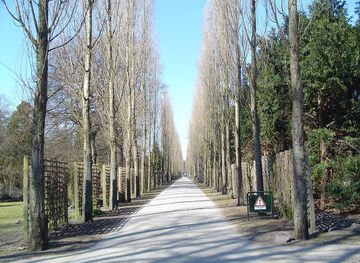
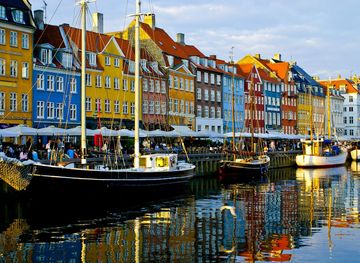
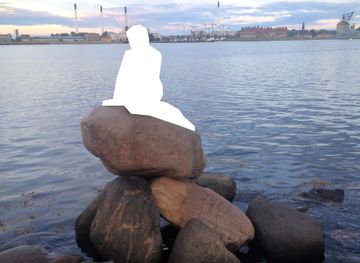
The closest neighbourhoods to Frederiksberg, if you have time for more than one stop.


Your all‑in‑one travel companion app
Explore expert travel guides, compare and book tours, experiences, hotels, and more—all from the palm of your hand. Download now for seamless trip planning wherever your wanderlust takes you.


Explore More of Copenhagen

Looking beyond Frederiksberg? Discover Copenhagen for broader travel guides, local hot-spots, and regional highlights.
Explore CopenhagenFrederiksberg in Photos
Browse through our photo collection highlighting the charm and character of the destination.

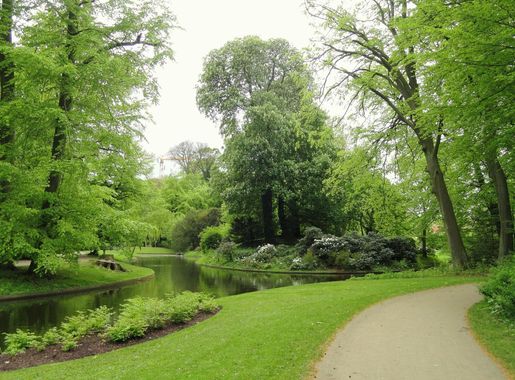


Frederiksberg: The Green Oasis of Copenhagen
Frederiksberg, an independent municipality nestled within Copenhagen, offers a unique blend of lush green spaces, elegant architecture, and a vibrant cultural scene. Known for its leafy boulevards and well-maintained parks, Frederiksberg is a haven for nature lovers and those seeking a tranquil escape from the bustling city center. The centerpiece of the neighborhood is the expansive Frederiksberg Gardens, a beautiful park featuring winding pathways, serene lakes, and the stunning Frederiksberg Palace, a baroque masterpiece offering panoramic views of the city. In addition to its natural beauty, Frederiksberg boasts a rich cultural heritage. The area is home to numerous museums, such as the Cisterns, an underground art space housed in a former water reservoir, and the Storm P. Museum, dedicated to the Danish humorist Robert Storm Petersen. The neighborhood is also a culinary hotspot, with an array of charming cafes, gourmet restaurants, and bustling food markets like the Frederiksberg Allé, where visitors can sample local delicacies and international cuisine. Frederiksberg's elegant streets are lined with boutique shops, offering everything from high-end fashion to unique Danish design. The neighborhood's vibrant atmosphere is enhanced by its calendar of events, including outdoor concerts, theater performances, and seasonal markets. Whether you're strolling through the picturesque gardens, exploring the cultural landmarks, or indulging in the local gastronomy, Frederiksberg offers a delightful and enriching experience for every traveler.