

Kolo Travel Guide
Free Guide: Vegetable-led comfort food, natural wine and allotment-garden ease in a modern Nordic dining room on Aarhus’ lively Guldsmedgade.


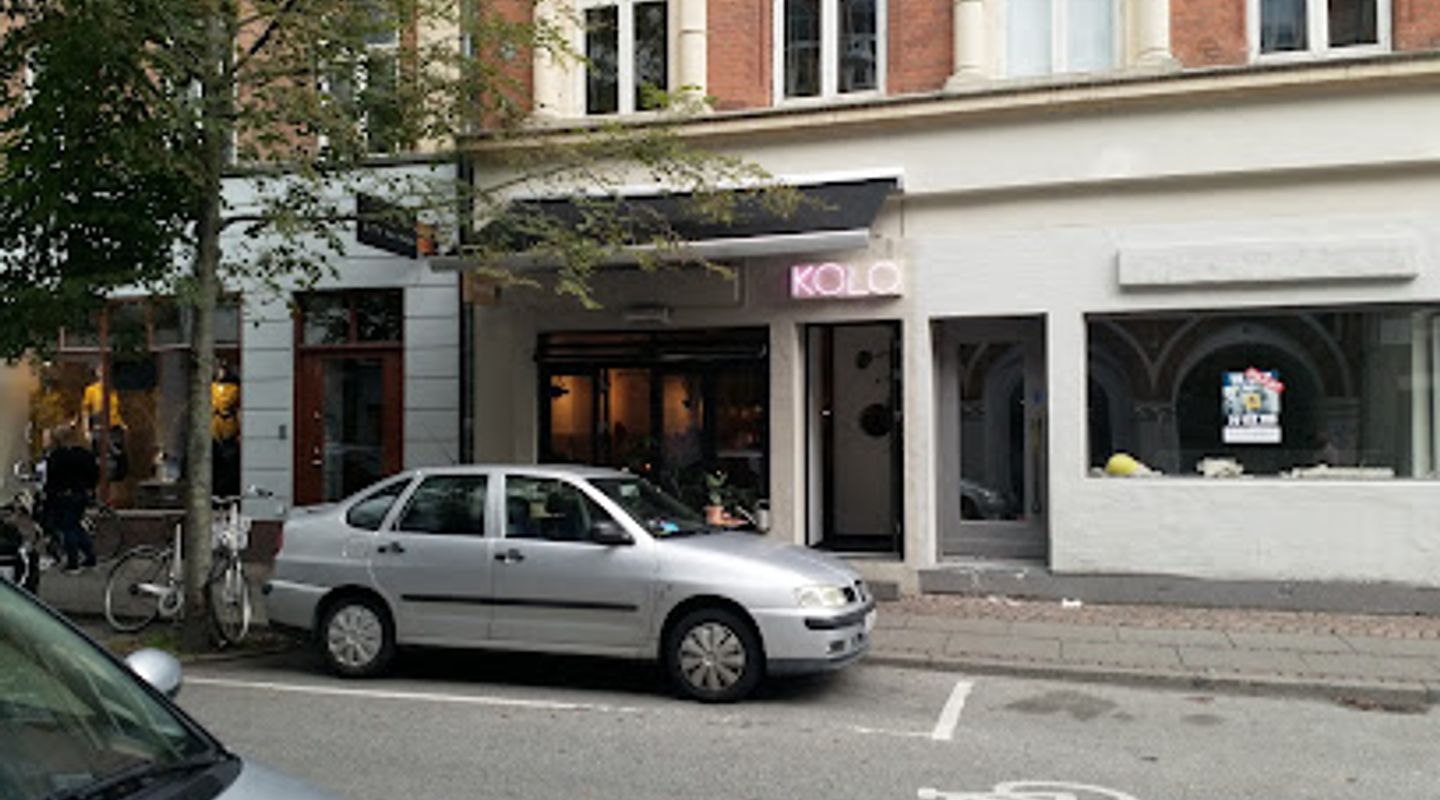
A brief summary of Kolo
Vegetable-led comfort food, natural wine and allotment-garden ease in a modern Nordic dining room on Aarhus’ lively Guldsmedgade.
Kolo is a modern, vegetable-forward restaurant in Aarhus’ Guldsmedgade that channels the feeling of a Danish allotment garden into a relaxed urban dining room. Expect creative, umami-rich takes on kebab, flatbreads and seasonal small plates, built around sustainable, often organic produce and natural wines on tap. Long evening hours, warm service and a softly lit Nordic interior make it as suited to a lingering dinner with friends as to a laid-back date night.
On-site amenities
 Drink options
 Food options
 Seating areas
 Restrooms
Opening hours
- MonClosed
- Tue5 pm–11 pm
- Wed5 pm–11 pm
- Thu5 pm–12 am
- Fri5 pm–2 am
- Sat5 pm–2 am
- SunClosed
Opening hours as listed on the venue’s Google Business Profile. Hours can change for services and special events, so check with the venue before you go.
- Address
- Guldsmedgade 32, 8000 Aarhus Centrum
- Phone
- Website
Getting there
Walking from central Aarhus
City bus within Aarhus
Light rail and bus combination
Taxi from Aarhus H (central station)
Discover more about Kolo
Nordic allotment vibes in the Latin Quarter
Kolo sits on Guldsmedgade in Aarhus’ atmospheric Latin Quarter, but its soul is inspired by something far more down-to-earth: the Danish kolonihave, or allotment garden. The idea is to offer a city hideaway where you can breathe out, share food and linger over a glass of wine as if you were in a leafy garden plot after a long day. Inside, that concept turns into a relaxed, almost homely dining room where nothing feels stiff, yet everything is carefully considered.The entrance opens into a warmly lit space with a distinctly Nordic feel: pale wood, simple lines, and an easy flow between bar, high tables and more intimate corners. Potted plants, soft lamps and natural textures echo the garden theme without turning it into a gimmick. It is casual enough for jeans and a T‑shirt, but still stylish enough to feel like an evening out.
Plant-led plates with a punch of umami
Kolo’s kitchen puts vegetables at the centre of the plate. Menus have featured deep-fried cauliflower, grilled beets, croquettes and their playful take on kebab and flatbreads, all built to deliver plenty of flavour rather than to preach about health. The cooking leans into char, acidity and spice to create the kind of satisfying umami depth that keeps you reaching back for one more bite.Many dishes are ideal for sharing: small plates to mix and match, snacks to open the evening and generous breads that anchor the table. While the food is very friendly to vegetarians and those curious about plant-based eating, it is designed to appeal just as much to diners who usually centre their meals around meat. Seasonality is important, so you can expect the line-up to shift with what is fresh and available.
Sustainability woven into the experience
Sustainability at Kolo is more than a buzzword. The kitchen works with a strong focus on organic and responsibly sourced ingredients, minimising waste and making the most of humble vegetables. The allotment-garden inspiration is visible in the way produce is handled: roots, greens and herbs are layered, pickled or charred rather than treated as simple side garnishes.At the bar, natural wines take pride of place, sometimes even poured from taps to reduce packaging and keep the offering accessible. The drinks list often highlights easy-drinking, food-friendly bottles alongside low- or no-alcohol options, making it simple to tailor the evening to your pace. Prices are deliberately kept at a mid-level, aiming to make sustainable dining a weeknight possibility rather than a rare luxury.
From early evening calm to late-night energy
Arrive early in the evening and Kolo feels almost like a calm living room: candles flicker on the tables, voices stay low and servers have time to talk you through the menu. Later at night, especially towards the weekend, the mood shifts gently into something more social and lively as groups settle in for long dinners and the bar comes into its own.Extended kitchen hours on busy nights mean it is one of the spots where you can still get a proper meal late in the evening in central Aarhus. On selected evenings there may be a soundtrack from a DJ or curated playlists that lean towards laid-back beats rather than anything overpowering, keeping the space firmly in the realm of restaurant rather than nightclub.
Thoughtful details and a sense of refuge
Part of Kolo’s charm lies in its details. The tableware often leans towards handcrafted ceramics, the lighting is tuned to flatter both food and faces, and the layout allows both people-watching and a certain degree of privacy. Solo diners can settle at the bar or a small table with a good view of the room, while couples and small groups tuck into corners that feel sheltered from the street outside.Even though the restaurant sits in one of Aarhus’ busier central streets, once you step inside the focus narrows to the table, the people you are with and what is in your glass. It is very much a city restaurant, but with that allotment-garden idea of being a small refuge built into its bones: a place to slow down, savour and then step back out into the urban bustle feeling just a little bit reset.
Evendo Review Centre
 Google
Guest reviews
Best time to go
Quietest: Jan, Feb & Mar · at 3am or at 12pm or at 1pm
Busy times are Evendo estimates for a typical year, to help you plan. Actual crowds vary with events, school holidays and the weather.
Explore Kolo on the map
A handpicked selection of must-see spots near Kolo, mapped for you.
Get your free copy of our complete guide to Kolo, delivered straight to you.
Everything on this page, from opening hours and how to get there to Eve’s tips and the best time to go, in one PDF you can read offline, print or share.
Already have an account? Sign in
Your Kolo guide is ready.
We'll send it to · Not you? Sign out

Getting your guide ready…
We are putting together a fresh copy of the Kolo guide. This can take up to a minute.
This can take a few moments. If your browser asks, choose Allow so the download can start. You'll find the guide in your Downloads folder.
Nothing happened? Download it again
Sorry, the guide is taking longer than usual. Please try again in a minute, or get it by email instead.
Other nearby places you may find interesting
The closest places of the same kind, if this one is not quite what you had in mind.
-
-
-
-
-


Swipe for more places
More to explore near Kolo

 Best experiences near Kolo
 Best hotels near Kolo
 Best bars near Kolo
Do you manage this location?
Take control to get all the benefits, like improved information, better appearance, and stronger visibility across AI-powered discovery.
Explore more

Explore more of East Jutland
Discover East Jutland, Denmark's enchanting region blending vibrant cities, rich history, and stunning natural landscapes, perfect for every type of traveler.
Explore East Jutland
Explore more of Denmark
Discover Denmark: A perfect blend of history, modern design, and the cozy concept of hygge. Explore vibrant cities, serene landscapes, and world-class cuisine.
Explore Denmark
