Funen Opera Travel Guide
Free Guide: Intimate Danish opera on a human scale in central Odense, blending classic works and bold new compositions in a modern, close-up performance space.


A brief summary of Funen Opera
Intimate Danish opera on a human scale in central Odense, blending classic works and bold new compositions in a modern, close-up performance space.
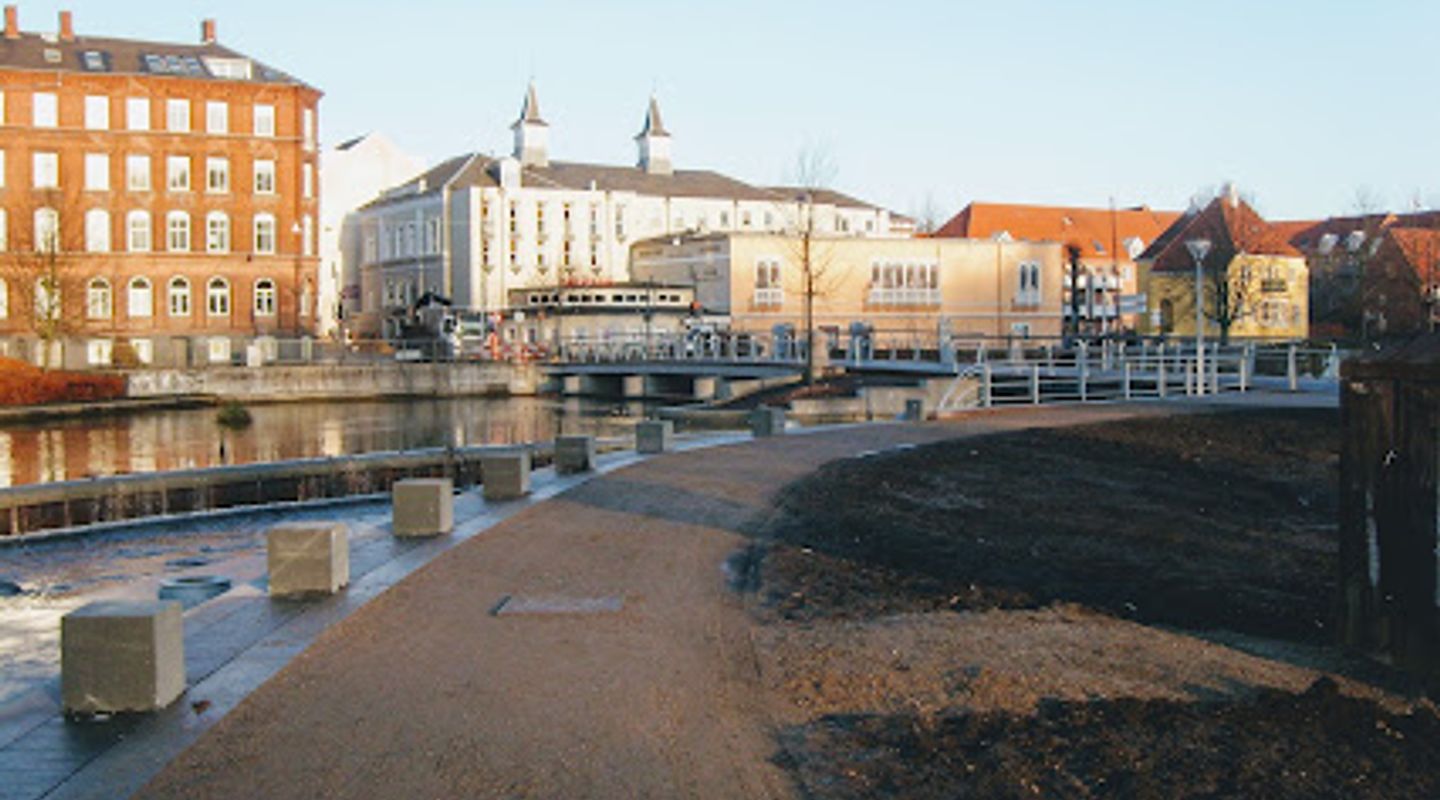
Funen Opera (Den Fynske Opera) is an intimate, contemporary opera house in the heart of Odense, set just off the green banks of Munke Mose park on Filosofgangen. Founded on Funen’s operatic tradition dating back to 1948, it presents a mix of classic works, new Danish compositions and experimental chamber opera in a compact black-box style auditorium. Expect close-up performances, clear acoustics, inventive staging and a relaxed, welcoming foyer that feels more local cultural hub than grand opera temple.
On-site amenities
 Restrooms
 Drink options
 Food options
 Seating areas
 Trash bins
 Information boards
- Address
- Filosofgangen 19, 5000 Odense C
- Phone
- Website
Getting there
Local bus from Odense Station area
Walking from Odense city centre
Bicycle within Odense
Taxi from Odense Station
Discover more about Funen Opera
Opera on a Human Scale in Central Odense
Funen Opera sits quietly on Filosofgangen, a short stroll from the greenery of Munke Mose, but its modest exterior hides one of Denmark’s most vibrant small opera houses. Inside, the focus is firmly on chamber-scale productions where the distance between stage and audience all but disappears. Instead of a grand, gilded auditorium, you step into a compact, modern space designed to pull you into the drama rather than overwhelm you with architecture.The company traces its roots back to a much-praised production of La Bohème in 1948, and it has grown into Funen’s dedicated opera institution. Today, it balances that history with a determination to keep opera alive, agile and relevant in a mid-sized Danish city, working closely with local musicians, directors and designers.
A Stage for New Danish Voices and Fresh Interpretations
The repertoire stretches from beloved classics to newly composed works that test the boundaries of what opera can be. One season might feature a reimagined Mozart or Puccini score alongside an intimate, newly written piece inspired by modern philosophy or contemporary life. Danish composers and librettists are frequent collaborators, making the house an important platform for new national work.Because of the chamber format, productions tend to emphasise storytelling, acting and musical detail over spectacle. Singers are close enough for every expression to register, while a small ensemble or chamber orchestra brings out transparency in the score. It is the kind of place where you notice how a single clarinet line or a whispered aside can shift the emotional temperature of an entire scene.
Atmosphere, Acoustics and Architectural Character
Architecturally, Funen Opera feels more like a purpose-built cultural house than a traditional opera palace. Clean lines, dark stage walls and flexible seating give it a modern, almost minimalist character. The acoustics are tuned for clarity, supporting unamplified voices and instruments without the sound ever becoming harsh or booming, which suits both classical opera and more experimental projects.The foyer doubles as a social space, with a bar counter, small tables and informal seating where audiences gather before the curtain rises. On performance nights it has the buzz of a neighbourhood living room, with artists, students and long-time opera lovers mixing easily. Smaller formats such as foyer concerts, opera pub evenings or talks make the building feel active even when the main stage is dark.
A Cultural Laboratory by the Park
Beyond staged productions, Funen Opera works as a laboratory for new ideas. Collaborations with theatres, ensembles and visual artists bring cross-genre projects that weave opera together with theatre, light installations or digital culture. Seasonal events draw inspiration from Odense’s literary heritage, especially Hans Christian Andersen, whose stories often appear in musical or theatrical form in the city.Its location just beside Munke Mose gives evenings here a pleasant rhythm: many visitors combine a stroll along the river with a night at the opera, especially in the lighter months. In winter, the warm glow from the foyer windows and the promise of live music create a sheltered cultural haven in the city centre.
Planning Your Evening at Funen Opera
Most performances run in the evening, with occasional matinées or shorter foyer events. Seating is typically unhurried rather than formal, but advance booking is recommended, especially for premieres or newly composed works that attract a dedicated local audience. Inside, the atmosphere is relaxed; smart-casual clothing is the norm, and the compact auditorium means that almost every seat offers a clear view of the stage.The house suits both seasoned opera-goers looking for something different and newcomers curious about trying opera without the intimidating scale of a national theatre. With its intimate size, innovative programming and central location, Funen Opera offers a concentrated dose of Odense’s cultural life in a single evening.
Evendo Review Centre
 Google
Guest reviews
Best time to go
Quietest: Jan, Jun & Jul · before 11am
Busy times are Evendo estimates for a typical year, to help you plan. Actual crowds vary with events, school holidays and the weather.
Explore Funen Opera on the map
A handpicked selection of must-see spots near Funen Opera, mapped for you.
Get your free copy of our complete guide to Funen Opera, delivered straight to you.
Everything on this page, from opening hours and how to get there to Eve’s tips and the best time to go, in one PDF you can read offline, print or share.
Already have an account? Sign in
Your Funen Opera guide is ready.
We'll send it to · Not you? Sign out

Getting your guide ready…
We are putting together a fresh copy of the Funen Opera guide. This can take up to a minute.
This can take a few moments. If your browser asks, choose Allow so the download can start. You'll find the guide in your Downloads folder.
Nothing happened? Download it again
Sorry, the guide is taking longer than usual. Please try again in a minute, or get it by email instead.
Other nearby places you may find interesting
The closest places of the same kind, if this one is not quite what you had in mind.
-
-
-
-
-


Swipe for more places
More to explore near Funen Opera

 Best experiences near Funen Opera
 Best hotels near Funen Opera
 Best landmarks near Funen Opera
 Best attractions near Funen Opera
 Best shops near Funen Opera
 Best restaurants near Funen Opera
 Best bars near Funen Opera
Do you manage this location?
Take control to get all the benefits, like improved information, better appearance, and stronger visibility across AI-powered discovery.
Explore more
Explore more of Funen
Discover Funen, Denmark's lush island treasure, where fairy tales come to life amidst scenic landscapes, historic castles, and vibrant cultural heritage.
Explore Funen
Explore more of Denmark
Discover Denmark: A perfect blend of history, modern design, and the cozy concept of hygge. Explore vibrant cities, serene landscapes, and world-class cuisine.
Explore Denmark