

The Funen Village Travel Guide
Free Guide: Step into a full‑scale Funen village of thatched farms, mills and animals, where 18th‑ and 19th‑century rural Denmark is carefully brought back to life.


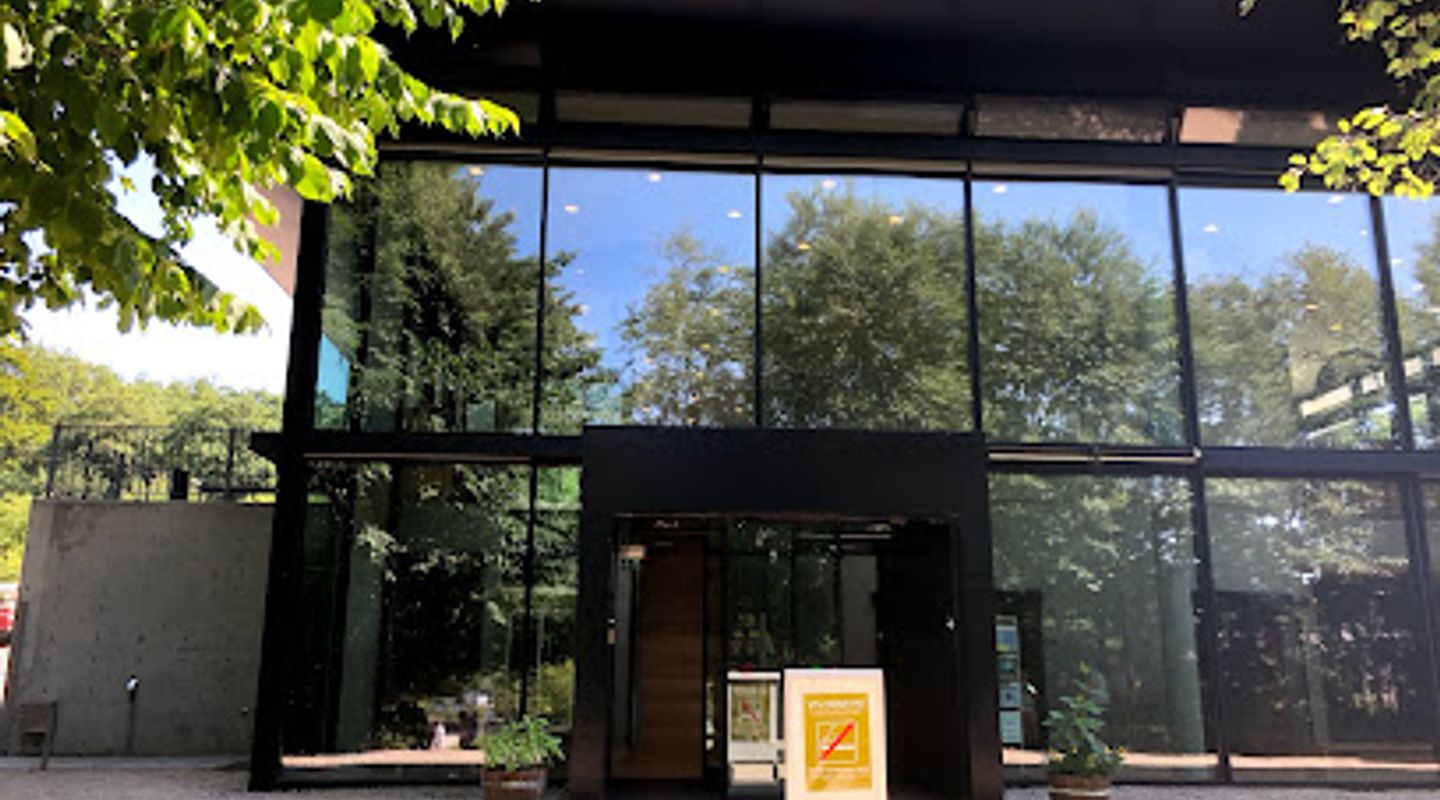
A brief summary of The Funen Village
Step into a full‑scale Funen village of thatched farms, mills and animals, where 18th‑ and 19th‑century rural Denmark is carefully brought back to life.
Set among woods and fields on the edge of Odense, The Funen Village is an open‑air museum that recreates a rural Funen community from the 18th and 19th centuries. More than two dozen thatched, half‑timbered farms, mills, workshops and a village school have been moved here from across the island and carefully restored. Seasonal activities, costumed interpreters and traditional Danish livestock bring the lanes, ponds and kitchen gardens to life, making this one of Denmark’s most evocative living‑history sites.
On-site amenities
 Restrooms
 Drink options
 Drinking water
 Food options
 Seating areas
 Sheltered areas
 Picnic areas
 Trash bins
 Information boards
 Visitor centre
Opening hours
- Every day10 am–5 pm
Opening hours as listed on the venue’s Google Business Profile. Hours can change for services and special events, so check with the venue before you go.
- Address
- Sejerskovvej 20, 5260 Odense
- Phone
- Website
Getting there
City bus from central Odense
Bicycle from Odense city centre
Boat along the Odense River (seasonal)
Taxi within Odense
Discover more about The Funen Village
A countryside village frozen in time
The Funen Village unfolds like a full‑scale period drama, set amid the woods of Fruens Bøge just south of central Odense. Here, an entire rural community from the 18th and 19th centuries has been painstakingly recreated, with crooked lanes, duck‑dotted ponds and thatched farmsteads gathered from across the island of Funen. Walking through the wooden gate, you step straight into a landscape that would have been familiar in the lifetime of Hans Christian Andersen.The museum was founded during the 1940s and opened fully after the Second World War, part cultural project and part quiet statement about the value of Danish traditions. Historic buildings that risked demolition were dismantled, transported and re‑erected here, keeping their original layouts and many structural details. The result is not an idealised model, but a patchwork of real farms, homes and workshops that once anchored everyday lives.
Farmhouses, mills and village trades
The village’s backbone is a cluster of half‑timbered farms, their low whitewashed walls and deep thatched roofs forming sheltered courtyards. Inside, dark beam‑lined living rooms, tiled stoves and simple box‑beds recreate interiors ranging from modest peasant homes to the more comfortable rooms of a parsonage. The contrast between a farmer’s sparse furnishings and the vicar’s more refined surroundings quietly illustrates the social hierarchy of the countryside.Scattered among the dwellings are the buildings that kept a rural community running: a watermill driven by a narrow stream, a towering windmill, a blacksmith’s forge, a weaver’s house and a brick kiln. In some workshops you can see tools laid out as if their owners have just stepped outside; in others, staff demonstrate crafts such as smithing, weaving or basket‑making, filling the air with the ring of hammer on metal or the soft clatter of looms.
Fields, animals and Funen’s old varieties
Beyond the houses, the museum opens onto small fields and gardens edged with woven fences and hedges. Here, traditional crops grow in narrow strips, while kitchen plots burst with herbs, vegetables and old Funen fruit tree varieties. In spring and summer, the scent of earth and flowers mixes with woodsmoke, giving a strong sense of how closely people once lived with the seasons.Livestock are central to the atmosphere. Danish heritage breeds of cattle, sheep, goats, pigs and geese graze in paddocks or wander near the ponds, their bells and calls a constant soundtrack. Horses sometimes harness themselves to ploughs or carriages, demonstrating how power was supplied before machines. Children in particular tend to be drawn to these corners of the village, where the line between museum and farm seems to blur.
Living history through stories and activities
The Funen Village is not only about preserved buildings; it is also about the rhythms of rural life. On many days, costumed interpreters move through the streets as cooks, farmhands, weavers or goose herders, going about daily chores with tools and materials appropriate to the 1800s. You might see linen being processed from flax, candles dipped, or flour ground and baked into simple bread.Throughout the main season, the museum often hosts storytelling sessions, small performances or themed days that explore work, childhood or festivities in the countryside. Some activities invite gentle participation—trying traditional games, watching food prepared over open hearths or joining a guided walk that links buildings to broader stories about land reforms, faith and community.
A slow, spacious museum experience
Unlike a conventional gallery, The Funen Village rewards unhurried wandering. Footpaths loop through meadows and along the river, offering quiet spots to sit on a bench and watch ducks skimming across the ponds or swallows circling barn roofs. Picnic tables and grassy areas make it easy to pause and simply absorb the scene, while an on‑site inn and kiosk usually provide snacks or meals featuring local flavours.Information is generally available in several languages, and most of the site is outdoors, so sturdy shoes and weather‑appropriate clothing are useful. Plan on spending a few hours if you want to explore the outlying farms, linger in the gardens and watch the light change on the thatched roofs. By the time you leave, the contrast with modern Odense just beyond the trees can feel surprisingly sharp, as if you really have stepped between centuries for an afternoon.
Evendo Review Centre
 Google
Guest reviews
Best time to go
Quietest: Jan, Feb & Nov · before 8am or from 6pm
Busy times are Evendo estimates for a typical year, to help you plan. Actual crowds vary with events, school holidays and the weather.
Explore The Funen Village on the map
A handpicked selection of must-see spots near The Funen Village, mapped for you.
Get your free copy of our complete guide to The Funen Village, delivered straight to you.
Everything on this page, from opening hours and how to get there to Eve’s tips and the best time to go, in one PDF you can read offline, print or share.
Already have an account? Sign in
Your The Funen Village guide is ready.
We'll send it to · Not you? Sign out

Getting your guide ready…
We are putting together a fresh copy of the The Funen Village guide. This can take up to a minute.
This can take a few moments. If your browser asks, choose Allow so the download can start. You'll find the guide in your Downloads folder.
Nothing happened? Download it again
Sorry, the guide is taking longer than usual. Please try again in a minute, or get it by email instead.
Other nearby places you may find interesting
The closest places of the same kind, if this one is not quite what you had in mind.
-
-
-
-
-


Swipe for more places
More to explore near The Funen Village

 Best experiences near The Funen Village
 Best hotels near The Funen Village
 Best landmarks near The Funen Village
 Best attractions near The Funen Village
 Best shops near The Funen Village
 Best restaurants near The Funen Village
 Best bars near The Funen Village
Do you manage this location?
Take control to get all the benefits, like improved information, better appearance, and stronger visibility across AI-powered discovery.
Explore more
Explore more of Funen
Discover Funen, Denmark's lush island treasure, where fairy tales come to life amidst scenic landscapes, historic castles, and vibrant cultural heritage.
Explore Funen
Explore more of Denmark
Discover Denmark: A perfect blend of history, modern design, and the cozy concept of hygge. Explore vibrant cities, serene landscapes, and world-class cuisine.
Explore Denmark
