

Parsonage Travel Guide
Free Guide: Experience authentic 18th-century Danish village life through restored buildings, costumed interpreters, and hands-on traditional crafts.


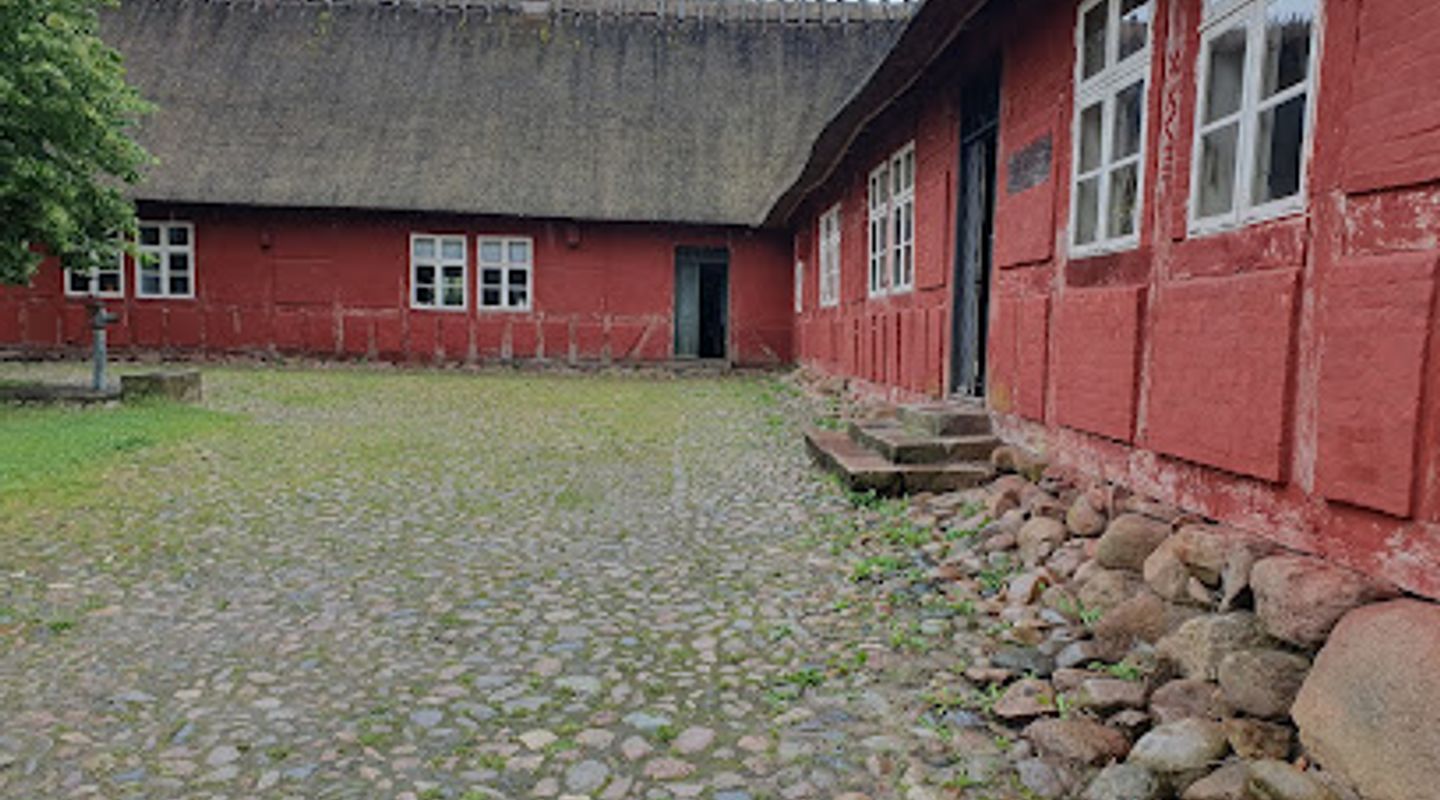
A brief summary of Parsonage
Experience authentic 18th-century Danish village life through restored buildings, costumed interpreters, and hands-on traditional crafts.
Step back in time at this open-air museum featuring over 30 authentically furnished buildings from the 17th to 19th centuries, relocated from across Funen island. Wander through half-timbered farmhouses, workshops, and gardens while costumed interpreters demonstrate traditional crafts like blacksmithing, weaving, and baking. The museum emphasizes sustainable living practices of the past and offers seasonal activities including horse-drawn carriage rides, folk performances, and hands-on experiences such as milking cows and making traditional crafts. Set in scenic woodland surroundings, it's an immersive journey into rural Danish heritage.
On-site amenities
 Restrooms
 Food options
 Drinking water
 Seating areas
 Picnic areas
 Information boards
 Trash bins
- Address
- Sejerskovvej 20, 5260 Odense
Getting there
Bus from Odense City Center
Scenic Boat Route from Munke Mose
Private Car or Taxi
Bicycle from Odense
Discover more about Parsonage
A Living Window into 18th and 19th Century Danish Rural Life
Den Fynske Landsby, or The Funen Village, is an open-air museum that transports visitors to a bygone era of Danish countryside existence. Founded in 1942, the museum comprises over 30 buildings authentically sourced from across Funen island, each dating from the 17th to 19th centuries. These structures—including farmhouses, workshops, a windmill, tollhouse, vicarage, village school, brickworks, and jail—have been meticulously reassembled and furnished to recreate the material reality of village life. Most buildings feature characteristic half-timbered construction with thatched roofs, surrounded by period-appropriate gardens, fields, and livestock that graze naturally throughout the grounds.
Craftsmanship and Daily Activities on Display
The museum's strength lies in its living interpretation. Costumed volunteers inhabit the village year-round, performing the roles of cooks, blacksmiths, weavers, basket makers, spoon cutters, field workers, and other traditional occupations. Visitors encounter these interpreters engaged in authentic daily tasks—preparing meals, tending animals, working at looms, and shoeing horses at the forge. This immersive approach creates a genuine sense of stepping into history rather than observing it passively from behind ropes. The village also hosts performances including folk dances and theatrical productions staged at a Greek-style amphitheater, adding cultural dimension to the historical narrative.
Seasonal Activities and Family Engagement
Throughout the year, The Funen Village offers structured activities designed for all ages. Visitors can participate in hands-on experiences such as learning to milk cows, making clothes from flax, observing honey production, and riding in horse-drawn carriages. Children under 18 receive free admission, making it particularly accessible for families. The museum operates on a seasonal schedule with extended summer hours and special Thursday evening events in July that capture the atmospheric quality of village life. A full year-round programme of activities is available on the museum's website, allowing visitors to plan visits around specific demonstrations or performances.
Sustainability and Environmental Stewardship
The Funen Village has earned Green Attraction certification, a Danish environmental designation recognizing active commitment to sustainability and ecological responsibility. The museum uses its historical knowledge to inspire contemporary sustainable practices, emphasizing how past communities lived in closer harmony with nature through circular economy principles, waste minimization, and community cooperation. This dual focus—honoring historical authenticity while promoting modern environmental consciousness—distinguishes the museum from purely nostalgic heritage sites. The village's approach demonstrates how traditional knowledge can inform solutions to contemporary challenges.
Setting and Accessibility
Located in the scenic Hunderup Woods on the outskirts of Odense, the museum occupies a naturally beautiful setting that enhances the immersive experience. The woodland environment provides authentic backdrop for the relocated buildings and contributes to the sense of rural isolation that characterized village life centuries ago. The site is accessible by multiple transport options, including direct bus service and a scenic river route via boat from central Odense, with a short woodland walk completing the journey. On-site facilities include food and beverage options, with Sortebro Kro, a historic country inn dating from 1805, operating within the museum grounds.
Evendo Review Centre
 Google
Guest reviews
Best time to go
Quietest: Jan, Feb & Nov · before 9am or from 7pm
Busy times are Evendo estimates for a typical year, to help you plan. Actual crowds vary with events, school holidays and the weather.
Explore Parsonage on the map
A handpicked selection of must-see spots near Parsonage, mapped for you.
Get your free copy of our complete guide to Parsonage, delivered straight to you.
Everything on this page, from opening hours and how to get there to Eve’s tips and the best time to go, in one PDF you can read offline, print or share.
Already have an account? Sign in
Your Parsonage guide is ready.
We'll send it to · Not you? Sign out

Getting your guide ready…
We are putting together a fresh copy of the Parsonage guide. This can take up to a minute.
This can take a few moments. If your browser asks, choose Allow so the download can start. You'll find the guide in your Downloads folder.
Nothing happened? Download it again
Sorry, the guide is taking longer than usual. Please try again in a minute, or get it by email instead.
Other nearby places you may find interesting
The closest places of the same kind, if this one is not quite what you had in mind.
-
-
-
-
-


Swipe for more places
More to explore near Parsonage

 Best experiences near Parsonage
 Best hotels near Parsonage
 Best landmarks near Parsonage
 Best attractions near Parsonage
 Best shops near Parsonage
 Best restaurants near Parsonage
 Best bars near Parsonage
Do you manage this location?
Take control to get all the benefits, like improved information, better appearance, and stronger visibility across AI-powered discovery.
Explore more
Explore more of Funen
Discover Funen, Denmark's lush island treasure, where fairy tales come to life amidst scenic landscapes, historic castles, and vibrant cultural heritage.
Explore Funen
Explore more of Denmark
Discover Denmark: A perfect blend of history, modern design, and the cozy concept of hygge. Explore vibrant cities, serene landscapes, and world-class cuisine.
Explore Denmark
