Lumby Mølle, Funen Travel Guide
A fully functional 1820s windmill where Danish milling heritage comes alive through volunteer dedication and seasonal events.
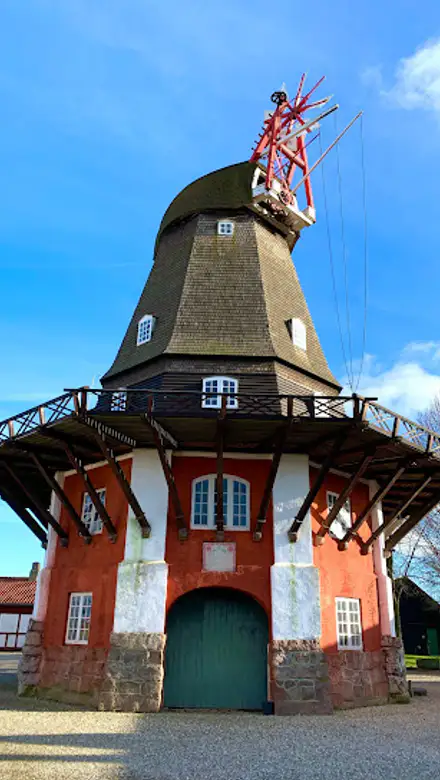
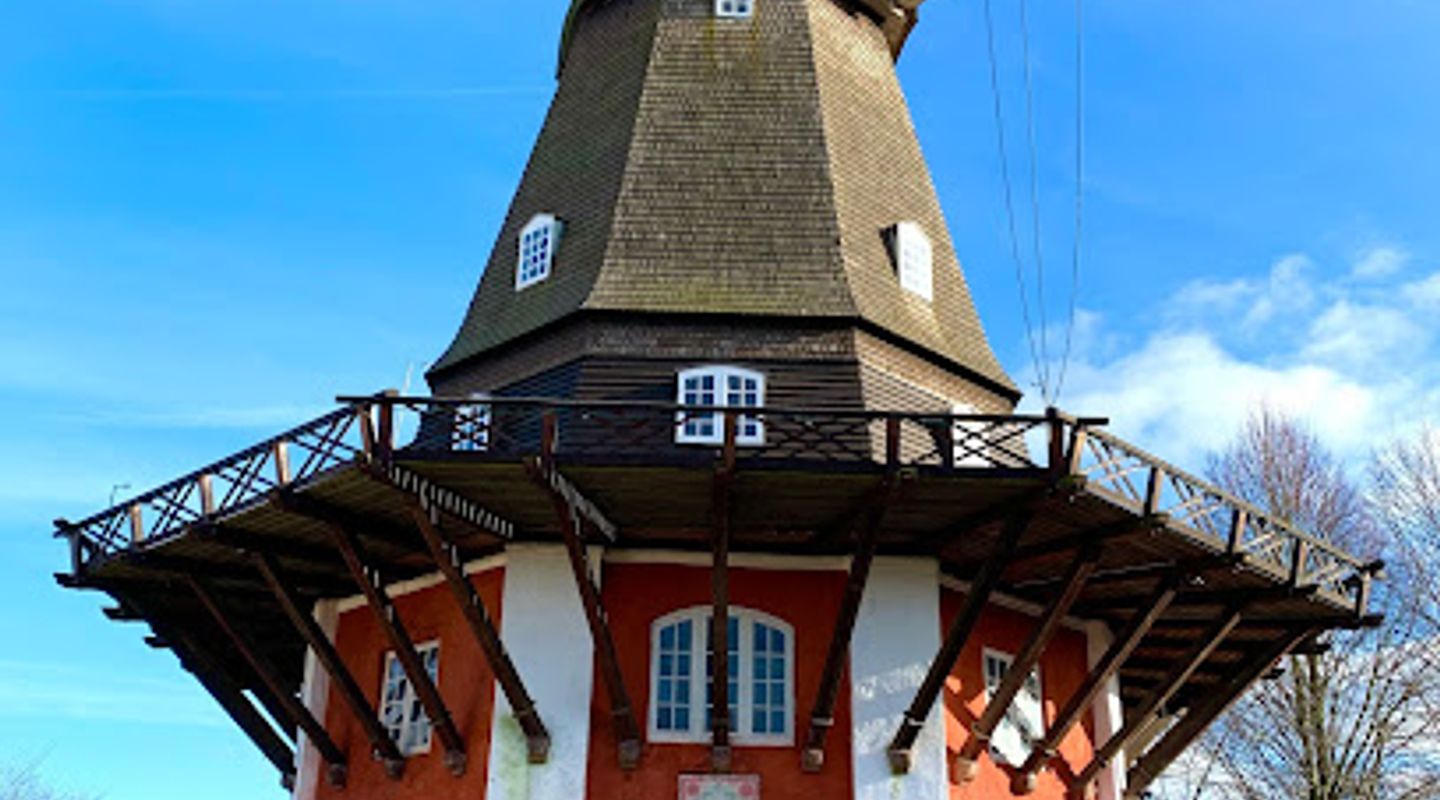
A beautifully preserved windmill from 1820 in northern Odense, Denmark, Lumby Mølle stands as a fully functional grain mill maintained by dedicated volunteers. The historic structure, surrounded by a scenic garden with old apple trees, hosts numerous annual events including mill markets, jazz festivals, and guided demonstrations that showcase traditional milling craftsmanship.
A brief summary to Lumby Mølle
- Slettensvej 294, Odense, Odense N, 5270, DK
- Click to display
- Duration: 1 to 3 hours
- Free
-
 Outdoor
- Mobile reception: 4 out of 5

Know before you go
Hi, I'm Eve. Here are a few practical things to know before exploring Lumby Mølle.
- Visit in July for regular Wednesday guided tours and live milling demonstrations when the mill operates at full capacity and volunteers are present to explain the mechanical processes.
- Wear comfortable walking shoes as the site includes garden paths and the mill's interior features narrow staircases and uneven historic flooring.
- Check the annual event calendar before visiting, as the mill's appeal is significantly enhanced during special events like the mill market and jazz festival when the site is most animated.
- Allow time to explore the garden with its mature apple trees, which provide seasonal interest and create a peaceful counterpoint to the industrial heritage of the mill structure itself.
- Bring a camera or smartphone to document the mill's distinctive architecture and the garden landscape, particularly during golden hour when the light enhances the historic structure's character.
Do you manage this location?
Take control to get all the benefits, like improved information, better appearance, and stronger visibility across AI-powered discovery. Learn more about listing your business on Evendo
Activate your presenceOther nearby places you may find interesting
The closest places of the same kind, if this one is not quite what you had in mind.

Explore Lumby Mølle on the Map
A handpicked selection of must-see spots near Lumby Mølle, mapped for you.
Getting There
-
Car
From central Odense, drive north approximately 8 kilometres via Slettensvej towards the northern suburbs. The mill is located at Slettensvej 294, with on-site parking available. Journey time is typically 12–18 minutes depending on traffic conditions. Parking is free and accessible directly at the location.
-
Public Bus
Take a local bus service from Odense city centre heading towards the northern districts. Journey time ranges from 20–35 minutes depending on the specific route and time of day. Bus services operate regularly throughout the week, though frequency may be reduced on weekends and evenings. Consult local transit schedules for current timetables and fare information.
-
Bicycle
Odense is a highly bicycle-friendly city with extensive cycling infrastructure. From the city centre, the journey to Lumby Mølle is approximately 8 kilometres and takes 25–35 minutes depending on your pace and route. The route follows established cycling paths through northern Odense. This option is most practical during mild weather months and provides an authentic way to experience the landscape surrounding the mill.
-
Taxi or Ride-Share
Taxis and ride-sharing services are available from central Odense. The journey covers approximately 8 kilometres and typically costs between 120–180 Danish kroner, with travel time of 12–20 minutes depending on traffic. This option offers direct point-to-point transport without navigation concerns.
For the on-the-go comforts that matter to you
-
 Seating Areas
-
 Picnic Areas
-
 Information Boards
Discover more about Lumby Mølle
A Living Monument to Danish Milling Heritage
Lumby Mølle is an authentic windmill constructed in 1820, situated in the northern reaches of Odense where it has served as a central focal point for local history for over two centuries. The mill represents a remarkable example of 19th-century Danish industrial architecture and continues to function as originally designed, with its grinders and sieves fully operational. What distinguishes this site is not merely its age, but its active preservation—for more than 20 years, a dedicated community of volunteers has maintained the mill's mechanical systems and ensured that traditional grain-milling techniques remain alive and demonstrable.The Scenic Setting and Natural Surroundings
The mill occupies a picturesque location enhanced by a well-maintained garden featuring mature apple trees that add seasonal character to the landscape. This natural setting creates an inviting atmosphere that draws thousands of visitors annually, transforming the site into more than a museum—it becomes a gathering place where history and nature intersect. The garden's horticultural elements complement the industrial heritage of the structure, offering visitors a multisensory experience that connects them to the agricultural traditions that once sustained rural Denmark.Year-Round Events and Community Engagement
Throughout the calendar year, Lumby Mølle hosts a diverse programme of events that animate the historic structure and engage visitors of all ages. The mill market brings local artisans and producers to the site, creating a vibrant marketplace atmosphere. A jazz festival held annually brings contemporary music to this historic setting, creating an intriguing juxtaposition of old and new. During July, the mill opens every Wednesday for guided tours and live demonstrations, allowing visitors to observe the milling process firsthand and understand the mechanical ingenuity required to harness wind power for grain processing.Volunteer Stewardship and Restoration Efforts
The mill's continued functionality is a testament to the commitment of its volunteer community. These individuals have invested decades in restoration, maintenance, and interpretation work, ensuring that the mill's mechanical systems remain in working order. Their efforts extend beyond mere preservation; they actively demonstrate traditional craftsmanship, educating visitors about historical milling techniques and the role such mills played in Danish rural economies. This hands-on stewardship model ensures that the mill remains a dynamic cultural resource rather than a static historical artifact.Cultural Significance Within Odense
Within the broader context of Odense's cultural landscape, Lumby Mølle occupies a distinctive position as one of the few fully functional historic mills in the region. The site serves as a tangible connection to the city's pre-industrial past and the agricultural systems that sustained communities before mechanization transformed rural life. Its location in northern Odense places it within reach of urban visitors while maintaining a sense of separation from the city's commercial centre, preserving the rural character that originally defined such mills.












Your all‑in‑one travel companion app
Explore expert travel guides, compare and book tours, experiences, hotels, and more—all from the palm of your hand. Download now for seamless trip planning wherever your wanderlust takes you.


Explore More of Funen
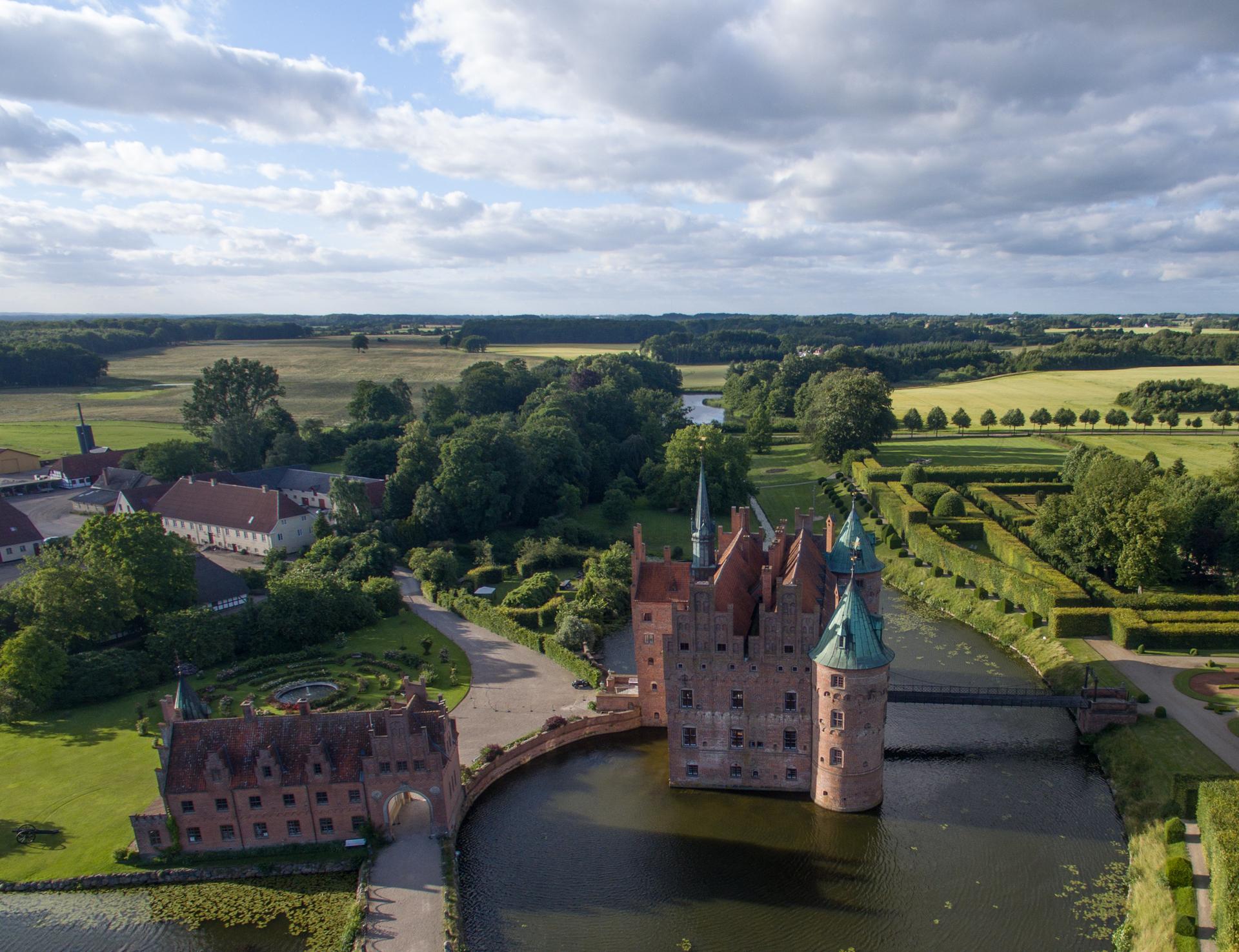
Looking beyond Lumby Mølle? Discover Funen for broader travel guides, local hot-spots, and regional highlights.
Explore Funen
A modest open-air classroom on Odense’s rural edge, Jordrummet invites hands-on encounters with soil, fields, and quiet green space between town and countryside.

Hunt for a hidden giant troll crafted from recycled dreams in Odense's enchanted forest.