Strandvejen Travel Guide
Free Guide: A quiet coastal strip at Denmark’s southern fringe, where simple seaside paths, open skies and the Baltic horizon invite slow walking and sea-gazing.


A brief summary of Strandvejen
A quiet coastal strip at Denmark’s southern fringe, where simple seaside paths, open skies and the Baltic horizon invite slow walking and sea-gazing.
Strandvejen in Gedser traces the exposed southern coastline of Falster, close to Gedser Fyr and the southernmost tip of Denmark. This low-key hiking and walking area follows sandy and grassy shores where the Baltic Sea rolls in on windy days and lies glassy calm on others. Expect open skies, big seascapes, birdlife, and a feeling of being at the outer edge of the country rather than a built-up promenade. It is an easy, flexible stop for slow walks, beachcombing, and sea-gazing.
On-site amenities
 Trash bins
 Information boards
 Picnic areas
 Seating areas
Opening hours
- Every dayOpen 24 hours
Opening hours as listed on the venue’s Google Business Profile. Hours can change for services and special events, so check with the venue before you go.
- Address
- Gedser Fyrvej, 4874 Gedser
Getting there
Regional bus from Nykøbing Falster
Train plus bus via Nykøbing Falster
Car from Nykøbing Falster and southern Falster
Discover more about Strandvejen
Windswept Edge of Southern Denmark
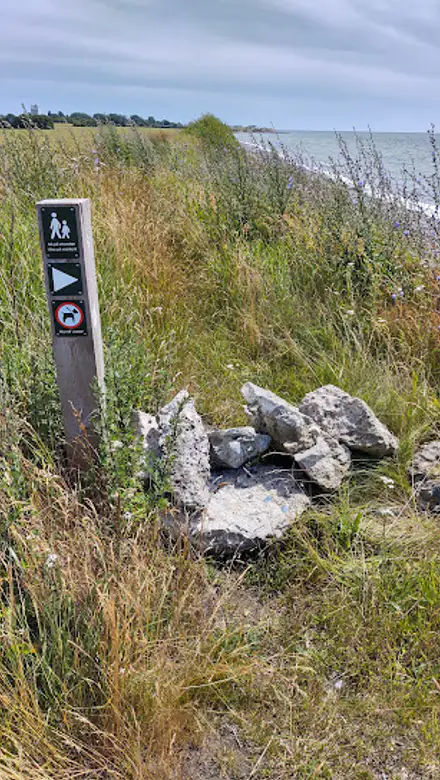
Strandvejen runs along the coast just outside the small port town of Gedser, on the southern tip of Falster and at the far edge of Denmark. Here the land simply runs out into the Baltic Sea, with long, low beaches, dunes and grassy banks facing open water. The atmosphere is raw and maritime rather than manicured: an exposed shoreline where clouds move quickly, light changes by the minute and the horizon feels almost within reach.Although Strandvejen is technically a road, for visitors it is above all a coastal corridor of paths, small beach accesses and informal tracks that link the sea with the hinterland. The area feels spacious and uncluttered, with few buildings intruding on the view. On clear days you can sense the busy sea routes further offshore, yet the immediate shoreline remains calm and human scale.
Sea, Sand and Ever-Changing Skies
A walk along Strandvejen is more about mood than landmarks. The Baltic can be steel-grey and wind-whipped, with whitecaps and the rhythmic crash of waves, or utterly still, with soft pastels and a glassy surface. Low dunes, marram grass and pockets of pebble or sandy beach create a constantly shifting foreground as you move along the shore.The coastline is gently varied: sections of open sand are broken by stonier parts, small inlets and low grassy cliffs. Driftwood, seaweed lines and shells mark the recent work of the tide. In certain places, low banks provide slightly raised vantage points where you can pause and let your gaze sweep along the curve of the island towards Gedser Odde and the famous southernmost point.
Birdlife and Coastal Nature
The Falster coast around Gedser is known among nature enthusiasts for its birdlife, especially during migration seasons when many species funnel across the Baltic. Along sections of Strandvejen you may spot seabirds riding the wind, waders probing the shallows and, in spring and autumn, flocks on the move overhead. Even without specialist knowledge, the presence of wildlife adds texture to the walk.The coastal vegetation is tough and salt-tolerant: grasses cling to the dunes, wildflowers appear in sheltered patches and low shrubs form wind-shaped silhouettes. The simple, resilient palette of plants and the constant interplay of wind and salt air emphasize how close you are to the elements here.
Walking, Beachcombing and Quiet Moments
Strandvejen works well as a flexible stroll rather than a single, set route. You can explore short segments from various beach accesses or follow longer stretches if you enjoy extended walking. The terrain is mostly flat, though sandy sections can be softer underfoot. There are no formal attractions to tick off, which makes it an appealing place to simply walk, breathe and watch the sea.Beachcombing is a small pleasure here: smooth stones, shells and occasional pieces of Baltic amber can sometimes be found after storms. The broad sky and uncluttered horizon also make this a peaceful spot for reflection, sketching or photography, especially in the soft light of early morning or late afternoon.
Connection to Gedser and the Lighthouse Coast
Strandvejen lies close to Gedser Fyr, the historic lighthouse that marks this exposed stretch of coast and underlines the area’s long relationship with seafaring and navigation. Further along the shoreline, Gedser Odde marks the southernmost point of Denmark and Scandinavia, giving a geographical significance to the broader landscape you see from Strandvejen.Being at the end of the country shapes the character of the place: there is a quiet satisfaction in standing here, knowing there is no more land between you and the broader Baltic. Combined with the unfussy natural setting, this makes Strandvejen a rewarding pause on any journey through Falster, especially for travelers who value simple coastal scenery over built attractions.
Evendo Review Centre
 Google
Guest reviews
Best time to go
Quietest: Jan, Feb & Mar · before 6am or from 10pm
Busy times are Evendo estimates for a typical year, to help you plan. Actual crowds vary with events, school holidays and the weather.
Explore Strandvejen on the map
A handpicked selection of must-see spots near Strandvejen, mapped for you.
Get your free copy of our complete guide to Strandvejen, delivered straight to you.
Everything on this page, from opening hours and how to get there to Eve’s tips and the best time to go, in one PDF you can read offline, print or share.
Already have an account? Sign in
Your Strandvejen guide is ready.
We'll send it to · Not you? Sign out

Getting your guide ready…
We are putting together a fresh copy of the Strandvejen guide. This can take up to a minute.
This can take a few moments. If your browser asks, choose Allow so the download can start. You'll find the guide in your Downloads folder.
Nothing happened? Download it again
Sorry, the guide is taking longer than usual. Please try again in a minute, or get it by email instead.
Other nearby places you may find interesting
The closest places of the same kind, if this one is not quite what you had in mind.
-
-
-
-
-


Swipe for more places
More to explore near Strandvejen

 Best experiences near Strandvejen
 Best hotels near Strandvejen
 Best landmarks near Strandvejen
 Best attractions near Strandvejen
 Best shops near Strandvejen
 Best restaurants near Strandvejen
 Best bars near Strandvejen
Do you manage this location?
Take control to get all the benefits, like improved information, better appearance, and stronger visibility across AI-powered discovery.
Explore more

Explore more of Gedser Odde
Discover Gedser Odde, Denmark's southernmost point, offering stunning Baltic Sea views, rich birdlife, and a peaceful retreat in untouched nature.
Explore Gedser Odde
Explore more of Denmark
Discover Denmark: A perfect blend of history, modern design, and the cozy concept of hygge. Explore vibrant cities, serene landscapes, and world-class cuisine.
Explore Denmark