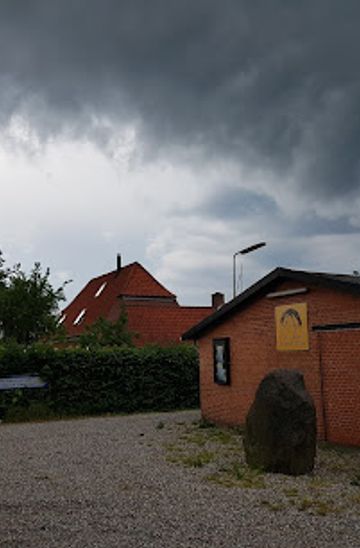
Det Sorte Geomuseum, Gedser Odde Travel Guide
A compact geological treasure chest at Denmark’s southern tip, where fossils, minerals and Baltic amber reveal the ancient story of Gedser’s windswept shores.
Det Sorte Geomuseum in Gedser is a compact, family-friendly natural history museum where geology, fossils and Baltic amber tell the story of Denmark’s southernmost shores. Inside this hands-on space you explore local stones, minerals, ancient sea creatures and insects trapped in golden resin, many found on nearby beaches. Clear displays, tactile exhibits and a cosy atmosphere make it an ideal stop for curious children, amateur fossil hunters and anyone interested in the region’s deep geological past.
A brief summary to Det Sorte Geomuseum
- Skolegade 2B, Gedser, 4874, DK
- Click to display
- Click to display
- Duration: 1 to 2 hours
- Budget
-
 Indoor
- Mobile reception: 4 out of 5

Know before you go
Hi, I'm Eve. Here are a few practical things to know before exploring Det Sorte Geomuseum.
- Plan around 1–1.5 hours for the museum itself and extra time afterwards if you want to search for stones or amber on a nearby beach.
- Bring a small pouch or box if you intend to go beachcombing later; the museum’s displays explain what to look for among ordinary pebbles.
- Photography without flash is usually fine and useful if you want to remember fossil shapes and amber details for later identification.
Do you manage this location?
Take control to get all the benefits, like improved information, better appearance, and stronger visibility across AI-powered discovery. Learn more
Activate your presenceOther nearby places you may find interesting
The closest places of the same kind, if this one is not quite what you had in mind.
Explore Det Sorte Geomuseum on the Map
A handpicked selection of must-see spots near Det Sorte Geomuseum, mapped for you.
Getting There
-
Regional train and local walk from Nykøbing Falster
From Nykøbing Falster, take the regional train to Gedser station; the journey typically takes about 25–30 minutes and trains usually run several times per day, with a one-way adult ticket in the range of DKK 40–60. From the station it is roughly a 10–15 minute walk on level pavements through the village to the museum, suitable for most visitors but less comfortable in wet or windy weather.
-
Car from Nykøbing Falster and the rest of Falster
Driving from Nykøbing Falster to central Gedser usually takes around 25–30 minutes along main roads. There is generally free street or small-lot parking near Skolegade, but spaces can be limited on busy summer days, so allow extra time to find a spot. No special vehicle is required and the route is straightforward in all seasons except during occasional coastal storms.
-
Ferry from Rostock with onward local access
If you arrive in Gedser by ferry from Rostock, the crossing itself takes about 2 hours, with passenger fares commonly starting around DKK 150–250 one way depending on ticket type and season. From the ferry terminal, you can either walk approximately 20–25 minutes on flat sidewalks to reach the museum in the village centre or use a local taxi, which usually covers the short trip in under 10 minutes for roughly DKK 60–100; taxis are less frequent outside peak travel periods, so plan ahead.
For the on-the-go comforts that matter to you
-
 Restrooms
-
 Seating Areas
-
 Trash Bins
-
 Information Boards
Discover more about Det Sorte Geomuseum
Southernmost gateway to Denmark’s deep time
Det Sorte Geomuseum sits in the small coastal town of Gedser, at the very southern edge of Denmark, but its stories stretch back hundreds of millions of years. Step inside and you move from a quiet harbour street into a compact world of stone, shells and shimmering amber. The museum focuses on the geology of Falster and the Baltic coast, showcasing finds that storms and waves have washed up on nearby beaches.Rather than trying to cover the whole planet, the museum zooms in on this corner of Denmark: the seabed that once lay here, the glaciers that ground their way across the landscape, and the ancient shorelines that left their mark in layers of sand and clay. Wall panels and cases guide you through time, but the scale always feels human and approachable, even if the ages involved are unimaginably long.Fossils, minerals and creatures from vanished seas
A large part of the collection is devoted to fossils from the region’s former seabeds. You may spot the coiled shapes of ammonites, the impressions of shells, or fragments of ancient vertebrates that once swam where ferries now cross to Germany. Many of these fossils were discovered along the coasts near Gedser Odde, where erosion constantly reveals new finds.Alongside the fossils, display cases sparkle with minerals and decorative stones collected in southern Denmark and the wider Baltic area. Here you can compare heavy, dark flint with banded agates, crystalline quartz and glimmering feldspar. Each stone is labelled with its origin and type, encouraging visitors to see the beaches around Gedser as a natural treasure ground rather than just sand and surf.Amber stories frozen in golden resin
One of the most captivating sections of Det Sorte Geomuseum is dedicated to Baltic amber. Under magnifying glasses and in carefully lit cases, you can study pieces of honey-coloured resin containing perfectly preserved insects, plant fragments and air bubbles from long-vanished forests. The exhibits explain how resin from prehistoric trees hardened, broke free and was carried by rivers and seas to end up on today’s shores.Panels outline how to recognise amber among ordinary pebbles, a useful skill if you plan to comb the beaches afterwards. The displays also highlight amber’s role as a trading commodity and protective amulet in Northern Europe, adding a cultural layer to the scientific explanations. Even visitors with no previous interest in geology often find themselves lingering in front of these miniature time capsules.Hands-on discovery for curious minds
Despite its modest size, the museum is designed to be tactile and engaging. Children can sort through sand or stone trays, hunting for small fossils under gentle guidance. Simple interactive elements invite you to match stones to their descriptions, feel the contrast between rough and polished surfaces, or test the weight of different minerals in your hand.Information is typically presented in Danish with supplementary English, and staff are used to explaining the exhibits to international visitors. The compact layout means you are never far from the next object that catches your eye, and adults with a deeper interest in geology can spend time reading detailed labels without losing younger companions entirely to boredom.From museum cases to the nearby coastline
A visit to Det Sorte Geomuseum naturally connects with the surrounding landscape. The exhibits repeatedly reference local beaches, cliffs and fields, encouraging you to see the terrain outside through new eyes. After spending time among the fossils and minerals inside, many visitors feel inspired to walk the nearby shoreline and look for their own stones and small finds.Because Gedser is relatively quiet and open, the museum offers a calm, unhurried atmosphere. It fits easily into a broader day exploring the town’s harbour, water tower or the windswept tip of Gedser Odde. In this setting, Det Sorte Geomuseum works as both a standalone attraction and a lens through which the rest of the area’s nature and history suddenly makes much more sense.












Your all‑in‑one travel companion app
Explore expert travel guides, compare and book tours, experiences, hotels, and more—all from the palm of your hand. Download now for seamless trip planning wherever your wanderlust takes you.


Explore More of Gedser Odde
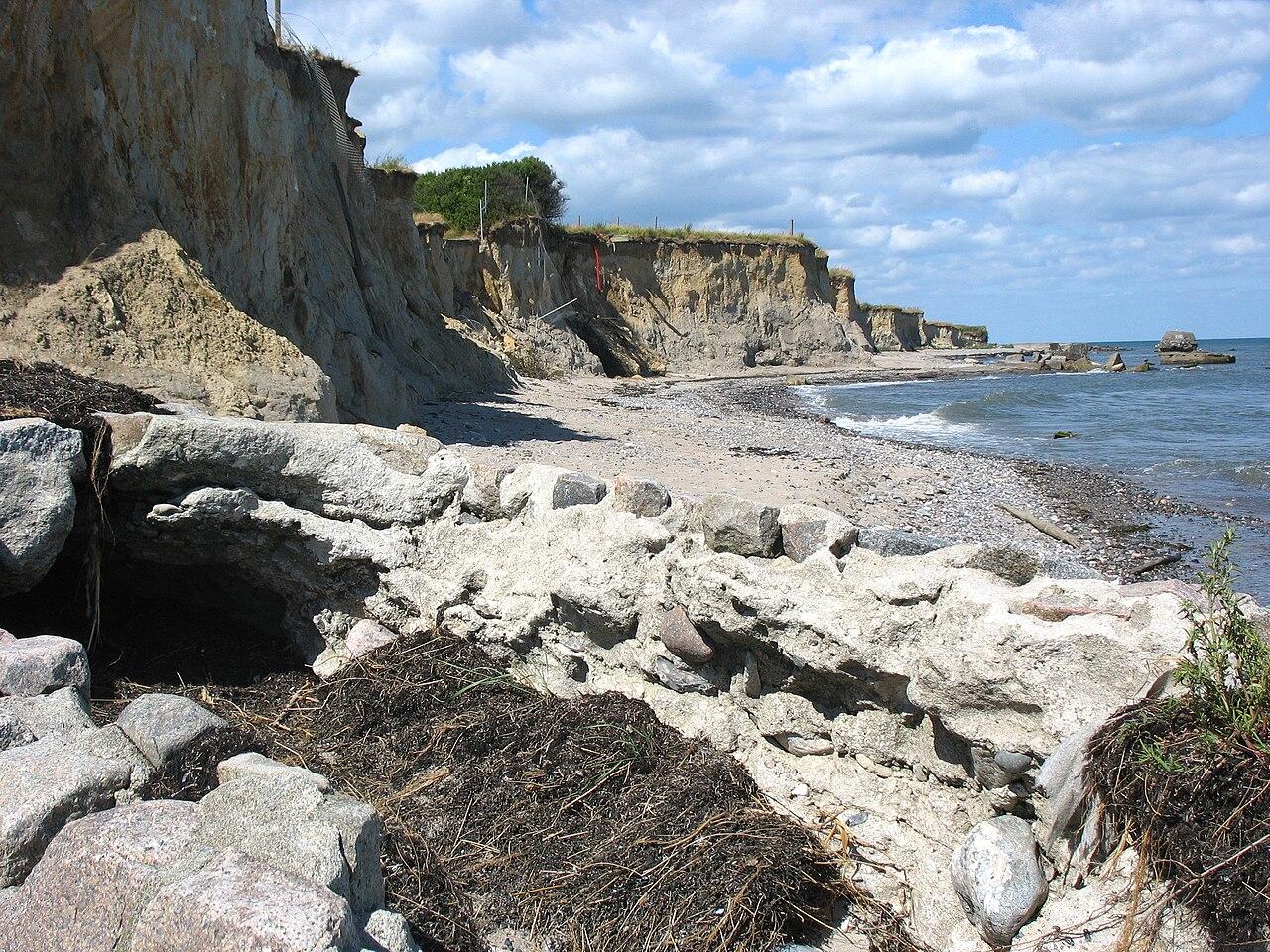
Looking beyond Det Sorte Geomuseum? Discover Gedser Odde for broader travel guides, local hot-spots, and regional highlights.
Explore Gedser Odde
A modest wooden tower on southern Falster offering wide skies, wetlands views and tranquil birdwatching moments amid the fields near Væggerløse.
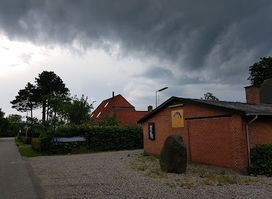
A compact coastal museum where Gedser’s windswept beaches, glittering minerals and ancient fossils come together to tell the deep-time story of Denmark’s southern tip.