
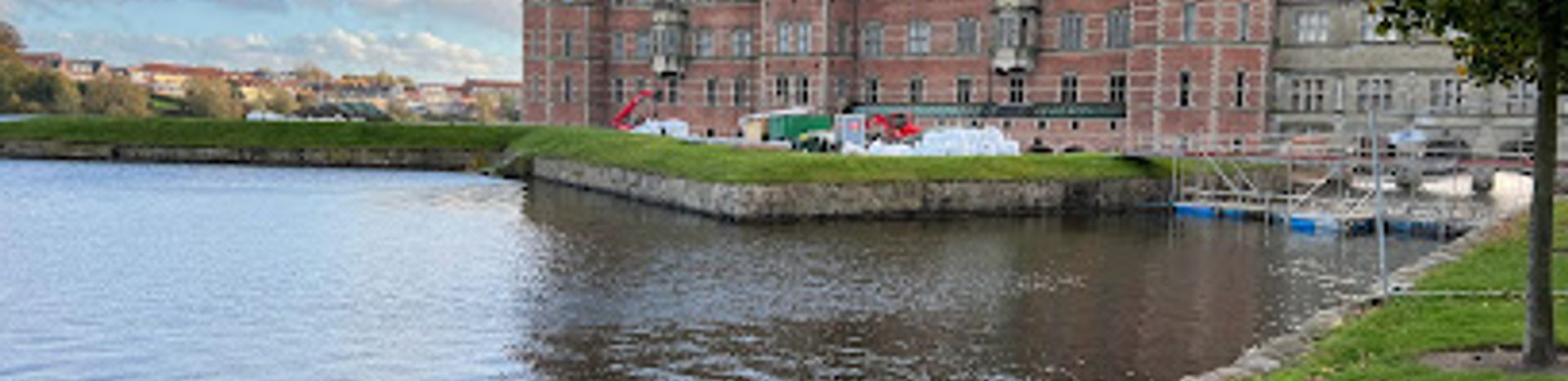
The Museum of National History at Frederiksborg Castle
A grand Renaissance castle on an island lake, housing Denmark’s Museum of National History with 500 years of portraits, power and palace splendor.
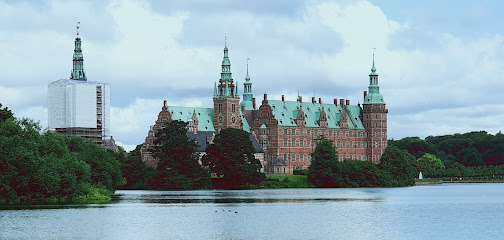
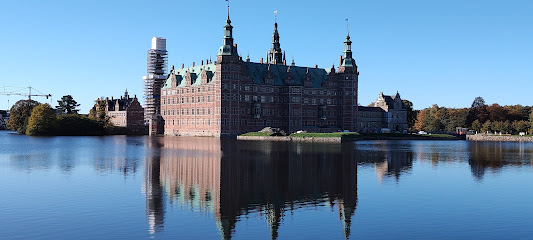
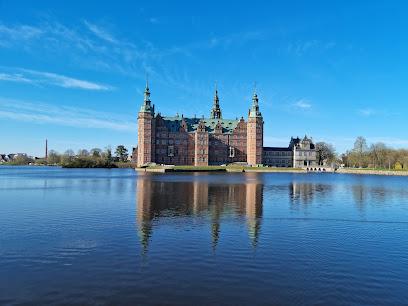
Housed within the moat-ringed Frederiksborg Castle in Hillerød, the Museum of National History offers a richly atmospheric journey through 500 years of Danish history. Portraits, history paintings, tapestries, furniture and decorative arts unfold across lavishly restored halls, from the chapel and Marble Gallery to the grand Knight’s Hall. The setting on small islets in the castle lake, framed by formal baroque gardens, makes this one of Denmark’s most evocative cultural landmarks.
A brief summary to The Museum of National History
- Frederiksborg Slot, Hillerød, 3400, DK
- +4548260439
- Visit website
- Duration: 2.5 to 4.5 hours
- Mid ranged
-
 Mixed
Mixed
- Mobile reception: 4 out of 5
- Monday 10 am-5 pm
- Tuesday 10 am-5 pm
- Wednesday 10 am-5 pm
- Thursday 10 am-5 pm
- Friday 10 am-5 pm
- Saturday 10 am-5 pm
- Sunday 10 am-5 pm
Local tips
- Plan at least 3 hours if you want to see both the main museum highlights and spend some time in the baroque gardens and around the lake.
- Wear comfortable shoes; the castle floors are hard, and the courtyards and surrounding areas are paved with cobblestones.
- Check current temporary exhibitions before you go; special shows can significantly shape which sections you prioritize.
- Families should look out for the children’s area in the historic cellar during weekends and Danish school holidays.
- Arrive close to opening time to enjoy the grand halls and chapel with gentler crowd levels, especially in summer and on weekends.

For the on-the-go comforts that matter to you
- Restrooms
- Drink Options
- Drinking Water
- Food Options
- Seating Areas
- Sheltered Areas
- Trash Bins
- Information Boards
- Visitor Center
Getting There
-
Regional train and S-train
From central Copenhagen, take an S-train on line A towards Hillerød; the journey typically takes about 40–45 minutes. From Hillerød Station it is around a 15–20 minute walk on mostly level, paved paths to the castle, suitable for most visitors but with some cobblestones near the entrance. A standard adult single ticket for this trip generally costs in the range of 75–95 DKK depending on ticket type and discounts.
-
Local bus from Hillerød
If you prefer not to walk from Hillerød Station, use a local bus such as line 301 towards Ullerød or 302 towards Sophienlund and ride for roughly 5–10 minutes to the stop signposted for Frederiksborg Castle. Buses usually run several times an hour during the day, but frequencies can be lower in the evening and on weekends. A short bus ride within the Hillerød area typically costs about 25–35 DKK for an adult single ticket.
-
Car or taxi within North Zealand
Driving from northern Copenhagen or nearby North Zealand towns generally takes 35–50 minutes in normal traffic. There is parking available in Hillerød near the castle, though spaces close to the site can fill during weekends and holidays, and some areas use time limits or paid parking. A taxi from central Copenhagen is convenient but significantly more expensive, with typical fares in the region of 700–1000 DKK one way depending on traffic and time of day.
The Museum of National History location weather suitability
-
 Any Weather
-
 Rain / Wet Weather
-
 Cold Weather
-
 Mild Temperatures
-
 Hot Weather
-
 Clear Skies
Discover more about The Museum of National History
A royal castle reborn as a national museum
Frederiksborg Castle rises from the castle lake on three small islets, a vast red-brick Renaissance complex crowned with copper roofs, towers and spires. Built in the early 17th century by King Christian IV as a statement of royal power, it became the stage for Danish coronations and court life for centuries. After a devastating fire in 1859, the castle was painstakingly rebuilt, and in 1878 brewer J. C. Jacobsen helped transform it into the Museum of National History, dedicated to telling the story of the Danish realm. Today, the museum occupies most of the castle’s wings, combining palatial architecture with carefully curated galleries. Walking through its courtyards and across stone bridges, you move from fortress-like exteriors into a world of gilded ceilings, carved wood and patterned floors, each room designed to showcase a particular period, style or episode in national history.Portraits, power and five centuries of stories
The museum’s collection focuses on portraits and history paintings that chart 500 years of Danish politics, culture and society. Royal likenesses, statesmen, writers, scientists and cultural figures peer down from the walls, forming the country’s largest portrait collection. Many canvases are more than likenesses: they encode symbols of power, trade, reform and conflict, turning each gallery into a visual archive of shifting eras. Alongside paintings, furniture, textiles and applied arts evoke changing tastes, from dark Renaissance paneling to lighter Rococo salons and 19th-century historicism. Decorative objects, from ceremonial silver to everyday furnishings, help anchor the grand narratives in the textures of real life. Together, the rooms trace Denmark’s path from early absolutism through constitutional monarchy and into the modern welfare state.Iconic rooms and architectural highlights
Some spaces feel more like intact palace interiors than museum galleries. The Knight’s Hall, stretching the length of a wing above the chapel, dazzles with coffered ceilings, chandeliers and an almost endless run of painted and sculpted ornament. It was designed for royal banquets and receptions, and even when quiet it retains a theatrical sense of spectacle. The richly decorated chapel, spared by the 19th-century fire, preserves much of its original Renaissance character. Here past coronations and anointing ceremonies took place among gilded galleries and intricate woodwork. Elsewhere, the Marble Gallery, ornamental gateways and courtyards reveal Christian IV’s fascination with Dutch Renaissance design, where rhythm, symmetry and brick ornament come together in a coherent royal statement.Family-friendly history and changing exhibitions
While the permanent collection anchors the museum, temporary exhibitions bring fresh perspectives, often highlighting specific themes, artists or contemporary takes on historical subjects. These changing shows add layers to the castle’s stories and reward repeat visits. Families find dedicated activities, particularly during weekends and Danish school holidays. In spaces such as the historic wine cellar, children can engage with the past more tangibly, trying on period-style costumes or experimenting with older forms of writing. The result is a museum that balances scholarly depth with playful entry points for younger visitors.Gardens, lake and the wider castle landscape
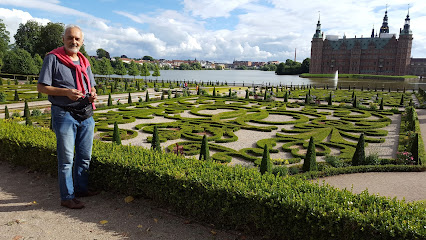
Stepping outside, the experience extends into the baroque gardens and landscaped grounds that frame the castle. Formal terraces, clipped hedges and axial paths provide long views back towards the towers and façades, while the surrounding lake turns the complex into a near-island, its brick walls mirrored in the water. Paths around the lake and through the park offer quieter vantage points if you wish to pause between gallery floors. Seasonal changes are striking: crisp winter light on the stone bridges, fresh greens in spring, and deep autumn colours around the water. Even if you spend most of your time indoors, the outdoor setting is integral to understanding Frederiksborg as both fortress and showpiece.Accessibility and practical experience
Despite its historic fabric, the museum has worked to improve accessibility. A step-free entrance near the main doorway, internal lifts and an accessible restroom make most of the exhibition areas reachable for wheelchair users, though the cobbled courtyards and outdoor paths can be uneven. Inside, clear wayfinding and information boards help orient you through the succession of wings and floors. Expect to devote several hours if you want to explore both the key interiors and at least part of the gardens. Shorter visits can focus on highlights such as the chapel, Knight’s Hall and main portrait galleries, but the castle rewards those who linger, noticing small details in carved doorframes, painted ceilings and the many faces that have shaped Denmark’s story.Iconic landmarks you can’t miss

Old town hall
0.6 km
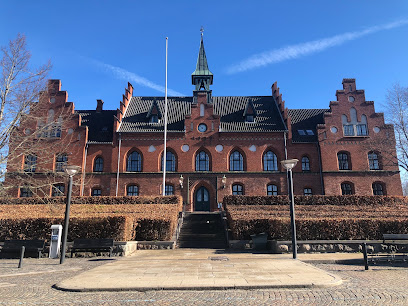
A dignified brick landmark on Hillerød’s main square, the Old Town Hall anchors the town’s civic heart between cobbled streets, cafés and castle views.
Skänk øl, vin & madbar Hillerød
0.7 km
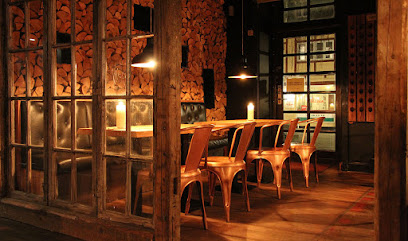
Experience Danish craft beers, global wines, and tasty tapas at Skänk in Hillerød, a cozy spot with castle views and a welcoming atmosphere on Torvet square.
Hillerød Rectory
0.7 km
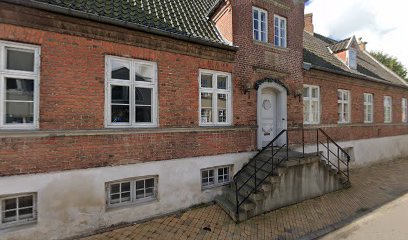
Discover the Befrielsessten in Høgsholt, Vejle—a serene memorial park honoring Denmark's journey to freedom amidst lush landscapes.
Hillerød St.
1.0 km
North Zealand's essential transport hub connecting Copenhagen, regional destinations, and Frederiksborg Castle.
Kirppu Hillerød
1.1 km
Discover unique vintage finds and support sustainable shopping at Kirppu Hillerød, Denmark's largest flea market supermarket, offering a treasure trove of pre-loved goods and community spirit.
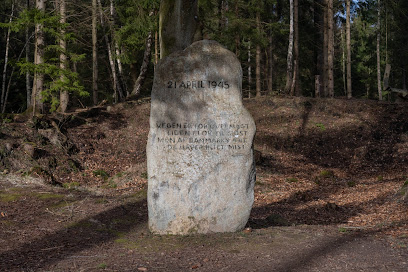
Kulsvierstenen
6.9 km
A modest forest boulder in Gribskov that marks a dramatic World War II resistance firefight, blending North Zealand’s tranquil woodland with powerful memory.
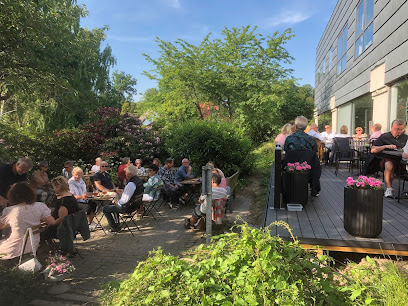
Country Market
7.8 km
Experience the charm of Fredensborg at Country Market, a vibrant marketplace offering local delicacies, artisan products, and a cozy café atmosphere in the heart of town.
Hørsholm Slotshave
14.1 km
A baroque garden where Scandinavia's lost palace still echoes through ancient linden trees.
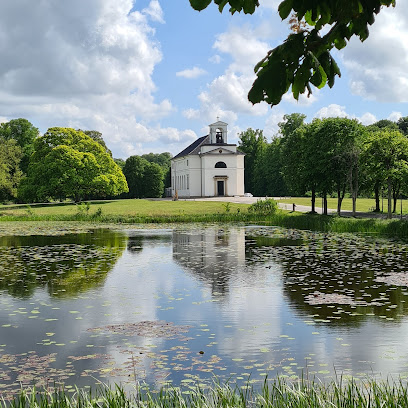
Auderødlejren
14.7 km
Once a busy Danish Navy barracks, today a quiet, semi‑abandoned camp on Arrenæs where stark military architecture meets lakeside nature and recent history.
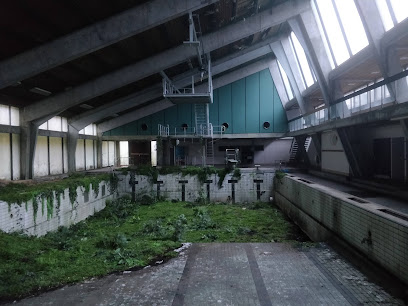
Furesø
17.2 km
Denmark's deepest lake offers pristine waters, historic heritage, and year-round outdoor adventures just 20 km from Copenhagen.
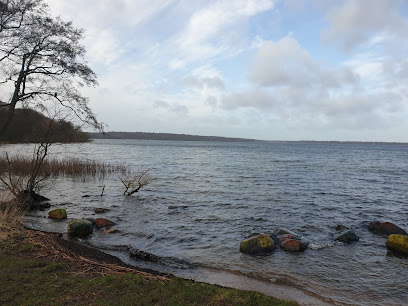
Henriksholm
18.1 km
A quiet Vedbæk hillside where Stone Age burials, villa culture and Cold War command history meet in a leafy coastal neighbourhood north of Copenhagen.
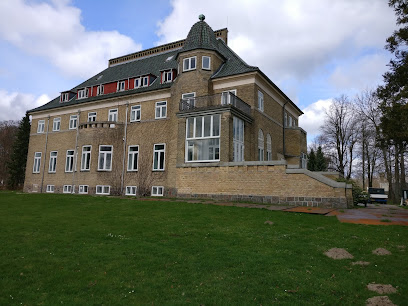
Tisvilde Hegn
18.9 km
Discover Denmark's enchanting Tisvilde Hegn: A coastal forest where history whispers through ancient pines and scenic trails lead to breathtaking Kattegat views.
Danish Museum of Science and Technology
19.0 km
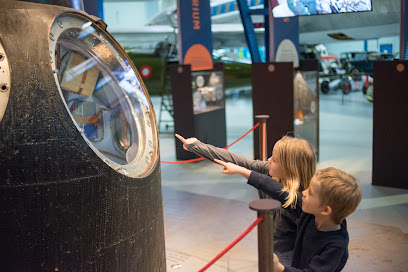
Explore Denmark's technological heritage at this interactive museum, showcasing everything from vintage vehicles to groundbreaking inventions and offering hands-on experiences for all ages.
Heather Hill (Rågelejevej), Vejby
19.8 km
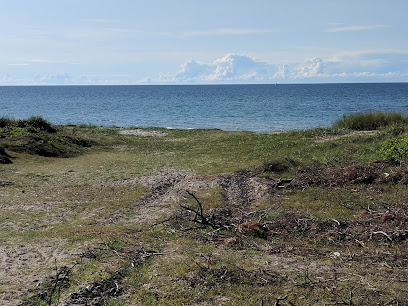
Discover Heather Hill in Vejby: A unique Danish landscape with heather-clad hills, stunning coastal views, and rich history, perfect for hiking and nature exploration.
Vejby Strand
19.8 km
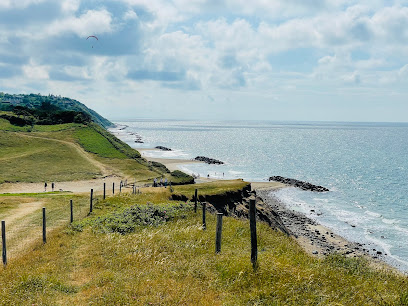
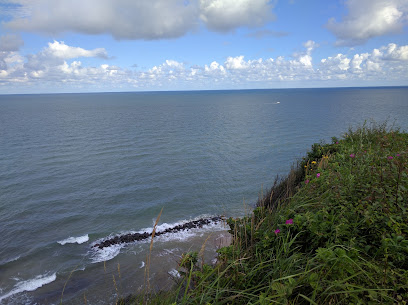
Discover Vejby Strand: A picturesque Danish coastal escape with dramatic cliffs, serene beaches, and a wealth of natural and historical attractions in North Zealand.
Unmissable attractions to see

Frederiksborg Castle
0.0 km
Denmark's Renaissance jewel on three islands, where royal grandeur meets national heritage in gardens of baroque precision and romantic beauty.
Frederiksborg Castle Chapel
0.0 km
Experience LEGO magic at LEGOLAND Hotel & Conference in Billund, offering themed rooms and top-tier conference facilities.
Posen
0.3 km
A small, leafy pause between Hillerød’s bustling Slotsgade and the storybook views of Frederiksborg Castle and its lake.
Fisketorvet
0.4 km
Experience the vibrant heart of Hillerød at Fisketorvet, where history, shopping, and culture converge in North Zealand's premier market square.
Batzke's Hill
0.4 km
A gentle grassy rise above Frederiksborg’s gardens, Batzke’s Hill offers quiet views, local park life and a softer, slower perspective on royal Hillerød.
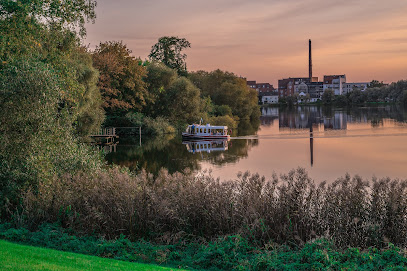
Frederiksborg Castle Gardens
0.5 km
Sweeping Baroque terraces and romantic woodland paths framing a lake island castle, Frederiksborg Castle Gardens blend royal theatre with everyday green escape.
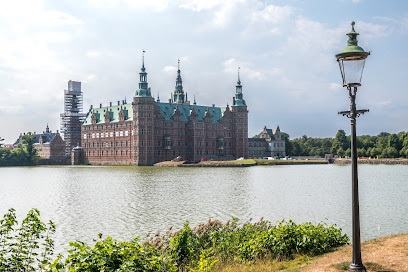
Hillerød City Museum & Graphic Museum
0.5 km
Step behind Frederiksborg Castle into an intimate town museum where historic shops, crafts and letterpress printing bring everyday Hillerød vividly back to life.
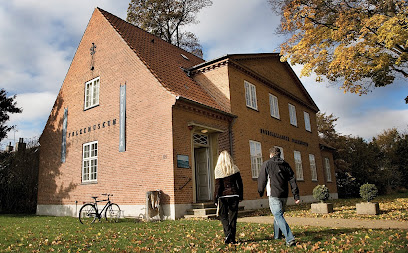
Gavlkunst
0.5 km
A string of vivid murals along Helsingørsgade that turns central Hillerød into a small, free open‑air gallery of local stories and color.
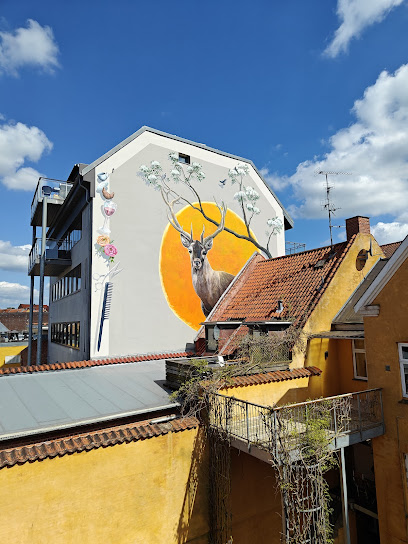
Slotsgade
0.6 km
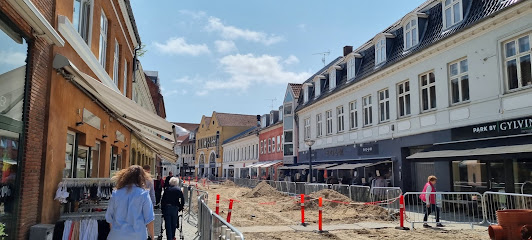
Hillerød’s colourful Slotsgade links castle views, everyday shops and cosy cafés in a compact, walkable street at the heart of Denmark’s classic castle town.
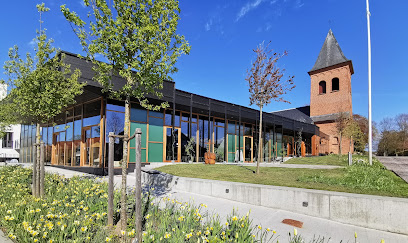
Hillerød Church
0.7 km
A light-filled modern parish church in the heart of Hillerød, carrying centuries of local worship history in a calm, contemporary Danish setting.
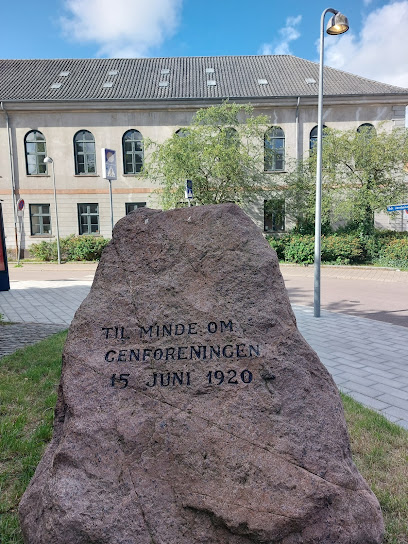
Genforeningssten i Hillerød
0.7 km
Experience intimate encounters with rescued animals in the serene Japanese gardens of Monkey World Hillerød.
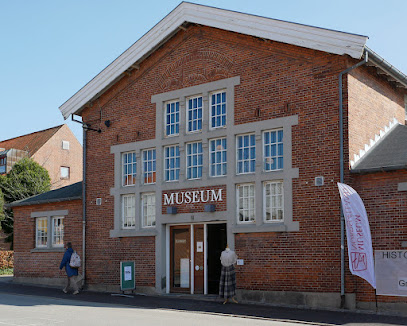
Elværket Hillerød - Museum Nordsjælland
0.8 km
A beautifully preserved 1909 power station turned museum, where industrial architecture and changing exhibitions illuminate 10,000 years of North Zealand history.
Royal Stage
1.5 km
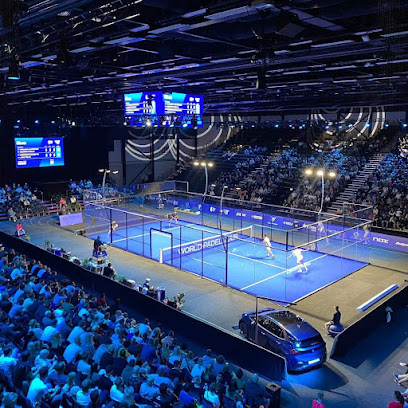
North Zealand's premier multi-purpose arena hosting concerts, sports, and cultural events for up to 2,000 guests.
Island of imagination
1.8 km
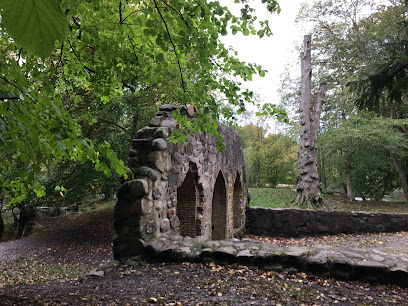
A tiny forest island on Breddam Lake where a king’s romantic retreat has crumbled into suggestive ruins, inviting you to complete the fairy tale with your own imagination.
AdventurePark
2.4 km
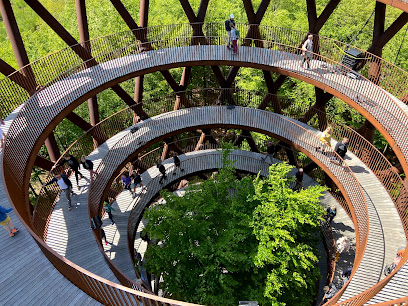
80,000 m² of outdoor action in Hillerød’s forests, blending paintball, obstacle courses and group games with relaxed grill areas and flexible event packages.
Essential places to dine

Rabarbergaarden Slottet
0.1 km
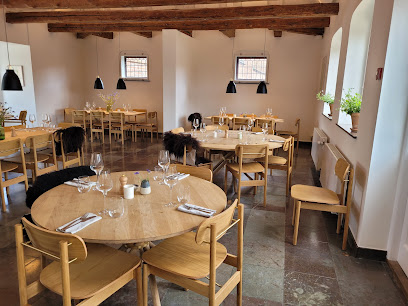
Organic farm-to-table dining in Frederiksborg Castle’s former carriage house, where seasonal North Zealand produce meets calm Scandinavian design and royal surroundings.
Royal Taste
0.3 km
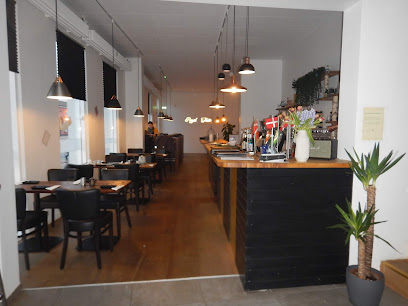
Generous sushi ad libitum and colourful Asian plates in a relaxed, modern setting on Hillerød’s historic Slotsgade, ideal for cosy dinners and sociable feasts.
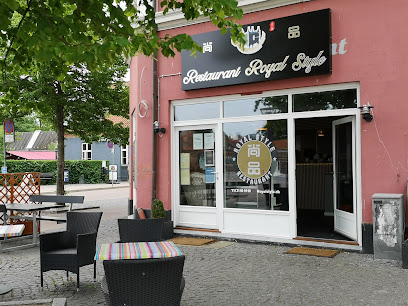
Restaurant Royal Style
0.3 km
Casual Asian comfort food with dim sum, bao and ramen just steps from Frederiksborg Castle in the heart of Hillerød’s historic Slotsgade.
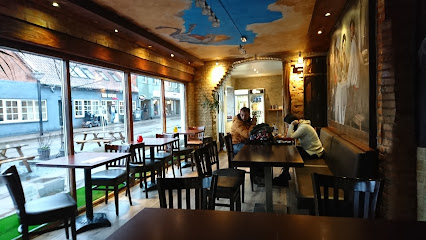
Ninos Pizza
0.3 km
Casual pizzeria serving Italian, Mexican, and American fare in central Hillerød with friendly service and extended hours.
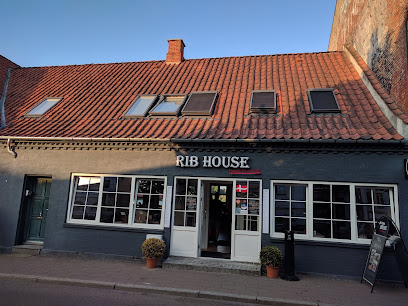
Rib House
0.3 km
Hearty ribs and steaks in a relaxed, family-friendly steakhouse just steps from Frederiksborg Castle on historic Slotsgade in central Hillerød.
Roberto's 51
0.4 km
Straightforward pizzas and burgers on Hillerød’s main street, serving solid comfort food from lunchtime until late on weekend nights.
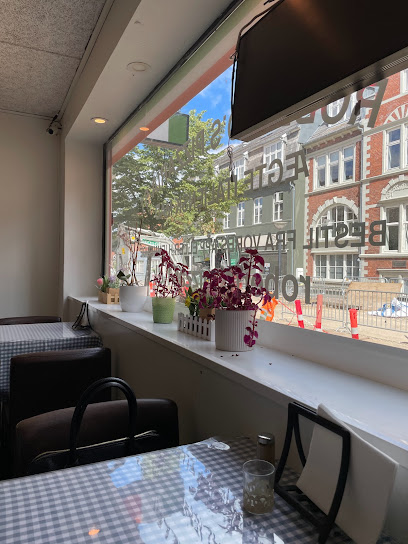
Jensens Bøfhus
0.4 km
Casual Danish steakhouse on Hillerød’s main street, offering family-friendly comfort food and easy castle-side convenience from lunchtime through evening.
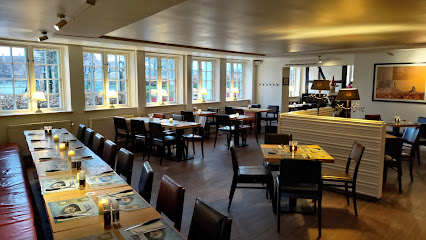
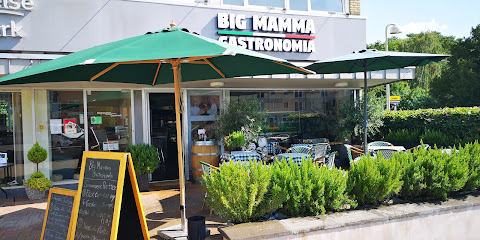
Big Mamma Gastronomia
0.4 km
Casual Italian pizzeria and pasta spot in central Hillerød, serving generous, ingredient-led comfort food for eat-in or takeaway in a relaxed local setting.
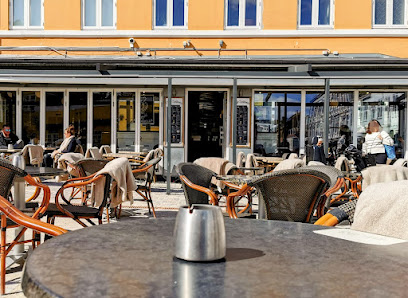
Café Valentin
0.4 km
All‑day Danish café on Hillerød’s main street, blending generous brunches, comfort food and cocktails with a lively terrace near Frederiksborg Castle.
Patats Kebab & Grill
0.5 km
Casual Turkish-style kebab and grill in central Hillerød, serving generous, inexpensive plates, pitas and durums just a short walk from the town’s main sights.
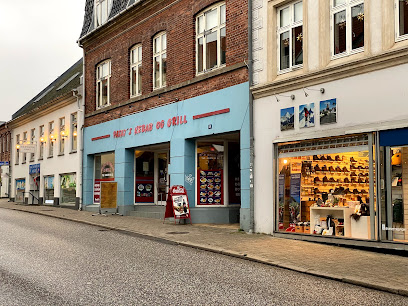
Gonzales Cantina
0.5 km
Casual, family-friendly cantina on Hillerød’s main pedestrian street, serving generous pizzas, steaks and comfort food just a short stroll from Frederiksborg Castle.
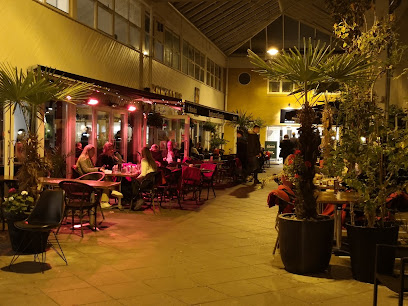
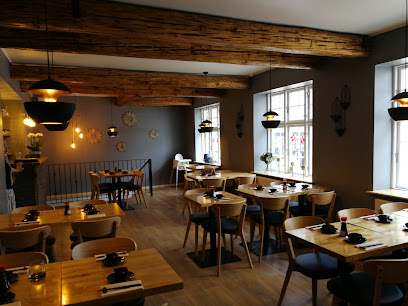
Unkai
0.5 km
All-you-can-eat, made-to-order sushi and Japanese bites in a modern, laid-back setting on Hillerød’s central Helsingørsgade.
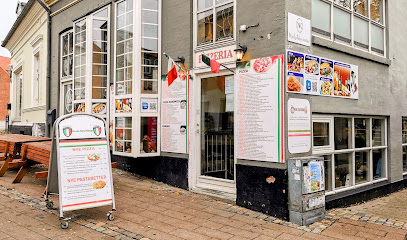
Piccola Italia Pizzaria 3400
0.5 km
Busy neighborhood pizzeria in central Hillerød serving hearty pizzas, pastas and quick takeaway just a short stroll from Frederiksborg Castle and the lake.
Montalbano
0.5 km
Authentic Sicilian pizzeria run by an Italian family in the heart of Hillerød.
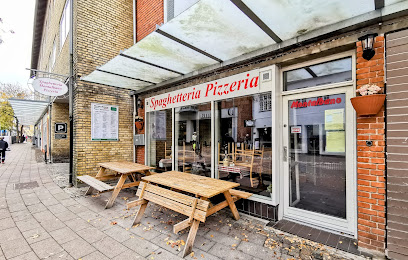
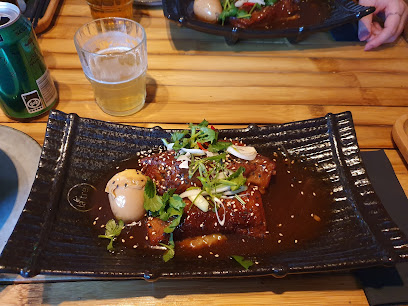
Tô Tô Kitchen
0.6 km
Cozy Vietnamese flavors and casual evening dining on Østergade, bringing fresh herbs, noodles and warm atmosphere to the heart of Hillerød.
Markets, malls and hidden boutiques

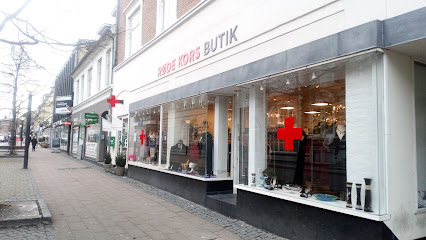
Red Cross Op Shop
0.3 km
Hyggelig Røde Kors genbrugsbutik i Hillerøds hovedgade, hvor du finder billige fund til garderobe og hjem – og samtidig støtter lokalt og internationalt hjælpearbejde.
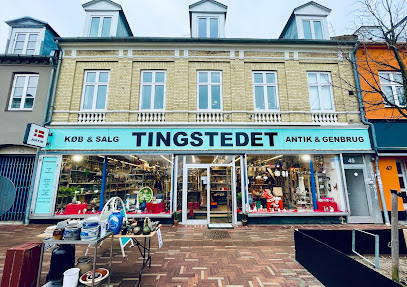
Tingstedet
0.4 km
Curated vintage and retro treasures near Frederiksborg Castle since 1996.
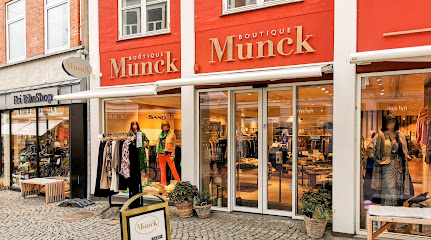
Boutique Munck
0.5 km
Intimate Scandinavian womenswear boutique in central Hillerød, blending curated Nordic fashion, warm styling advice and a relaxed, local neighborhood feel.
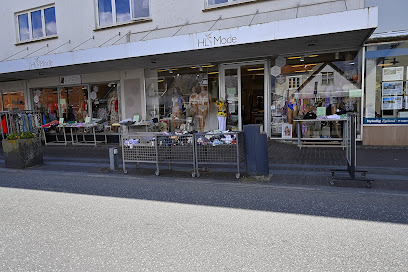
HL Mode Hillerød
0.5 km
Neighbourhood-style women’s fashion and lingerie on historic Slotsgade, offering Scandinavian everyday elegance a short stroll from Hillerød’s castle and lake.
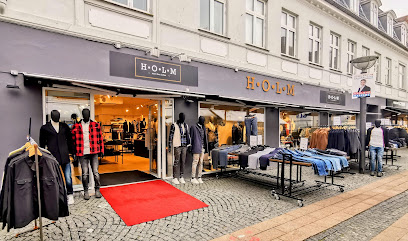
Holm Hillerød
0.5 km
Locally owned menswear boutique on Hillerød’s main shopping street, offering curated smart-casual clothing and accessories just a short stroll from Frederiksborg Castle.
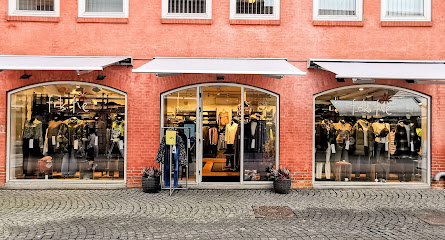
Frk. Fie
0.5 km
Cosy women’s fashion boutique on Hillerød’s atmospheric Slotsgade, offering curated Scandinavian-inspired styles in an intimate, friendly setting near the historic town centre.
Lumi Op Shop
0.5 km
Cosy Hillerød charity thrift store and café where vintage furniture, second-hand finds and lakeside castle views meet to support meaningful mission projects.
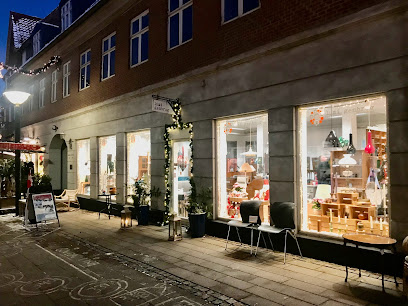
Flying Tiger Copenhagen
0.5 km
Colorful Danish design on a budget, Flying Tiger Copenhagen in SlotsArkaderne Hillerød offers playful gifts, stationery and homeware in a bright, easygoing mall setting.
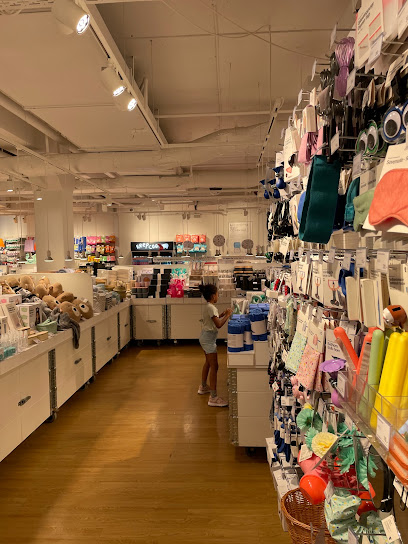
Men's Shop
0.6 km
A straightforward menswear stop inside Hillerød’s SlotsArkaderne mall, ideal for quick wardrobe updates during a castle-side shopping day in North Zealand.
Idé nyt
0.6 km
Contemporary fashion boutique inside Hillerød’s covered Slotsarkaderne arcade, blending everyday Scandinavian style with a relaxed, browse-friendly atmosphere.
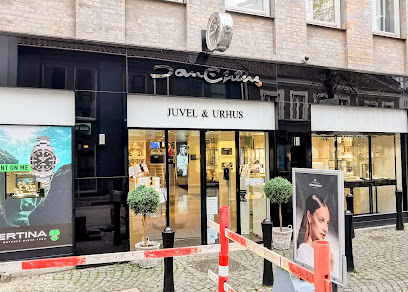
Jan Ehlers
0.6 km
Established family-run jeweler and watch specialist on Hillerød’s Slotsgade, blending modern boutique style with goldsmith craftsmanship and curated Danish design.
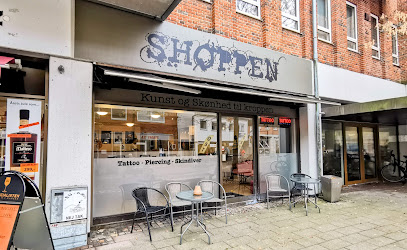
Shoppen
0.6 km
A local tattoo studio woven into Hillerød’s main pedestrian street, where custom ink sessions sit just steps from cafés, shops and everyday Danish life.
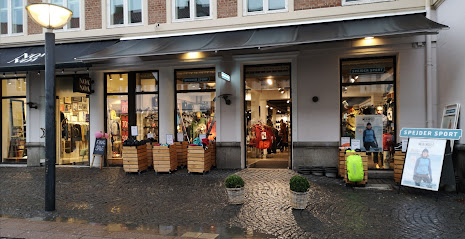
Spejder Sport
0.6 km
Denmark's largest outdoor chain where expert staff and quality gear prepare you for every adventure.
Gine
0.6 km
A compact, Scandinavian-inspired womenswear boutique on historic Slotsgade, perfect for a relaxed browse between castle views, coffee stops and city-center strolls.
Søs Tre
0.6 km
A cosy women’s fashion boutique on Hillerød’s historic Slotsgade, blending Scandinavian style, curated clothing and accessories with a relaxed, personal atmosphere.
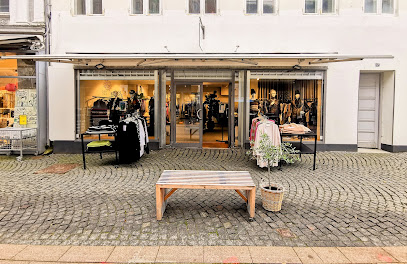
Essential bars & hidden hideouts

Møllen
0.5 km
A welcoming Danish bodega in Hillerød's heart, where locals gather for drinks, snacks, and authentic social connection.
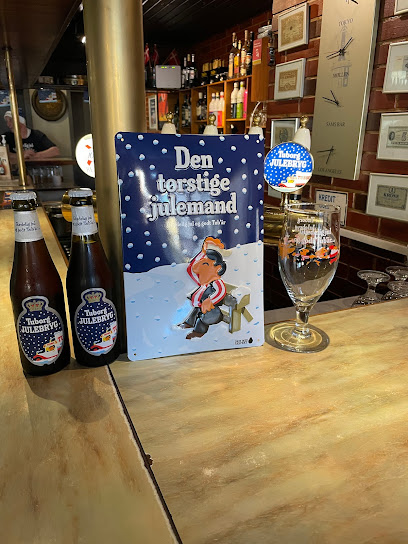
The Old Irish Pub
0.6 km
Lively Irish-style bar and late-night dance venue on Hillerød’s central square, pouring pints, playing hits and catering to a sociable, mature party crowd.
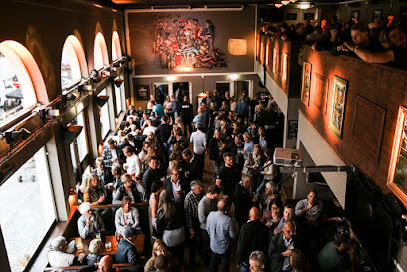
Tahonga Lounge
0.7 km
Intimate tiki-style lounge bar off Hillerød’s central square, blending cocktails, small-stage events and private parties in a cozy tropical hideaway.
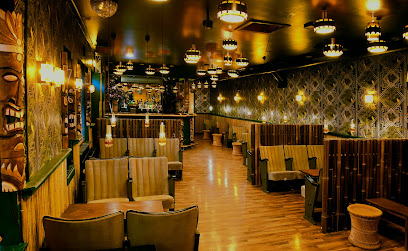
Crane Brothers
0.7 km
Cosy cocktail bar on Hillerød’s main square, blending inventive drinks, warm design and a relaxed, grown-up atmosphere with access to the adjacent Tahonga Lounge.
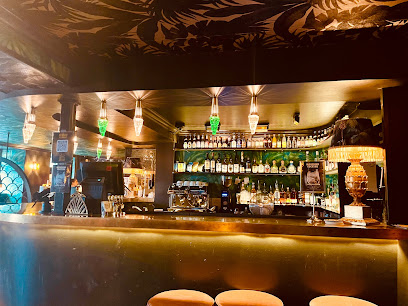
Jernstangen
1.0 km
Old-school Hillerød pub opposite the station, with billiards, darts, dice games and live music nights in a laid‑back, locals-first atmosphere.
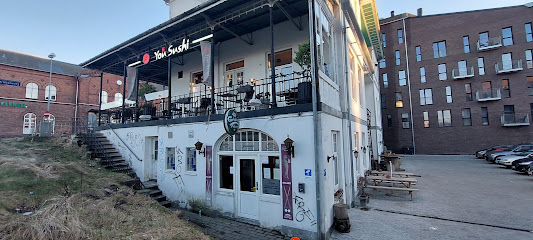
Oddies Beach Bar
16.3 km
Relaxed beach bar on the sand at Rungsted Havn, blending Nordic coastal charm with a hint of tropical island mood and sweeping Øresund sea views.
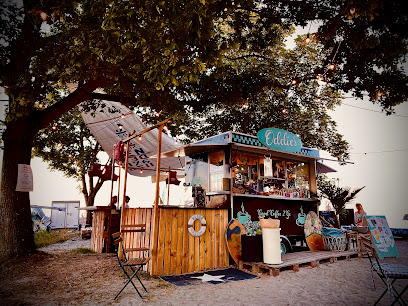
Kardusen
19.3 km
Casual wine bar in central Helsingør offering relaxed evenings and accessible pricing.
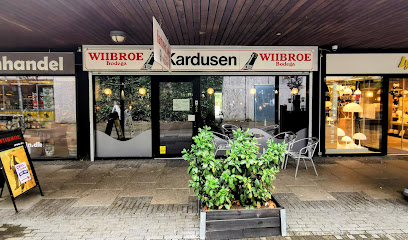
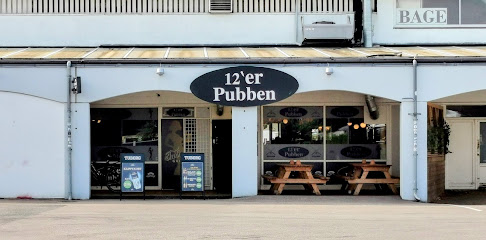
12`er Pubben
21.3 km
Unpretentious neighborhood bodega in Helsingør with billiards, sports on TV and cold beers, offering an authentic slice of Danish local bar life.
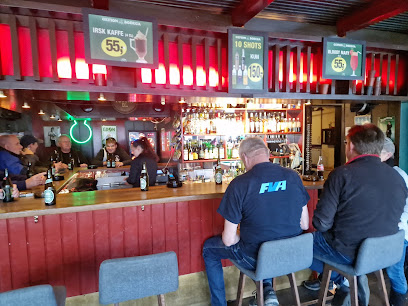
Gefion Bodega
21.3 km
Unpretentious neighbourhood bar in Helsingør offering classic Danish bodega atmosphere, simple drinks and a relaxed glimpse into everyday local life.
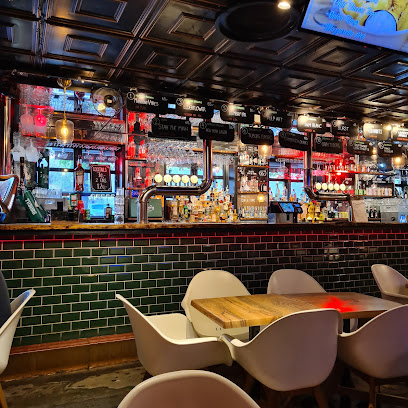
Head/Foam
22.0 km
Modern neighbourhood bar near Helsingør’s historic centre, pouring craft beer and cocktails from midday to the early hours in a lively, social setting.
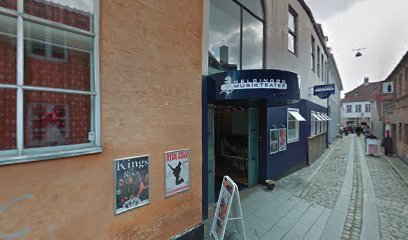
Helsingør Musikteater
22.2 km
Historic theatre and bar hosting live concerts, exhibitions, and dinner events in central Elsinore.
Banana joe
22.3 km
Compact late-night bar above Helsingør’s nightlife strip, serving straightforward drinks, warm lighting and a relaxed local vibe long after the streets quieten.
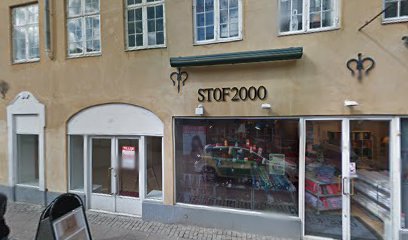
Axelhus Udeservering
22.3 km
Open-air corner bar on Bjergegade, where simple food, cold beer and Axeltorv’s street life come together in the historic heart of Helsingør.
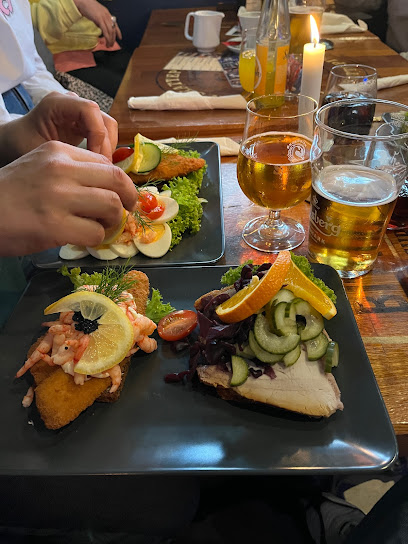
Pitten Sport Bar
22.3 km
Straightforward sports, cold beer and local Helsingør character in a relaxed neighbourhood bar just a short stroll from the harbour and historic centre.
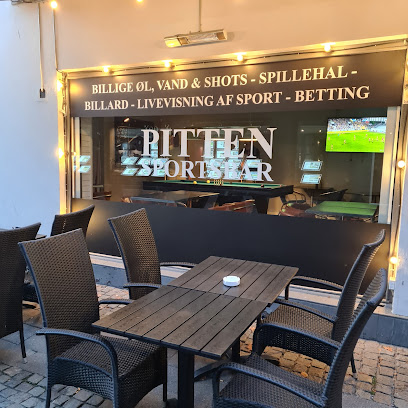
Hold-An
22.3 km
Unfussy beer hall and local bar in central Helsingør, pouring cold brews, simple bites and everyday Danish hygge from late morning to late night.
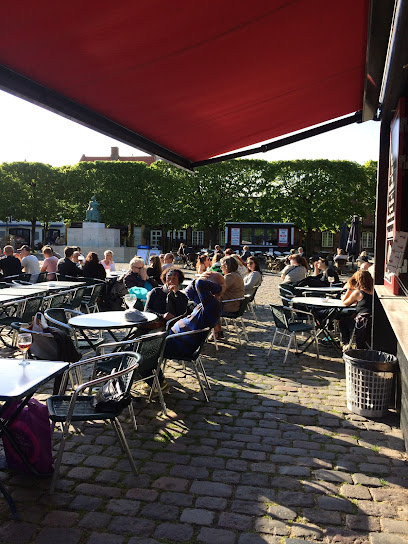
Nightclubs & after hour spots

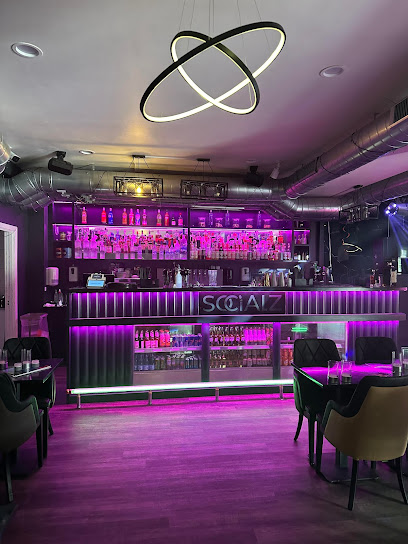
Socialz
0.4 km
Intimate cocktail bar and nightclub in the heart of Hillerød, blending shisha lounge vibes, late-night DJ sets and a compact dance floor on lively Slotsgade.
Walther's grillkylling og svuppeklub
18.0 km
Intimate neighborhood nightclub in Helsingør with loud music, simple drinks, and a playful local vibe behind an unassuming facade on Rødegårdsvej.

Den Dansende Viking
19.8 km
High-energy suburban nightclub in Egedal Centret, serving packed dance floors, late-night DJ sets and budget-friendly drinks for party-focused weekends.
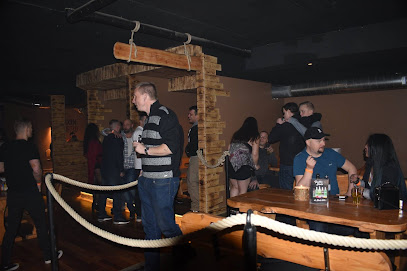
Rustik
22.0 km
Helsingør's premier weekend nightclub with craft cocktails and high-energy dancing until dawn.
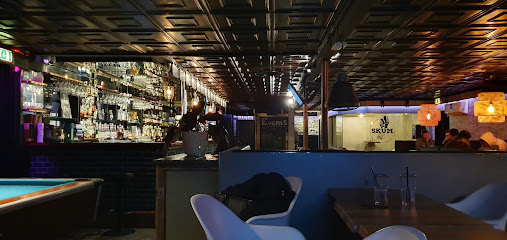
Retro
22.3 km
High-energy weekend nightclub in central Helsingør, mixing big-room beats, bright lights and a young crowd in what calls itself the largest club north of Copenhagen.
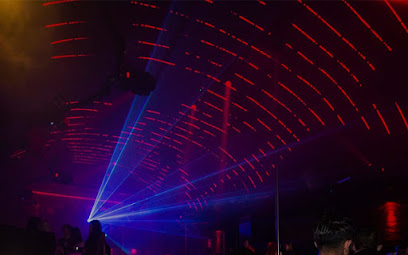
Afrobeat Palace Nightclub
29.8 km
Discover the energetic Afrobeat Palace Nightclub in Copenhagen, where music, dance, and multicultural vibes unite for an unforgettable nightlife experience.
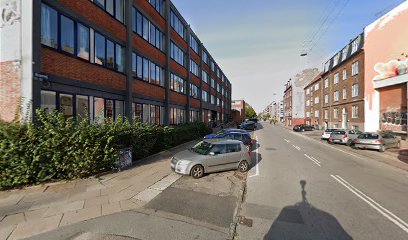
SIGURD CPH
30.2 km
Discover the pulse of Copenhagen's nightlife at SIGURD CPH, where vibrant dancing, fine wines, and pachinko gaming come together for an unforgettable experience.
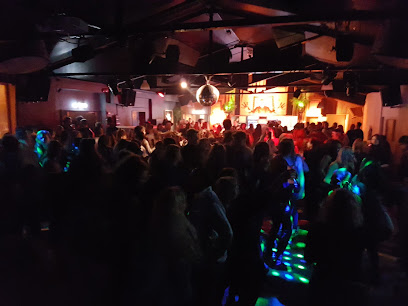
Falafelberg
31.1 km
Discover the pulsating nightlife of Frederiksberg at Falafelberg, a night club offering delicious falafel and electrifying music for an unforgettable experience.
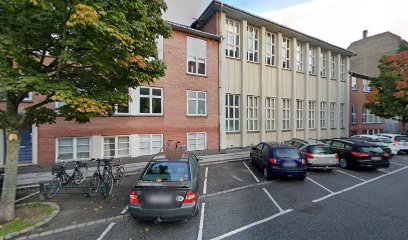
RUST Natklub
31.5 km
Discover the pulsating heart of Copenhagen's nightlife at RUST Natklub, where eclectic beats and vibrant energy come together for an unforgettable experience.
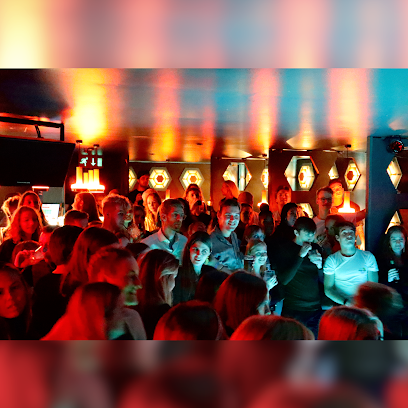
Temple Bar
31.6 km
Discover the energetic vibe of Temple Bar in Nørrebro, Copenhagen, where great drinks and lively entertainment meet.
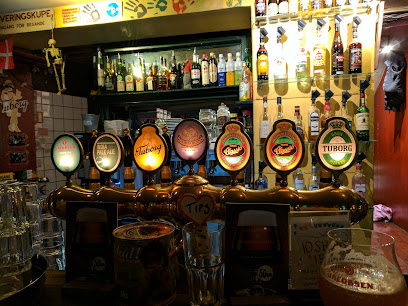
Haven - Events
32.2 km
Discover the electrifying nightlife at Haven, Frederiksberg's top night club, where music, dance, and fun come together for an unforgettable experience.
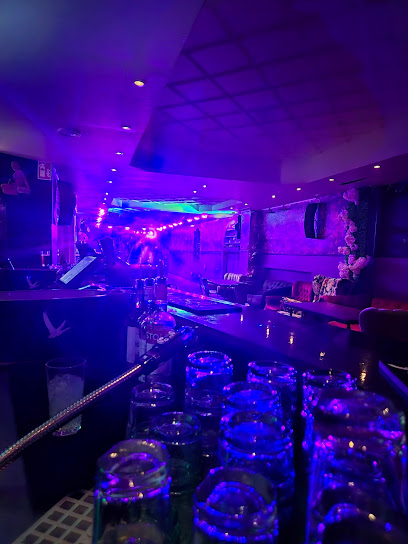
Moon Club
32.4 km
Discover the pulsating nightlife of Copenhagen at Moon Club, where electrifying beats and vibrant energy create unforgettable nights.
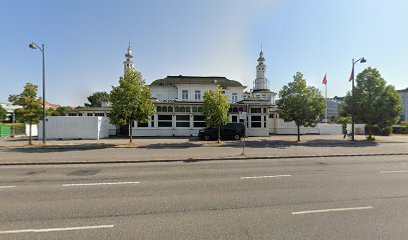
Culture Box
32.8 km
Discover the heartbeat of Copenhagen's nightlife at Culture Box, where music, art, and dance create an unforgettable experience.
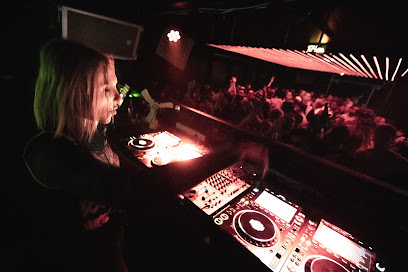
Mirage
32.8 km
Dive into the electrifying nightlife at Mirage, Copenhagen's premier night club for an unforgettable evening of music, dancing, and entertainment.

Arch
32.8 km
Discover the vibrant nightlife of Copenhagen at Arch, a premier night club offering electrifying music and an unforgettable atmosphere.
For the vibe & atmosphere seeker
- Scenic
- Relaxing
- Tranquil
- Fun-filled
- Unique
- Romantic
For the design and aesthetic lover
- Vintage Styles
- Rustic Designs
- Art Deco Styles
For the architecture buff
- Historic
- Landmarks
- Art & Design
- Sacred Sites
- Heritage Neighborhoods
For the view chaser and sunset hunter
- Iconic Views
- Panoramas
- Waterfront
- Sunrise Spots
- Sunset Spots
For the social media creator & influencer
- Instagrammable
- Photo Spots
- Selfie Spots
- Reel-Friendly
- Architectural Shots
For the eco-conscious traveler
- Public-Transport Accessible
- Low Impact
- Locally Managed
For the kind of experience you’re after
- Cultural Heritage
- Photowalk
- Adventure Photo Shoot
- Day Trip
- Roadtrip Stop
- Festival / Event Nearby
For how adventurous you want the journey to be
- Easy Access
Location Audience
- Family Friendly
- LGBT Friendly
- Senior Friendly
- Child Friendly
- Teen Friendly
- Wheelchair Access
- Solo Friendly
- Couple Friendly
- Solo Female Friendly
- Business Friendly


