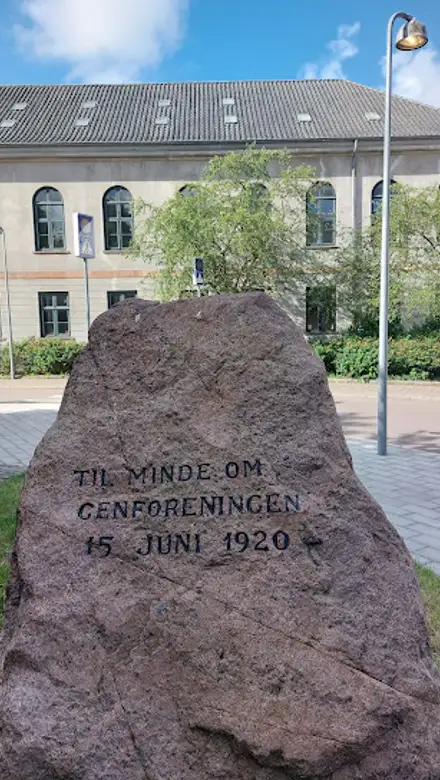
Genforeningssten i Hillerød, Hillerød Travel Guide
Free Guide: A 1930 reunification memorial marking Denmark's restoration of South Jutland sovereignty in 1920.


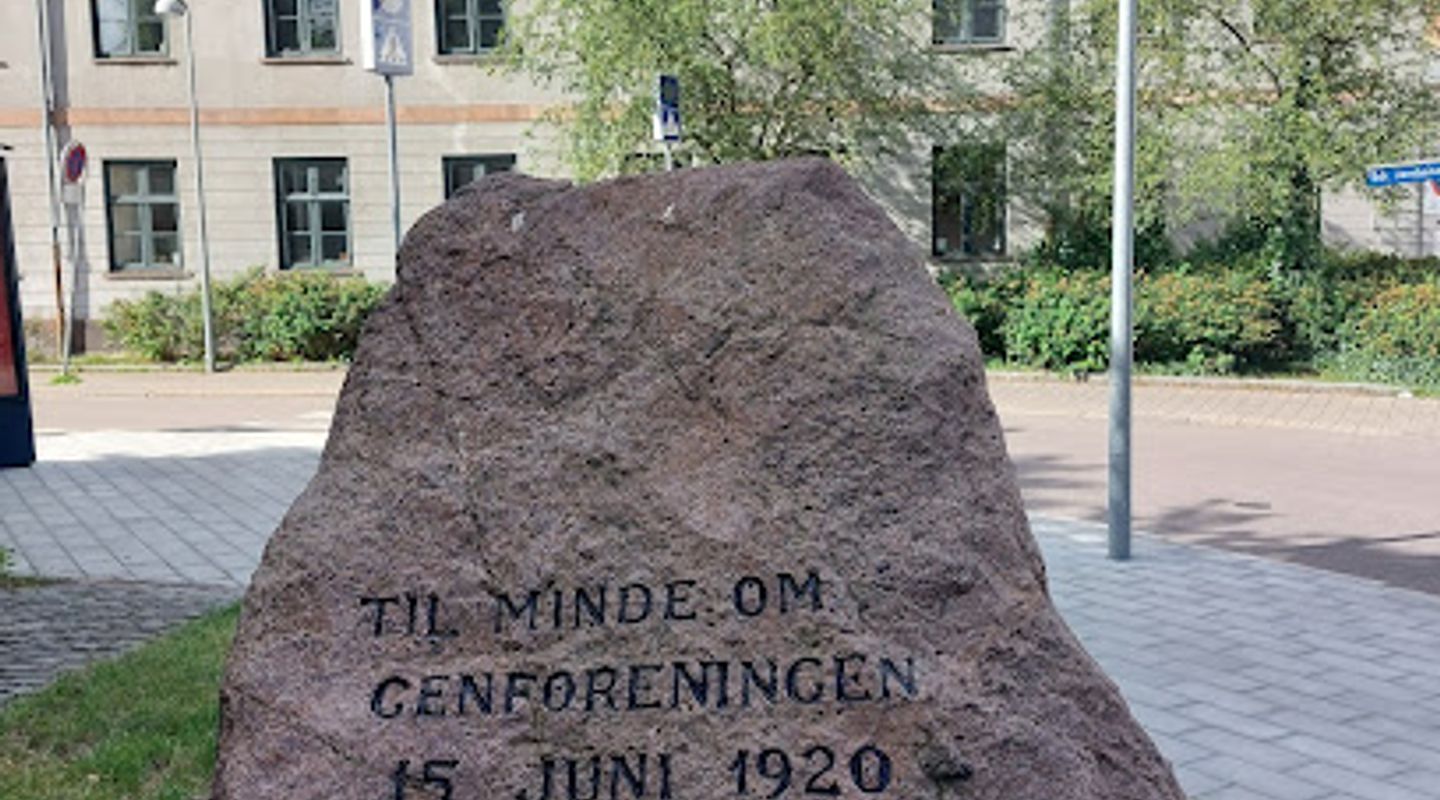
A brief summary of Genforeningssten i Hillerød
A 1930 reunification memorial marking Denmark's restoration of South Jutland sovereignty in 1920.
A modest yet historically significant memorial stone in Hillerød commemorating Denmark's 1920 reunification with South Jutland. Unveiled in 1930 at the intersection of Søndre Jernbanevej and Hostrupsvej, this stone stands as one of approximately 670 similar monuments erected across Denmark during the 1920s to mark this pivotal moment in national history. The site offers a quiet reflection point on Danish identity and territorial restoration.
On-site amenities
 Information boards
 Seating areas
Opening hours
- Every dayOpen 24 hours
Opening hours as listed on the venue’s Google Business Profile. Hours can change for services and special events, so check with the venue before you go.
- Address
- 3400 Hillerød
Getting there
Train from Copenhagen
Bus from Copenhagen
Car from Copenhagen
Bicycle from Hillerød town center
Discover more about Genforeningssten i Hillerød
A Monument to National Reunification
Genforeningssten i Hillerød is a memorial stone commemorating Denmark's 1920 reunification with South Jutland (Sønderjylland), one of the most significant moments in modern Danish history. The stone was unveiled on 15 June 1930 under considerable public attendance, though it had been erected without inscription two years earlier in 1928. This modest monument stands at the intersection of Søndre Jernbanevej and Hostrupsvej, positioned within a small landscaped setting that invites quiet contemplation.
The Reunification Movement and Its Memorials
Following World War I, Denmark regained control of territories in South Jutland that had been lost to Prussia in 1864. This restoration of Danish sovereignty sparked a nationwide wave of commemoration. Between approximately 1918 and 1925, around 670 reunification stones and memorials were erected throughout Denmark, each serving as a physical anchor for collective memory. These monuments transformed from spontaneous local initiatives into a coordinated national movement, with Hillerød's stone representing the town's participation in this broader cultural phenomenon. The inscription on Hillerød's stone preserves the historical significance of this moment for future generations.
Hillerød's Historical Context
Hillerød, located in the Copenhagen region, had long been an important administrative and cultural center. The town's decision to erect a reunification monument reflected its civic pride and connection to national events. The 50th anniversary of the stone's unveiling in 1980 prompted local historical reflection, demonstrating how deeply this monument had become woven into the town's identity. The placement of the memorial in a public intersection ensured it would remain visible to residents and visitors alike, serving as an ongoing reminder of Denmark's restored territorial integrity.
Visiting the Memorial Today
The site remains freely accessible to the public, requiring no admission or special arrangements. The small landscaped area surrounding the stone provides a peaceful setting for reflection, though facilities are minimal. The location's modest character reflects the understated dignity typical of Danish memorials from this era. Visitors can approach the stone at any time, making it an ideal stop for those interested in Danish history, national identity, or early 20th-century commemoration practices.
Evendo Review Centre
 Google
Guest reviews
Best time to go
Quietest: Jan, Feb & Nov · before 6am or from 8pm
Busy times are Evendo estimates for a typical year, to help you plan. Actual crowds vary with events, school holidays and the weather.
Explore Genforeningssten i Hillerød on the map
A handpicked selection of must-see spots near Genforeningssten i Hillerød, mapped for you.
Get your free copy of our complete guide to Genforeningssten i Hillerød, delivered straight to you.
Everything on this page, from opening hours and how to get there to Eve’s tips and the best time to go, in one PDF you can read offline, print or share.
Already have an account? Sign in
Your Genforeningssten i Hillerød guide is ready.
We'll send it to · Not you? Sign out

Getting your guide ready…
We are putting together a fresh copy of the Genforeningssten i Hillerød guide. This can take up to a minute.
This can take a few moments. If your browser asks, choose Allow so the download can start. You'll find the guide in your Downloads folder.
Nothing happened? Download it again
Sorry, the guide is taking longer than usual. Please try again in a minute, or get it by email instead.
Other nearby places you may find interesting
The closest places of the same kind, if this one is not quite what you had in mind.
-
-
-
-
-


Swipe for more places
More to explore near Genforeningssten i Hillerød
-
 Best experiences near Genforeningssten i Hillerød
-
 Best hotels near Genforeningssten i Hillerød
-
 Best landmarks near Genforeningssten i Hillerød
-
 Best attractions near Genforeningssten i Hillerød
-
 Best shops near Genforeningssten i Hillerød
-
 Best restaurants near Genforeningssten i Hillerød
-
 Best bars near Genforeningssten i Hillerød


Do you manage this location?
Take control to get all the benefits, like improved information, better appearance, and stronger visibility across AI-powered discovery.
Explore more
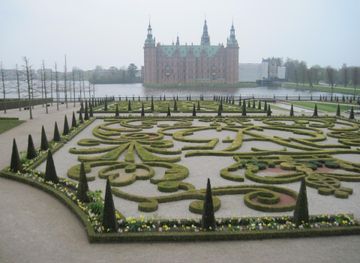
Explore more of Hillerød
Explore Hillerød: Discover Frederiksborg Castle, vibrant town life, and scenic nature trails in Denmark's charming North Zealand region.
Explore Hillerød
Explore more of Denmark
Discover Denmark: A perfect blend of history, modern design, and the cozy concept of hygge. Explore vibrant cities, serene landscapes, and world-class cuisine.
Explore Denmark