

Det Kgl. Bibliotek, The Royal Library, Køge Travel Guide
Free Guide: Copenhagen’s Black Diamond: a shimmering harbourfront fusion of national library, bold modern architecture, cultural hub and tranquil study haven in historic Indre By.


A brief summary of Det Kgl. Bibliotek, The Royal Library
Copenhagen’s Black Diamond: a shimmering harbourfront fusion of national library, bold modern architecture, cultural hub and tranquil study haven in historic Indre By.
Set on Copenhagen’s harbourfront in the historic Indre By district, Det Kgl. Bibliotek – widely known as the Black Diamond – marries a sleek, jet‑black modern extension with the original 1906 library. Inside this cultural hub you’ll find Denmark’s national library and university stacks, lofty atriums, reading rooms, exhibitions, the National Museum of Photography, a café, restaurant, bookshop and a 600‑seat concert hall, all with sweeping views over the water and city skyline.
On-site amenities
 Restrooms
 Drink options
 Drinking water
 Food options
 Lockers
 Seating areas
 Sheltered areas
 Trash bins
 Information boards
 Visitor centre
Opening hours
- Mon8 am–8 pm
- Tue8 am–8 pm
- Wed8 am–8 pm
- Thu8 am–8 pm
- Fri8 am–8 pm
- Sat9 am–6 pm
- Sun10 am–4 pm
Opening hours as listed on the venue’s Google Business Profile. Hours can change for services and special events, so check with the venue before you go.
- Address
- Søren Kierkegaards Pl. 1, 1221 Indre By
- Phone
- Website
Getting there
Metro from central Copenhagen
Bus within the city centre
Cycling through the harbour district
Taxi or rideshare within Copenhagen
Discover more about Det Kgl. Bibliotek, The Royal Library
Where books meet the harbour
The Royal Danish Library on Slotsholmen is far more than a place to borrow books. Stretching along the edge of Copenhagen Harbour, the complex forms Denmark’s national library and the main library of the University of Copenhagen, anchoring the city’s literary life in a dramatic waterside setting. Step inside and the bustle of Indre By recedes, replaced by soft murmurs, the rustle of pages and the distant clink of cups from the café.The institution safeguards an enormous collection of Danish and international works, manuscripts and archives, including material central to the country’s cultural memory. Yet the building is deliberately open and welcoming: everyone is free to wander the public areas, enjoy the views, visit exhibitions or simply sit and read in one of the many nooks overlooking the water.
The Black Diamond’s striking architecture
From the quay, the modern extension earns its nickname: the Black Diamond. Its irregular, faceted façade is clad in dark granite that catches and mirrors the changing sky and harbour, turning the building into an ever‑shifting sculpture. Completed in 1999 by architects Schmidt Hammer Lassen, the extension dramatically contrasts with the adjacent historic brick library, yet the two are carefully stitched together inside.An immense glass incision splits the black volume, forming a light‑filled atrium where iron girders and sweeping walkways span the void. The glass wall facing the harbour acts like a giant window, flooding the interior with daylight and framing boats as they glide past. Overhead, a large ceiling painting by Per Kirkeby adds a burst of colour to the monochrome architecture, reminding visitors that this is as much a cultural venue as a library.
Reading rooms, galleries and hidden collections
Ascending from the atrium, you reach a series of reading rooms designed for different kinds of study. The student reading room offers quiet communal desks, while more specialised spaces hold reference works and non‑circulating material. Deeper within the complex hides the Old Reading Room, a more traditional hall that connects back to the 1906 building and evokes a classic library atmosphere beneath tall shelves and subdued lighting.Beyond books, the Black Diamond houses the National Museum of Photography, where carefully curated exhibitions reveal more than a century of Danish and international photographic art. Elsewhere in the building, temporary shows explore literature, history, design and contemporary culture. Locked away from public view, the Søren Kierkegaard Archive preserves the philosopher’s manuscripts, emphasising the building’s role as a serious research institution even as the public spaces remain relaxed and accessible.
A cultural living room by the water
On the ground floor the library opens up as a kind of civic living room. A café looks out over the harbour, ideal for lingering with a book or watching the light shift across the water, while a small bookshop offers carefully chosen titles and design objects. The restaurant adds a more formal dining option with a front‑row view of passing ferries and kayaks.Tucked within the complex is Dronningesalen, a 600‑seat concert and theatre hall with excellent acoustics that hosts talks, classical performances, literary events and contemporary music. Throughout the year, a full programme of lectures, debates and festivals turns the library into a vibrant cultural stage. Step outside on the waterside promenade or slip into the adjacent library garden and the atmosphere becomes contemplative again, with benches, greenery and glimpses of Christiansborg’s towers framing the scene.
Planning your visit inside the Diamond
Admission to the library’s public areas, garden and many exhibitions is free, making this an easy addition to any Copenhagen itinerary. Weekday opening hours are generous, with slightly shorter times at weekends, and some specialist reading rooms operate more limited schedules, so checking specific sections in advance is sensible if you plan to research. Casual visitors can simply enter the main hall, ride the moving walkways to admire the atrium and explore a few floors to take in the dramatic perspectives.Allow at least an hour to absorb the architecture, browse displays and pause for a coffee; dedicated design or literature enthusiasts may happily spend half a day. Whether you come to study, see a concert, explore photography or just enjoy a quiet corner with a view of the harbour, the Black Diamond offers a layered experience that reveals Copenhagen’s blend of history, learning and contemporary design.
Evendo Review Centre
 Google
Guest reviews
Best time to go
Quietest: Jan, Feb & Mar · before 7am or from 9pm
Busy times are Evendo estimates for a typical year, to help you plan. Actual crowds vary with events, school holidays and the weather.
Explore Det Kgl. Bibliotek, The Royal Library on the map
A handpicked selection of must-see spots near Det Kgl. Bibliotek, The Royal Library, mapped for you.
Get your free copy of our complete guide to Det Kgl. Bibliotek, The Royal Library, delivered straight to you.
Everything on this page, from opening hours and how to get there to Eve’s tips and the best time to go, in one PDF you can read offline, print or share.
Already have an account? Sign in
Your Det Kgl. Bibliotek, The Royal Library guide is ready.
We'll send it to · Not you? Sign out

Getting your guide ready…
We are putting together a fresh copy of the Det Kgl. Bibliotek, The Royal Library guide. This can take up to a minute.
This can take a few moments. If your browser asks, choose Allow so the download can start. You'll find the guide in your Downloads folder.
Nothing happened? Download it again
Sorry, the guide is taking longer than usual. Please try again in a minute, or get it by email instead.
Unlock the best of Det Kgl. Bibliotek, The Royal Library
Skip-the-line tickets, guided tours with entry, and walking tours of the area, booked in a few clicks.
 Tour with entry
Copenhagen Self Guided Audio Experience
from $5.70 Tour with entry
Bike Tour Copenhagen. Guide & Concierge Service, Small Grp
from $46.25 Tour with entry
Copenhagen Highlights 3 Hour Bike Tour with local Guide
from $56.82 Tour with entry
Copenhagen 3 Hour Bike Tour: The World's Most Livable City
from $60.52



Other nearby places you may find interesting
The closest places of the same kind, if this one is not quite what you had in mind.
-
-
-
-
-


Swipe for more places
More to explore near Det Kgl. Bibliotek, The Royal Library
-
 Best experiences near Det Kgl. Bibliotek, The Royal Library
-
 Best hotels near Det Kgl. Bibliotek, The Royal Library
-
 Best landmarks near Det Kgl. Bibliotek, The Royal Library
-
 Best attractions near Det Kgl. Bibliotek, The Royal Library
-
 Best shops near Det Kgl. Bibliotek, The Royal Library
-
 Best restaurants near Det Kgl. Bibliotek, The Royal Library
-
 Best bars near Det Kgl. Bibliotek, The Royal Library


Do you manage this location?
Take control to get all the benefits, like improved information, better appearance, and stronger visibility across AI-powered discovery.
Explore more
Explore more of Køge
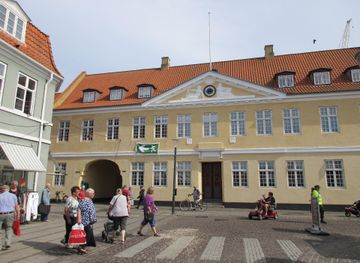
Explore Køge, Denmark's coastal gem, with its medieval charm, beautiful marina, and close proximity to the stunning Stevns Klint UNESCO World Heritage site.
Explore Køge
Explore more of Denmark
Discover Denmark: A perfect blend of history, modern design, and the cozy concept of hygge. Explore vibrant cities, serene landscapes, and world-class cuisine.
Explore Denmark
