Køge Byhistoriske Arkiv, Køge Travel Guide
Free Guide: Køge’s documentary memory bank, where quiet shelves of papers, photos and maps reveal centuries of local life to anyone ready to start researching.


A brief summary of Køge Byhistoriske Arkiv
Køge’s documentary memory bank, where quiet shelves of papers, photos and maps reveal centuries of local life to anyone ready to start researching.
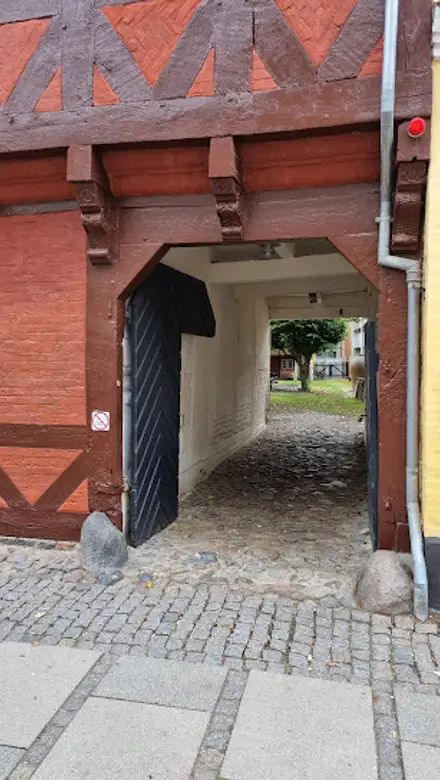
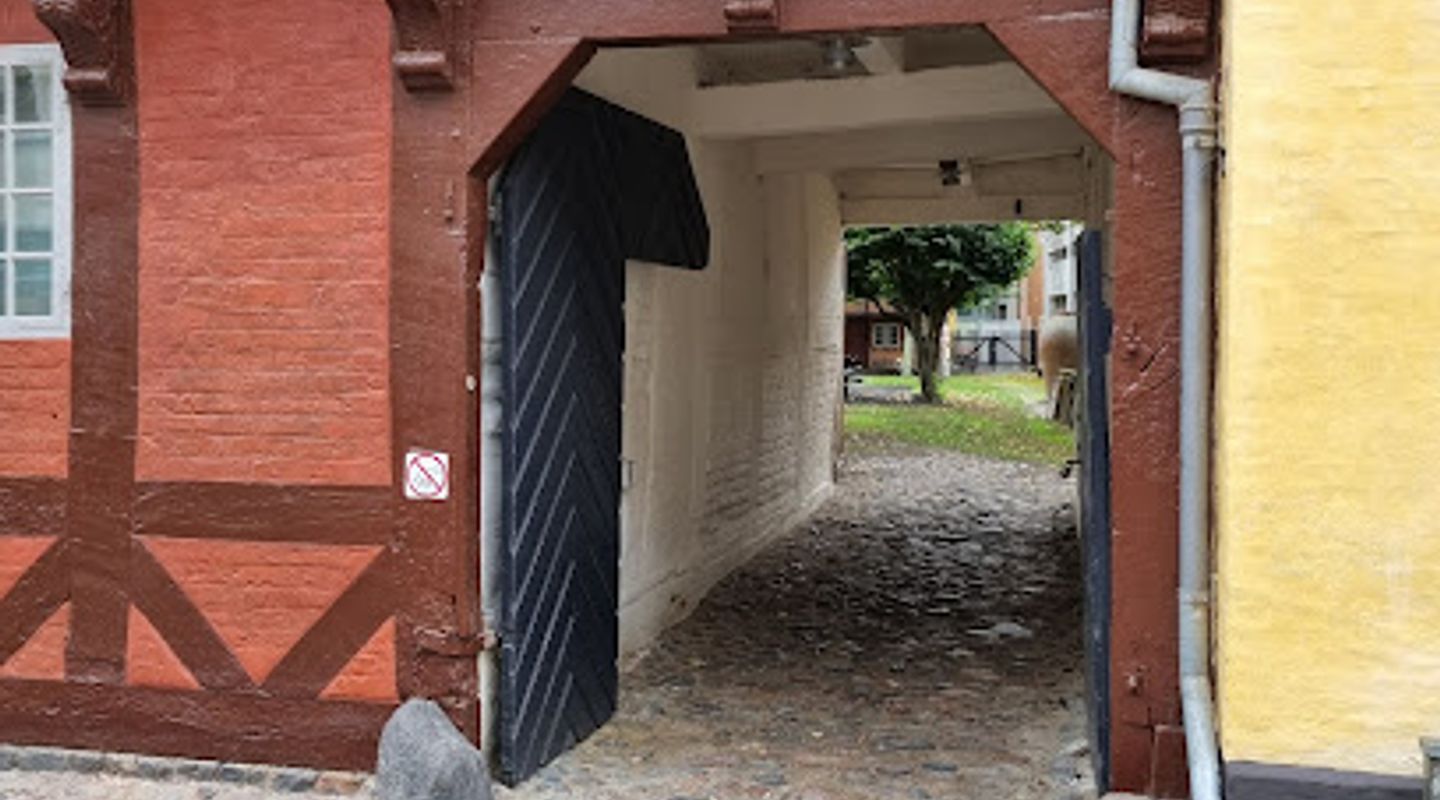
Køge Byhistoriske Arkiv is the city’s local history archive, tucked into central Køge on Nørregade. Part reading room, part treasure vault, it preserves documents, photographs, maps, and records from Køge and its surrounding parishes. Researchers, genealogists, students, and curious locals use the calm, bookish space to trace family stories, investigate old streetscapes, or dive into centuries of urban and rural life. With limited opening hours and a focused mission, it offers a quiet, specialist experience rather than a conventional museum visit.
On-site amenities
 Restrooms
 Seating areas
 Information boards
Opening hours
- MonClosed
- Tue10 am–12 pm
- Wed10 am–12 pm
- Thu10 am–4 pm
- FriClosed
- SatClosed
- SunClosed
Opening hours as listed on the venue’s Google Business Profile. Hours can change for services and special events, so check with the venue before you go.
- Address
- Nørregade 4, 4600 Køge
- Phone
- Website
Getting there
Regional train and short walk
Local bus within Køge
Car from greater Copenhagen
Discover more about Køge Byhistoriske Arkiv
Where Køge’s memories are carefully kept
Køge Byhistoriske Arkiv is the documentary memory of the town, dedicated to collecting, preserving and making accessible material about Køge and nearby parishes such as Boholte, Ølsemagle and Lellinge. Behind its modest entrance on Nørregade, shelves and archival boxes hold everything from centuries‑old documents to modern photographs, local leaflets and personal collections.Rather than display cases and large exhibitions, you will find a research room and knowledgeable staff who help unlock this material. It is the place where local associations deposit their minutes, where businesses send old records, and where private families donate albums and papers that shed light on everyday life.
Collections that map a town’s changing life
The archive’s holdings cover a broad sweep of Køge’s development: urban planning, harbour life, crafts and trades, housing, schools and cultural life. Historic maps show how streets and plots have shifted; property records help reconstruct who lived where; and image collections trace the transformation from market town to modern municipality.For anyone exploring family history, church books, census extracts and local registers can be consulted on site, often alongside card indexes and digital tools that make searching more efficient. Researchers interested in specific themes – from wartime experiences to industrial stories – can draw on clippings, pamphlets and unpublished manuscripts.
A working room more than a classic museum
Visiting the archive feels closer to entering a reading room than walking into a gallery. Tables, computers and reference tools dominate the public space, and visits typically revolve around concrete research questions. Staff can advise on how to frame a search, where to begin, and which collections are most promising for a given topic.The atmosphere is quiet and concentrated, suited to note‑taking and slow browsing of fragile originals. Because material must be preserved for the long term, handling rules are taken seriously: pencils instead of pens, clean hands, and careful use of supports for larger volumes or maps.
Part of a wider network of local archives
Køge Byhistoriske Arkiv forms one branch of Køge Arkiverne, a network that also includes local archives for Skovbo, Herfølge‑Sædder and Højelse. Together they divide the municipality into coverage areas, ensuring that documents from villages and rural parishes are not lost and that each area has dedicated guardians of its heritage.This collaboration strengthens the possibilities for regional research. A topic beginning in the town – such as a factory, railway line or school reform – can often be followed into the countryside through related collections in the sister archives, with staff pointing visitors to the right place.
Planning a focused stop in central Køge
The archive’s limited opening hours make it a place best visited with some preparation. Checking current timetables in advance, defining your questions and perhaps contacting staff ahead of time can help them retrieve relevant boxes before you arrive. Allow enough time for slow reading: once you begin unfolding old maps or scanning names in a register, hours can pass quickly.Located in Køge’s compact historic centre, the archive fits easily into a day spent exploring the town’s cobbled streets, harbourfront and museums. For anyone with roots in the area, or a professional interest in local history, it can become the most meaningful stop of all, connecting present‑day Køge with the stories preserved on paper within these walls.
Evendo Review Centre
 Google
Guest reviews
Best time to go
Quietest: Jan, Feb & Dec · before 8am or from 6pm
Busy times are Evendo estimates for a typical year, to help you plan. Actual crowds vary with events, school holidays and the weather.
Explore Køge Byhistoriske Arkiv on the map
A handpicked selection of must-see spots near Køge Byhistoriske Arkiv, mapped for you.
Get your free copy of our complete guide to Køge Byhistoriske Arkiv, delivered straight to you.
Everything on this page, from opening hours and how to get there to Eve’s tips and the best time to go, in one PDF you can read offline, print or share.
Already have an account? Sign in
Your Køge Byhistoriske Arkiv guide is ready.
We'll send it to · Not you? Sign out

Getting your guide ready…
We are putting together a fresh copy of the Køge Byhistoriske Arkiv guide. This can take up to a minute.
This can take a few moments. If your browser asks, choose Allow so the download can start. You'll find the guide in your Downloads folder.
Nothing happened? Download it again
Sorry, the guide is taking longer than usual. Please try again in a minute, or get it by email instead.
Other nearby places you may find interesting
The closest places of the same kind, if this one is not quite what you had in mind.
-
-
-
-
-


Swipe for more places
More to explore near Køge Byhistoriske Arkiv
-
 Best experiences near Køge Byhistoriske Arkiv
-
 Best hotels near Køge Byhistoriske Arkiv
-
 Best landmarks near Køge Byhistoriske Arkiv
-
 Best attractions near Køge Byhistoriske Arkiv
-
 Best shops near Køge Byhistoriske Arkiv
-
 Best restaurants near Køge Byhistoriske Arkiv
-
 Best bars near Køge Byhistoriske Arkiv


Do you manage this location?
Take control to get all the benefits, like improved information, better appearance, and stronger visibility across AI-powered discovery.
Explore more
Explore more of Køge
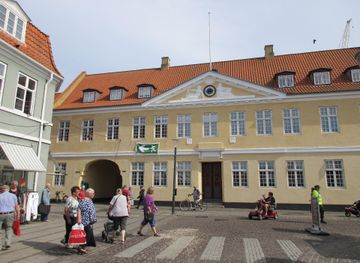
Explore Køge, Denmark's coastal gem, with its medieval charm, beautiful marina, and close proximity to the stunning Stevns Klint UNESCO World Heritage site.
Explore Køge
Explore more of Denmark
Discover Denmark: A perfect blend of history, modern design, and the cozy concept of hygge. Explore vibrant cities, serene landscapes, and world-class cuisine.
Explore Denmark