Køge syd mole, South Zealand Travel Guide
A simple harbour mole on Køge’s southern edge, offering wide sea views, salty air and a quiet glimpse of everyday coastal life on Køge Bay.
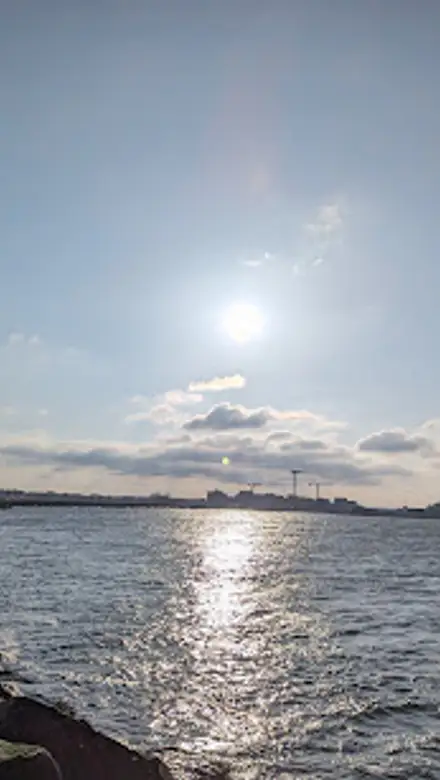
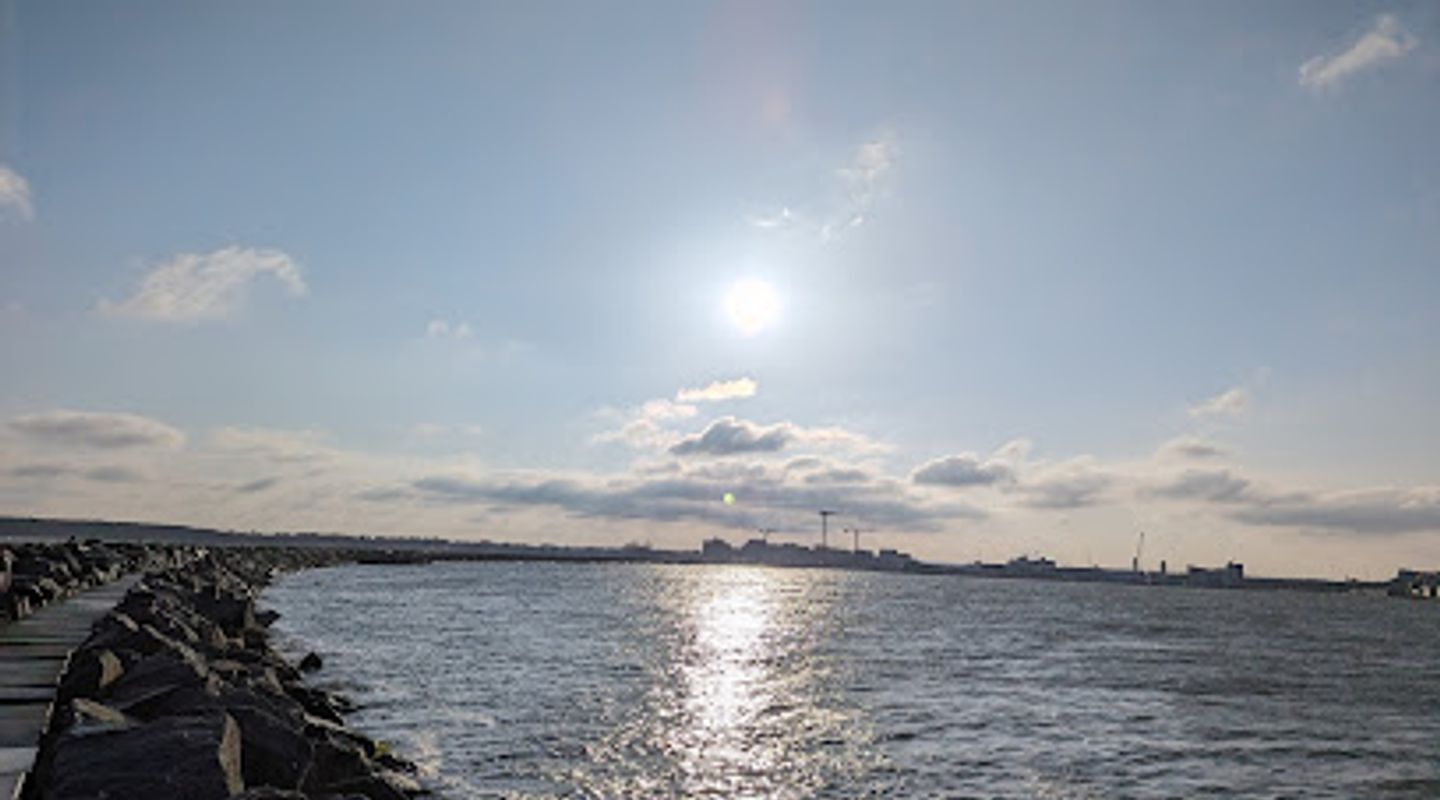
Køge Syd Mole is a quiet breakwater and pier on the southern edge of Køge Harbour, reaching out into Køge Bugt with wide views over the bay. Used mainly by anglers, walkers and locals out for sea air, it offers a low-key taste of everyday coastal life in eastern Zealand. Expect changing skies, working harbour scenes and the simple pleasure of waves, wind and gulls rather than formal attractions or facilities.
A brief summary to Køge syd mole
- Unnamed Road, DK
- Duration: 0.5 to 2 hours
- Free
-
 Outdoor
- Mobile reception: 4 out of 5

Know before you go
Hi, I'm Eve. Here are a few practical things to know before exploring Køge syd mole.
- Wear sturdy, non-slip shoes; the concrete and rocks along the mole can be uneven and may be slick after rain or in winter.
- Pack an extra layer or windproof jacket, as the breeze over Køge Bay often feels stronger and cooler than in the town streets.
- If you plan to fish, check local regulations in advance and bring all your own gear, bait and a bag to take any rubbish away with you.
Do you manage this location?
Take control to get all the benefits, like improved information, better appearance, and stronger visibility across AI-powered discovery. Learn more about listing your business on Evendo
Activate your presenceOther nearby places you may find interesting
The closest places of the same kind, if this one is not quite what you had in mind.
Explore Køge syd mole on the Map
A handpicked selection of must-see spots near Køge syd mole, mapped for you.
Getting There
-
Train and walk from central Køge
From Køge Station, it typically takes 20–30 minutes on foot to reach the southern harbour area and Køge Syd Mole, following local streets through the town and then along the waterfront. The walk is mostly flat and paved, suitable for most visitors, but it can feel exposed near the harbour in strong winds or rain. There is no extra cost beyond your train ticket into Køge, which on regional services from Copenhagen usually ranges around 80–120 DKK one way in standard class.
-
Local bus within Køge
Several local bus lines connect residential areas of Køge with stops near the harbour, from where you can walk the final 10–15 minutes to Køge Syd Mole on flat ground. Buses generally run every 20–60 minutes during the day, with reduced frequency in evenings and on weekends. A single-zone ticket within Køge typically costs about 24–30 DKK, or you can use a travel card valid in the Zealand region.
-
Bicycle from Køge town centre
Cycling from Køge’s historic centre to the southern mole usually takes 10–15 minutes along mostly flat streets and harbour roads. The route makes use of Denmark’s well-developed cycle lanes for much of the way, though you should take care near industrial entrances and port traffic. There is no specific fee to bring your own bike, and some regional trains to Køge allow bicycles for an additional charge of roughly 20–30 DKK depending on the ticket type.
For the on-the-go comforts that matter to you
-
 Trash Bins
Discover more about Køge syd mole
Where the harbour meets the open bay
Køge Syd Mole stretches out from the southern side of Køge Harbour into Køge Bay, forming part of the breakwater that shelters the town’s working port. Out here, you stand between two worlds: on one side cranes, masts and the low skyline of Køge; on the other, the broad, flat horizon of the Baltic Sea. The structure itself is plain and functional, but the appeal lies in the sense of space and the constant movement of water and weather.The mole is essentially a long, narrow arm of rock and concrete, with railings along sections and rough edges where waves and ice have left their mark. It is not a manicured promenade; instead, it feels like part of a living harbour, where ships still come and go, and the town’s maritime role is very much present.A front-row seat to everyday coastal life
Much of the atmosphere here comes from ordinary routines rather than staged sights. You may pass local anglers setting up rods along the edge, buckets and tackle boxes at their feet, quietly watching their lines for movement. On breezy days, kite surfers and small sailing boats criss-cross the outer bay, while seabirds ride the air currents above the breakwater.The light over Køge Bugt changes constantly. Clear days bring a sharp, bright horizon, while overcast weather softens the colours into silvery greys and muted blues. Sunrise and late afternoon often paint the water with bands of pink and gold, especially when clouds break just above the sea.Traces of a long maritime story
Although the mole itself is a modern working structure, it is part of a coastline with deep historical roots. Køge has been a harbour town for centuries, trading across the bay and further along the Danish coast. Standing on the mole, you look back towards a town whose streets still hold timber-framed houses, a medieval church tower and one of Denmark’s most historic market squares.From this vantage point, the low-lying land around Køge Bay makes sense: this is a naturally sheltered indentation in the coastline, protected by headlands to the north and south. The breakwaters and moles accentuate that geography, giving ships calmer water and offering people on foot a safe platform to step closer to the sea.Simple pleasures in wind and weather
Køge Syd Mole is an outdoor experience shaped by the elements. On calm summer days, the air can feel almost soft, scented faintly with salt and harbour tar, and the mole becomes a relaxed place for a stroll, a quiet conversation, or a solitary pause on the rocks. In stronger winds, waves slap harder against the stones, spray jumps the edge, and the soundscape swells with the roar of water and the whistling of gusts.There is little shelter along the structure, so clothing and footwear matter. Concrete and stones can feel chilly in shoulder seasons, and in winter the mole takes on a stark, almost austere beauty, with low light, icy air and the occasional patch of frost or snow clinging to the rocks.Planning a visit by the water
A visit here is typically short and unhurried: a chance to stretch your legs from town, breathe in the sea air and take a few photographs of the coastline and harbour. There are no built-in facilities on the mole itself, so restrooms, cafés and shops are found back in the harbour and town areas.Because this is part of an active harbour environment, it rewards a little awareness. Keep an eye on children near the water’s edge, be mindful of anglers’ lines, and respect any temporary closures in bad weather. Beyond that, the mole remains a quietly satisfying place to experience Køge’s relationship with the sea in its most straightforward form.












Your all‑in‑one travel companion app
Explore expert travel guides, compare and book tours, experiences, hotels, and more—all from the palm of your hand. Download now for seamless trip planning wherever your wanderlust takes you.


Explore More of South Zealand
Looking beyond Køge syd mole? Discover South Zealand for broader travel guides, local hot-spots, and regional highlights.
Explore South Zealand
Discover Køge Church, a stunning Gothic landmark with historic interiors, breathtaking architecture, and centuries-old maritime connections at the heart of Køge.
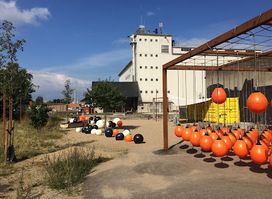
A compact harbourfront playground in Køge where maritime character, industrial backdrops and inventive landscape design create a free, atmospheric urban pause.