Befrielsessten i Køge, Koge Travel Guide
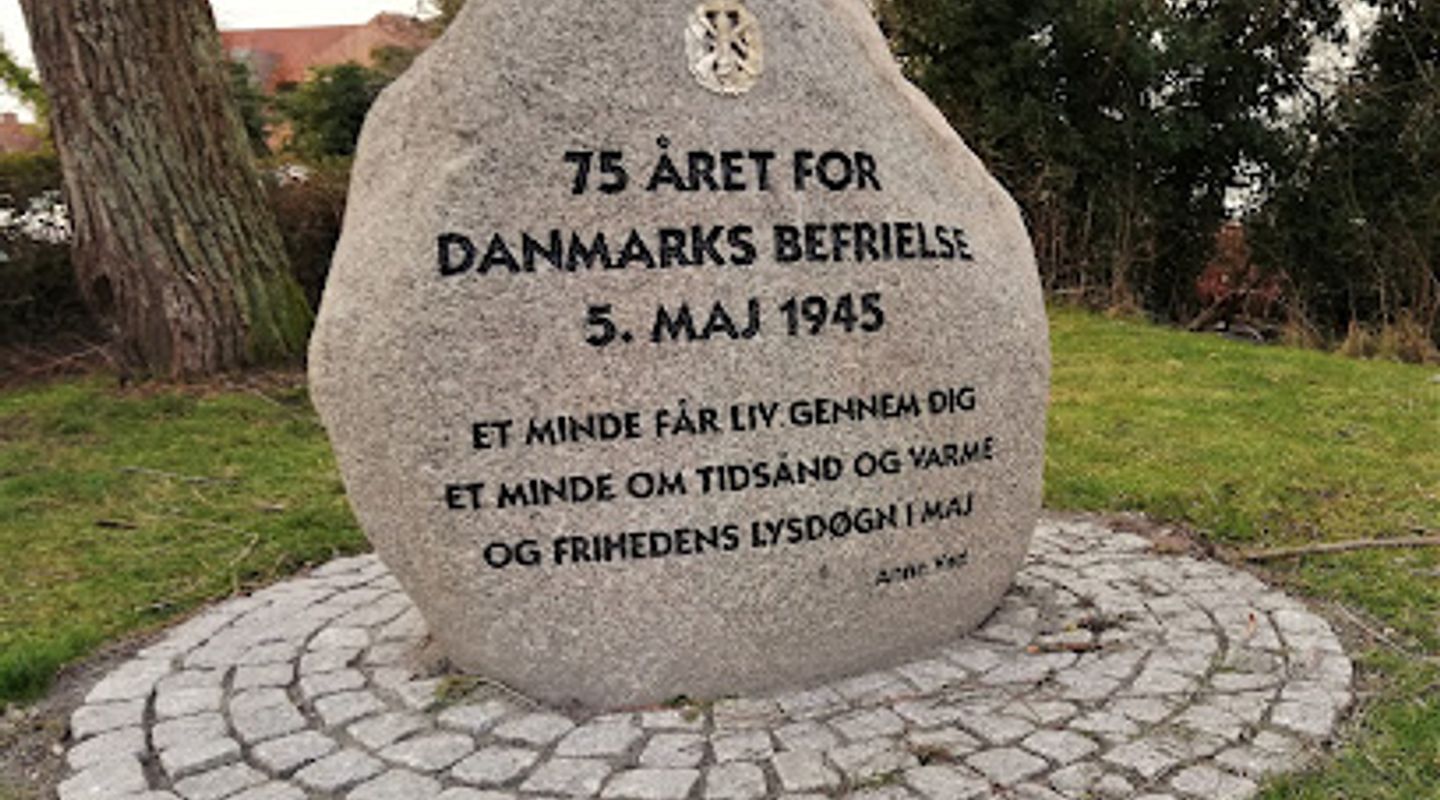
A solemn memorial to Denmark's liberation from Nazi occupation, standing in Køge's historic market square.
A solemn memorial stone in central Køge commemorating Denmark's liberation from Nazi occupation on May 4–5, 1945. Located at Torvebyen in the heart of the historic market square, this modest but significant monument stands as a testament to the Danish resistance movement and the nation's freedom. The stone is freely accessible year-round in one of Denmark's largest town squares, making it an important stop for those interested in Danish wartime history.
A brief summary to Befrielsessten i Køge
- Torvebyen 6, Køge, 4600, DK
- Duration: 0.25 to 1 hours
- Free
-
 Outdoor
- Mobile reception: 5 out of 5

Know before you go
Hi, I'm Eve. Here are a few practical things to know before exploring Befrielsessten i Køge.
- Visit Torvebyen in the late afternoon when the square is quieter, allowing for more reflective contemplation of the monument and its historical significance.
- Combine your visit with exploration of Køge's other historical sites, including the medieval town layout, historic harbor, and nearby museums documenting local and wartime history.
- The square hosts regular markets and events; check local schedules to experience Torvebyen as a living civic space, not merely a historical site.
- Bring a camera to capture the stone's inscription and its setting within Denmark's largest provincial market square, a composition rich in historical layers.
Do you manage this location?
Take control to get all the benefits, like improved information, better appearance, and stronger visibility across AI-powered discovery. Learn more about listing your business on Evendo
Activate your presenceOther nearby places you may find interesting
The closest places of the same kind, if this one is not quite what you had in mind.
Explore Befrielsessten i Køge on the Map
A handpicked selection of must-see spots near Befrielsessten i Køge, mapped for you.
Getting There
-
Train
Køge Station is located approximately 800 meters northeast of Torvebyen. Regional trains from Copenhagen Central Station (København H) run frequently throughout the day, with journey times of 25–35 minutes depending on service type. From the station, follow signs toward the town center; the walk to Torvebyen takes approximately 10–12 minutes through the commercial district. Train tickets cost approximately 60–90 DKK for a single journey from Copenhagen.
-
Bus
Local and regional buses serve Køge, with several routes stopping at or near Torvebyen. Bus 1A and 1B connect the town center and surrounding areas. Journey times from Copenhagen vary by route but typically range from 40–60 minutes. Buses are frequent during weekday hours (every 15–30 minutes) and less frequent on weekends. A single ticket costs approximately 24 DKK within Køge; longer regional journeys cost 40–80 DKK.
-
Car
Køge is accessible via the E20 motorway from Copenhagen, approximately 40 kilometers south. Driving time from central Copenhagen is typically 35–50 minutes depending on traffic. Parking is available in paid lots and on-street spaces around Torvebyen; expect to pay 20–40 DKK per hour. Street parking is often limited during business hours; dedicated parking facilities are located within a 5-minute walk of the square.
-
Bicycle
Køge is well-connected by cycle routes from surrounding towns and Copenhagen. The journey from Copenhagen by bicycle takes approximately 90–120 minutes via the coastal route. Bike parking is available throughout Torvebyen and the surrounding town center. This option is most practical during mild weather months (May–September) and offers scenic views of the Danish countryside and coastline.
For the on-the-go comforts that matter to you
-
 Seating Areas
-
 Information Boards
-
 Food Options
-
 Drink Options
-
 Restrooms
Discover more about Befrielsessten i Køge
A Monument to National Liberation
Befrielsessten i Køge is a memorial stone dedicated to Denmark's liberation from Nazi occupation during World War II. Erected in the years following the German surrender in May 1945, the stone commemorates the pivotal moment when Denmark regained its sovereignty after nearly five years of occupation. The monument stands in Torvebyen, positioned within Køge's historic market square—a location chosen for its symbolic significance as the civic heart of the city.The exact date inscribed on the stone reflects the complexity of Denmark's liberation: some befrielsessten monuments record May 4, while others note May 5, 1945, marking the final days of German control in Denmark. This dual dating acknowledges the rapid succession of events that culminated in the restoration of Danish independence and the end of wartime restrictions that had defined daily life for the Danish population.Køge's Role in Wartime Denmark
Køge, as a significant port city and commercial hub on the Danish coast, played an important role during the occupation years. The town's strategic location and economic importance meant it was subject to German military oversight and the constraints imposed on all Danish municipalities. The liberation of Køge and the surrounding region was part of the broader Danish resistance effort and the final collapse of German authority in Scandinavia. The decision to place a befrielsessten in Køge's central square reflects the town's collective memory of occupation and its celebration of restored freedom.The Historic Market Square Setting
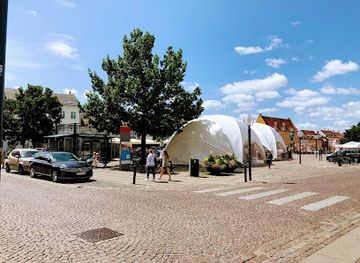
Tørvebyen, where the monument stands, is no ordinary town square. Køge Torv is recognized as the largest market square in Denmark outside Copenhagen, a distinction it has held since its establishment around 1288. The square has served as the commercial and social center of Køge for over seven centuries, hosting markets, gatherings, and civic events. By placing the befrielsessten here, the community ensured that the memory of liberation would be integrated into the everyday life and consciousness of residents and visitors alike. The square's historical significance amplifies the memorial's importance as a symbol of both local and national identity.A Modest Yet Meaningful Monument
Unlike grand monuments or elaborate memorials, befrielsessten stones are characteristically simple and understated. Their power lies not in architectural grandeur but in their direct, unadorned commemoration of a specific historical moment. The stone at Torvebyen serves as a quiet reminder of sacrifice, resilience, and the value of freedom. It invites reflection without demanding attention, allowing visitors to engage with Denmark's wartime history at their own pace. The monument's modest scale makes it accessible and approachable, encouraging both formal remembrance and spontaneous contemplation.Accessibility and Year-Round Presence
The befrielsessten is freely accessible at all times, as it is an outdoor monument in a public square. There are no admission fees, operating hours, or restrictions on visiting. This open accessibility reflects the democratic principle that the memory of liberation belongs to all citizens and visitors. Whether visiting Køge for its commercial attractions, historical sites, or waterfront character, travelers can pause at Torvebyen to acknowledge this important chapter in Danish history. The monument's permanent presence in the square ensures that the story of Denmark's liberation remains visible and relevant across generations.












Your all‑in‑one travel companion app
Explore expert travel guides, compare and book tours, experiences, hotels, and more—all from the palm of your hand. Download now for seamless trip planning wherever your wanderlust takes you.


Explore More of Koge
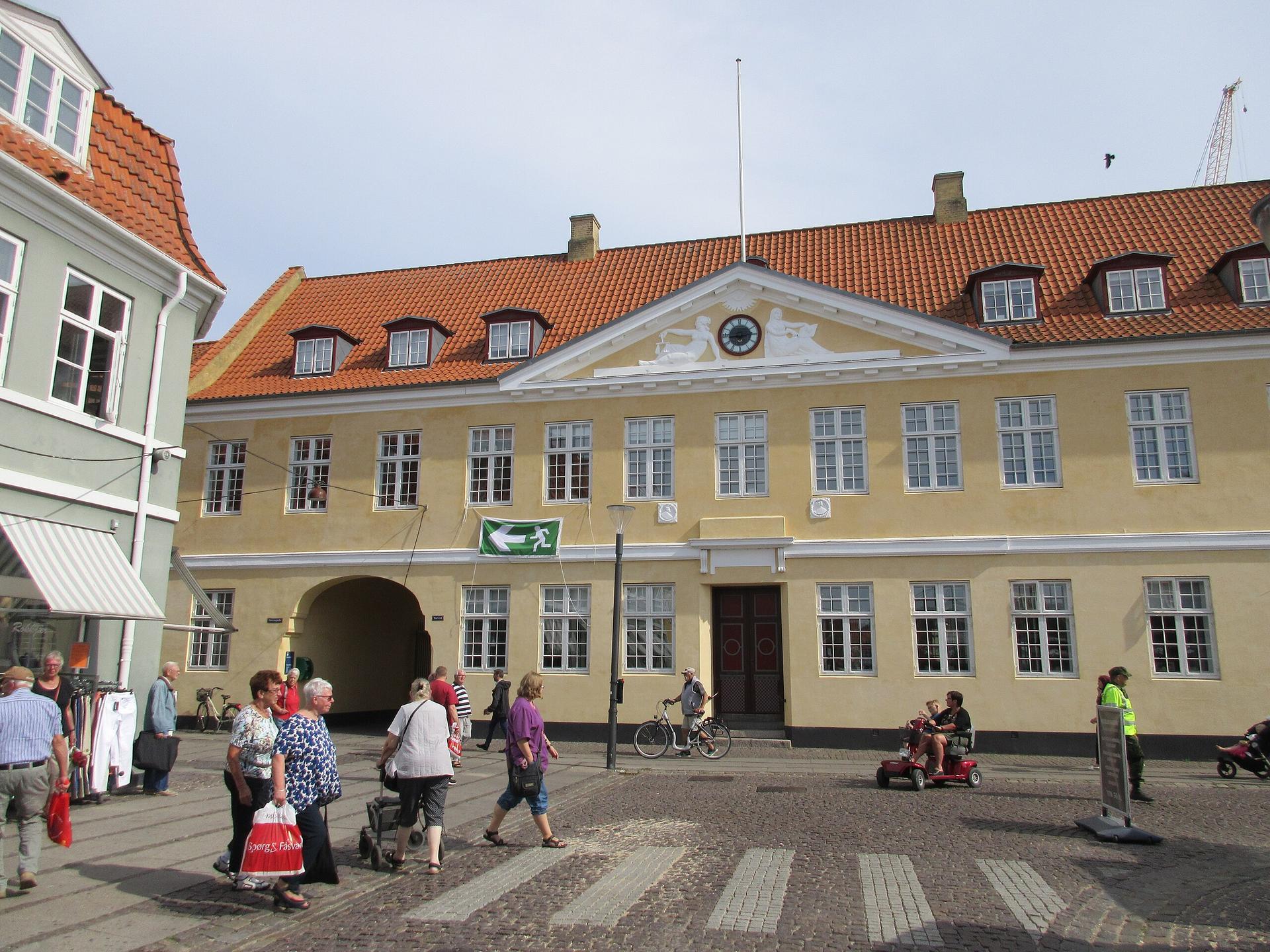
Looking beyond Befrielsessten i Køge? Discover Koge for broader travel guides, local hot-spots, and regional highlights.
Explore Koge