

Køge Torv, Køge Travel Guide
Free Guide: Denmark's largest medieval town square, where seven centuries of history unfold on cobblestones.


A brief summary of Køge Torv
Denmark's largest medieval town square, where seven centuries of history unfold on cobblestones.
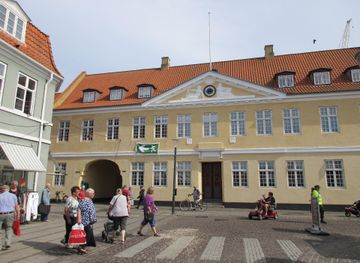
Køge Torv is Denmark's largest medieval town square, located in the historic coastal town of Køge, approximately 40 kilometers south of Copenhagen. This expansive cobblestone plaza serves as the heart of one of Denmark's best-preserved medieval town centers, surrounded by centuries-old half-timbered houses and significant historical landmarks. The square has been a focal point of civic life since the Middle Ages, hosting markets, gatherings, and community events for over 700 years.
On-site amenities
 Restrooms
 Drink options
 Food options
 Seating areas
 Information boards
- Address
- 4600 Køge
Getting there
Train from Copenhagen
Car from Copenhagen
Bus from Copenhagen
Bicycle from Nearby Towns
Discover more about Køge Torv
The Medieval Heart of a Historic Port Town
Køge Torv stands as Denmark's largest medieval town square outside Copenhagen, a distinction that reflects its historical importance as a major market and trading hub. Established during the Middle Ages when Køge was chartered in 1288, the square remains remarkably well-preserved, with its expansive cobblestone surface and surrounding architecture creating an authentic sense of stepping back through centuries. The square's generous proportions were designed to accommodate the bustling commerce that made Køge a thriving center for merchants, craftsmen, and traders throughout the medieval period.
Architectural Treasures and Historic Structures
The buildings framing Køge Torv showcase some of Denmark's finest examples of medieval and Renaissance architecture. The oldest dated half-timbered house in Denmark, constructed in 1527, stands as a testament to the craftsmanship of the era, its timber frame and distinctive design still visible today. The town hall, dating from 1570 and continuously in use, anchors the square with its commanding presence. Surrounding the plaza are numerous other half-timbered residences from the Renaissance period, their facades painted in traditional colors and their windows reflecting the architectural preferences of centuries past. These buildings create an intimate, human-scaled environment despite the square's considerable size.
Witness to Denmark's Most Dramatic Historical Episodes
Køge Torv has been the setting for some of Denmark's most significant historical events. Between 1608 and 1615, the square was the site of Denmark's most infamous witch trials, the Køge Huskors, during which accusations of witchcraft led to the execution of numerous women. This dark chapter remains among the most well-documented witch trials in Danish history, reflecting the fear and superstition that gripped the era. The square also witnessed the aftermath of the Battle of Køge Bay in 1677, when Admiral Niels Juel's naval victory over the Swedish fleet secured Danish control of regional waters. St. Nicholas Church, dating to 1324 and rebuilt around 1500, overlooks the square with its distinctive tower, from which captured Wendish pirates known as "Køge's Chickens" were hanged in the 14th century.
A Living Center of Community and Culture
Today, Køge Torv remains the vibrant center of the town, serving as a gathering place for locals and visitors alike. The square hosts markets, festivals, and community events throughout the year, continuing its medieval tradition as a place of commerce and social gathering. The surrounding streets branch off into narrow medieval lanes lined with shops, cafes, and restaurants, many housed in the historic buildings that frame the square. The Køge Museum, located in a 1619 merchant's house just steps away, provides deeper insight into the town's rich history from the Stone Age through the Viking period and beyond.
Gateway to Coastal Heritage
Køge Torv's significance is inseparable from the town's maritime identity. The square's establishment as a market center was directly enabled by Køge's strategic location on a protected harbor, which became one of Denmark's finest ports by the 15th century. The nearby Køge Stream, crossed by a stone bridge built in 1637, originally connected the square directly to the harbor, allowing merchants to move goods swiftly from ships to market. This maritime heritage remains central to Køge's identity, with the active commercial port continuing to shape the town's character and economy.
Evendo Review Centre
 Google
Guest reviews
Best time to go
Quietest: Jan, Feb & Dec · before 6am or at 10pm
Busy times are Evendo estimates for a typical year, to help you plan. Actual crowds vary with events, school holidays and the weather.
Explore Køge Torv on the map
A handpicked selection of must-see spots near Køge Torv, mapped for you.
Get your free copy of our complete guide to Køge Torv, delivered straight to you.
Everything on this page, from opening hours and how to get there to Eve’s tips and the best time to go, in one PDF you can read offline, print or share.
Already have an account? Sign in
Your Køge Torv guide is ready.
We'll send it to · Not you? Sign out

Getting your guide ready…
We are putting together a fresh copy of the Køge Torv guide. This can take up to a minute.
This can take a few moments. If your browser asks, choose Allow so the download can start. You'll find the guide in your Downloads folder.
Nothing happened? Download it again
Sorry, the guide is taking longer than usual. Please try again in a minute, or get it by email instead.
Other nearby places you may find interesting
The closest places of the same kind, if this one is not quite what you had in mind.
-
-
-
-
-


Swipe for more places
More to explore near Køge Torv

 Best experiences near Køge Torv
 Best hotels near Køge Torv
 Best landmarks near Køge Torv
 Best attractions near Køge Torv
 Best shops near Køge Torv
 Best restaurants near Køge Torv
 Best bars near Køge Torv
Do you manage this location?
Take control to get all the benefits, like improved information, better appearance, and stronger visibility across AI-powered discovery.
Explore more
Explore more of Køge
Explore Køge, Denmark's coastal gem, with its medieval charm, beautiful marina, and close proximity to the stunning Stevns Klint UNESCO World Heritage site.
Explore Køge
Explore more of Denmark
Discover Denmark: A perfect blend of history, modern design, and the cozy concept of hygge. Explore vibrant cities, serene landscapes, and world-class cuisine.
Explore Denmark
