

Køge Church, Koge Travel Guide
Medieval tower, Denmark's first lighthouse, baroque treasures in a historic port town.
St. Nicholas Church stands as one of Denmark's most historically significant medieval structures, dominating Køge's skyline with its distinctive 43-meter tower. Originally constructed around 1324, the church evolved through centuries of expansion, featuring a three-aisled nave built after 1375 and a tower that once served as Denmark's first lighthouse. Today, visitors can climb the tower for panoramic views, admire intricate baroque woodcarvings and altarpieces, and explore a building that witnessed pivotal moments in Danish maritime and religious history.
A brief summary to Køge Church
- Kirkestræde 26, Køge, 4600, DK
- Click to display
- Click to display
- Duration: 1 to 3 hours
- Budget
-
 Mixed
Mixed
- Mobile reception: 5 out of 5
- Monday 12 pm-4 pm
- Tuesday 10 am-4 pm
- Wednesday 10 am-4 pm
- Thursday 10 am-4 pm
- Friday 10 am-4 pm
- Sunday 10 am-4 pm

Know before you go
Hi, I'm Eve. Here are a few practical things to know before exploring Køge Church.
- Climb the 43-meter tower for sweeping views across Køge Bay and the surrounding town. The ascent offers insight into the tower's construction and its historical role as a lighthouse and defensive structure.
- Visit the church museum inside to access detailed guides and exhibits about the building's medieval origins, baroque interior, and Køge's maritime history. Materials are available in multiple languages.
- Examine the 1613 baptismal font and the 1624 pulpit—exceptional examples of Danish craftsmanship. The pulpit's oak carvings and the font's marble and porphyry work reflect the skill of local artisans.
- Explore the surrounding medieval streets and half-timbered houses, including the 1527 building on Kirkestræde, to fully appreciate Køge's architectural heritage and urban layout.
- Check the church's event calendar for organ concerts and special services. The main organ and choir organ create exceptional acoustics for classical music performances.
Do you manage this location?
Take control to get all the benefits, like improved information, better appearance, and stronger visibility across AI-powered discovery. Learn more about listing your business on Evendo
Activate your presenceOther nearby places you may find interesting
The closest places of the same kind, if this one is not quite what you had in mind.
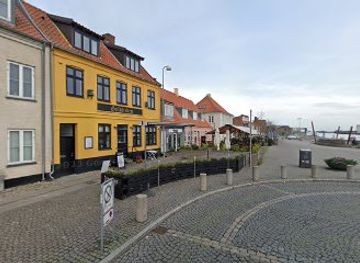
Explore Køge Church on the Map
A handpicked selection of must-see spots near Køge Church, mapped for you.
Getting There
-
Train from Copenhagen
Køge Nord Station is located approximately 1.5 kilometers south of St. Nicholas Church. Direct regional trains depart from Copenhagen Central Station (København H) every 15–30 minutes, with journey times of 25–35 minutes depending on service type. From Køge Nord Station, follow signs toward the town center or take a local bus. Walking takes approximately 20–25 minutes through modern development areas before reaching the medieval town center and the church on Kirkestræde. Train tickets cost approximately 60–90 DKK for a single journey.
-
Car from Copenhagen
St. Nicholas Church is located in central Køge, approximately 40 kilometers southwest of Copenhagen via the E20 motorway. Driving time is typically 40–50 minutes depending on traffic conditions. Parking is available in several public car parks near the town center, including spaces on Kirkestræde and nearby streets. Street parking is limited and subject to time restrictions. Paid parking typically costs 20–40 DKK per hour. The church address is Kirkestræde 26, 4600 Køge.
-
Bus from Copenhagen
Regional bus services connect Copenhagen to Køge, with journey times of 60–90 minutes depending on route and stops. Buses arrive at Køge Bus Station, located approximately 800 meters from St. Nicholas Church. From the bus station, walk north through the town center toward Kirkestræde. Bus fares typically range from 50–80 DKK for a single journey. Service frequency varies by route, with multiple departures throughout the day.
-
Bicycle from Køge Town Center
If already in Køge, St. Nicholas Church is easily accessible by bicycle or on foot from the Market Square (Køge Torv) and surrounding medieval streets. The church is located on Kirkestræde, approximately 300–500 meters from the harbor and main commercial areas. Cycling takes 5–10 minutes from most central locations. Bicycle parking is available near the church and throughout the medieval town center.
For the on-the-go comforts that matter to you
-
 Restrooms
-
 Drink Options
-
 Food Options
-
 Seating Areas
-
 Information Boards
-
 Visitor Center
Discover more about Køge Church
Medieval Foundations and Architectural Evolution
St. Nicholas Church began as a modest single-aisled structure around 1250–1300, dedicated to the patron saint of seafarers. The church's tower, the oldest preserved section, was constructed circa 1324 as a four-storey defensive structure with fortress-like severity, its exterior marked by narrow pilasters and small, unadorned openings. A fifth storey—the present bell chamber—was added in the 15th century, bringing the tower to its current height of 43 meters. The architectural language shifted dramatically around 1400, when the church underwent radical expansion. The three-aisled nave, inspired by North German brick Gothic traditions of the Hanseatic cities, was completed by 1450 and increased the church's floor area from approximately 175 square meters to roughly 1,400 square meters. This transformation created the spatial and structural form that defines the building today.The Tower: Fortress, Beacon, and Symbol
The tower functioned as both a fortification and a navigational aid. Around 1400, a brick lighthouse structure—a muret karnap—was constructed on the tower's eastern upper storey, making it Denmark's oldest surviving lighthouse. For centuries, this beacon guided seafarers navigating Køge Bay, while the tower's fortress-like design served defensive purposes during periods of conflict. The tower housed five bells, the oldest cast in 1470, and was fitted with a large clock mechanism created by Mecanicus Friis in 1825. In the 14th century, the tower earned a darker reputation as the site where pirates were executed—a grim practice that locals referred to as "Køge's Chickens." This dual nature—sacred and martial, spiritual and practical—reflects Køge's identity as a merchant port and royal stronghold.Interior Treasures and Baroque Splendor
The church's interior showcases exceptional craftsmanship spanning centuries. The pulpit, executed by Hans Holst in 1624 in late Renaissance style with baroque details, was completed to mark the church's 300th anniversary. Carved from oak and bearing Christian IV's crowned monogram alongside the date, it exemplifies the skilled woodworking traditions of Køge's guild craftsmen. The main organ, built by Marcussen & Søn in 1968, and the choir organ from 1999 provide both visual and acoustic richness. The altar, created by Lorentz Jørgensen, features motifs depicting the Last Supper and the Crucifixion. A baptismal font from 1613, crafted from black marble and red porphyry, and a baroque chapel established around 1675 with sandstone epitaphs further enrich the interior's artistic heritage.Køge's Urban Context and Architectural Significance
St. Nicholas Church anchors Køge's medieval town center, which retains its original 13th-century street plan. The church's position near Kirkestræde and the Market Square—Denmark's largest medieval square—reflects its central role in civic and spiritual life. Surrounding the church are half-timbered Renaissance houses, including the country's oldest dated non-religious building from 1527, creating a cohesive architectural ensemble that illustrates urban development from the late Middle Ages through the early modern period. The church's tower remains one of Køge's most recognizable landmarks, visible across the harbor and the bay.Restoration and Contemporary Stewardship
The church has undergone careful restoration and maintenance to preserve its medieval and baroque elements. Windows were fitted with stone tracery, and structural reinforcements were made while respecting original design principles. The church remains an active place of worship and a significant cultural institution, hosting services, concerts, and educational programs. A museum within the church offers detailed guides exploring its history, interior decoration, and the broader narrative of Køge's development as a medieval trading center and maritime hub.












Your all‑in‑one travel companion app
Explore expert travel guides, compare and book tours, experiences, hotels, and more—all from the palm of your hand. Download now for seamless trip planning wherever your wanderlust takes you.


Explore More of Koge
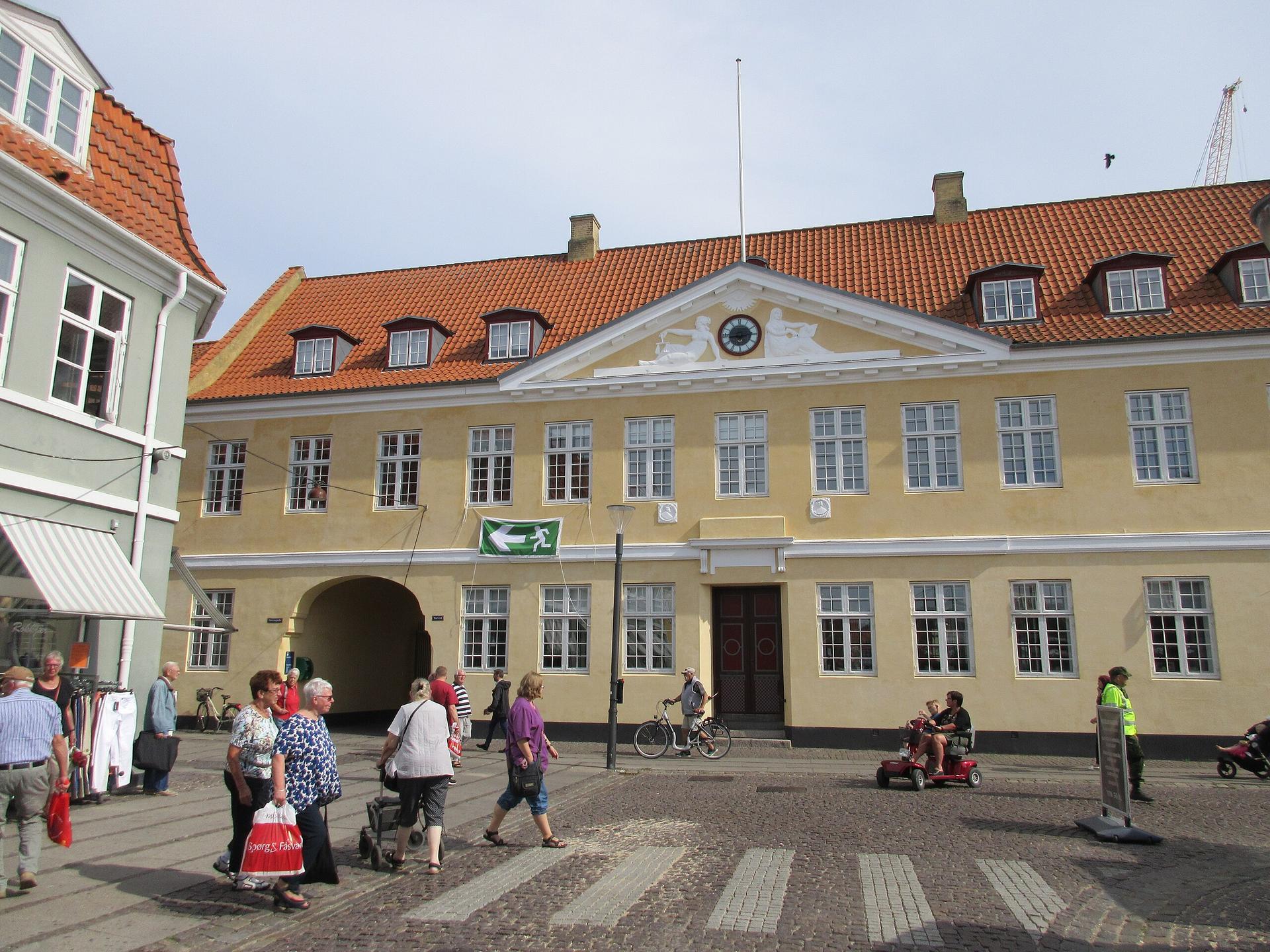
Looking beyond Køge Church? Discover Koge for broader travel guides, local hot-spots, and regional highlights.
Explore Koge
A hidden underground reservoir in Søndermarken Park, now an atmospheric venue for contemporary art installations and sensory experiences in Frederiksberg.

A modest memorial stone in central Køge marking the 1807 “Clogs Battle,” where local militia faced British troops during the turbulent Gunboat War.
