Vallø Castle, Køge Travel Guide
Free Guide: A Renaissance castle reborn: where Danish nobility found refuge and history survived the flames.


A brief summary of Vallø Castle
A Renaissance castle reborn: where Danish nobility found refuge and history survived the flames.
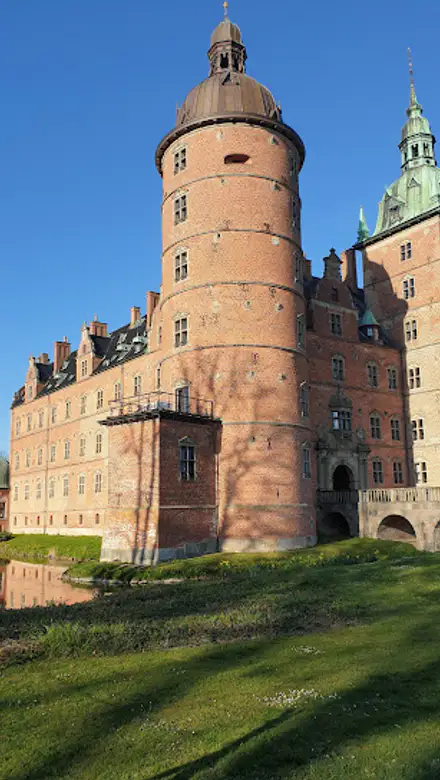
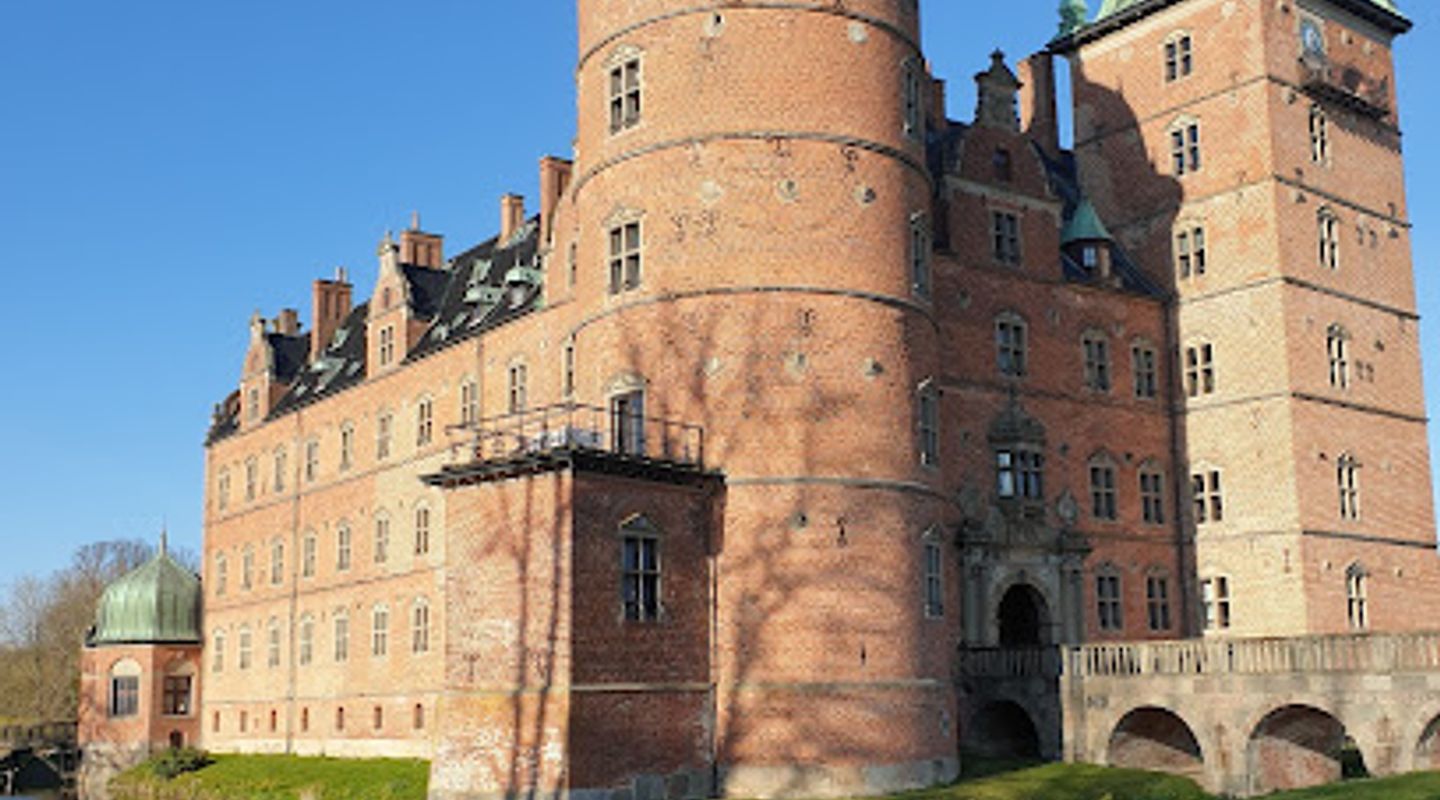
Vallø Castle is a striking Renaissance fortress in Køge, Denmark, with roots reaching back to the 1300s. Originally constructed as a noble residence in 1580, it was transformed in 1737 into a royal foundation for unmarried women of aristocratic birth. After a devastating fire in 1893, the castle was meticulously rebuilt over a decade, preserving its iconic red-brick exterior while adapting its interior to serve its charitable mission. Today, the castle and its surrounding estate remain a living testament to Danish royal patronage and architectural resilience.
On-site amenities
 Information boards
 Seating areas
 Picnic areas
Opening hours
- Every dayOpen 24 hours
Opening hours as listed on the venue’s Google Business Profile. Hours can change for services and special events, so check with the venue before you go.
- Address
- Slotsgade 4, 4600 Køge
- Phone
- Website
Getting there
Train from Copenhagen
Car from Copenhagen
Bicycle from Køge Town Center
Bus from Køge Station
Discover more about Vallø Castle
From Medieval Fortress to Royal Foundation
Vallø Castle's history stretches back to the medieval period, with documented roots in the 1300s. The structure as it stands today was erected between 1580 and 1586 by Mette Rosenkrantz as a magnificent Renaissance building, commanding the landscape with its distinctive architectural presence. In 1708, King Frederik IV acquired the estate and gifted it to his morganatic wife, Anna Sophie Reventlow, establishing it as a royal property. The castle's transformation into an institution of social significance came in 1737 when Queen Sophie Magdalene, wife of King Christian VI, converted Vallø into a royal foundation—a "frøkenstift" (women's foundation)—dedicated to providing housing and support for unmarried daughters of the Danish and Norwegian nobility and gentry.
A Sanctuary for Noblewomen
For nearly two centuries, Vallø Castle served as a prestigious refuge for women of aristocratic heritage. The foundation accepted unmarried daughters of noble families, offering them security, community, and purpose at a time when such institutions were rare and valued. The castle's role as a women's foundation shaped its daily life, architecture, and cultural significance within Danish society. The residents, known as stiftsdamer (foundation ladies), formed a close-knit community within the castle's walls, creating a unique social microcosm that blended aristocratic tradition with charitable purpose.
The Great Fire and Architectural Resurrection
On a fateful day in 1893, disaster struck when a candle accident ignited a catastrophic fire that consumed the castle's interior. Despite the castle's thick outer walls withstanding the inferno, the flames destroyed invaluable cultural artifacts and the entire interior structure. Rather than abandon the estate, the Danish authorities resolved to rebuild. Professor Hans Jørgen Holm, a renowned architect, was entrusted with the restoration, assisted by architect Søren Lemche. Throughout 1893, the team conducted detailed surveys and precise measurements of the ruins. The reconstruction, which began in spring 1894, took a decade to complete, concluding in summer 1904. The architects ingeniously reused the surviving sandstone portals, medallions, and decorative elements, while completely reimagining the interior layout. The castle's former royal chambers, chapel, and grand halls were converted into nine apartments for the foundation's residents, alongside a new entrance hall and garden room.
The Restored Castle and Its Enduring Legacy
The reconstructed Vallø Castle emerged as a masterpiece of sensitive restoration, balancing historical preservation with practical adaptation. The distinctive red-brick exterior, which had survived the flames, was retained as the castle's defining visual character. The reinvigoration of the castle in 1904 allowed nine stiftsdamer to take residence in their new apartments, continuing the foundation's mission into the twentieth century. Today, Vallø Castle stands as a remarkable example of Danish architectural heritage and institutional continuity. The surrounding estate, with its carefully maintained grounds and parkland, complements the castle's presence and provides a serene setting that reflects both its noble origins and its humanitarian purpose. The castle remains an active foundation, preserving centuries of Danish history while serving contemporary needs.
Evendo Review Centre
 Google
Guest reviews
Best time to go
Quietest: Jan, Feb & Dec · before 6am or at 10pm
Busy times are Evendo estimates for a typical year, to help you plan. Actual crowds vary with events, school holidays and the weather.
Explore Vallø Castle on the map
A handpicked selection of must-see spots near Vallø Castle, mapped for you.
Get your free copy of our complete guide to Vallø Castle, delivered straight to you.
Everything on this page, from opening hours and how to get there to Eve’s tips and the best time to go, in one PDF you can read offline, print or share.
Already have an account? Sign in
Your Vallø Castle guide is ready.
We'll send it to · Not you? Sign out

Getting your guide ready…
We are putting together a fresh copy of the Vallø Castle guide. This can take up to a minute.
This can take a few moments. If your browser asks, choose Allow so the download can start. You'll find the guide in your Downloads folder.
Nothing happened? Download it again
Sorry, the guide is taking longer than usual. Please try again in a minute, or get it by email instead.
Other nearby places you may find interesting
The closest places of the same kind, if this one is not quite what you had in mind.
-
-
-
-
-


Swipe for more places
More to explore near Vallø Castle

 Best experiences near Vallø Castle
 Best hotels near Vallø Castle
 Best landmarks near Vallø Castle
 Best attractions near Vallø Castle
 Best shops near Vallø Castle
 Best restaurants near Vallø Castle
 Best bars near Vallø Castle
Do you manage this location?
Take control to get all the benefits, like improved information, better appearance, and stronger visibility across AI-powered discovery.
Explore more
Explore more of Køge
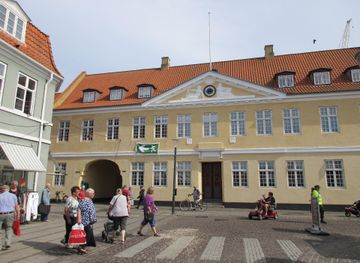
Explore Køge, Denmark's coastal gem, with its medieval charm, beautiful marina, and close proximity to the stunning Stevns Klint UNESCO World Heritage site.
Explore Køge
Explore more of Denmark
Discover Denmark: A perfect blend of history, modern design, and the cozy concept of hygge. Explore vibrant cities, serene landscapes, and world-class cuisine.
Explore Denmark