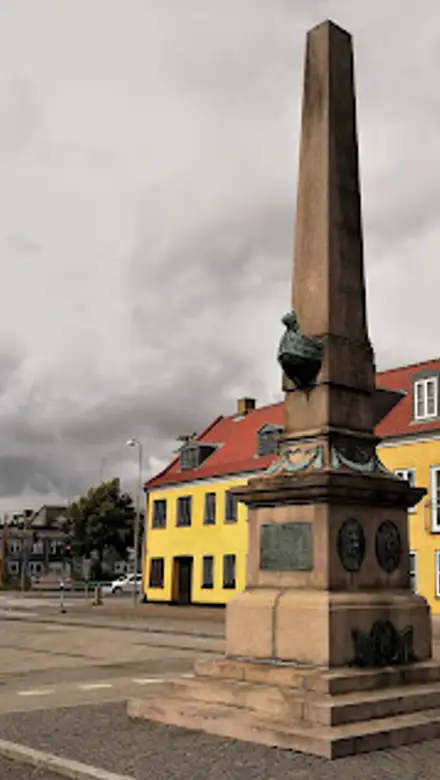
Mindesmærke for slagene i Køge Bugt, Køge Travel Guide
Free Guide: Harbourfront monument where stone, sea breeze and maritime symbols keep the naval battles of Køge Bugt and their admirals alive on Køge’s working waterfront.


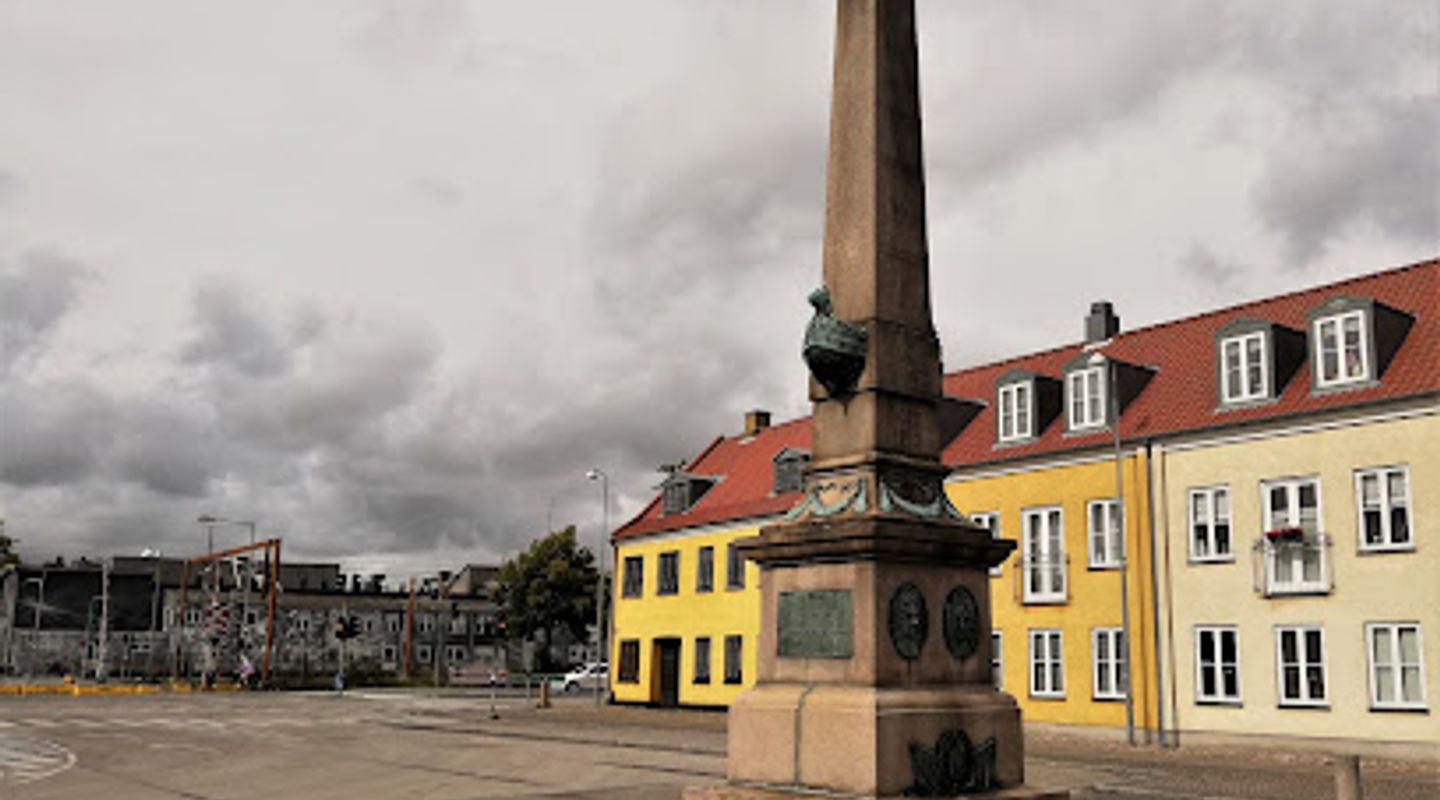
A brief summary of Mindesmærke for slagene i Køge Bugt
Harbourfront monument where stone, sea breeze and maritime symbols keep the naval battles of Køge Bugt and their admirals alive on Køge’s working waterfront.
Set against the industrial quays and open water of Køge Harbour, the Mindesmærke for slagene i Køge Bugt is a striking coastal monument commemorating two decisive naval battles fought in the bay in 1677 and 1710. Dedicated to admirals Niels Juel and Ivar Huitfeldt, it blends sculptural stonework, maritime symbolism and poetic inscriptions to anchor Denmark’s seafaring history in a compact, contemplative corner of the harbourfront. A quiet pause point on a stroll by the water, it invites you to imagine cannon smoke over the bay where pleasure craft now glide.
On-site amenities
 Trash bins
 Seating areas
 Information boards
 Restrooms
 Drink options
 Food options
Opening hours
- Every dayOpen 24 hours
Opening hours as listed on the venue’s Google Business Profile. Hours can change for services and special events, so check with the venue before you go.
- Address
- Havnen 23, 4600 Køge
- Website
Getting there
Train and walking from Copenhagen
Local bus from Køge town centre
Car from greater Zealand region
Discover more about Mindesmærke for slagene i Køge Bugt
Seafaring memories on Køge’s working waterfront
Tucked beside the quays at Havnen 23, the Mindesmærke for slagene i Køge Bugt stands where the town meets the open waters that once decided Denmark’s fate at sea. The setting is unapologetically maritime: fishing boats and leisure yachts bob close by, gulls wheel overhead and the wind carries the mix of salt air and engine oil that defines a working harbour. Against this backdrop, the monument rises from a small paved plinth, a deliberate pause in an otherwise practical landscape.From a distance, you first notice its verticality – an obelisk-like form in pale stone, geometric yet softened by weather, framed by masts and cranes. As you draw nearer, details sharpen into view: carved reliefs, inscriptions and naval motifs that turn a simple column into a compact history lesson. The monument feels both modest in scale and monumental in meaning, a local landmark that anchors the whole waterfront in its past.
Naval battles that shaped a kingdom
The memorial commemorates two dramatic engagements in Køge Bugt, in 1677 and 1710, when the bay became a stage for clashes between the Danish and Swedish fleets. In the first, the Danish admiral Niels Juel used clever tactics and intimate knowledge of these shallow waters to outmanoeuvre a stronger Swedish force, securing a symbolic victory in the Scanian War. Decades later, during the Great Northern War, Ivar Huitfeldt met his end here when his flagship exploded in a catastrophic magazine blast while battling a superior enemy.Erected in the early 1900s, the monument reflects a period when Denmark looked back to its naval heroes for inspiration. Its dual dedication to Juel and Huitfeldt binds triumph and sacrifice together: one battle remembered for tactical genius, the other for stoic courage in defeat. Standing here, with modern navigation buoys and container traffic on the horizon, it is easy to sense how strategically important this broad, seemingly peaceful bay once was.
Symbolism carved in stone and bronze
Close up, the monument rewards careful inspection. Stylised ship forms, anchors, wreaths and royal insignia are worked into its surfaces, echoing the decorative language of turn-of-the-century national monuments. Inscriptions name the admirals and battles, but there is also room for more lyrical touches. Lines of verse evoke sailors sinking "like the sun dips down" into the embracing sea, transforming historical fact into maritime myth.The craftsmanship is sturdy rather than delicate, built to withstand decades of coastal weather. Wind and sea air have softened crisp edges and darkened recesses, giving the stone an almost organic patina. On bright days, the pale surfaces catch the light; in overcast weather, the monument blends into the muted tones of concrete, steel and water, a quiet presence more than a focal spectacle.
A contemplative pause on a harbour stroll
Although easily explored in a short stop, the site lends itself to lingering. Low walls and nearby benches along the harbourfront offer informal seating, turning the area into an outdoor room open to the sky. From here you can watch ferries and small craft slip past the very waters that once thundered with broadsides, letting the contrast between then and now sink in.The monument’s compact footprint makes it an easy addition to a wider wander through Køge’s waterfront and old town. It suits visitors who enjoy layering stories onto places: history enthusiasts tracing Denmark’s naval past, families introducing children to the idea of maritime warfare, or photographers drawn to the interplay of stone, metal and sky. Even if you arrive with little prior knowledge, the combination of text, imagery and setting makes the narrative surprisingly accessible.
Reading the landscape of Køge Bugt
Perhaps the most powerful aspect of the memorial is how it encourages you to read the bay itself. Looking out from the plinth, you can imagine lines of wooden warships edging carefully through these shallow waters, sandbanks lurking beneath the waves. The wide curve of the coastline, now dotted with marinas and beaches, becomes a natural amphitheatre for naval drama.On windy days, whitecaps and spray make it easier to picture chaotic battle conditions; in calm weather, the contrast between today’s tranquillity and the violence remembered here feels even sharper. Either way, the monument serves as a lens: a simple vertical marker through which the whole of Køge Bugt becomes a historic landscape, resonating far beyond its quiet corner of the harbour.
Evendo Review Centre
 Google
Guest reviews
Best time to go
Quietest: Jan, Feb & Mar · before 6am or from 9pm
Busy times are Evendo estimates for a typical year, to help you plan. Actual crowds vary with events, school holidays and the weather.
Explore Mindesmærke for slagene i Køge Bugt on the map
A handpicked selection of must-see spots near Mindesmærke for slagene i Køge Bugt, mapped for you.
Get your free copy of our complete guide to Mindesmærke for slagene i Køge Bugt, delivered straight to you.
Everything on this page, from opening hours and how to get there to Eve’s tips and the best time to go, in one PDF you can read offline, print or share.
Already have an account? Sign in
Your Mindesmærke for slagene i Køge Bugt guide is ready.
We'll send it to · Not you? Sign out

Getting your guide ready…
We are putting together a fresh copy of the Mindesmærke for slagene i Køge Bugt guide. This can take up to a minute.
This can take a few moments. If your browser asks, choose Allow so the download can start. You'll find the guide in your Downloads folder.
Nothing happened? Download it again
Sorry, the guide is taking longer than usual. Please try again in a minute, or get it by email instead.
Other nearby places you may find interesting
The closest places of the same kind, if this one is not quite what you had in mind.
-
Vallø Castle A Renaissance castle reborn: where Danish nobility found refuge and history survived the flames.
-
Køge Church Medieval tower, Denmark's first lighthouse, baroque treasures in a historic port town.
-
Køge bølgebryder Industrial waterfront landmark offering sweeping sea vistas and authentic coastal atmosphere.
-
Køge Torv Denmark's largest medieval town square, where seven centuries of history unfold on cobblestones.
-
“Slaget i Køge Bugt” Harbourfront monument on Køge’s quay, quietly marking the dramatic naval battles once fought in the bay where today only fishing boats and leisure craft glide.
Swipe for more places
More to explore near Mindesmærke for slagene i Køge Bugt
-
 Best experiences near Mindesmærke for slagene i Køge Bugt
-
 Best hotels near Mindesmærke for slagene i Køge Bugt
-
 Best landmarks near Mindesmærke for slagene i Køge Bugt
-
 Best attractions near Mindesmærke for slagene i Køge Bugt
-
 Best shops near Mindesmærke for slagene i Køge Bugt
-
 Best restaurants near Mindesmærke for slagene i Køge Bugt
-
 Best bars near Mindesmærke for slagene i Køge Bugt







Do you manage this location?
Take control to get all the benefits, like improved information, better appearance, and stronger visibility across AI-powered discovery.
Explore more
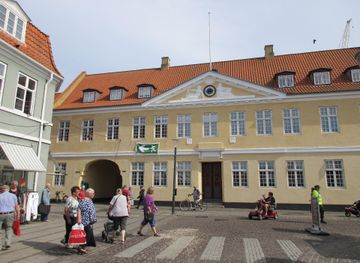
Explore more of Køge
Explore Køge, Denmark's coastal gem, with its medieval charm, beautiful marina, and close proximity to the stunning Stevns Klint UNESCO World Heritage site.
Explore Køge
Explore more of Denmark
Discover Denmark: A perfect blend of history, modern design, and the cozy concept of hygge. Explore vibrant cities, serene landscapes, and world-class cuisine.
Explore Denmark