

“Slaget i Køge Bugt”, Koge Travel Guide
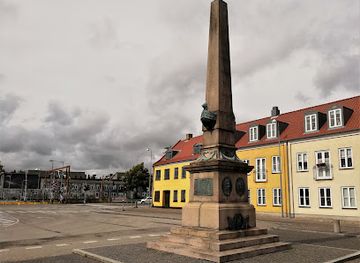
Harbourfront monument on Køge’s quay, quietly marking the dramatic naval battles once fought in the bay where today only fishing boats and leisure craft glide.
Down by Køge Harbour, the “Slaget i Køge Bugt” monument marks Denmark’s dramatic naval battles fought in the waters off the bay, particularly the decisive 1677 victory over Sweden and later clashes in 1710 and 1807. Set by the quay at Havnen 23, this sculptural memorial connects the quiet modern harbour with centuries of maritime warfare, inviting you to pause, look out over the water and imagine lines of warships where ferries, fishing boats and yachts now glide.
A brief summary to “Slaget i Køge Bugt”
- Havnen 23, Køge, 4600, DK
- Click to display
- Duration: 0.5 to 1 hours
- Free
-
 Outdoor
- Mobile reception: 4 out of 5

Know before you go
Hi, I'm Eve. Here are a few practical things to know before exploring “Slaget i Køge Bugt”.
- Combine a short stop at the monument with a wider stroll along Køge Harbour to appreciate how close the historic battlefields lie to today’s waterfront.
- Visit in the early evening golden hour for atmospheric light on the water, which helps bring the idea of historic fleets and shifting weather to life.
- Pair the harbour visit with time at a local history museum in Køge on the same day to see artefacts, models and displays related to the battles in the bay.
Do you manage this location?
Take control to get all the benefits, like improved information, better appearance, and stronger visibility across AI-powered discovery. Learn more about listing your business on Evendo
Activate your presenceOther nearby places you may find interesting
The closest places of the same kind, if this one is not quite what you had in mind.
Explore “Slaget i Køge Bugt” on the Map
A handpicked selection of must-see spots near “Slaget i Køge Bugt”, mapped for you.
Getting There
-
Regional train and short walk from Copenhagen
From Copenhagen Central Station, take a regional train toward Køge; the journey typically takes 35–45 minutes and runs at least twice an hour during the day. A standard one‑way adult ticket usually falls in the range of 80–110 DKK, depending on discounts and time of purchase. On arrival at Køge Station, expect roughly a 10–15 minute walk on mostly level pavements through the town towards the harbour area around Havnen 23, suitable for most visitors with basic mobility.
-
Car from greater Zealand
Travelling by car from other parts of Zealand, allow around 40–60 minutes from central Copenhagen and 60–90 minutes from destinations such as Roskilde or Næstved, depending on traffic. The approach to Køge is via major roads and motorways, and the town has harbour‑area parking zones within walking distance of Havnen 23. Some spaces are time‑limited or fee‑based during weekdays, with hourly rates commonly in the range of 10–20 DKK, so check local signage and be prepared for busy periods on sunny weekends when harbour parking fills quickly.
-
Local bus within Køge area
If you are staying in the Køge region, local buses connect residential districts and nearby coastal communities with central Køge and its harbour area in about 10–25 minutes. Single tickets bought on board or via local transport apps usually cost around 24–30 DKK for short journeys. Services run less frequently in the evenings and on Sundays, so check current timetables in advance, and be aware that some stops may require a short, level walk to reach the waterfront near the monument.
For the on-the-go comforts that matter to you
-
 Restrooms
-
 Drink Options
-
 Drinking Water
-
 Food Options
-
 Seating Areas
-
 Trash Bins
-
 Information Boards
Discover more about “Slaget i Køge Bugt”
War Memories on a Peaceful Quay
At Havnen 23, on the working waterfront of Køge, the “Slaget i Køge Bugt” monument stands where the town meets its historic bay. The setting is modest – quays, moored boats and the low hum of harbour life – yet the sculpture points to events that once shook the region. These waters formed the stage for several major clashes between Danish, Norwegian and Swedish fleets, as well as later encounters during the Napoleonic era.Looking from the monument across the bay, it is easy to forget that this calm, shallow stretch was once packed with heavy warships, smoke and splintered timber. The memorial anchors those distant scenes in a specific spot, giving Køge’s harbourfront a quiet but powerful historical focal point.Niels Juel and the 1677 Naval Triumph
The best known of the battles remembered here is the great sea fight of 1–2 July 1677, when Admiral Niels Juel led the Dano‑Norwegian fleet against Sweden in the Scanian War. The engagement unfolded between Stevns and Falsterbo, at the mouth of Køge Bay rather than directly in the harbour, but its outcome shaped the town’s maritime identity for generations. Danish forces secured an overwhelming victory, capturing or sinking multiple Swedish ships and suffering relatively light losses themselves.The monument distils this complicated encounter into a single image and title. Even without detailed text, it signals that these waters were once a strategic frontier, where control of sea lanes, trade and regional power were decided under canvas and cannon fire.Later Battles and the Dannebrog Tragedy
Køge Bay did not exit history after 1677. In 1710 another major sea battle took place here, again pitting Danish and Swedish fleets against each other, and later, in 1807, British and Danish forces clashed on land near Køge during the Gunboat War. Local archives and the nearby museum exhibitions often link these events, highlighting how the town repeatedly found itself close to the front line.One of the most haunting stories associated with the bay is the loss of the ship Dannebrog, which exploded during fighting in the early 18th century. That catastrophe, evoked today in museum displays in town, adds a human dimension to the memorial at the harbour: for every victory etched into national memory, there were crews who never sailed home.A Simple Sculpture with Deep Layers
Physically, the “Slaget i Køge Bugt” memorial is not grand in scale. It is a sculptural marker rather than a towering column, set amidst bollards, masts and the functional structures of the quay. This understatement suits its surroundings. Rather than dominate the harbourfront, it invites you to draw closer, read its title, and then lift your gaze back to the horizon, piecing together fragments of history with the view before you.Because the monument stands in an open public space, you can approach it at any time of day or year. In bright summer light, the water gleams and the memorial feels almost like a punctuation mark on a leisurely harbour stroll. On grey, windy days, when waves slap against the quay, its reference to storms of iron and gunpowder feels more immediate.Harbour Atmosphere and Historical Imagination
The wider harbour around the monument helps bring the past to life. Fishing boats and small craft hint at Køge’s long relationship with the sea, while the industrial edges of the port speak to its continuing economic role. As you stand by the sculpture, you may catch the smell of salt, fuel and seaweed, hear the creak of rigging and the calls of seabirds.This blend of everyday maritime activity and layered history makes the “Slaget i Køge Bugt” spot an evocative pause on any walk through town. It is not a place where you will spend hours, but a compact, free and atmospheric reminder that even quiet corners of a modern harbour can be gateways to some of Denmark’s most dramatic stories.Link in a Chain of Local History
Although the monument stands on its own, it also forms part of a broader local tapestry. Within walking distance you find Køge’s historic streets, churches and museums, where the same battles are explored through artefacts, models and paintings. Seen in that context, the harbour memorial becomes the outdoor counterpart to indoor displays – a point where narrative and landscape meet.Whether you arrive with detailed knowledge of Scandinavian naval history or simply notice the sculpture while exploring the waterfront, this small monument offers a concise introduction to the significance of Køge Bay. It encourages you to imagine sails instead of cranes and cannon fire instead of gulls, before you step back into the present‑day rhythm of the port.












Your all‑in‑one travel companion app
Explore expert travel guides, compare and book tours, experiences, hotels, and more—all from the palm of your hand. Download now for seamless trip planning wherever your wanderlust takes you.


Explore More of Koge
Looking beyond “Slaget i Køge Bugt”? Discover Koge for broader travel guides, local hot-spots, and regional highlights.
Explore Koge
Denmark's largest island, home to Copenhagen and a millennium of Nordic history, culture, and natural beauty.
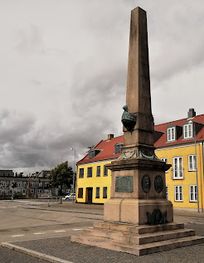
Harbourfront monument where stone, sea breeze and maritime symbols keep the naval battles of Køge Bugt and their admirals alive on Køge’s working waterfront.
