

Vandkunsten Springvand, Køge Travel Guide
Free Guide: A modest 1910 fountain in a cobbled Old Town square, Vandkunsten Springvand quietly retells Copenhagen’s centuries‑old story of water, trade and everyday city life.


A brief summary of Vandkunsten Springvand
A modest 1910 fountain in a cobbled Old Town square, Vandkunsten Springvand quietly retells Copenhagen’s centuries‑old story of water, trade and everyday city life.
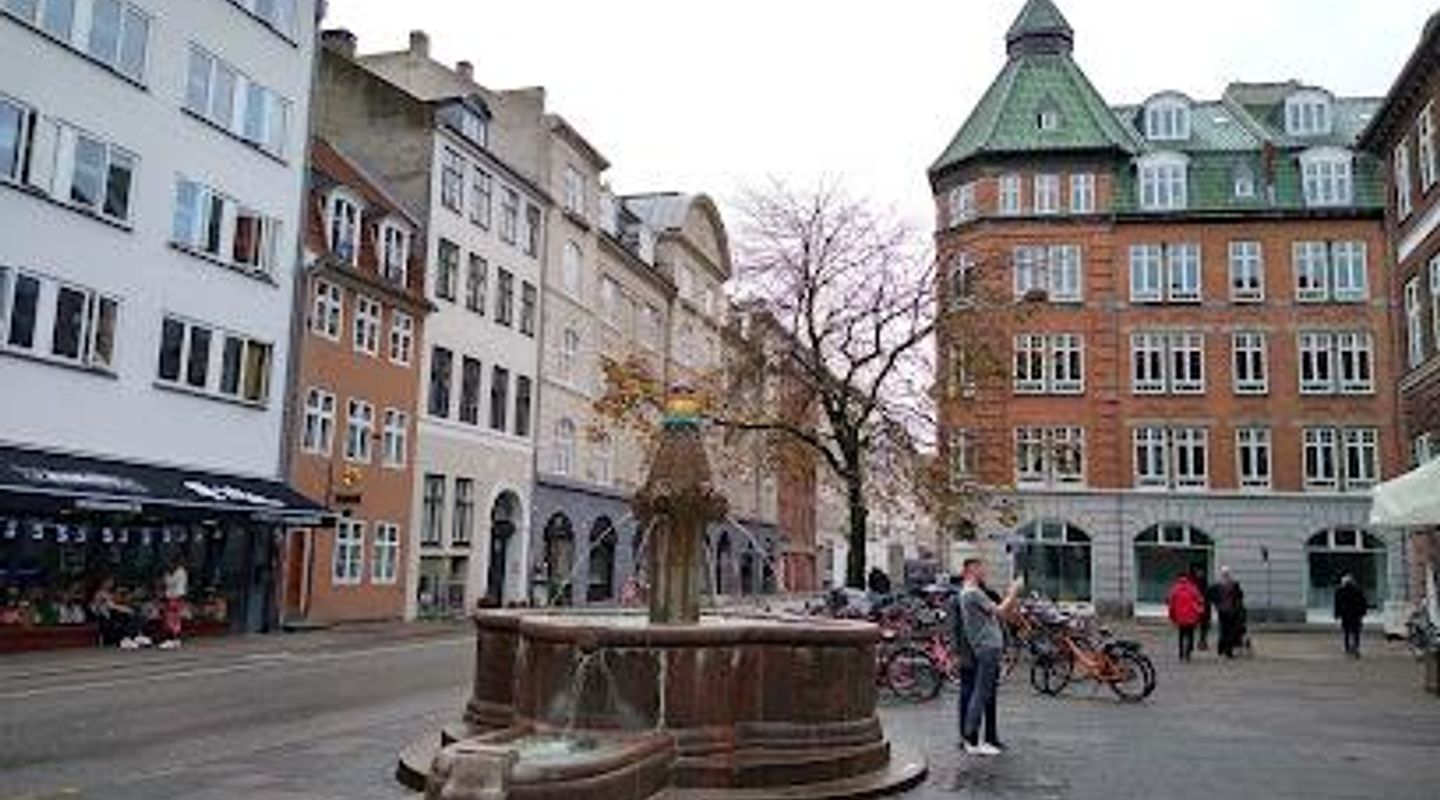
Tucked into the intimate cobbled square of Vandkunsten in Copenhagen’s Old Town, Vandkunsten Springvand is a compact 1910 fountain that quietly anchors centuries of urban history. Its granite stele, fish‑scale reliefs and bronze fish heads recall the square’s past as a fish market and as a vital water supply site connected to the royal castle. Today it offers a calm, atmospheric pause amid historic facades, inviting you to linger, watch the play of water and imagine medieval Copenhagen life flowing around this spot.
On-site amenities
 Seating areas
 Trash bins
 Information boards
Opening hours
- Every dayOpen 24 hours
Opening hours as listed on the venue’s Google Business Profile. Hours can change for services and special events, so check with the venue before you go.
- Address
- Vandkunsten 8, 1467 København
Getting there
Train and walk from Copenhagen Central Station
Metro and walk via Rådhuspladsen or Gammel Strand
City bus to the Old Town area
Bicycle within central Copenhagen
Discover more about Vandkunsten Springvand
A small fountain at the heart of a long story
Vandkunsten Springvand stands in the middle of one of Copenhagen’s more modest squares, yet it is wrapped in a history that stretches back to the Middle Ages. The name “Vandkunsten” – literally “the water feature” – recalls a time when this was not a decorative fountain but part of the city’s lifeline. From the 14th and 15th centuries, water was gathered and pumped from this area towards the royal stronghold on nearby Slotsholmen, carried through hollowed wooden trunks beneath the streets.By the 16th century a more formal pumping station operated here, drawing water from a mill pond that once filled what is now the square. Over time the water became too polluted for use, the machinery fell silent, and the site declined into a waste-strewn patch of ground. Only later was it paved and tidied, gaining new purpose as a marketplace and urban meeting point.
From fish market to sculpted granite
In the late 17th century the newly cobbled square was pressed into service as a fish market, a pragmatic role that would shape its identity for generations. Traders’ cries, the smell of fresh catch and the clatter of carts would once have filled this tight space, overshadowing any thought of ornament.The present fountain, completed in 1910, weaves these earlier chapters into a single sculptural object. Designed in granite with bronze and gilded metal detailing, its cylindrical base is wrapped in a pattern of fish scales. Water springs from four stylised fish heads, each one an explicit nod to the centuries when fish were bought and sold just a few steps from where you stand. This is decorative work, but it is also storytelling in stone and water.
Architecture framing the square
The square around Vandkunsten Springvand is framed by buildings that trace the evolution of Copenhagen’s architecture. Several of the surrounding properties are officially protected for their historic value, including former breweries at numbers 8 and 10, one dating to the mid‑18th century with later classical pilasters added when it became a brewer’s residence.At the far end stands a larger historicist block sometimes nicknamed “Kronborg” for its distant resemblance to the famous castle in Helsingør, while a red‑brick building from 1910 on the Frederiksholms Kanal corner carries one of the city’s oldest surviving street signs, using an older spelling of Vandkunsten. Together these facades form a compact architectural gallery, with the fountain as the visual and symbolic centre.
Atmosphere in a sheltered Old Town corner
Despite its central location in the Old Town, the mood here is surprisingly quiet. Narrow streets filter traffic and sound, so you notice the gentle splash of water against stone and the echo of footsteps on cobblestones. The space feels enclosed and human‑scaled, a contrast to the grand boulevards and wide canals only a short walk away.Benches and low edges give you places to sit and watch the square at its own measured pace: a cyclist passing, a local shortcutting through, sunlight catching the polished red granite hemisphere crowning the stele. In the evening, the surrounding windows begin to glow, and the fountain becomes more of a silhouette against warm brick and plaster.
Experiencing Vandkunsten today
For visitors exploring Copenhagen’s historic core, Vandkunsten Springvand is less a stand‑alone attraction than a small, characterful stop that helps knit the city’s stories together. It offers a moment to breathe between larger monuments and museums, and a compact lesson in how water, trade and everyday infrastructure helped shape the city.Take time to move close and study the details: the transition from rough to polished granite, the playful but stylised fish heads, the way the basin gathers reflections of the surrounding gables. Then step back to frame the fountain with the square’s oldest buildings in a single view. In doing so you see exactly what its early 20th‑century designers intended: a modest work of civic art that quietly honours the labour, commerce and ingenuity that once flowed through this very spot.
Evendo Review Centre
 Google
Guest reviews
Best time to go
Quietest: Jan, Feb & Mar · before 7am or from 11pm
Busy times are Evendo estimates for a typical year, to help you plan. Actual crowds vary with events, school holidays and the weather.
Explore Vandkunsten Springvand on the map
A handpicked selection of must-see spots near Vandkunsten Springvand, mapped for you.
Get your free copy of our complete guide to Vandkunsten Springvand, delivered straight to you.
Everything on this page, from opening hours and how to get there to Eve’s tips and the best time to go, in one PDF you can read offline, print or share.
Already have an account? Sign in
Your Vandkunsten Springvand guide is ready.
We'll send it to · Not you? Sign out

Getting your guide ready…
We are putting together a fresh copy of the Vandkunsten Springvand guide. This can take up to a minute.
This can take a few moments. If your browser asks, choose Allow so the download can start. You'll find the guide in your Downloads folder.
Nothing happened? Download it again
Sorry, the guide is taking longer than usual. Please try again in a minute, or get it by email instead.
Unlock the best of Vandkunsten Springvand
Skip-the-line tickets, guided tours with entry, and walking tours of the area, booked in a few clicks.

Other nearby places you may find interesting
The closest places of the same kind, if this one is not quite what you had in mind.
-
Mindesmærke for slagene i Køge Bugt Harbourfront monument where stone, sea breeze and maritime symbols keep the naval battles of Køge Bugt and their admirals alive on Køge’s working waterfront.
-
Vallø Castle A Renaissance castle reborn: where Danish nobility found refuge and history survived the flames.
-
Køge Church Medieval tower, Denmark's first lighthouse, baroque treasures in a historic port town.
-
Køge bølgebryder Industrial waterfront landmark offering sweeping sea vistas and authentic coastal atmosphere.
-
Køge Torv Denmark's largest medieval town square, where seven centuries of history unfold on cobblestones.
Swipe for more places
More to explore near Vandkunsten Springvand

 Best experiences near Vandkunsten Springvand
 Best hotels near Vandkunsten Springvand
 Best landmarks near Vandkunsten Springvand
 Best attractions near Vandkunsten Springvand
 Best shops near Vandkunsten Springvand
 Best restaurants near Vandkunsten Springvand
 Best bars near Vandkunsten Springvand
Do you manage this location?
Take control to get all the benefits, like improved information, better appearance, and stronger visibility across AI-powered discovery.
Explore more
Explore more of Køge
Explore Køge, Denmark's coastal gem, with its medieval charm, beautiful marina, and close proximity to the stunning Stevns Klint UNESCO World Heritage site.
Explore Køge
Explore more of Denmark
Discover Denmark: A perfect blend of history, modern design, and the cozy concept of hygge. Explore vibrant cities, serene landscapes, and world-class cuisine.
Explore Denmark
