Falster Travel Guide
Free Guide: Soft beaches, quiet fields and a southern horizon: Falster is Denmark’s gentle island gateway between Copenhagen and the Baltic, where life moves at an easy coastal pace.


A brief summary of Falster
Soft beaches, quiet fields and a southern horizon: Falster is Denmark’s gentle island gateway between Copenhagen and the Baltic, where life moves at an easy coastal pace.
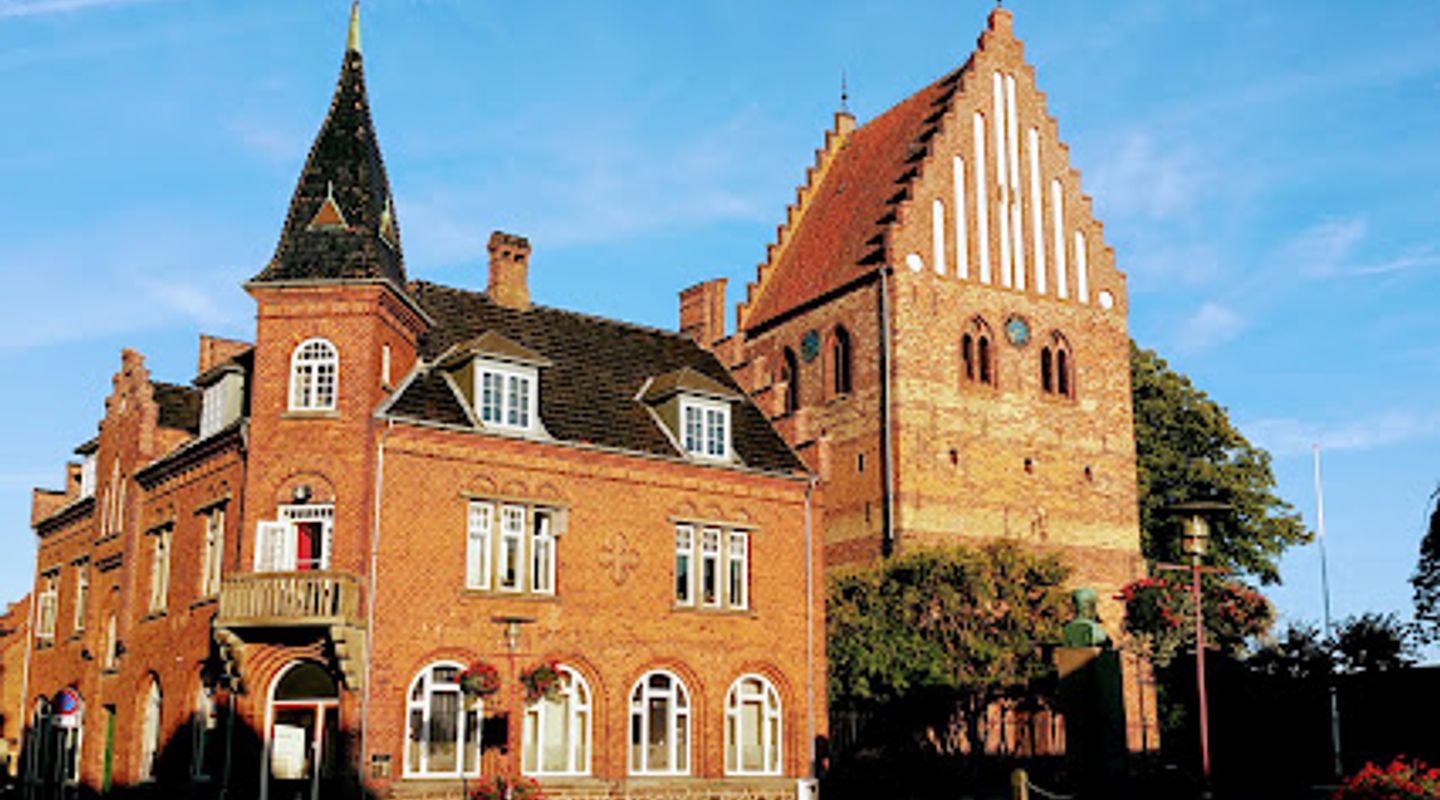
Falster is a gentle, low-lying island in south‑eastern Denmark, framed by long sandy beaches, fertile farmland and small, slow‑paced towns. Linked by road and rail between Copenhagen and Germany, it mixes maritime landscapes, medieval heritage in Nykøbing Falster and a swathe of family‑friendly attractions, from open‑air history and small museums to one of Denmark’s most beloved beach stretches at Marielyst. Expect quiet rural roads, big skies and easygoing coastal charm rather than headline‑grabbing drama.
On-site amenities
 Restrooms
 Drink options
 Drinking water
 Food options
 Seating areas
 Sheltered areas
 Picnic areas
 Trash bins
 Information boards
 Visitor centre
- Address
- Guldborgsund Municipality
Getting there
Train and local bus from Copenhagen
Car via E47 motorway from Zealand
Train and bicycle combination within the region
Discover more about Falster
Soft landscapes at Denmark’s southern edge
Falster lies in south‑eastern Denmark, a largely flat island of fields, hedgerows and pockets of forest surrounded by shallow seas and long, bending shorelines. To the south, near Gedser Odde, you stand at Denmark’s southernmost point, watching ferries and freighters pass on the Baltic routes while low dunes and wind‑combed grasses hold the coast in place. Inland, the land feels open and airy, with big cloud‑filled skies and long views across wheat, sugar beet and rapeseed.Despite its modest size, Falster feels spacious. Villages sit back from quiet country roads, church towers peek above the trees and shelterbelts mark out old field boundaries. The atmosphere is distinctly rural and unhurried, especially away from the main transport corridors that run north–south. It is an island where the drama lies in light, weather and horizon rather than in steep cliffs or high peaks.
Nykøbing Falster and stories of the past
Nykøbing Falster, the island’s main town, gathers around an old core of narrow streets, a church spire and a waterfront that once bustled with trade. Today, the harbor edges are calmer, with views over Guldborgsund strait and moored pleasure boats rather than cargo vessels. The town hints at its medieval roots in its street pattern and building fragments, while modern life carries on in shops, cafés and everyday services.Just outside town, the Medieval Centre recreates a small fortified settlement from around 1400, complete with timber houses, workshops and siege engines. It offers a tangible sense of how life once unfolded along these waters, with demonstrations of crafts, weapons and daily routines. Combined with smaller specialist museums scattered around the island – from machinery and transport to local geology – Falster quietly tells a surprisingly rich historical story.
Marielyst sands and the call of the sea
On the eastern side of Falster, Marielyst stretches out as a long ribbon of pale sand backed by low dunes and holiday cottages. The beach runs for many kilometres, shallow and usually gentle, ideal for paddling children, casual swimmers and long shoreline walks. In summer, this side of the island takes on a breezy holiday character with ice creams, beach gear and bare feet padding between sand and cottage terraces.Step away from the busiest access points and you quickly regain a sense of space. The sea here is more about bright reflections, soft waves and changing wind than rugged coastal drama. In the shoulder seasons, the dunes and back paths become places for quiet walks, with only the rustle of grasses and distant calls of seabirds to share your route.
Village life, nature corners and slow exploration
Beyond the main town and resort coast, Falster is a patchwork of small communities, roadside farmsteads and green corners. Villages like Stubbekøbing and Nørre Alslev still centre on their churches and small main streets, with a mix of traditional houses and practical modern buildings. Everyday life feels close to the land, with agriculture still shaping much of the island’s rhythm.Nature on Falster is subtle rather than spectacular: strips of woodland, small lakes, low meadows and the reed‑lined edges of Guldborgsund strait. These become rewarding places for birdwatching, quiet contemplation or leisurely cycling. The island’s network of minor roads and paths encourages exploration at a gentle pace, pausing for a roadside fruit stand, a village bakery or a sheltered bench under old trees.
A crossroads between regions
Though it feels rural, Falster sits astride one of northern Europe’s key travel corridors, with bridges and causeways linking it to Zealand and Lolland and onward routes to both Copenhagen and Germany. Trains and highways skim across the island, while ferries depart from nearby ports on Lolland and at Gedser. This makes Falster both gateway and destination: easy to combine with wider journeys, yet still holding a distinct, quietly self‑contained island identity.For travellers, this combination means you can arrive efficiently yet quickly slip into a slower rhythm. Whether you are tracing Denmark’s southern fringe, seeking a family beach base or simply curious about the quieter corners between capital and continent, Falster offers a low‑key, lived‑in glimpse of coastal Denmark away from big‑city sheen.
Evendo Review Centre
 Google
Guest reviews
Best time to go
Quietest: Jan, Feb & Mar · before 6am
Busy times are Evendo estimates for a typical year, to help you plan. Actual crowds vary with events, school holidays and the weather.
Explore Falster on the map
A handpicked selection of must-see spots near Falster, mapped for you.
Get your free copy of our complete guide to Falster, delivered straight to you.
Everything on this page, from opening hours and how to get there to Eve’s tips and the best time to go, in one PDF you can read offline, print or share.
Already have an account? Sign in
Your Falster guide is ready.
We'll send it to · Not you? Sign out

Getting your guide ready…
We are putting together a fresh copy of the Falster guide. This can take up to a minute.
This can take a few moments. If your browser asks, choose Allow so the download can start. You'll find the guide in your Downloads folder.
Nothing happened? Download it again
Sorry, the guide is taking longer than usual. Please try again in a minute, or get it by email instead.
Other nearby places you may find interesting
The closest places of the same kind, if this one is not quite what you had in mind.
-
-
-
-
-


Swipe for more places
More to explore near Falster

 Best experiences near Falster
 Best hotels near Falster
 Best landmarks near Falster
 Best attractions near Falster
 Best shops near Falster
 Best restaurants near Falster
 Best bars near Falster
Do you manage this location?
Take control to get all the benefits, like improved information, better appearance, and stronger visibility across AI-powered discovery.
Explore more
Explore more of Lolland
Discover Lolland, Denmark's tranquil island retreat, offering lush landscapes, historic sites, and delightful local cuisine for an unforgettable escape.
Explore Lolland
Explore more of Denmark
Discover Denmark: A perfect blend of history, modern design, and the cozy concept of hygge. Explore vibrant cities, serene landscapes, and world-class cuisine.
Explore Denmark