
Falster, Lolland Falster Travel Guide
A gentle Danish Baltic island of long beaches, quiet farmland, small harbor towns and big skies, where laid-back coastal holidays meet everyday rural life.
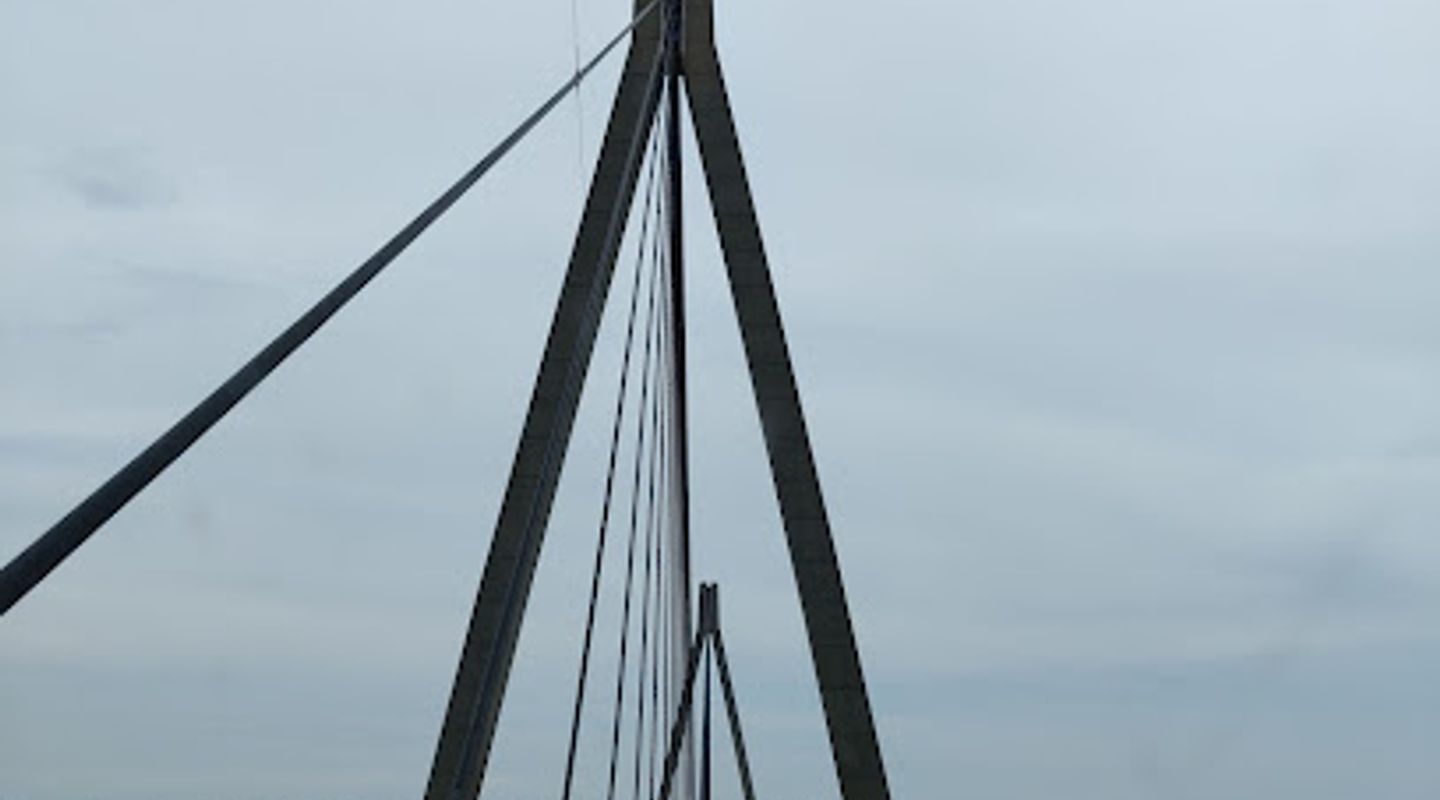
Falster is a gently rolling Baltic Sea island in southeastern Denmark, administered by Guldborgsund Municipality and linked by bridges and rail to Zealand and Lolland. Known for long sandy beaches at Marielyst, fertile farmland, coastal forests and small harbor towns such as Nykøbing Falster, Stubbekøbing and Gedser, it blends laid-back seaside holiday charm with rural landscapes and a scattering of quirky museums and historic churches. It is also home to Denmark’s southernmost tip at windswept Gedser Odde.
A brief summary to Falster
- Guldborgsund Municipality, DK
- Duration: 4 to 72 hours
- Free
-
 Outdoor
- Mobile reception: 4 out of 5

Know before you go
Hi, I'm Eve. Here are a few practical things to know before exploring Falster.
- Base yourself in Nykøbing Falster or Marielyst if you want a mix of coastal access, shops and dining, plus straightforward public transport connections.
- Rent a bicycle for at least a day: the island is predominantly flat and many of the most appealing beaches, viewpoints and villages sit along quiet secondary roads.
- Pack layers and windproof clothing even in summer; the open coastline at Gedser Odde and along Marielyst can feel cool and breezy despite warm air temperatures.
- Combine Falster with neighboring Lolland on a short trip to take in coastal villages, art museums and castles across both islands using the bridge and tunnel links.
- Check seasonal opening times for small museums and attractions, which may operate reduced hours outside the main summer holiday period.
Do you manage this location?
Take control to get all the benefits, like improved information, better appearance, and stronger visibility across AI-powered discovery. Learn more about listing your business on Evendo
Activate your presenceOther nearby places you may find interesting
The closest places of the same kind, if this one is not quite what you had in mind.
Explore Falster on the Map
A handpicked selection of must-see spots near Falster, mapped for you.
Getting There
-
Train and bus from Copenhagen
From central Copenhagen, take a regional train toward Nykøbing Falster; the journey typically takes about 1.5–2 hours with frequent departures throughout the day and standard adult tickets usually costing in the range of 180–260 DKK one way, depending on time and fare type. From Nykøbing Falster station, local buses serve coastal areas such as Marielyst and villages across the island in 20–40 minutes, though services run less frequently in the evening and on weekends, so checking schedules in advance is important.
-
Car via E47 from Zealand
Driving from the Zealand side, follow the E47 south across the Farø connections toward Falster; from the southern edge of Zealand to central Falster the trip generally takes 45–70 minutes depending on traffic and your exact destination. There are no tolls on the bridges here, but fuel and potential bridge fees elsewhere in your route mean budgeting for basic motoring costs; parking in towns like Nykøbing Falster and near many beaches is often free or low-cost but can be time-limited in summer.
-
Regional bus from nearby Zealand towns
From larger towns in southern Zealand such as Vordingborg or Næstved, regional buses connect to Nykøbing Falster or other points on the island in roughly 1–2 hours, offering a slower but often cheaper option than rail. Standard single fares on these routes are typically in the 60–120 DKK range depending on distance, with reduced evening and weekend frequency and limited capacity for bulky luggage such as bicycles.
For the on-the-go comforts that matter to you
-
 Restrooms
-
 Drink Options
-
 Drinking Water
-
 Food Options
-
 Seating Areas
-
 Sheltered Areas
-
 Picnic Areas
-
 Trash Bins
-
 Information Boards
-
 Visitor Center
Discover more about Falster
Soft island landscapes between sea and strait
Falster spreads out as a low, fertile island framed by the Baltic Sea, the quiet waters of Guldborgsund and the Småland Sea. Much of the interior is a patchwork of rich fields, hedgerows and small woods—this is some of Denmark’s most productive agricultural land, crisscrossed by narrow roads and cycling routes rather than dramatic peaks. Instead of mountains, the scenery is about big skies, wind in the trees and the sudden sight of water at the end of a lane.Along the coasts you find long, shallow beaches, reeds and low dunes, with stretches of protected coastline where birdlife thrives. To the south, the island reaches its most elemental at Gedser Odde, Denmark’s southernmost point, where flat land drops to a wave-carved cliff and the Baltic horizon feels surprisingly vast.Harbor towns and everyday island life
Nykøbing Falster is the island’s main town and an easy base for exploring. Its compact center mixes traditional Danish streets, a small marina atmosphere and cultural venues. Further around the coast, Stubbekøbing and Nørre Alslev retain the feel of modest market and harbor towns, with churches, old merchant houses and quiet residential districts reflecting Falster’s long, workaday history rather than grandiose showpieces.In between lie hamlets, farmsteads and roadside villages with whitewashed churches, local bakeries and the occasional farm shop. Life here moves at an unhurried pace, with tractors sharing the road with cyclists and holidaymakers heading towards the sea. Outside the school run and ferry times, roads are rarely busy, reinforcing the island’s relaxed character.Beaches, bathing and summer house culture
On the eastern shore, Marielyst is Falster’s classic seaside resort, backed by one of Denmark’s longest sandy beaches. In summer its belt of holiday homes, campsites and small eateries hums with families and friends walking barefoot to the water, flying kites or simply sitting on the dunes watching the Baltic’s shifting colors. The sea here is generally shallow and calm, inviting both timid paddlers and long-distance swimmers.North and south of Marielyst, the coast becomes quieter, dotted with more secluded stretches of sand, reed-fringed bays and simple jetties. Summer houses tucked among pines or in sheltered clearings reflect a long tradition of Copenhageners and locals escaping to the coast for slow days, outdoor meals and evening light lingering late over the water.History in miniature: castles, churches and curiosities
While Falster has no single dominant monument, it is rich in smaller historical sites. Medieval churches punctuate the landscape, some hiding frescoes and ship models that tell of centuries of farming, fishing and coastal trade. Close by on neighboring Lolland, Aalholm Castle and the Fuglsang Art Museum are easily combined with a Falster stay, underlining how closely the two islands are linked.Scattered around Falster are niche museums that reveal unexpected sides of Danish life: a tractor museum celebrating agricultural technology, a crocodile zoo tucked into the countryside, a small motorbike and radio collection in Stubbekøbing, and geological displays in Gedser that include a famously large polished garnet. Together they lend the island a slightly eccentric charm.Outdoor pursuits and Baltic light
Falster’s flat terrain and modest distances make it ideal for cycling, whether you follow waymarked routes along the Baltic coast or trace the Guldborgsund strait with views across to Lolland. Birdwatchers are drawn to wetlands and coastal meadows, while casual walkers can pick from forest loops, beach strolls or rambles along old dikes.The island’s maritime position means light and weather are constantly in play. Clear days bring wide blue skies and bright reflections off the sea; blustery conditions whip up waves and send clouds racing over fields. Even in colder months, the combination of low sun, bare trees and empty beaches gives Falster a spare beauty that rewards those willing to dress for the wind and wander a little beyond the main summer scenes.












Your all‑in‑one travel companion app
Explore expert travel guides, compare and book tours, experiences, hotels, and more—all from the palm of your hand. Download now for seamless trip planning wherever your wanderlust takes you.


Explore More of Lolland Falster
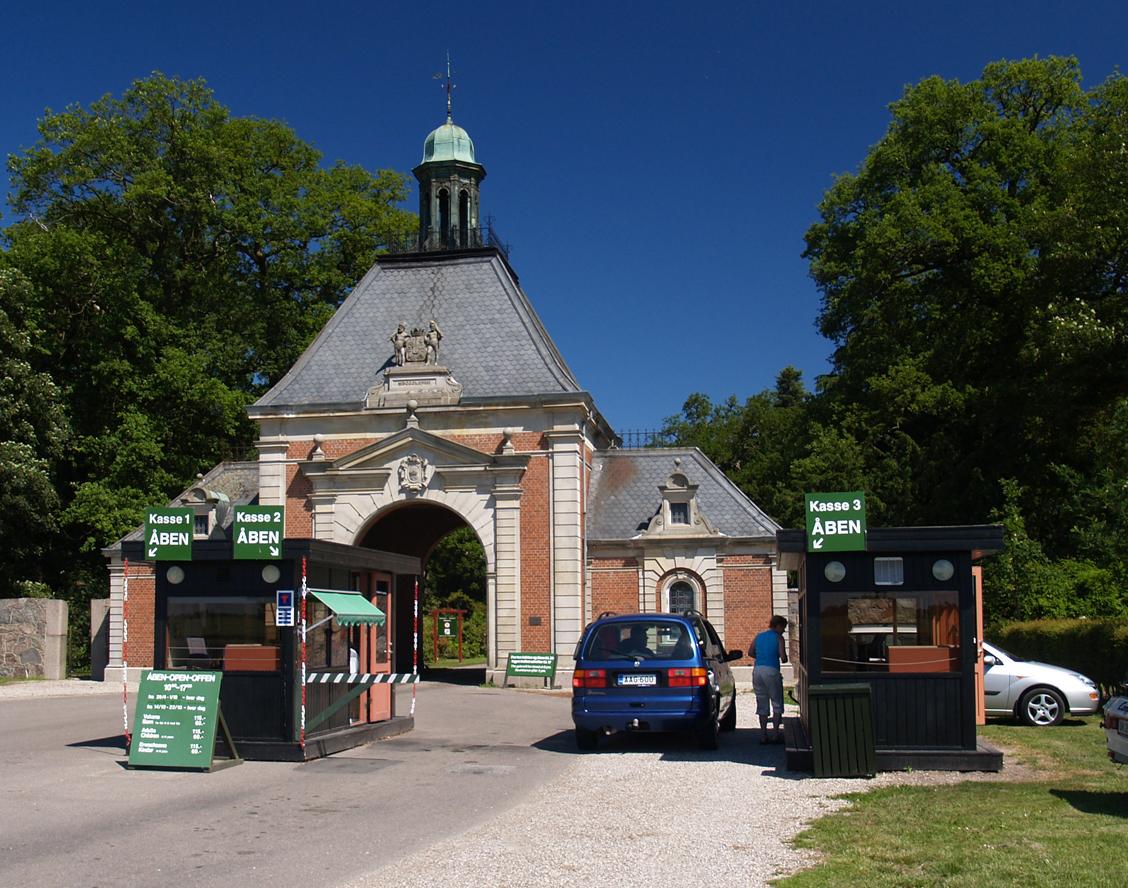
Looking beyond Falster? Discover Lolland Falster for broader travel guides, local hot-spots, and regional highlights.
Explore Lolland Falster
Leafy, old-school camping on the edge of Nykøbing Falster, with cabins, family facilities and easy access to town, coast, forest and nearby tropical water fun.
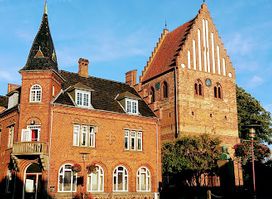
Soft beaches, quiet fields and a southern horizon: Falster is Denmark’s gentle island gateway between Copenhagen and the Baltic, where life moves at an easy coastal pace.
