

Danmarks Traktormuseum Travel Guide
Free Guide: A multi-storey journey through Danish agricultural history, showcasing beautifully preserved tractors and engines inside a pioneering early 20th‑century industrial building.


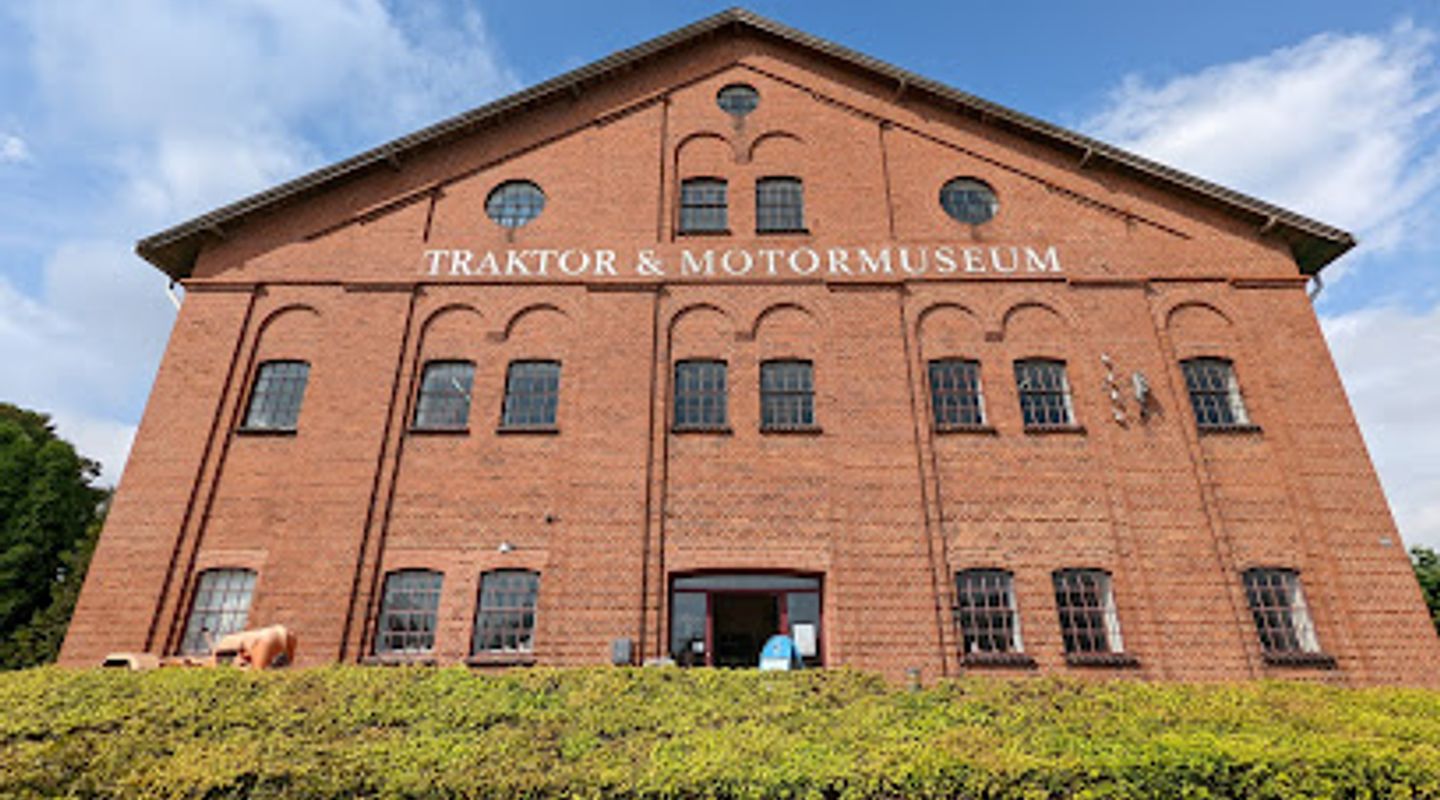
A brief summary of Danmarks Traktormuseum
A multi-storey journey through Danish agricultural history, showcasing beautifully preserved tractors and engines inside a pioneering early 20th‑century industrial building.
Housed in a striking former seed-cleaning plant in Eskilstrup on northern Falster, Danmarks Traktormuseum is a deep dive into Danish agricultural history. Rows of meticulously restored tractors from around 1915 to 1970 share space with engines, implements and a 1901 steam engine, many focused on Danish brands such as Bukh. Spread over several robust concrete floors, the collection shows how mechanisation transformed rural life and connects local stories to global shifts like Marshall Aid. It is compact enough for a short visit, yet detailed enough to reward serious machinery enthusiasts and curious families alike.
On-site amenities
 Restrooms
 Seating areas
 Trash bins
 Information boards
Opening hours
- Every day10 am–4 pm
Opening hours as listed on the venue’s Google Business Profile. Hours can change for services and special events, so check with the venue before you go.
- Address
- Nørregade 17B, 4863 Eskilstrup
- Phone
- Website
Getting there
Regional train and short walk from Nykøbing Falster
Car from Nykøbing Falster and southern Falster
Bus connection within Lolland‑Falster
Discover more about Danmarks Traktormuseum
A three-storey time capsule of Danish farming
Danmarks Traktormuseum occupies an imposing early 20th‑century industrial building in the small town of Eskilstrup on Falster. Step inside and you enter a vertical landscape of iron, oil and history, spread across multiple floors strong enough to carry lines of heavy agricultural machinery. The robust concrete structure creates an atmospheric setting where tractors stand almost like sculptures, arranged so you can trace the evolution of power on the Danish farm over half a century.The former seed-cleaning plant, built in 1918–1919, was the first building on Falster to use reinforced concrete in its basement. That pioneering engineering now serves a new purpose: carrying dozens of tractors and engines safely above your head. Exposed beams, tall windows and generous floor heights remind you that this was once a working industrial space, repurposed to tell the story of technology that reshaped the countryside.
Engines of change from 1915 to 1970
The core of the museum is a broad collection of tractors produced between about 1915 and 1970. You can walk from early, rugged machines with spoked wheels and basic cabs to more streamlined post‑war models that hint at modern comfort and efficiency. International brands such as Volvo, International Harvester, Ferguson and Bolinder‑Munktell appear alongside rarer models that never became common sights in Denmark, giving a sense of how global the tractor market quickly became.Many of the vehicles are restored and painted as if they had just left the factory, with company logos and colour schemes carefully preserved. Standing close, you can examine gear levers, pedals, control panels and engine blocks, noticing how designs grew more ergonomic and powerful over the decades. Even if you know little about mechanics, the sheer physicality of the machines—thick tyres, hefty axles and exposed pistons—makes it easy to imagine the noise and vibration they once produced in muddy fields.
The Bukh story and Danish innovation
A standout element is the almost complete collection of Danish‑built Bukh tractors, including prototypes and special editions rarely gathered under one roof. These solid, practical machines played a key part in mid‑century Danish agriculture, and here you can see subtle differences between models: changes in bonnet shape, engine layout, wheel configuration and cabin details.Alongside the tractors, the museum presents nine stationary Bukh engines from the 1920s and 1930s. These heavy units once powered everything from threshing machines to small industrial operations. Their presence highlights how internal combustion engines first entered rural life not only on wheels, but also as fixed power sources driving belts and pulleys. Together, the Bukh collection underlines the role of Danish engineering companies in adapting global technologies to local farming needs.
From Marshall Aid to steam power
Interpretive material explains how international politics influenced what rolled onto Danish fields after the Second World War. Part of the Marshall Aid programme involved importing tractors from the United States, accelerating mechanisation in Europe. Within the museum, American machines stand as tangible reminders of that moment when aid, economics and technology intertwined, speeding up the shift from horse‑drawn ploughs to petrol and diesel power.The chronological story reaches further back through a 1901 steam engine, an impressive survivor from the era when steam traction engines and stationary boilers performed the heavy work of threshing and hauling. Its riveted boiler, flywheel and pipework offer a striking contrast to the more compact, efficient internal‑combustion tractors nearby, underscoring how rapidly technology advanced in just a few generations.
An immersive visit for families and enthusiasts
Despite its specialised subject, the museum is approachable. Clear layouts make it easy to wander at your own pace, pausing to compare machines or decipher technical details. Families can turn the visit into a treasure hunt for colours, logos or wheel types, while enthusiasts may linger over chassis plates and engine specifications. The vertical arrangement across several floors encourages short breaks between sections, with opportunities to look back over galleries full of machines.Seasonal opening hours and special activity days add variety, and larger groups can arrange dedicated visits. Whether you come for nostalgic recollection, mechanical curiosity or a desire to understand how tractors changed everyday labour on Danish farms, Danmarks Traktormuseum offers a compact yet richly layered glimpse into the machinery that modernised rural Denmark.
Evendo Review Centre
 Google
Guest reviews
Best time to go
Quietest: Jan, Feb & Mar · before 8am or at 7pm
Busy times are Evendo estimates for a typical year, to help you plan. Actual crowds vary with events, school holidays and the weather.
Explore Danmarks Traktormuseum on the map
A handpicked selection of must-see spots near Danmarks Traktormuseum, mapped for you.
Get your free copy of our complete guide to Danmarks Traktormuseum, delivered straight to you.
Everything on this page, from opening hours and how to get there to Eve’s tips and the best time to go, in one PDF you can read offline, print or share.
Already have an account? Sign in
Your Danmarks Traktormuseum guide is ready.
We'll send it to · Not you? Sign out

Getting your guide ready…
We are putting together a fresh copy of the Danmarks Traktormuseum guide. This can take up to a minute.
This can take a few moments. If your browser asks, choose Allow so the download can start. You'll find the guide in your Downloads folder.
Nothing happened? Download it again
Sorry, the guide is taking longer than usual. Please try again in a minute, or get it by email instead.
Other nearby places you may find interesting
The closest places of the same kind, if this one is not quite what you had in mind.
-
Stevns Klint UNESCO World Heritage Stand on the edge of a white Danish cliff where a thin dark band in the rock marks the asteroid impact that ended the dinosaurs and reshaped life on Earth.
-
Roneklint Fyr Small historic lighthouse at the mouth of Præstø Fjord, with shallow child‑friendly beaches, rich snorkelling waters and tranquil coastal scenery.
-
Stevns Lighthouse Historic lighthouse on the edge of Stevns Klint, blending maritime heritage with wide Baltic Sea views and windswept chalk‑cliff scenery near Store Heddinge.
-
Gjorslev One of Denmark’s oldest inhabited medieval castles, Gjorslev combines Gothic stonework, moats and beech forest walks in a quietly atmospheric manor landscape.
-
Kalvehave Labyrintpark A 20,000 m² outdoor maze park of puzzles, illusions and giant games, turning a day in rural South Zealand into relaxed, brain-teasing fun for all ages.
Swipe for more places
More to explore near Danmarks Traktormuseum

 Best experiences near Danmarks Traktormuseum
 Best hotels near Danmarks Traktormuseum
 Best landmarks near Danmarks Traktormuseum
 Best attractions near Danmarks Traktormuseum
 Best shops near Danmarks Traktormuseum
 Best restaurants near Danmarks Traktormuseum
 Best bars near Danmarks Traktormuseum
Do you manage this location?
Take control to get all the benefits, like improved information, better appearance, and stronger visibility across AI-powered discovery.
Explore more
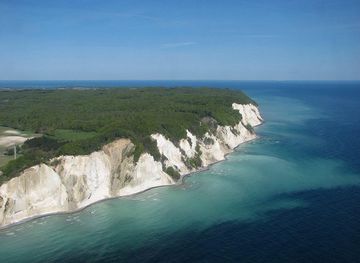
Explore more of South Zealand
Discover South Zealand, where dramatic cliffs, historic castles, and charming coastal towns create the perfect Danish escape.
Explore South Zealand
Explore more of Denmark
Discover Denmark: A perfect blend of history, modern design, and the cozy concept of hygge. Explore vibrant cities, serene landscapes, and world-class cuisine.
Explore Denmark
