

Polakkasernen Travel Guide
Free Guide: A former farm barracks on Lolland transformed into a moving museum about Polish beet workers, migration and everyday life in Denmark’s sugar fields.


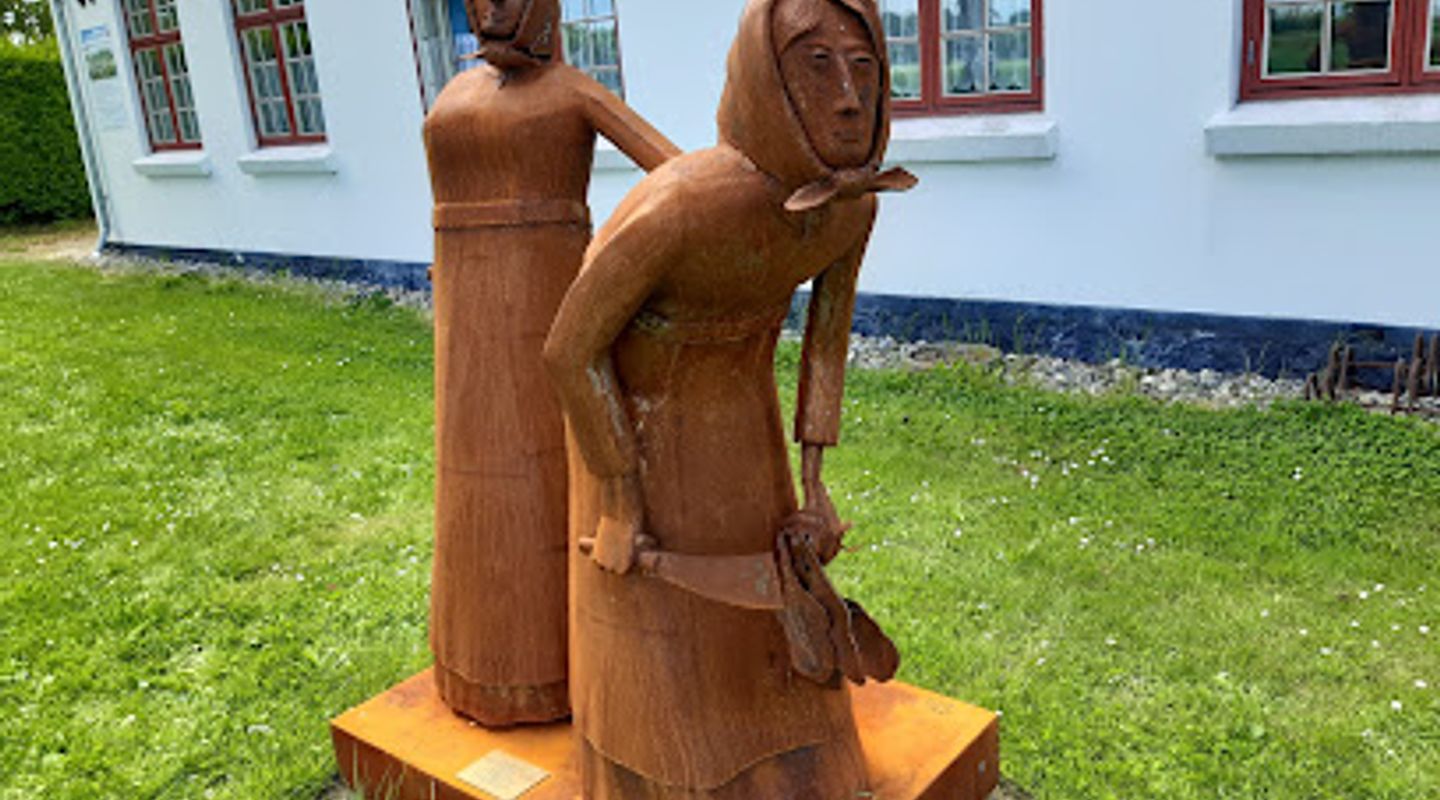
A brief summary of Polakkasernen
A former farm barracks on Lolland transformed into a moving museum about Polish beet workers, migration and everyday life in Denmark’s sugar fields.
Polakkasernen, set in former farm barracks near Rødby on Lolland, is a small but powerful museum dedicated to the story of Polish seasonal workers who came to Denmark to hoe sugar beet fields from the late 19th century onward. Exhibitions recreate dormitories, kitchens and everyday life, weaving objects, photos and personal stories into an intimate portrait of migration, hard work and cultural exchange. It is an evocative stop for anyone interested in social history, labor movements or the roots of modern Europe.
On-site amenities
 Restrooms
 Seating areas
 Trash bins
 Information boards
Opening hours
- MonClosed
- Tue2 pm–4 pm
- Wed2 pm–4 pm
- Thu2 pm–4 pm
- Fri2 pm–4 pm
- Sat2 pm–4 pm
- Sun2 pm–4 pm
Opening hours as listed on the venue’s Google Business Profile. Hours can change for services and special events, so check with the venue before you go.
- Address
- Højbygårdvej 34, 4970 Rødby
- Phone
- Website
Getting there
Car from Rødby town
Car from Rødbyhavn ferry terminal
Bicycle from Rødby area
Taxi from Rødby or Rødbyhavn
Discover more about Polakkasernen
From Farm Barracks to Social History Museum
Polakkasernen sits in the flat farmland southeast of Rødby, in buildings that once housed seasonal laborers working the surrounding sugar beet fields. The long, low structures were built as accommodation barracks, with shared dormitories and simple facilities, and their architecture still reflects that practical purpose. Rather than smoothing over this past, the museum leans into it, using the original rooms as an authentic backdrop for exhibits on migration and work.Today, the whitewashed walls, modest windows and farmyard setting give the place a quiet, rural feel. Stepping through the entrance, you move directly into spaces where people once slept, cooked and prepared for long days in the fields. The scale is intimate, but the stories that unfolded here connect Lolland to wider European currents of industrialization and agriculture.
The Story of the “Roe Girls”
At the heart of the museum is the history of young Polish women who travelled to Denmark to work as seasonal laborers from the late 1800s into the 20th century. Often called “roearbejdere” or beet girls, they were hired to weed and tend sugar beet crops, a backbreaking job vital to the region’s growing sugar industry. Exhibition panels trace recruitment in rural Poland, the long journey north and the structured contracts that tied workers to local estates.Photographs, letters and work tools highlight how these women navigated strict work routines, language barriers and sometimes harsh conditions. Yet the displays also reveal community and resilience: friendships formed in the dorms, songs and dances carried from home, and small rituals that helped them hold onto their identity while far from their villages.
Daily Life Recreated in the Dormitories
One of the museum’s most atmospheric elements is the reconstruction of sleeping quarters and communal rooms. Simple iron beds stand close together, covered with plain textiles and well-worn suitcases. Shared tables are laid with enamel bowls and basic cutlery, hinting at quick meals between shifts in the fields. These staged interiors are supported by audio, photos and objects that sketch out a daily rhythm shaped by early starts, physical labor and limited free time.In adjoining spaces, you find kitchen equipment, work clothing and religious items that reveal how faith and tradition travelled alongside the workers. The modest scale of each room makes it easy to imagine conversations after a long day, or letters home being written by lamplight. Rather than overwhelming you with numbers, the museum focuses on the texture of everyday life.
Migration, Identity and Cultural Exchange
Beyond personal stories, Polakkasernen explores how migrant labor changed Lolland and, over time, Denmark itself. Seasonal workers returned year after year, some forming relationships with local farmers or settling more permanently. Exhibits touch on how Polish customs, language and religious practices left subtle traces in the region, while Danish laws and attitudes toward foreign labor gradually evolved.Maps and historical overviews link this local story to broader European patterns: the rise of sugar as a cash crop, shifting borders in Eastern Europe and the ongoing movement of workers seeking income abroad. This contextual layer turns what appears at first to be a very local museum into a lens on themes that still resonate in contemporary debates about migration and integration.
Visiting a Quiet Corner of Lolland’s Past
A visit to Polakkasernen is typically unhurried. With compact exhibits and a clear narrative, you can comfortably explore the museum in an hour or two, pausing to read bilingual texts or study old photographs. The rural surroundings, with open fields and big skies, reinforce the sense of physical labor that defined life here, especially on a breezy day when the wind sweeps across the landscape.Benches and simple seating areas invite you to linger, reflect and discuss what you have seen. Combined with other cultural stops on Lolland, the museum rounds out an itinerary that moves beyond castles and beaches to focus on the people whose work underpinned the region’s prosperity. It is a thoughtful, low-key experience that rewards curious travelers interested in the human side of history.
Learning Opportunities for All Ages
Polakkasernen also functions as an educational space, well suited to families, school groups and individual visitors. Clear displays, photographs and tangible objects help younger visitors grasp how different life once was, while older guests can dive deeper into timelines and documents. Occasional thematic activities, such as talks or small events, further explore sugar beet cultivation, migration and women’s history.Whether you browse quietly or engage in discussion, the museum encourages you to connect past and present. Walking back out into the farmyard, it is hard not to look differently at the surrounding fields, knowing how many journeys, hopes and hardships are bound up in this seemingly simple rural landscape.
Evendo Review Centre
 Google
Guest reviews
Best time to go
Quietest: Jan, Feb & Mar · before 10am or at 7pm
Busy times are Evendo estimates for a typical year, to help you plan. Actual crowds vary with events, school holidays and the weather.
Explore Polakkasernen on the map
A handpicked selection of must-see spots near Polakkasernen, mapped for you.
Get your free copy of our complete guide to Polakkasernen, delivered straight to you.
Everything on this page, from opening hours and how to get there to Eve’s tips and the best time to go, in one PDF you can read offline, print or share.
Already have an account? Sign in
Your Polakkasernen guide is ready.
We'll send it to · Not you? Sign out

Getting your guide ready…
We are putting together a fresh copy of the Polakkasernen guide. This can take up to a minute.
This can take a few moments. If your browser asks, choose Allow so the download can start. You'll find the guide in your Downloads folder.
Nothing happened? Download it again
Sorry, the guide is taking longer than usual. Please try again in a minute, or get it by email instead.
Other nearby places you may find interesting
The closest places of the same kind, if this one is not quite what you had in mind.
-
-
-
-
-


Swipe for more places
More to explore near Polakkasernen

 Best experiences near Polakkasernen
 Best hotels near Polakkasernen
 Best landmarks near Polakkasernen
 Best attractions near Polakkasernen
 Best shops near Polakkasernen
 Best restaurants near Polakkasernen
 Best bars near Polakkasernen
Do you manage this location?
Take control to get all the benefits, like improved information, better appearance, and stronger visibility across AI-powered discovery.
Explore more
Explore more of Lolland
Discover Lolland, Denmark's tranquil island retreat, offering lush landscapes, historic sites, and delightful local cuisine for an unforgettable escape.
Explore Lolland
Explore more of Denmark
Discover Denmark: A perfect blend of history, modern design, and the cozy concept of hygge. Explore vibrant cities, serene landscapes, and world-class cuisine.
Explore Denmark
