

Lungholm Travel Guide
Free Guide: Historic Lolland manor estate where neoclassical architecture, working farmland and emerging coastal nature reserves meet in a quietly atmospheric countryside setting.


A brief summary of Lungholm
Historic Lolland manor estate where neoclassical architecture, working farmland and emerging coastal nature reserves meet in a quietly atmospheric countryside setting.
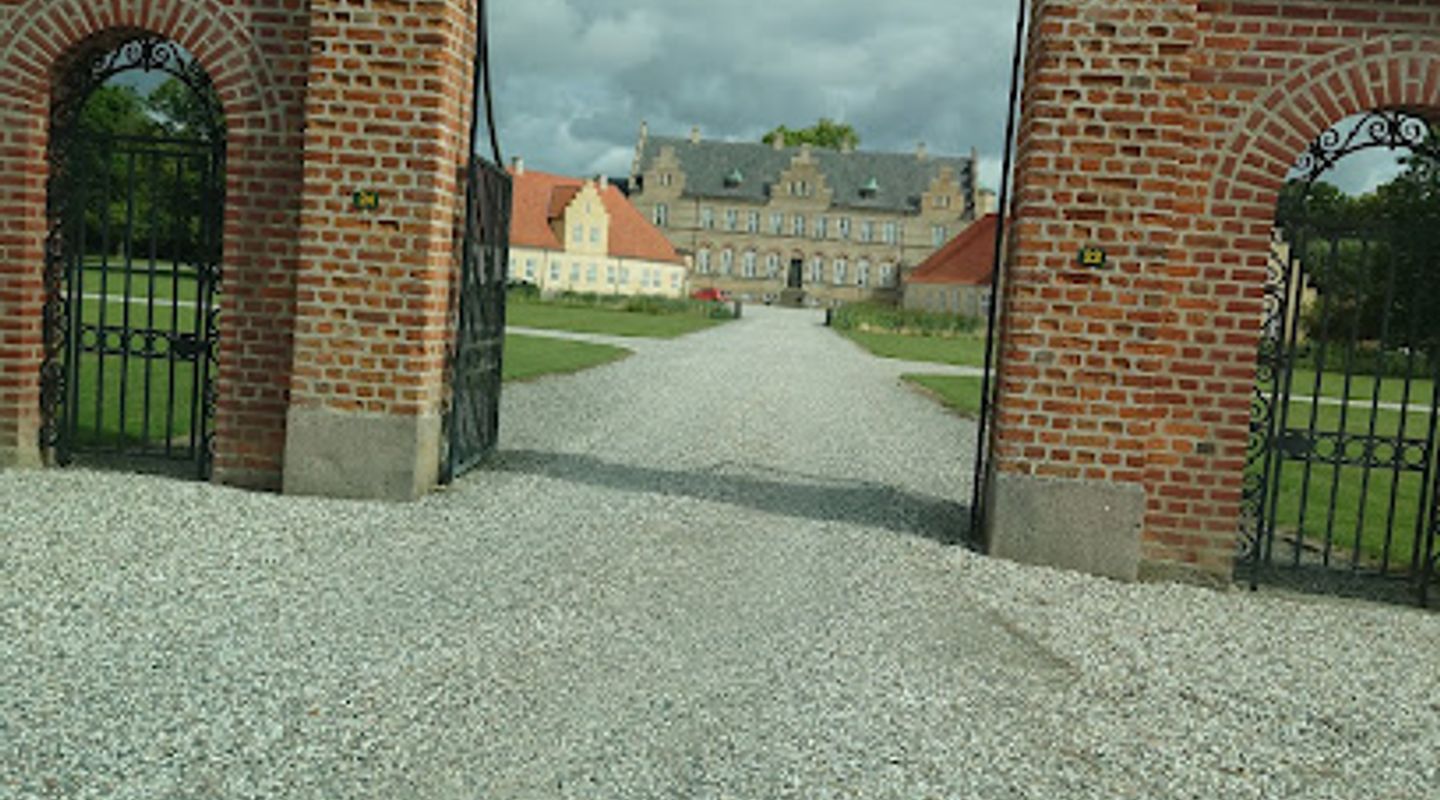
Set in the flat, fertile landscapes of Lolland near Rødby, Lungholm is a historic manor house and working estate centred on a graceful neoclassical main building flanked by older wings. Dating back to at least the 15th century and reshaped in 1756 and 1856, the protected complex now hosts events, holidays and atmospheric stays, with surrounding fields, woods and dykes opening towards the Baltic-influenced coastline and nearby nature reserves.
On-site amenities
 Restrooms
 Drink options
 Drinking water
 Food options
 Seating areas
 Sheltered areas
 Picnic areas
 Trash bins
 Information boards
 Visitor centre
- Address
- Rødbyvej 24, 4970 Rødby
- Phone
- Website
Getting there
Car from Rødby town and ferry terminal
Taxi from Rødby or Rødbyhavn
Bicycle from Rødby area
Regional bus plus short taxi connection
Discover more about Lungholm
A Manor House on the Edge of the Baltic Landscape
Lungholm sits just south of Rødby on the island of Lolland, where low horizons, wide skies and fertile fields stretch almost uninterrupted to the sea. Approaching the estate, you pass through a patchwork of farmland and drainage canals that hints at centuries of land reclamation and agricultural wealth. The manor’s pale brick facades and red roofs rise gently from this level terrain, more refined than grandiose, with an understated elegance that suits the surrounding countryside.The estate has long been a self-contained world: manor house, farm buildings, tree-lined avenues and shelterbelts, all woven together by tracks and hedgerows. Today, parts of the property are still farmed, while other areas are being transformed in step with new conservation projects nearby, linking Lungholm to the larger story of Lolland’s changing rural landscape.
Centuries of Ownership and Architectural Change
Lungholm is documented as a manor from at least the 1400s, passing through prominent Danish noble families before coming into the hands of the Lehn family in the late 18th century. Over time, the house has been altered and expanded in response to fashion, fortune and function. The current three-winged main complex was completed in the mid‑18th century and reworked in 1856 into the neoclassical composition visible today, with a central, two-storey main wing and lower side wings dating back to the 16th or early 17th century.The building’s status as a listed, protected property reflects both its architectural value and its role in the history of Lolland’s landed estates. Subtle later alterations in the early 20th century refined the interiors and rooflines without sacrificing the balanced, symmetrical expression that defines the courtyard.
Neoclassical Facades and Manor-Courtyard Atmosphere
Standing in the main courtyard, you are surrounded on three sides by harmonious facades of brick, regularly spaced windows and simple classical detailing. The central wing’s slightly taller volume and more formal entrance signal its role as the representative heart of the estate. To either side, the lower, older wings create a sense of enclosure that is both ceremonial and intimate, channelling views towards the landscape beyond the buildings.Behind the house, the composition softens into lawns, smaller garden spaces and clusters of mature trees. While Lungholm does not present itself as a showpiece baroque garden, there is a clear dialogue between house and grounds: sightlines that frame fields and windbreaks, paths that lead towards the wider estate, and occasional glimpses of agricultural buildings that confirm this is still a working rural property.
From Faded Grandeur to Restored Retreat
For a period in the late 20th century, parts of Lungholm’s building complex slid into disrepair, a fate shared by many Danish manor houses as agricultural structures and lifestyles changed. A comprehensive restoration has since stabilised the historic fabric and returned the main volumes to a coherent, well-kept state, preserving original materials where possible and recreating lost details where necessary.This renewal has allowed Lungholm to evolve into a combined experience venue and holiday destination. Today, the manor and its outbuildings host celebrations, gatherings and overnight stays, while several holiday homes are dotted around the property in particularly scenic spots. Thick walls, creaking floors and high ceilings are paired with modern comforts, letting guests inhabit historic rooms without sacrificing contemporary expectations.
Estate Life, Nature and Nearby Conservation Projects
Beyond the immediate house and courtyard, Lungholm is framed by the wider estate lands that once covered more than a thousand hectares. While much of the farmland is now managed by external farmers, the mosaic of fields, drainage ditches and small woodland pockets remains intact. In recent years, portions of the land have been sold to support an expansion of a neighbouring nature reserve, strengthening wildlife corridors and creating new opportunities for birdlife to thrive along the southern coast of Lolland.For visitors, this means that a stay or event at Lungholm can easily be combined with walks or drives to nearby coastal wetlands and dykes, where migratory birds and shifting light provide a striking contrast to the controlled geometry of the manor. Lungholm thus stands at a literal and symbolic meeting point between cultivated estate landscapes and emerging conservation areas.
Experiencing Lungholm Today
Visiting Lungholm is less about ticking off individual attractions and more about inhabiting a particular atmosphere. The long approach, the crunch of gravel in the courtyard, the play of weather over open fields and the quiet after dusk all contribute to a sense of rural seclusion. Indoors, you may encounter high-panelled rooms, antique details and generous window bays that frame the surrounding countryside like paintings.Whether you come for a special celebration, a manor-style holiday or simply to appreciate the building from the outside while exploring Lolland, Lungholm offers a layered experience: part architectural history, part living estate, part gateway to the island’s evolving natural landscapes.
Evendo Review Centre
 Google
Guest reviews
Best time to go
Quietest: Jan, Feb & Mar · before 7am or from 11pm
Busy times are Evendo estimates for a typical year, to help you plan. Actual crowds vary with events, school holidays and the weather.
Explore Lungholm on the map
A handpicked selection of must-see spots near Lungholm, mapped for you.
Get your free copy of our complete guide to Lungholm, delivered straight to you.
Everything on this page, from opening hours and how to get there to Eve’s tips and the best time to go, in one PDF you can read offline, print or share.
Already have an account? Sign in
Your Lungholm guide is ready.
We'll send it to · Not you? Sign out

Getting your guide ready…
We are putting together a fresh copy of the Lungholm guide. This can take up to a minute.
This can take a few moments. If your browser asks, choose Allow so the download can start. You'll find the guide in your Downloads folder.
Nothing happened? Download it again
Sorry, the guide is taking longer than usual. Please try again in a minute, or get it by email instead.
Other nearby places you may find interesting
The closest places of the same kind, if this one is not quite what you had in mind.
-
-
-
-
-


Swipe for more places
More to explore near Lungholm

 Best experiences near Lungholm
 Best hotels near Lungholm
 Best landmarks near Lungholm
 Best attractions near Lungholm
 Best shops near Lungholm
 Best restaurants near Lungholm
 Best bars near Lungholm
Do you manage this location?
Take control to get all the benefits, like improved information, better appearance, and stronger visibility across AI-powered discovery.
Explore more
Explore more of Lolland
Discover Lolland, Denmark's tranquil island retreat, offering lush landscapes, historic sites, and delightful local cuisine for an unforgettable escape.
Explore Lolland
Explore more of Denmark
Discover Denmark: A perfect blend of history, modern design, and the cozy concept of hygge. Explore vibrant cities, serene landscapes, and world-class cuisine.
Explore Denmark
