
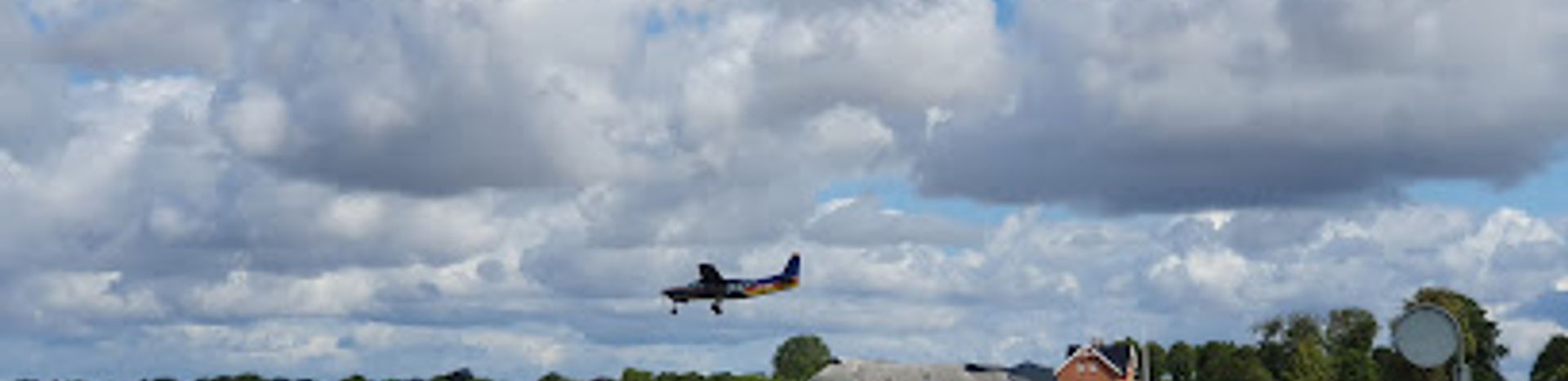
Lolland Falster Airport (Maribo Airport)
A friendly general aviation airfield in the fields of Lolland, where local clubs, small aircraft and big skies create a quietly captivating gateway to southern Denmark.
Lolland Falster Airport, also known as Maribo Airport, is a small regional airfield set in open countryside between Holeby and Rødby on the island of Lolland in southern Denmark. Serving general aviation rather than big commercial jets, it functions as a friendly gateway for pilots, gliding and parachute clubs, sightseeing flights and events, while also providing a practical link to the wider region near Rødbyhavn and the Fehmarn Belt corridor.
A brief summary to Lolland-Falster Airport
- Højbygårdvej 20B, Rødby, 4970, DK
- +4554606113
- Visit website
- Duration: 0.5 to 2 hours
- Free
-
 Outdoor
- Mobile reception: 4 out of 5
Local tips
- Bring binoculars or a zoom lens if you enjoy aviation photography; the compact layout offers clear views of the runway, apron and hangars from a few well‑chosen vantage points.
- Check in advance if local gliding or parachute clubs have activities or open events on the day you plan to visit, as these can significantly enliven the atmosphere.
- Pack layers and a windproof jacket, as the flat coastal landscape can feel breezy and cool even on otherwise mild or sunny days.
- If you are not flying, combine a short airport visit with time in nearby Maribo or Rødbyhavn to make a fuller day out on Lolland.
- Call or consult official information ahead of time if you need specific facilities such as hangar space, fuel services or special assistance as a pilot.

For the on-the-go comforts that matter to you
- Restrooms
- Seating Areas
- Trash Bins
- Information Boards
Getting There
-
Car from Rødbyhavn and southern Lolland
From Rødbyhavn and the ferry area, driving to Lolland Falster Airport typically takes about 10–15 minutes, depending on traffic and conditions. The route uses regional roads through open countryside and is straightforward to follow with in‑car navigation. Parking is usually available directly at the airport without separate fees, but spaces can feel busier during club events or airfield activities, so allow a little extra time on peak days.
-
Car from Maribo and central Lolland
Reaching the airport from Maribo by car generally takes 15–20 minutes. The drive runs through largely flat rural areas with good‑quality roads and clear signage toward Rødby and the surrounding villages. There are no tolls on this stretch, and fuel stations are found in Maribo and near the main routes rather than next to the airport itself, so it is sensible to fill up in town before setting off.
-
Taxi within the local region
Taxis operating around Maribo and Rødby can provide direct transfers to the airport. Travel time is roughly 10–20 minutes depending on your starting point, and typical fares within this range are often around 150–350 DKK, varying with distance, time of day and any waiting charges. Pre‑booking is advisable, particularly early in the morning or later in the evening, as on‑demand availability may be limited in rural areas.
-
Cycling from nearby towns
For confident cyclists, the fairly flat terrain of Lolland makes a bike ride to the airport enjoyable in suitable weather. From nearby villages or the outskirts of Rødby, expect a ride of around 20–40 minutes, depending on your exact starting point and pace. Surfaces are mostly paved, but some sections may be exposed to wind and occasional passing agricultural traffic, so high‑visibility clothing and lights are recommended outside bright daytime conditions.
Lolland-Falster Airport location weather suitability
-
 Clear Skies
-
 Mild Temperatures
-
 Windy Conditions
-
 Any Weather
Discover more about Lolland-Falster Airport
A quiet gateway in the fields of Lolland
Lolland Falster Airport sits amid flat farmland and big skies between Holeby and Rødby, a modest strip of asphalt in a landscape of windbreak trees and open fields. As a regional airfield rather than a major hub, it feels more like a well‑kept aeroclub than an anonymous transport node. You see single‑engine aircraft parked on the apron, hangars lined up along the taxiways and the low terminal buildings arranged around a compact airside area. Because the airport is small, everything feels close and manageable. From the edge of the runway you can take in the surrounding countryside, with church spires and wind turbines punctuating the horizon. On clear days, the light over Lolland has a soft, northern quality that makes the aircraft and ground markings stand out almost theatrically against the grass.From local airfield to regional lifeline
Also known as Maribo Airport and carrying the IATA code MRW and ICAO code EKMB, this airfield has developed as a civil airport serving the twin islands of Lolland and Falster. Positioned south of the town of Maribo and not far from Rødbyhavn, it plugs the region into domestic and northern European aviation networks, even though scheduled traffic is limited. Over time, the airport has become an important logistical and symbolic link in a part of Denmark better known for ferries and highways than runways. Its location near the Fehmarn Belt corridor means it can support business flights, technical operations and special missions, from survey flights to training sessions. Yet despite this strategic layer, the atmosphere on the ground remains relaxed and personal.Clubs, community and skybound hobbies
One of the distinctive features of Lolland Falster Airport is the cluster of aviation clubs that call it home. Gliding enthusiasts tow sleek sailplanes into the air to circle quietly on thermals above the fields, while motor‑sport flyers and microlight pilots share the pattern with training aircraft. Parachute and skydiving activities bring a different kind of energy, with jump planes climbing steadily before releasing colourful canopies high above the runway. On weekends, the apron can feel like a small festival of aviation, with clubhouses open, coffee brewing and members chatting beside their aircraft. The airport also hosts events and open days where local residents, families and aviation fans come to watch take‑offs and landings, learn about flying and sometimes book short sightseeing flights over the islands and the Baltic coast.Architecture, layout and on‑the‑ground experience
Architecturally, Lolland Falster Airport is functional rather than flamboyant. Low‑rise terminal and operations buildings cluster near the main apron, with hangars extending along the airfield. The design reflects practical concerns: easy vehicle access to airside areas, straightforward taxi routes, unobstructed runway approaches and clear safety zones around active surfaces. For visitors, the experience is refreshingly simple. There are no long corridors or confusing signage; instead you find a small parking area, direct access to the main building, basic passenger facilities and immediate views of the runway and aircraft movements. This intimacy makes it an appealing spot for aviation photography, quiet plane‑spotting or simply taking a break during a wider exploration of Lolland and Falster.Why it matters to travelers and pilots
For pilots, MRW offers a convenient general aviation base in a part of Denmark where airports are sparse between Roskilde and the German border. The surrounding flat terrain and generally mild coastal climate create forgiving flying conditions, and the airport staff and clubs form a knowledgeable local network for visiting crews. For non‑pilots, the airport is less a passenger hub and more a window into local life and hobbies. It can form a memorable stop on a road trip across Lolland, pairing easily with visits to Maribo’s lakes, Rødbyhavn’s port area or the beaches along the southern coast. Even a short visit can give you a feel for the region’s blend of rural calm, technical expertise and quiet ambition to stay connected to the wider world above the Baltic Sea.Iconic landmarks you can’t miss

FEMERN BÆLT Fehmarnbelt HOLZPLATFORM
7.7 km
Lang, skulpturel udsigtsrampe i stål og træ med fri panoramaudsigt til Femern Bælt-tunnelen og Lollands åbne kystlandskab – gratis og åben året rundt.
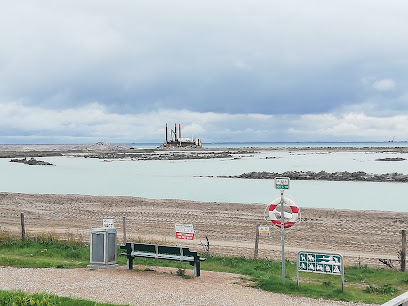
Holiday Lolland - Old farm
16.1 km
Experience the charm of rural Denmark at Holiday Lolland - Old Farm, a serene bed and breakfast near Nysted offering cozy accommodations, local cuisine, and a gateway to Lolland's beauty.
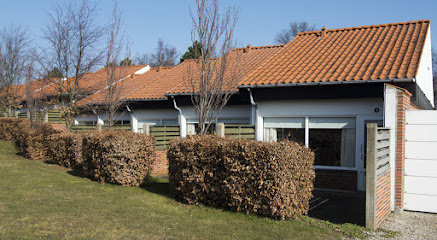
Ravnsby Bakker
22.7 km
Rolling hills and ancient monuments where glacial history meets contemporary art on Denmark's flattest island.
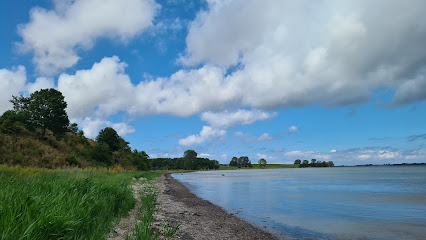
Fuglsang Herregaard - Hotel + Events + Conference
22.8 km
Experience Danish history and culture at Fuglsang Herregaard, a beautifully restored manor offering tranquil stays, gourmet dining, and access to art and nature in Lolland-Falster.
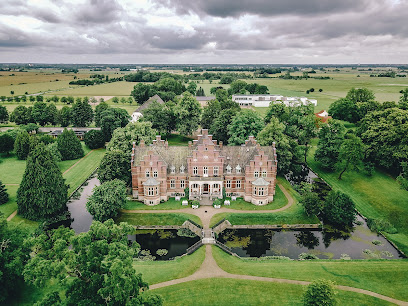
Touristinformation
28.1 km
Explore the charm and rich culture of Nykøbing Falster, a delightful coastal town perfect for your next Danish adventure.
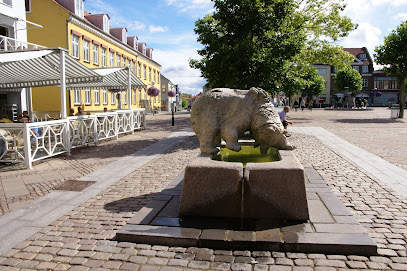
Bjørnebrønden
28.2 km
Granite bear, flowing water and royal history converge in this compact fountain that anchors Nykøbing Falster’s main square and its stories.
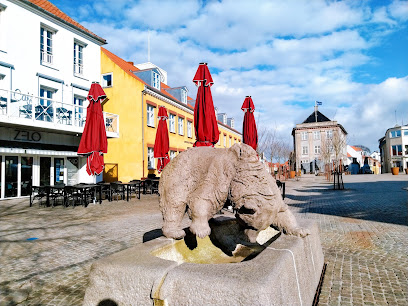
Vandtårnet I Nykøbing F
28.2 km
Historic concrete water tower turned art space and viewpoint, offering 147 steps to sweeping panoramas over Nykøbing Falster, Guldborgsund and the flat fields of Falster.
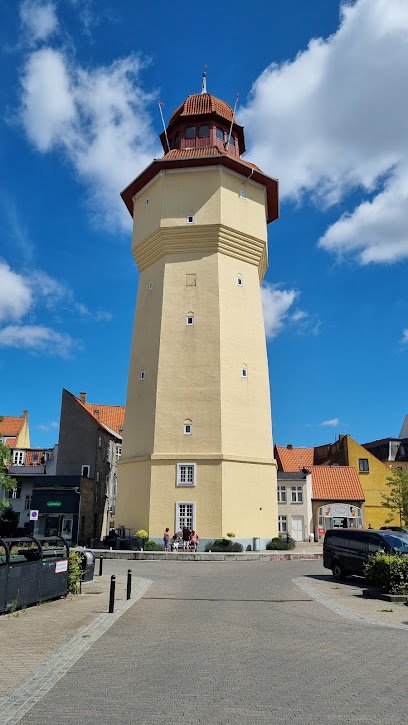
Falster Provsti
28.2 km
Explore the tranquil beauty and historical significance of Falster Provsti, a stunning church in Nykøbing Falster, Denmark.
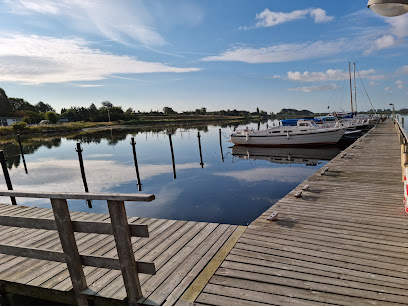
Lergravens Sailing and Fishing Club
28.3 km
Explore the serene Lergravens Sailing and Fishing Club in Nykøbing Falster, where adventure meets tranquility on Denmark's scenic coast.
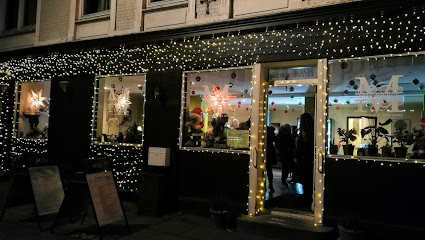
Mindbjergs
28.3 km
Explore a fusion of Danish and Asian flavors at Mindbjergs, a culinary gem in Nykøbing Falster offering unique dishes in a warm atmosphere.
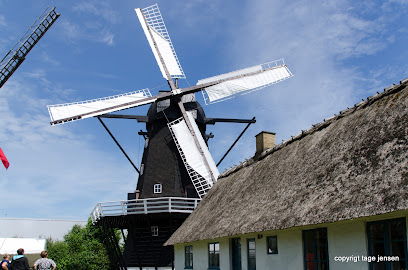
Ejegod Windmill
28.4 km
Explore Ejegod Windmill, a charming museum in Nykøbing Falster that showcases Denmark's rich milling history amid beautiful landscapes.
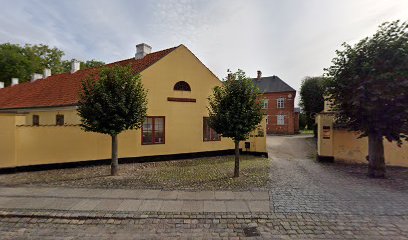
Diocese of Lolland–Falster
28.7 km
Experience the serene beauty and rich history of the Diocese of Lolland–Falster in Nykøbing Falster, a captivating church and cultural landmark.
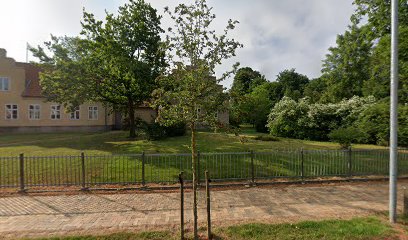
Hotel Falster
29.3 km
Experience Danish hospitality at Hotel Falster in Nykøbing Falster, offering comfortable accommodations, on-site dining, and easy access to local attractions and the South Sea Islands.
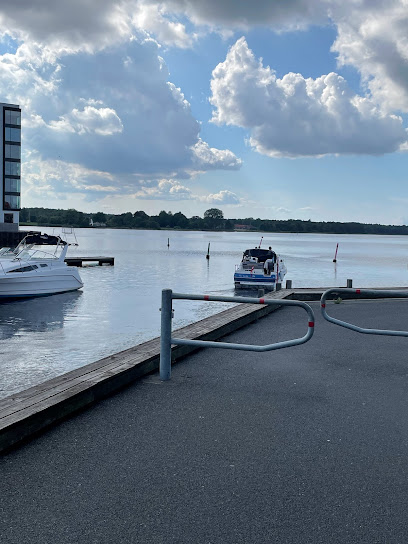
Peter Hansens Have
29.4 km
Discover a botanical paradise at Peter Hansen's Garden near Nakskov, Lolland, showcasing Northern Europe's diverse private plant collections inspired by classic English garden design.
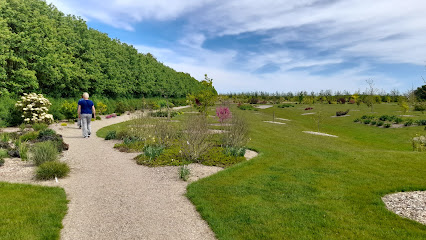
Guldborgsund Zoo & Botanisk Have
29.6 km
Discover the enchanting world of wildlife and gardens at Guldborgsund Zoo & Botanisk Have, a perfect family-friendly destination in Nykøbing Falster.
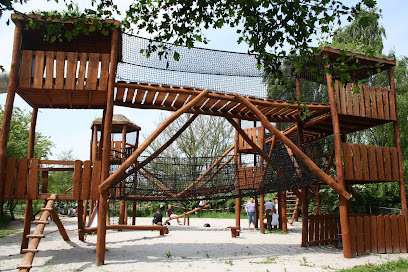
Unmissable attractions to see

Polakkasernen
2.3 km
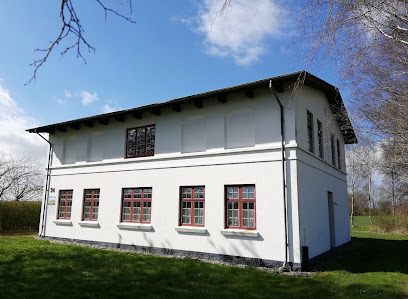
Europe's only museum honoring the Polish beet workers who shaped Lolland's agricultural legacy
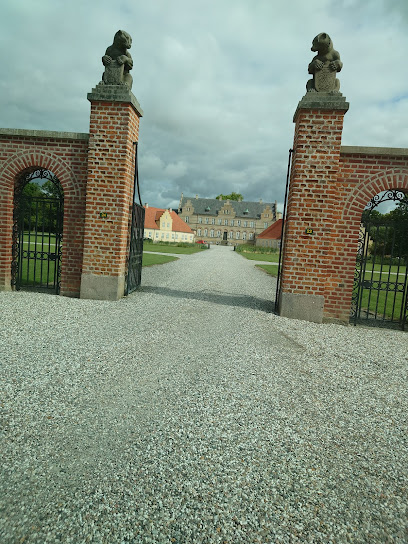
Lungholm
3.0 km
Historic Lolland manor estate where neoclassical architecture, working farmland and emerging coastal nature reserves meet in a quietly atmospheric countryside setting.
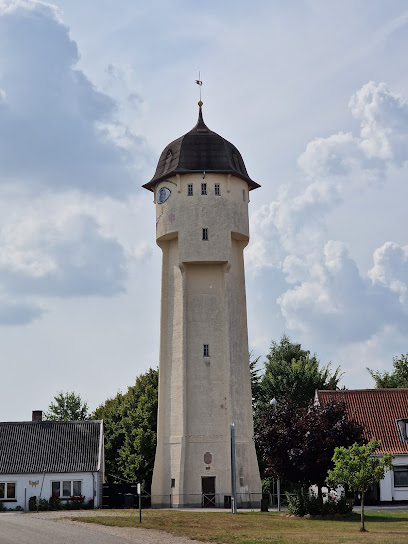
Lolland
3.5 km
Denmark's rural island sanctuary where safari wildlife, medieval history, and contemporary art converge amid coastal beauty.
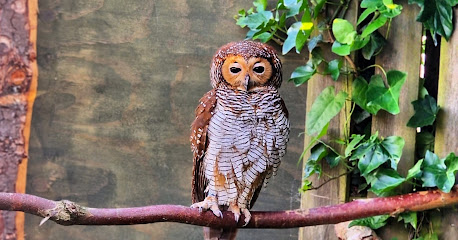
Scandinavian owl center
4.0 km
A quiet, owl-focused wildlife center on Lolland, where close encounters and clear storytelling reveal the hidden lives of Scandinavia’s nocturnal hunters.
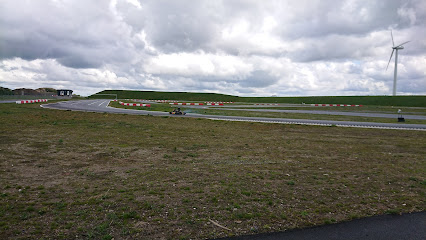
Rødby Karting Ring
6.4 km
Denmark's FIA-approved international go-kart circuit where competitive racing meets recreational thrills on a technically demanding 1,246-meter track.
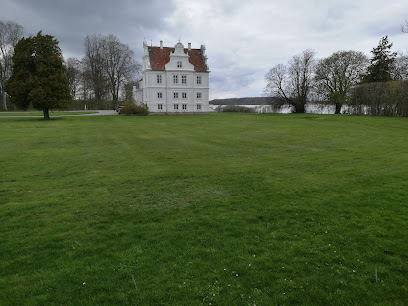
Søholt Barokhave
7.8 km
Step into a restored Baroque world of hedged alleys, fountains and orchards beside Søholt Manor on the tranquil shores of the Maribo Lakes near Maribo.
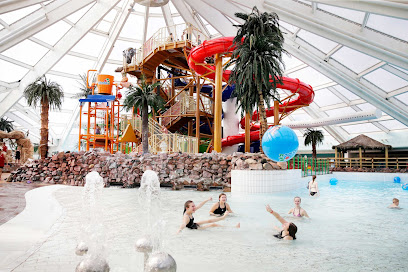
Lalandia Aquadome Rødby
8.1 km
Tropical waterpark with year-round 28°C pools, wave slides, and wellness in Danish Lolland.
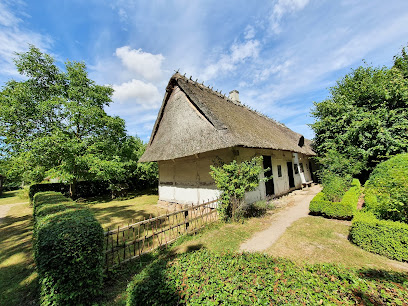
Frilandsmuseet - De gamle Huse
8.6 km
Step 200 years back in time among thatched farmsteads and Denmark’s oldest post mill, set beside the tranquil lakes and birdlife of Maribo Lakes Nature Park.
Relic of the Castle Revshale
8.8 km
Subtle earthworks on a tiny lake island where a once-mighty royal fortress fell in 1256, now softened by reeds, birdsong and the quiet waters of Maribo’s nature park.
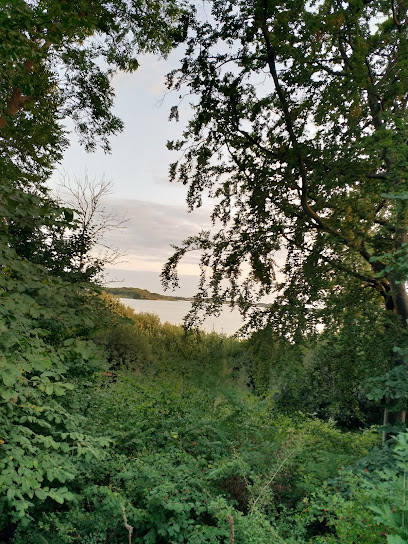
Naturpark Maribosøerne
8.9 km
Island-dotted lakes, soaring sea eagles and gently rolling manor landscapes meet in this protected nature park on Lolland, inviting slow exploration by trail and water.
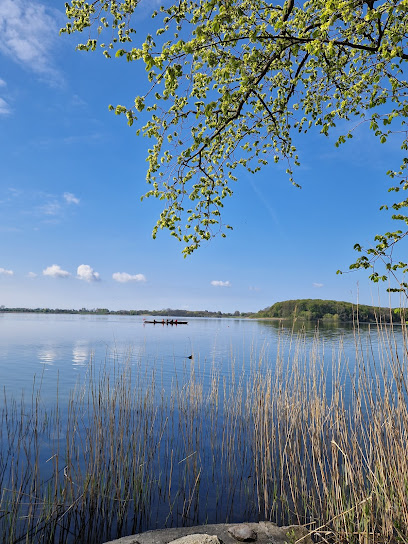
Skelsnæs-pavillionen
9.0 km
Experience Denmark's largest grey seal colony with Nysted Sealsafari's guided boat tours near Rødsand.
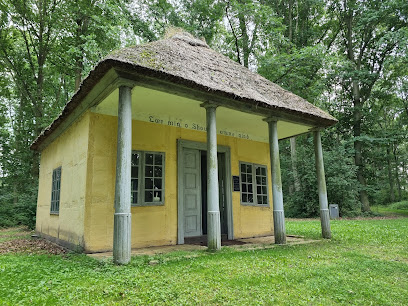
Maribo Cathedral
9.0 km
Lakeside Gothic cathedral in Maribo, born as a Bridgettine monastery church and now a serene window onto Danish medieval faith, royal drama and monastic heritage.
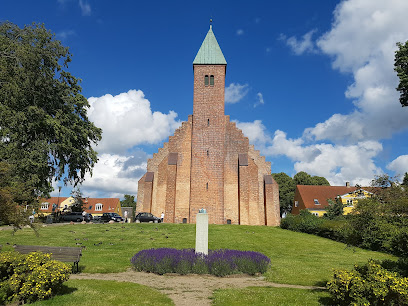
Stiftsmuseum Maribo
9.5 km
A compact island museum where a Stone Age girl, medieval church art and rune stones tell 10,000 years of Lolland-Falster stories under one historic roof.
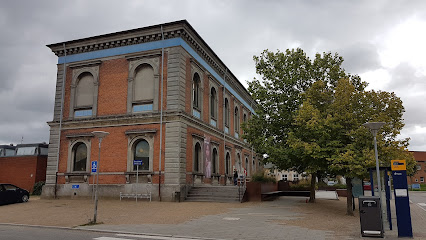
Hyllekrog Fyr
12.0 km
A retired lighthouse on a remote spit of southern Lolland, where maritime history, wild coastal nature and vast Baltic horizons meet in wind and silence.

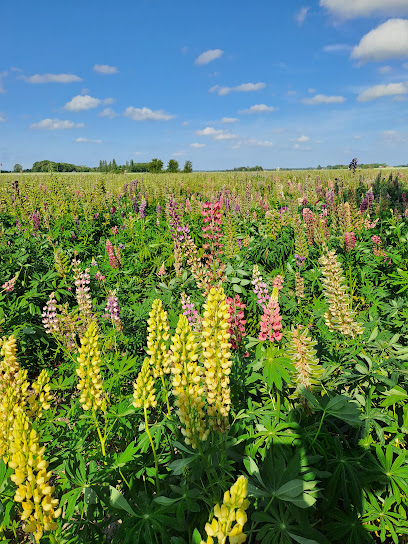
Lupinmark
12.7 km
A simple Lolland farm field turned into a shimmering sea of lupins, where color, scent and wide-open skies create a brief but unforgettable countryside pause.
Essential places to dine

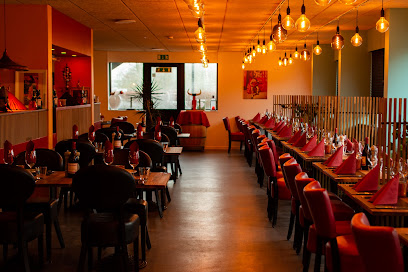
La Sevillana by Marni
7.0 km
Cozy Spanish-style tapas and hearty plates beside the Rødbyhavn ferry, blending Andalusian warmth with Danish harbour atmosphere on Lolland’s south coast.
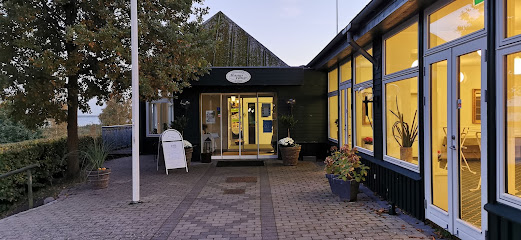
Restaurant Bangs Have
8.8 km
Historic 1911 lake pavilion on Maribo Søerne, serving classic Danish cuisine and seasonal menus with sweeping views of the water and surrounding woodland.
Restaurant B
9.1 km
Intimate French-inspired bistro in central Maribo, serving hearty European classics, generous portions and relaxed, candlelit dinners on Vesterbrogade.
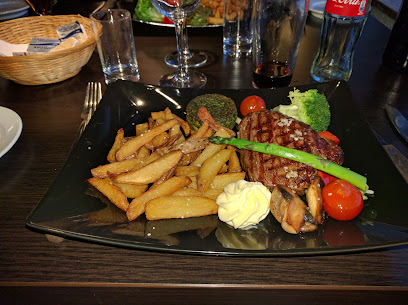
Restaurant China House
9.3 km
Casual Chinese and sushi buffet in central Maribo, offering inexpensive, all‑you‑can‑eat comfort food in a relaxed, family‑friendly setting close to the town’s main sights.
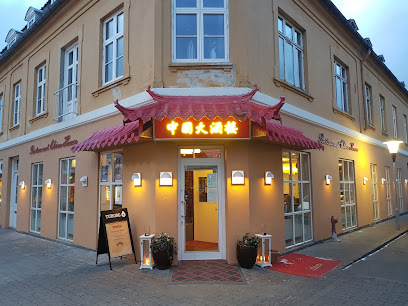
Café Vin og Brød
9.3 km
Neighbourhood bakery, relaxed café and intimate wine cellar in one, Café Vin og Brød is Maribo’s cosy all‑day living room on the town square.
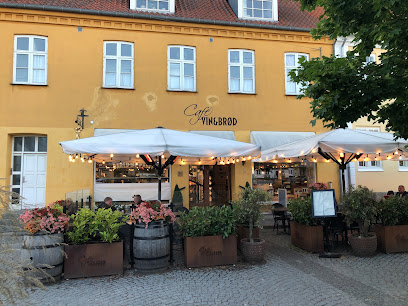
Cafe Victoria
9.3 km
Maribo's friendly gathering place for quality café fare and warm hospitality in a spacious, welcoming setting.
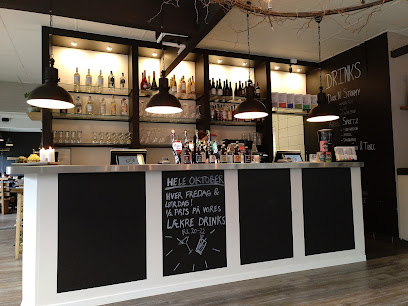
Pin Sushi
9.4 km
Compact Japanese restaurant in central Maribo serving approachable sushi, warm wok dishes and takeaway platters in a casual, budget‑friendly setting.

Godstedlund Bed & Breakfast
11.0 km
Adults-only countryside manor on Lolland combining boutique interiors, serene gardens and quiet Danish village charm in an intimate bed & breakfast setting.
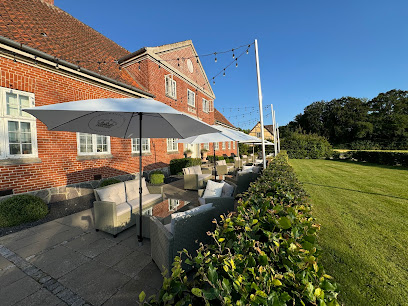
Landsbyen Våbensted
13.4 km
Homely village restaurant on rural Lolland, serving hearty Danish fare and offering a relaxed pause between Sakskøbing and the open fields.
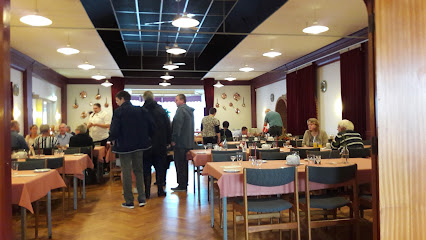
Restaurant Strandgården
14.2 km
Casual seaside dining on Lolland’s south coast, where classic Danish dishes, local fish and an ice-cream café meet Baltic views, dike walks and mini-golf fun.
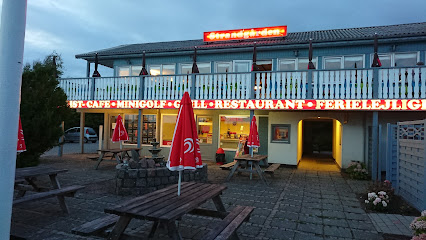
Den gamle Digegaard
14.7 km
Thatched charm and Baltic views on Lolland's quiet southern coast
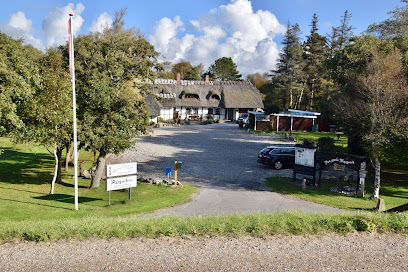
Brasseriet Søllestedgaard
17.3 km
Farm-to-table dining where biodynamic gardens meet craft brewery in rural Denmark.
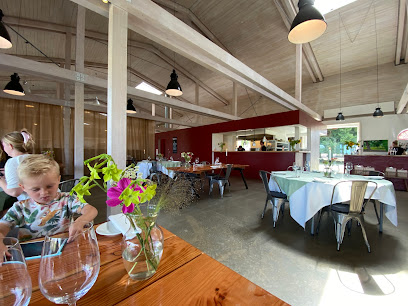
Oreby Kro
17.3 km
Classic Danish country inn-restaurant on Sakskøbing Fjord, serving seasonal local dishes in cozy historic rooms and on a fjord-facing terrace at Orebygaard.
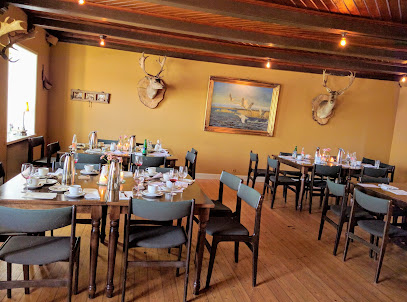
Thorlins spisested
18.0 km
Cosy farm-to-table dining and a well-stocked gårdbutik on rural Lolland, where local meats, charcuterie and preserves showcase the flavours of the surrounding fields.
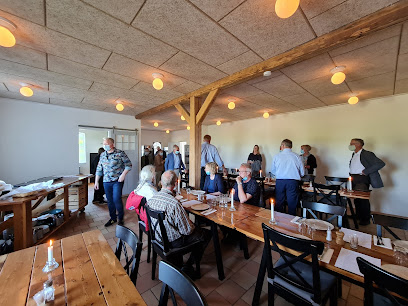
Det Gamle Pakhus
18.5 km
Historic granary warehouse serving refined seasonal seafood in intimate waterfront elegance.
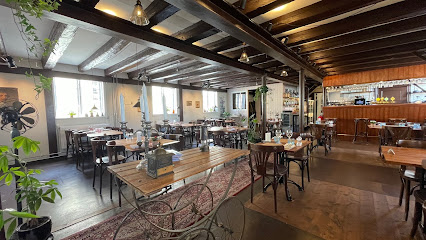
Markets, malls and hidden boutiques

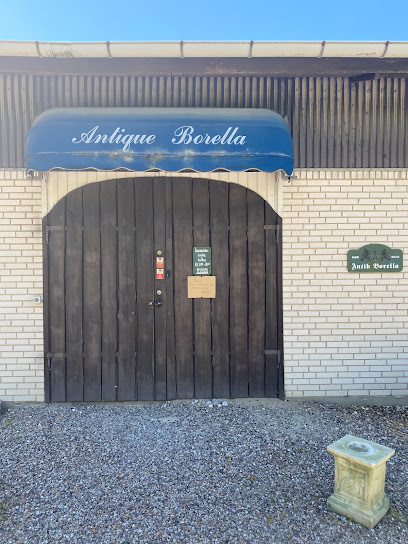
Antik Borella
1.6 km
Rural Lolland’s 275 m² farmhouse antique gallery, blending Scandinavian design, chandeliers and porcelain with three decades of expert curation at Krusegaard.
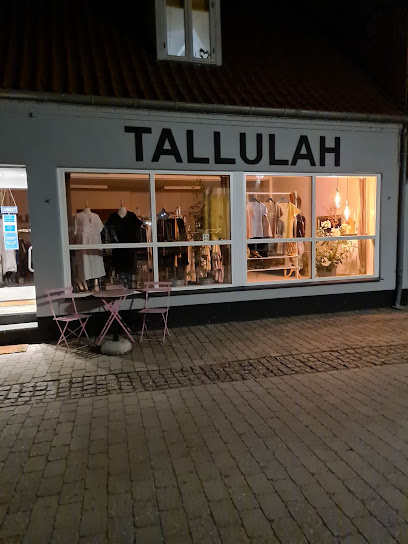
Tallulah
3.5 km
A small, stylish women’s boutique on Rødby’s main street, pairing Scandinavian-inspired fashion with relaxed, personal service on the island of Lolland.
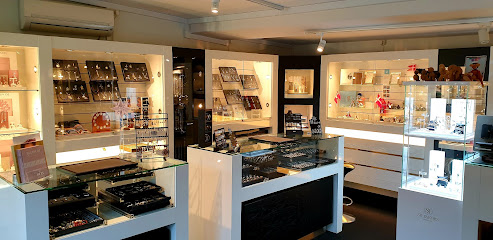
Guldsmed Kelø
9.2 km
A traditional Maribo goldsmith where Danish craftsmanship, timeless design and everyday town life meet in an intimate jewellery boutique on Vestergade.
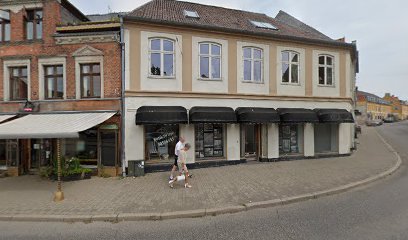
Modehjørnet
9.2 km
A small-town Maribo clothing boutique offering everyday Scandinavian style, personal service, and a relaxed shopping pause in the heart of Vestergade.
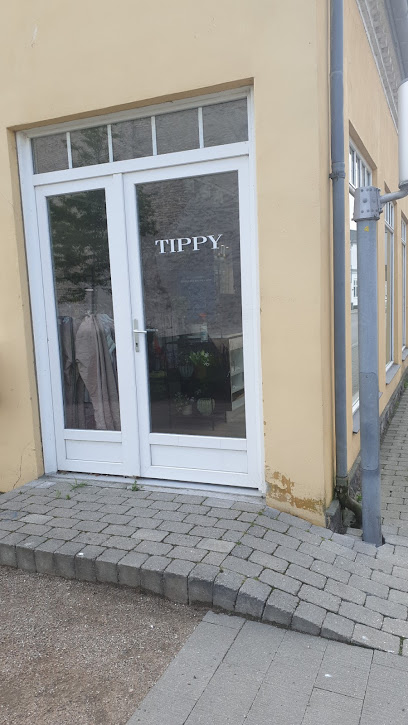
TIPPY
9.2 km
Cozy women’s fashion boutique on Maribo’s main street, offering Scandinavian everyday style and a calm indoor pause amid the town’s historic centre.
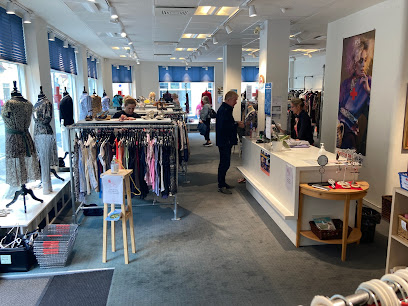
Red Cross Op Shop
9.2 km
Community-driven Red Cross thrift shop in central Maribo, where sustainable bargains, friendly volunteers and humanitarian purpose meet on a cosy Danish high street.
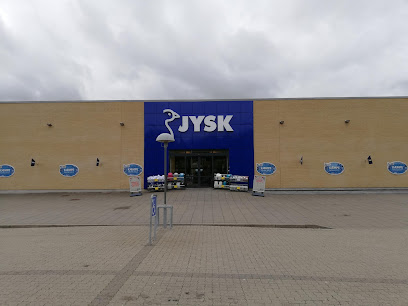
JYSK
9.3 km
Scandinavian home furnishings and interior design in a bright, welcoming retail environment.
Mothers' Aid Op Shop
9.3 km
Affordable secondhand children's essentials supporting Maribo's family community.
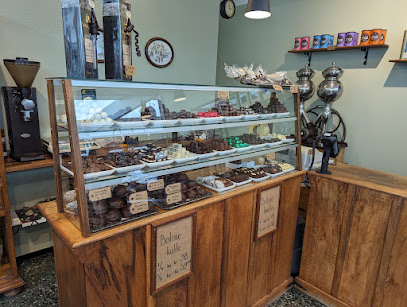
Boline Chokolade
9.3 km
Cosy, owner-run chocolatier in Maribo’s Lollands Centret, specialising in handcrafted pralines, flødeboller and gift-ready chocolate assortments with a Danish twist.
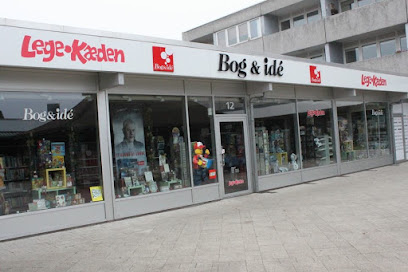
Bog & idé og Legekæden
9.3 km
Denmark's premier bookstore chain blending literature, games, and lifestyle products in a welcoming retail environment.
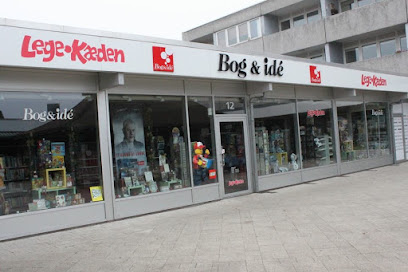
Legekæden
9.3 km
A compact, colorful toy store in Maribo’s Lollandscentret, offering classic games, creative play and convenient gift shopping for families on Lolland.
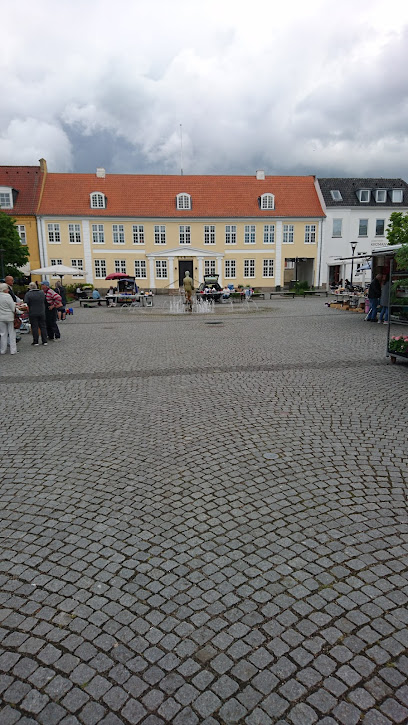
Lollands Centret
9.3 km
Maribo's modern shopping destination with diverse retailers, dining, and services in the heart of the cathedral town.
Kop & Kande
9.3 km
Well-stocked Danish homeware and gift shop in Lollands Centret, ideal for kitchen essentials, tableware and presents in the heart of small-town Maribo.
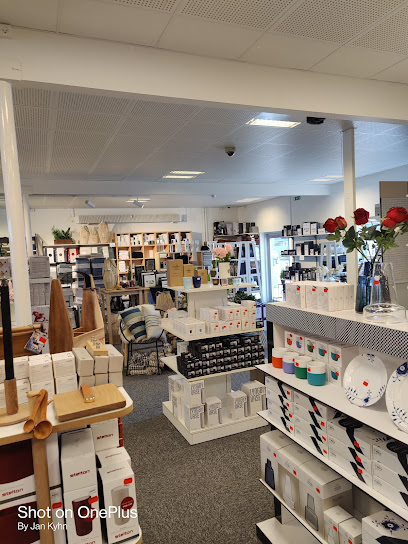
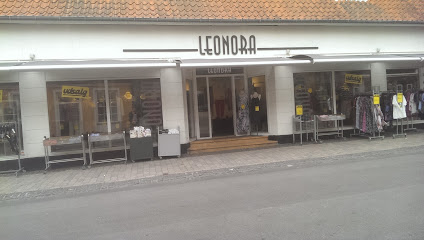
Leonora
9.4 km
A small, relaxed fashion boutique in central Maribo, offering Scandinavian-inspired everyday clothing and accessories in a calm, personal setting.
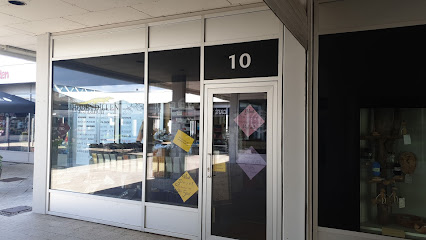
Hobbydillen
9.4 km
Small, independent hobby shop in Maribo’s Lollands Centret, specializing in paper craft and cardmaking supplies for everyday creativity and personal handmade projects.
Essential bars & hidden hideouts

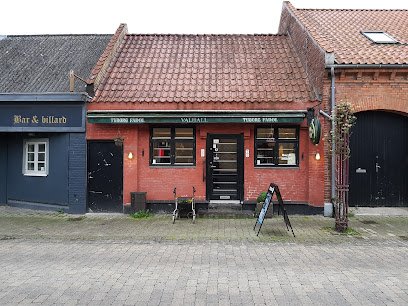
Valhall
3.5 km
Casual neighbourhood bar in central Rødby, serving cold beers and simple drinks from late morning to evening in a friendly, small-town Lolland atmosphere.
Bodega Slap A
7.2 km
Casual waterfront bar in Rødby's harbor district—a relaxed social hub for drinks and dining.
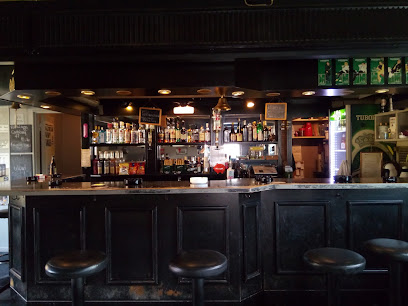
Bodega Overfarten
7.4 km
Harborfront Danish bodega in Rødby, where locals, ferry workers and travelers share cold beers and warm conversation steps from the working port.
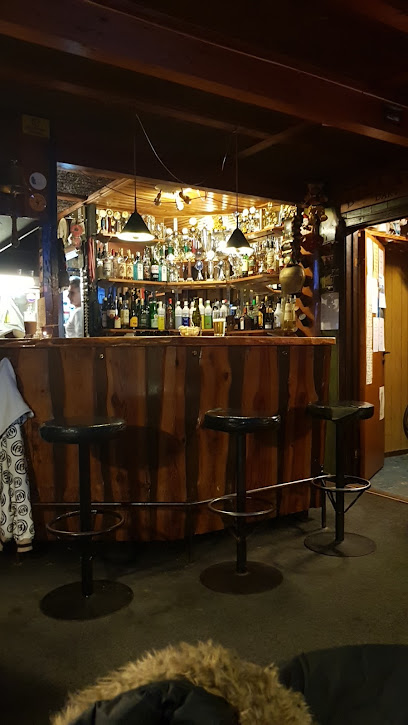
Munk Stuen
9.3 km
Unpretentious neighborhood bar in central Maribo, serving classic drinks and local atmosphere just a short stroll from the town’s cathedral and lakeside paths.
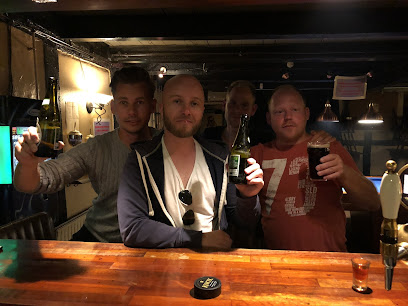
City Rock
9.4 km
Maribo's lively brasserie and arcade bar where locals gather for craft drinks, pub classics, and vintage gaming.
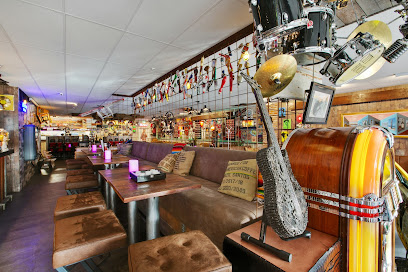
Pillen Maribo
9.4 km
Casual Danish pub in historic Maribo—authentic local atmosphere, extended weekend hours, perfect for evening socializing.
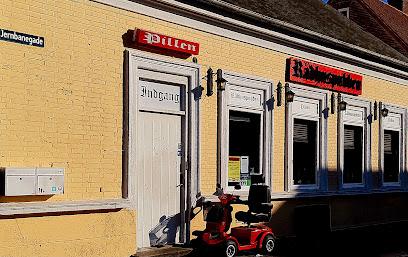
Maribo Mc
14.7 km
Relaxed local bar on the edge of Sakskøbing, serving easygoing drinks and simple bites in a cosy, living-room-style setting on Lolland.
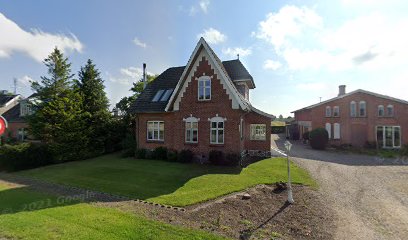
Goose-pub
16.6 km
Casual wine bar in the heart of Sakskøbing's main street, open daily until midnight.
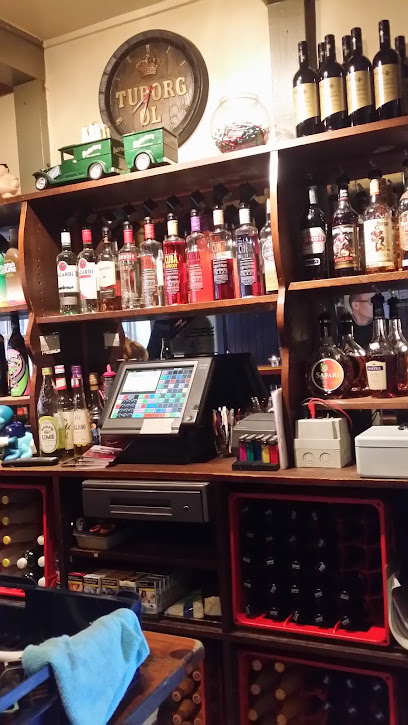
Defectors MC Lolland Falster
20.0 km
Rural biker clubhouse on Lolland-Falster where motorcycles, camaraderie and a simple bar meet far from the usual city nightlife.
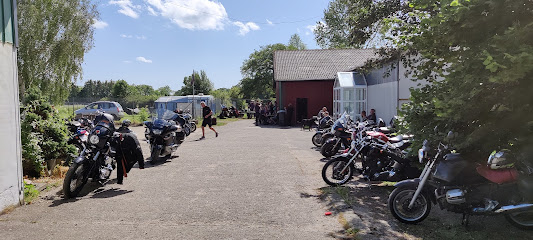
Bodega Guldhornet
24.5 km
Classic Danish bodega in central Nakskov, where cold beer, sports on screen and a well-used billiard table create an easygoing local hangout.
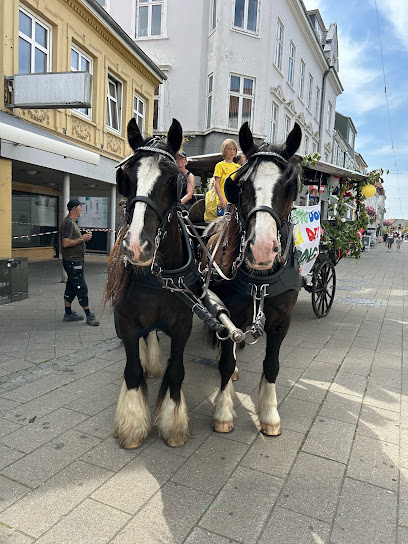
Café Cosmo
24.6 km
Live music, karaoke, and Danish hygge on Nakskov's vibrant Østre Boulevard.
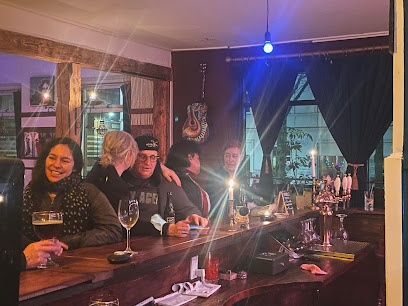
Anne's Bodega
24.7 km
Down-to-earth neighborhood bodega in central Nakskov, serving cold beers, local camaraderie and classic Danish pub atmosphere late into the evening.
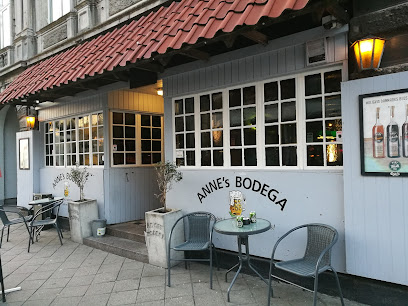
Sports Baren
24.8 km
Lively local sports bar on Nakskov’s Axeltorv, pouring cold beer, showing big matches and serving simple bar bites late into the weekend night.
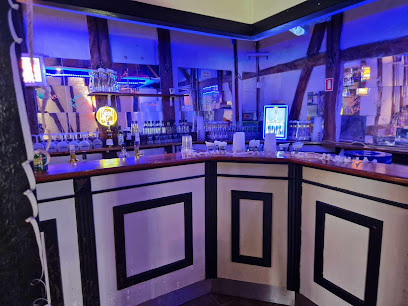
Kaspers landsted
24.9 km
A cosy 19th‑century villa turned intimate rock and party venue, where Sakskøbing’s locals gather for house‑party vibes, live music and laid‑back nights.
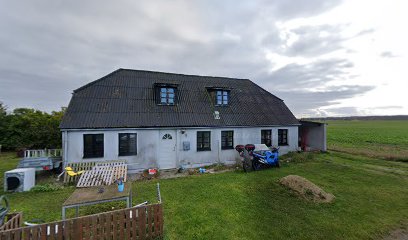
Vinoteque Marittima
27.9 km
Floating wine and coffee bar on Nykøbing Falster’s harbor, blending intimate maritime charm with carefully chosen drinks, small plates and sunset-ready deck seating.
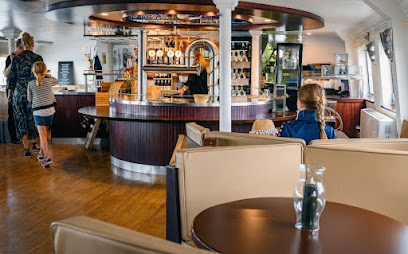
Nightclubs & after hour spots

CLUB ZANZI
25.2 km
High‑energy waterfront nightclub bringing big‑city beats, flashing lights and late‑night dancing to the heart of coastal Nakskov.
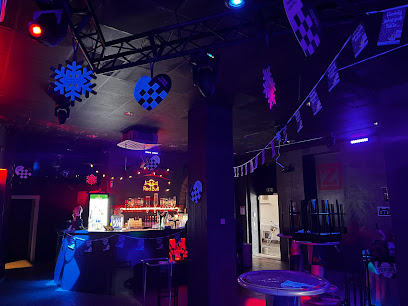
Første sted
28.1 km
Compact, music-driven nightclub on central Slotsgade, offering an intimate, local slice of Nykøbing Falster’s late-night dancing and drinks scene.
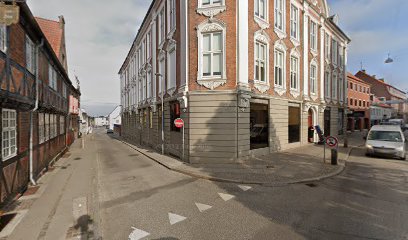
N.Y.K. Event
28.6 km
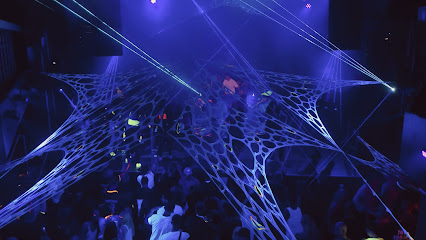
Compact late-night bar and nightclub in central Nykøbing Falster, mixing strong drinks, loud beats and a sociable dance floor that runs into the early morning.
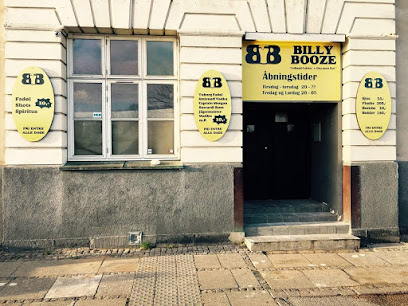
Billy Booze
28.6 km
Compact late-night disco in Nykøbing Falster with inexpensive drinks, loud hits and a casual dance floor vibe from Thursday to Saturday.
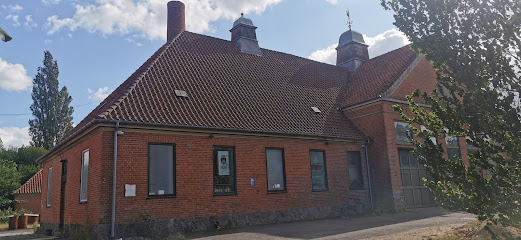
Loke MC - Helheim
31.7 km
Rural Danish biker clubhouse with Norse-mythology flair, offering intimate late-night gatherings, loud rock playlists and a no-frills bar far from mainstream nightlife.
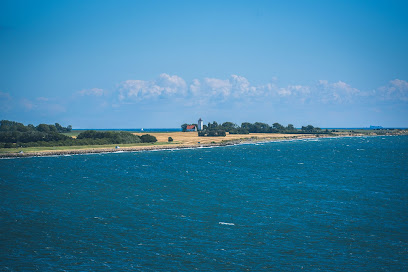
Gedser Lighthouse
36.5 km
Explore Denmark's southernmost lighthouse, offering panoramic Baltic Sea views and rich maritime history.
Langelands Jazzklub
53.1 km
Experience the vibrant local jazz scene at Langelands Jazzklub in Rudkøbing, where live music and island hospitality meet in one of Denmark’s most charming settings.
Kasket karl
54.0 km
Discover authentic Danish hospitality and local color at Kasket Karl, Rudkøbing’s beloved bodega on Langeland—a lively gathering spot offering drinks, history, and community.
Bar z
62.6 km
Næstved's welcoming nightclub for Thursday-to-Saturday evening gatherings and social entertainment.
Step Inn I / S
62.6 km
Step Inn I / S is a centrally located Næstved bar offering a relaxed setting for drinks, socializing, and local nightlife with a distinctly Danish twist.
The Old Irish Pub
62.6 km
A vibrant Irish-themed pub in the heart of Næstved, offering live music, sports, draught beer, and a lively atmosphere for both locals and visitors.
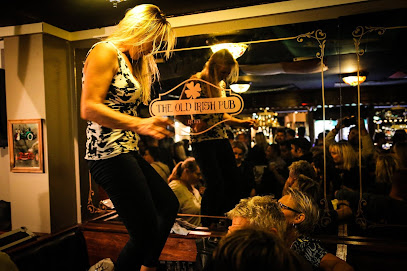
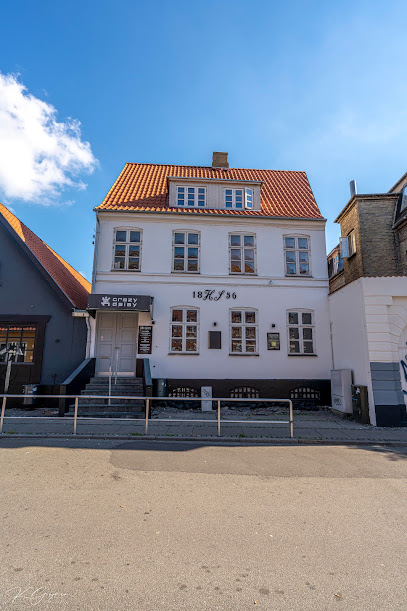
Crazy Daisy Næstved
62.6 km
High‑energy weekend nightclub in central Næstved, packing loud beats, flashing lights and a late‑night local crowd into a compact, classic Danish town‑club setting.
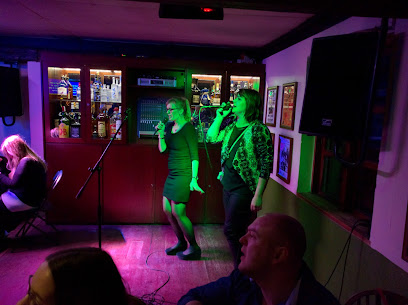
The Beach
62.7 km
The Beach is Næstved’s top karaoke bar, renowned for its vibrant ambiance, creative drinks, and a lineup of crowd-pleasing singalong nights in the city center.
Avenue Næstved
62.7 km
Lively nightspot and flexible event hall in central Næstved, mixing dancefloor energy, festive dinners, stand-up comedy and themed parties under one roof.
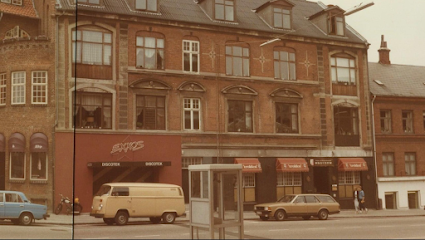
Sct. Jørgens Jazzklub
62.7 km
Experience live jazz in the heart of Næstved at Sct. Jørgens Jazzklub, where music and history harmonize.
For the vibe & atmosphere seeker
- Tranquil
- Scenic
- Unique
- Casual
For the design and aesthetic lover
- Modern Designs
For the architecture buff
- Industrial
- Landmarks
- Viewpoints
For the view chaser and sunset hunter
- Iconic Views
- Panoramas
- Sunset Spots
For the social media creator & influencer
- Photo Spots
- Architectural Shots
- Reel-Friendly
For the eco-conscious traveler
- Low Impact
- Public-Transport Accessible
For the kind of experience you’re after
- Photowalk
- Adventure Photo Shoot
- Roadtrip Stop
- Day Trip
For how adventurous you want the journey to be
- Easy Access
Location Audience
- Family Friendly
- Senior Friendly
- Teen Friendly
- Solo Friendly
- Couple Friendly
- Business Friendly


