

Madum Lake (Madum Sø)
Crystal-clear forest lake in Rold Skov, combining sandy swimming coves, a scenic woodland loop and rich birdlife in a protected Danish nature sanctuary.
Madum Lake is the largest lake in the Himmerland peninsula of Jutland, tucked into the eastern edge of Rold Skov in Rebild Municipality. With exceptionally clear, acidic water, sandy bathing spots and surrounding pine and birch forest, it is both an important protected bird sanctuary and a beloved swimming and walking destination. A roughly 7 km marked trail loops through woodland and bogs, offering intimate views of reed-fringed shores, heather-clad clearings and the quiet, mirror-like surface of this Natura 2000 site.
A brief summary to Madum Lake
- DK
- Visit website
- Duration: 1.5 to 4 hours
- Free
-
 Outdoor
- Mobile reception: 4 out of 5
Local tips
- Walk the full 7 km loop around the lake to experience changing forest types, bog views and multiple shoreline perspectives; allow extra time after rain when sections can be muddy.
- For swimming, head to the main sandy stretches on the eastern side, where the lake shelves gently and the absence of motorboats keeps the water calm and quiet.
- Bring binoculars and pause at reed-fringed bays in spring or autumn to look for ospreys hunting and for flocks of diving ducks resting on the open water.
- Pack snacks and water; facilities are limited around the lakeshore, and simple picnics on the forest edge or near the beach areas make the visit more relaxed.
- Respect the Natura 2000 protections by staying on marked paths, avoiding any boating or fishing, and leaving no trace to help safeguard the lake’s sensitive Lobelia ecosystem.

For the on-the-go comforts that matter to you
- Restrooms
- Drinking Water
- Food Options
- Seating Areas
- Sheltered Areas
- Picnic Areas
- Trash Bins
- Information Boards
Getting There
-
Car from Aalborg
From central Aalborg, reaching Madum Lake by car typically takes about 35–45 minutes depending on traffic. The route uses regional roads through Rebild Municipality and is straightforward year-round. There is usually free parking near the main bathing and trailhead areas, but spaces can fill quickly on hot summer weekends, so arriving earlier in the day helps.
-
Regional train and taxi via Skørping
A practical public-transport option is to take a regional train to Skørping, a journey of roughly 25–35 minutes from Aalborg with standard ticket prices in the range of 40–80 DKK one way depending on time and discounts. From Skørping, local taxi services can bring you to Madum Lake in about 15–20 minutes; expect to pay approximately 150–250 DKK for the car, varying with time of day and waiting time.
-
Bicycle from Skørping area
Cyclists based in or near Skørping can reach Madum Lake in about 35–60 minutes by bike, using a mix of smaller paved roads and forest lanes. The ride is gently rolling rather than steep, but surfaces may be uneven in forest sections and can become muddy after rain. This option suits reasonably confident cyclists comfortable sharing rural roads with occasional traffic.
Madum Lake location weather suitability
-
 Clear Skies
-
 Mild Temperatures
-
 Hot Weather
-
 Any Weather
-
 Cold Weather
Discover more about Madum Lake
A clear-water lake in the heart of Himmerland
Madum Lake is the largest lake in the Himmerland peninsula of Jutland, a broad mirror of water set within the dense Rold Skov forest in Rebild Municipality. The lake covers just over two square kilometres, yet feels surprisingly intimate thanks to its gently curving shoreline, reed-fringed coves and low, forested banks. It is shallow by Nordic standards, with a maximum depth around 7.5 metres, which lets light penetrate deep into the water and highlights its famously clear, slightly tea-tinted hue. The lake likely began life as a glacial kettle hole left by retreating ice at the end of the last ice age. Over millennia, meltwater filled the hollow and forest gradually reclaimed the surrounding heathland. Today, birch and pine dominate the northern shore, while patches of heather, bog and mossy clearings hint at the landscape that once stretched across much of Himmerland.Protected nature and rare aquatic life
Madum Lake forms part of a larger Natura 2000 protected area that links the lake, Rold Skov and the Lindenborg river valley. Its waters are classified as a Lobelia-lake, named after the delicate aquatic plant Lobelia dortmanna that thrives only in very clean, nutrient-poor conditions. This status signals unusually high water quality and a fragile ecosystem that reacts quickly to pollution or disturbance. Beneath the surface live pike and perch, important both to the natural food web and to the many birds that forage here. Public fishing and boating are restricted to safeguard wildlife and preserve the quiet atmosphere. On late summer days, visitors may notice subtle signs of ecological stress, such as localized algal blooms or expanding reed beds, reminders of how sensitive the lake is to nutrients from surrounding farmland and heavy seasonal use.A vital sanctuary for birds
Madum Lake is internationally recognised as a bird sanctuary and is protected under European nature directives. The open water serves as an important resting site for goldeneye and tufted ducks, with mallards joining in smaller numbers during migration seasons. The combination of clear water, abundant fish and sheltered forested margins makes the lake especially attractive to waterfowl. In spring and autumn, ospreys can sometimes be seen hovering and diving for pike and perch, adding a touch of drama to otherwise tranquil scenes. Along the reed belts and quieter bays, great crested grebes, mute swans and coots find secure nesting sites. The surrounding forest contributes songbirds and woodpeckers, while the bogs and wet clearings to the east support their own communities of insects and amphibians.Swimming coves and forest-loop walks
Despite its protected status, Madum Lake remains very much a place to be enjoyed. Its sandy, gently shelving shores provide excellent bathing, especially during warm summer months when locals head here to swim in the clear, cool water. The lack of motorboats and the relatively soft wave action make the lake feel safe and calm, with long, shallow stretches that suit cautious swimmers and families. A marked walking route, roughly seven kilometres long, circles the lake. The path undulates through conifer stands, airy birch groves and small open heaths, offering alternating views of open water and forest interior. Sections can be muddy after rain, lending a mildly adventurous feel without requiring technical skills. Benches and informal resting spots allow time to linger over reflections on the water or watch dragonflies patrolling the edge of the reeds.Forests, bogs and estates around the shore
The land around Madum Lake is a patchwork of state-owned forest and privately held estates such as Lindenborg, Nørlund and Willestrup. This mix has shaped the landscape into a mosaic of production forest, semi-natural woodland and protected bog. To the east lies the Long Marsh, a sizeable, well-preserved bog reached by a signed trail from a parking area near the lake’s eastern shore. Here the scenery shifts from tall trees to open, spongy ground studded with cotton grass and dwarf shrubs. Although management objectives differ between owners, public access is secured along marked paths and the shoreline trail. The result is a feeling of deep immersion in nature, with only the occasional glimpse of forestry tracks hinting at human activity. The relative absence of built structures around the lake preserves long, continuous sightlines over water and woodland, reinforcing the sense of seclusion.Experiencing Madum Lake with care
Visiting Madum Lake is as much about sound and atmosphere as about views. The soft lap of water on sand, wind moving through pine needles and the distant calls of birds create a naturally meditative backdrop. On still days, the lake can feel almost glassy, reflecting clouds and tree silhouettes with photographic clarity. Even during busier summer afternoons, it is usually possible to find quieter spots by walking a short distance along the shore. Because the lake is both fragile and highly protected, simple choices make a difference: remaining on marked paths, avoiding the disturbance of nesting areas and leaving the waterline and forest free of litter. With this light touch, Madum Lake offers a classic Danish nature experience: understated, serene and closely tied to the rhythms of the surrounding forest and wildlife.Iconic landmarks you can’t miss

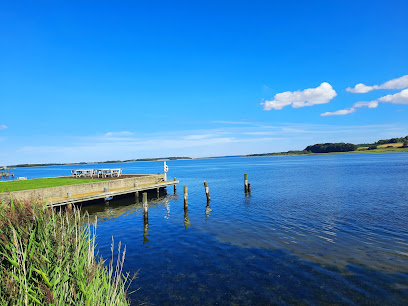
Mariager Fjord
15.2 km
Denmark's longest fjord winds through pristine Jutland landscapes, offering unspoilt nature, charming villages, and exceptional outdoor adventures.
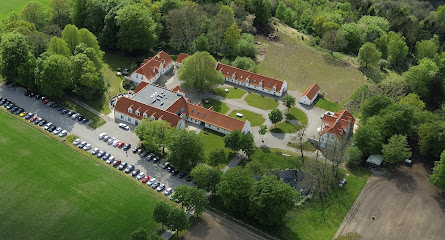
Hotel BramslevGaard
16.8 km
Experience tranquility and history at Hotel BramslevGaard, nestled in the scenic Bramslev Bakker by Mariager Fjord, offering gourmet dining, spa retreats, and easy access to Northern Jutland's natural wonders.
Restaurant BramslevGaard
16.9 km
Experience Danish history and gastronomy at BramslevGaard, a charming manor house nestled in the scenic Bramslev Bakker near Hobro, offering stunning views and French-inspired cuisine.
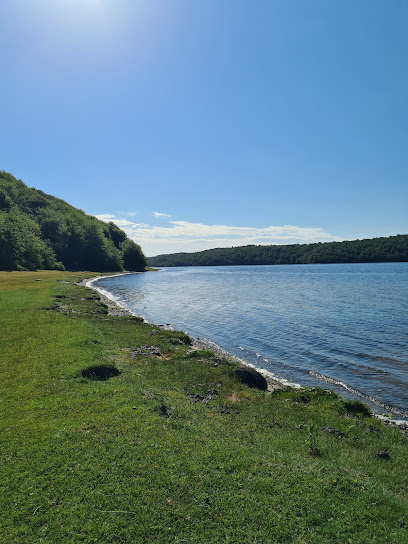
Mariager Lystbådehavn
17.2 km
Denmark's most beautiful fjord meets a thriving sailing community in this welcoming maritime harbor.
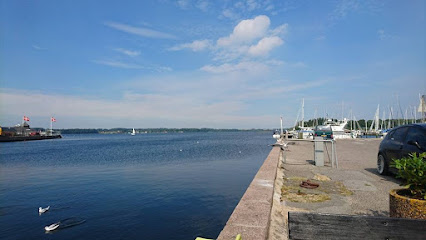
Hotel Postgaarden Mariager
17.5 km
Experience historic Danish charm and modern comfort at Hotel Postgaarden Mariager, nestled in the heart of the 'City of Roses' with easy access to Mariager Fjord's natural beauty.

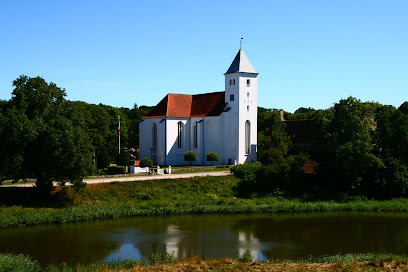
Mariager Kirke
17.7 km
A lofty Bridgettine abbey church turned parish landmark, where Gothic stone, noble tombs and organ music tell Mariager’s story above the fjord.
Mariager Church
17.7 km
A towering former abbey church above Mariager Fjord, where Gothic brickwork, noble tombs and a distinctive Aubertin organ keep centuries of faith and history alive.
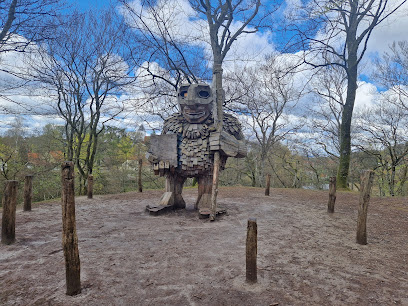
Ivan Evigvår trold
18.0 km
Explore Ivan Evigvår Trold, a magical tourist attraction in Mariager, Denmark, where folklore meets artistry in a stunning natural setting.
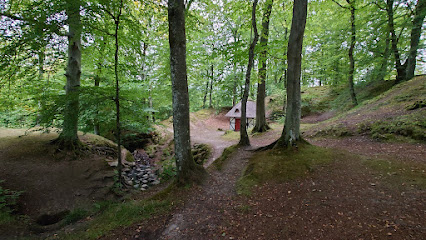
Munkholmanlægget
18.0 km
Discover Munkholmanlægget in Mariager: A historic park with tranquil nature, a charming lake, and a touch of whimsy, perfect for a peaceful escape and exploration.
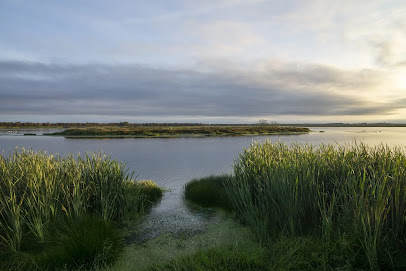
Lille Vildmose
18.8 km
Discover Denmark's largest protected area, Lille Vildmose, a haven for wildlife and a unique raised bog ecosystem, offering immersive nature experiences and conservation insights.
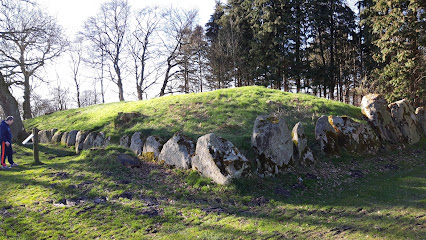
Kings Hill | Megalithic tomb
18.8 km
Explore the rich tapestry of Danish and international design at Copenhagen's premier design museum.
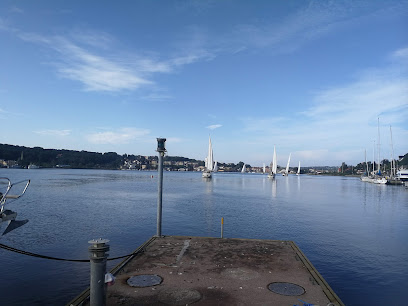
Hobro Lystbådehavn
19.3 km
Denmark's premier fjord marina with historic charm and modern comfort.
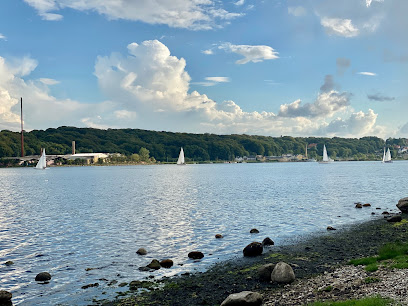
Panorama Walking Route
19.3 km
Discover Denmark's natural beauty on the Panorama Walking Route in Hobro, offering stunning fjord views, diverse landscapes, and a certified premium hiking experience.
Hotel Amerika
19.8 km
Experience tranquility and luxury at Hotel Amerika in Hobro, surrounded by the scenic Østerskoven forest and close to the beautiful Mariager Fjord, offering a unique blend of history and modern comfort.
Lille Vildmosecentret
20.0 km
Uncover the wild heart of Denmark at Lille Vildmosecentret, where immersive exhibits, rare wildlife, and scenic boglands await beside Limfjord.
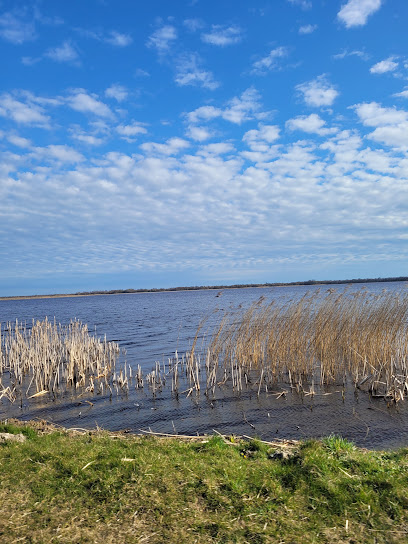
Unmissable attractions to see

Nedkastningspladsen ved Madum Sø
1.6 km
A modest forest clearing near Madum Sø where Allied air drops once armed the Danish resistance, now a tranquil spot that quietly preserves a powerful wartime story.
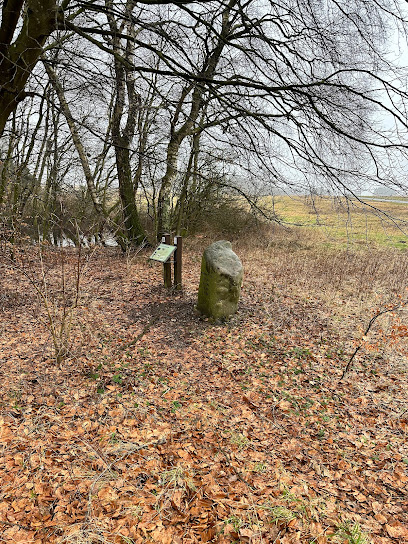
Naturstyrelsen
2.9 km
Hike Denmark’s legendary Kvalitetssti Rebild, where glacial hills, heather moors, and a tapestry of history create a captivating natural escape near Skørping.
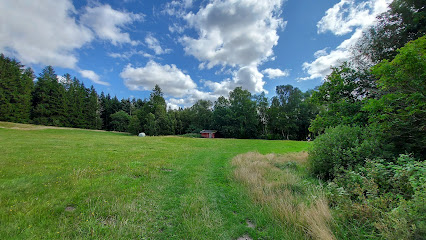
Nst Himmerland
2.9 km
Forests, lakes and quiet trails: NST Himmerland’s Rold Skov landscape offers classic Danish nature, gentle adventures and simple outdoor facilities near Skørping.
Store Økssø
3.4 km
A calm, tea-brown forest lake in Rold Skov, ringed by woodland and bog, inviting slow walks, easy fishing and quiet nature moments in every season.
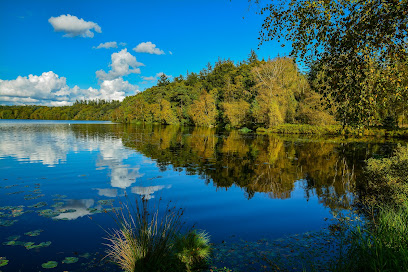
Kløverstien I Skørping
4.3 km
Four colour‑coded trails fanning out from Kulturstationen, linking Skørping’s streets, forest edges and village landscapes into easy, everyday nature adventures.
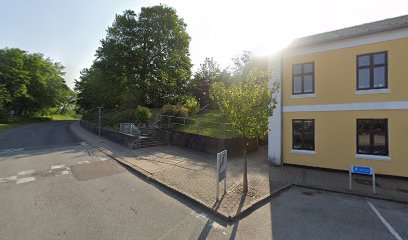
Rold Skov Orienteringsklub
4.6 km
Community-driven orienteering at the edge of Denmark’s Rold Forest, where detailed maps, quiet trails and local passion turn navigation into adventure.
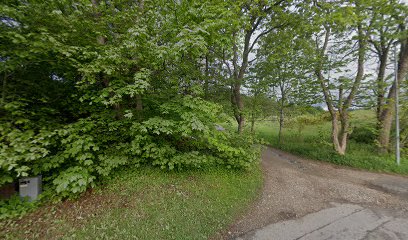
Rold Skov
4.8 km
Denmark’s largest continuous forest, where glacial hills, crystal-clear springs, heather-clad slopes and deep conifer stands create an endlessly varied northern woodland escape.
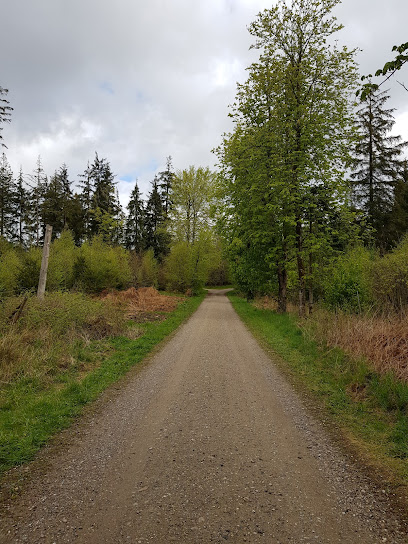
Rold Skov Klub
4.9 km
Forest-edge fairways, rolling Jutland hills and a friendly clubhouse atmosphere make Rold Skov Golf Club a scenic base for a full day of golf near Skørping.
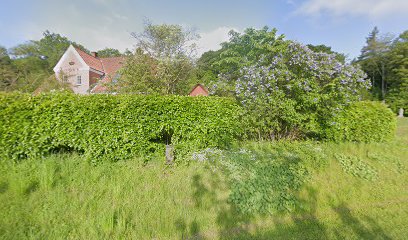
Røverknolden
5.6 km
Artistic forest playground where imagination meets adventure in Denmark's largest woodland.
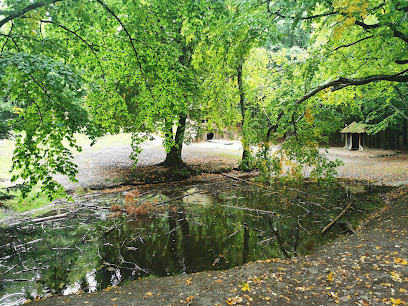
Midt inde i Rold Skov
5.8 km
Deep within Denmark's largest forest, a serene woodland viewpoint revealing ancient landscapes and timeless natural beauty.
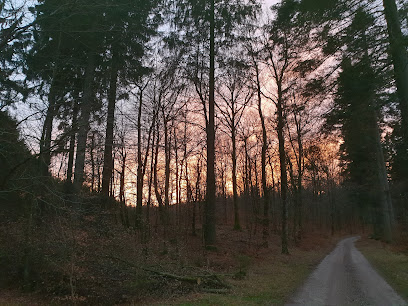
Museum Rebild
6.0 km
Where Danish emigration stories meet transatlantic friendship in historic northern Jutland hills.
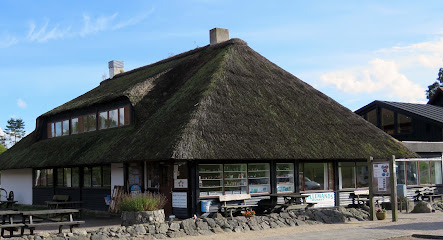
Rebild Bakker Information
6.0 km
Compact visitor hub with restrooms and trail information at the edge of Rebild Bakker, linking Skørping’s everyday life to Denmark’s heather-clad national park.
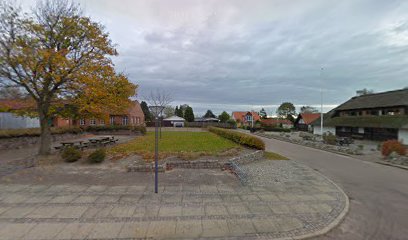
RebildPorten
6.0 km
Contemporary welcome center and terrace at the gateway to Rebild Hills and Rold Forest, where maps, stories and local insight prepare you for the landscape ahead.
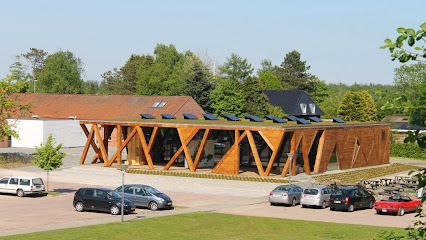
VINGES VANDRING
6.0 km
Experience Denmark’s most iconic heathland vistas and heritage on the well-marked Kvalitetssti Rebild hiking trail in the legendary Rebild National Park.
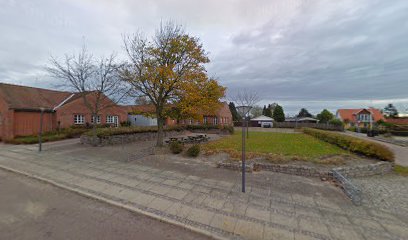
Danhostel Rebild
6.0 km
Welcoming hostel near Denmark's scenic Rebild Bakker hills with modern rooms, friendly staff, and included breakfast.
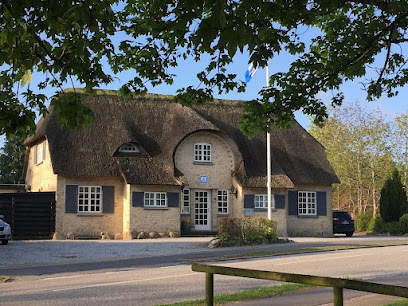
Essential places to dine

MADUMSØHUS ISBAR
1.3 km
Homely countryside ice cream stop by Madum Lake, where classic Danish soft ice meets quiet Jutland landscapes and relaxed summer-evening vibes.
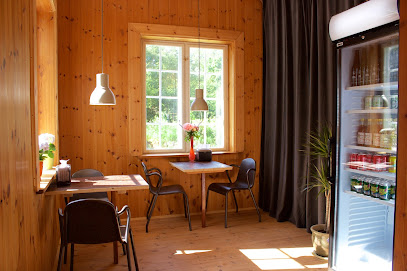
Mosskovpavillonen
3.3 km
Historic forest pavilion serving French-Danish cuisine beside a pristine lake in North Jutland's natural heart.
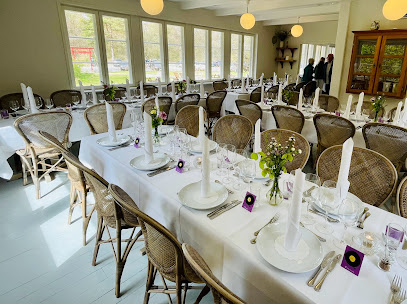
Restaurant Hul19
3.4 km
Laid-back Scandinavian clubhouse dining with sweeping views over Rold Skov Golfklub’s closing hole and the forested landscape beyond in Skørping.
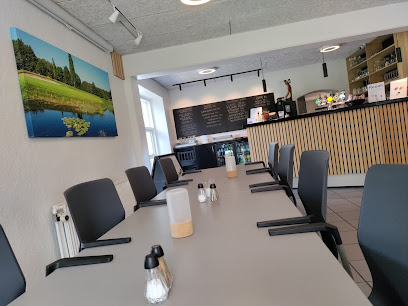
Papas Pizza Og Kebab House V/Serdar Keskin
4.1 km
Casual neighborhood pizzeria and kebab house in central Skørping, serving generous Danish-style pizzas, kebabs and grill favorites at moderate prices all week.
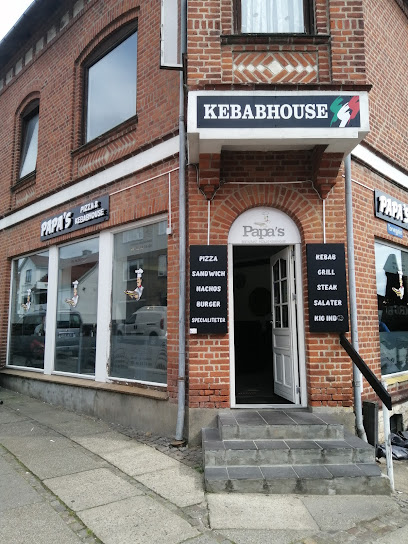
Bb Rold
5.9 km
A homely little café and B&B-style retreat in a quiet Skørping street, offering simple comforts and easy access to the forests and hills of Rold Skov.
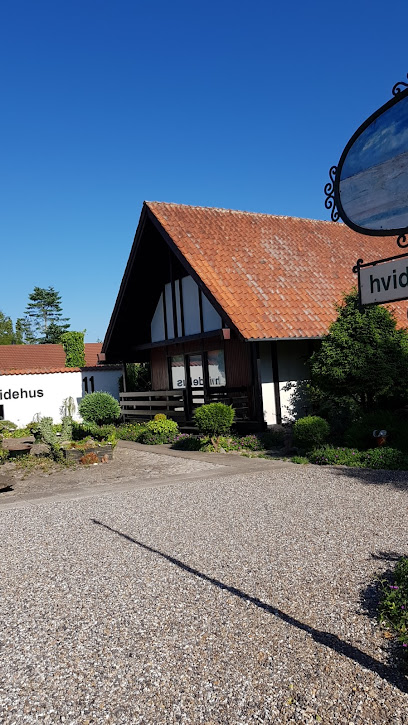
Røverstuen
6.0 km
Woodland restaurant at Rebild’s edge, where Danish comfort cooking, rustic interiors and forest legends combine into a relaxed, story-rich meal stop in Skørping.
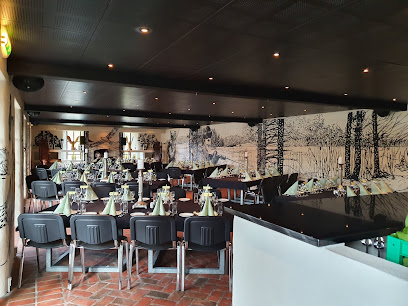
Rebildhus
6.1 km
Hearty Danish lunch and countryside charm on the edge of Rebild Bakker’s rolling hills, a relaxed restaurant base for walks, family outings and day trips.
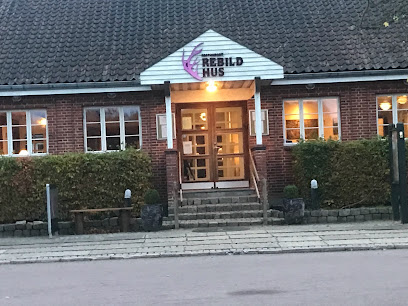
Top Karens Hus
6.2 km
Historic countryside traktørsted at the gateway to Rebild Bakker, serving traditional Danish food, coffee and cake in intimate low‑ceilinged rooms and garden.
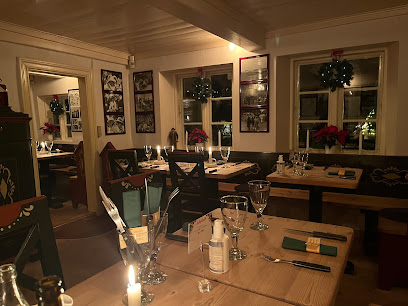
Westernhuset
6.2 km
Skørping's premier venue for group celebrations and traditional Danish dining
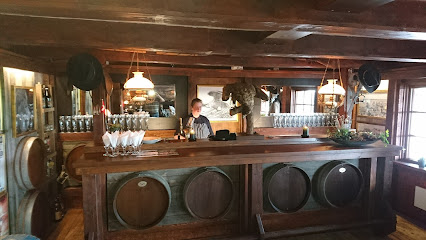
Terndrup Kro
7.9 km
Traditional Danish inn and restaurant in the heart of Terndrup, serving hearty local dishes with simple rooms and welcoming village atmosphere near Rold Skov.
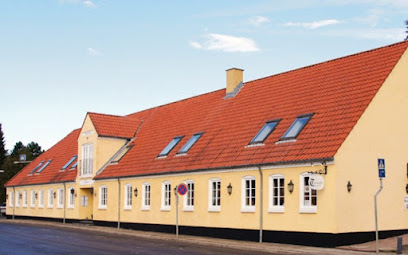
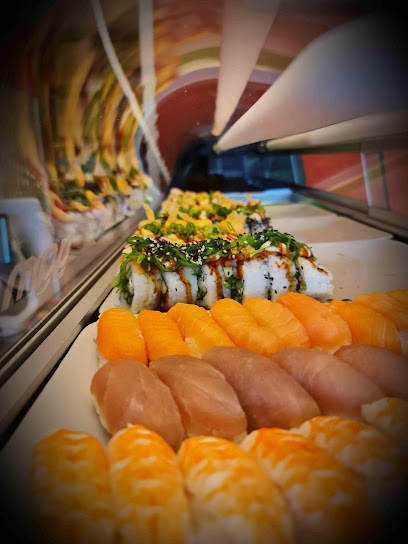
Ice Sushi
10.9 km
Straightforward sushi takeaway on Hobrovej in Støvring, serving practical sharing boxes and casual eat-in options for easy weeknight dinners and road-trip stops.
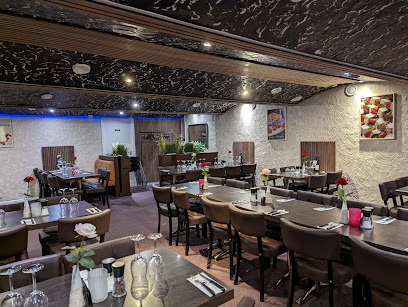
Bella Italia Støvring
11.1 km
Cozy pizza and steakhouse on Støvring’s main street, serving generous Italian-inspired comfort food and easygoing Danish hospitality for locals and road‑trippers alike.
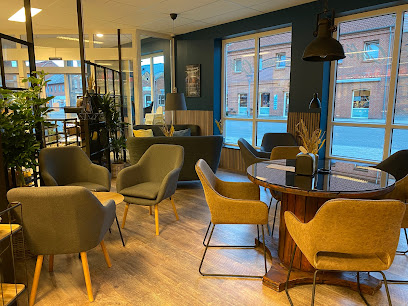
MesterBageren Støvring
11.2 km
Lively neighborhood bakery-café in central Støvring, serving classic Danish breads, pastries and celebration cakes from early morning until late afternoon.
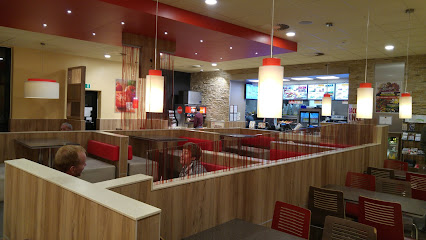
Burger King
14.5 km
Flame-grilled burgers and quick meals in rural Jutland's convenient fast-food hub.
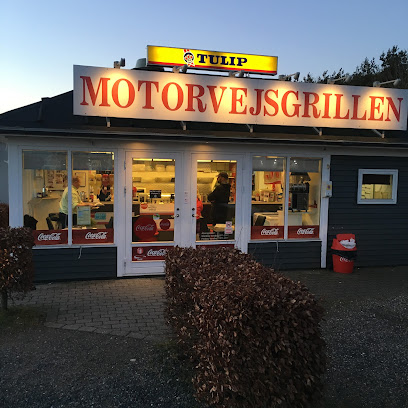
Motorvejsgrillen
14.6 km
Old-school Danish roadside grill off the Nørager motorway, serving hearty burgers, fries and classic fast food to drivers, locals and truckers all week.
Markets, malls and hidden boutiques

MilesAbove
3.8 km
Premium footwear destination in Skørping, offering quality shoes and expert service daily.

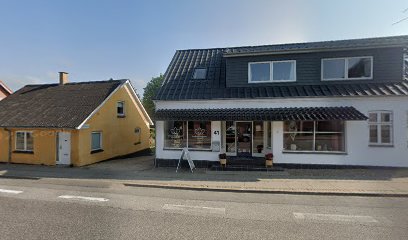
Louise Nørgaard
3.9 km
A cosy holistic beauty clinic and natural lifestyle boutique in small-town Skørping, blending personalised treatments, clean products and a calm, slow-paced atmosphere.
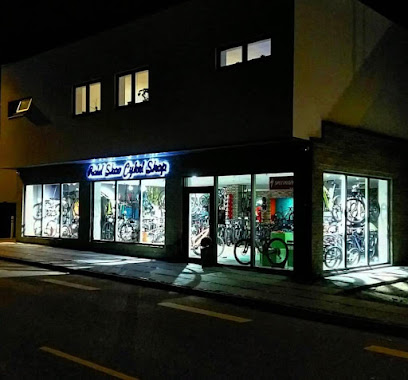
Rold Forest Bike Shop
3.9 km
Denmark's premier mountain bike hub in the heart of Rold Forest's 50-kilometer trail network.
REMA 1000
4.1 km
No‑frills Danish discount supermarket in Skørping, ideal for stocking up on groceries, snacks and everyday essentials before exploring Rebild Bakker and Rold Skov.
Garndamen
4.1 km
Intimate yarn shop in the heart of Skørping, brimming with colourful fibres, patterns and friendly expertise for knitters and crocheters of every level.
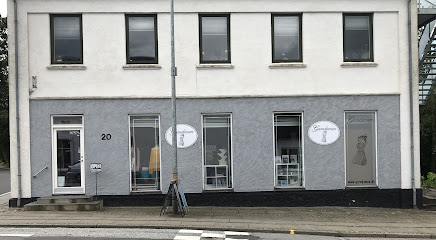
FKN Genbrug / DCA Op Shop
4.1 km
Cozy volunteer-run charity thrift shop in central Skørping, where slow treasure-hunting, reuse and global solidarity all meet on one compact shop floor.
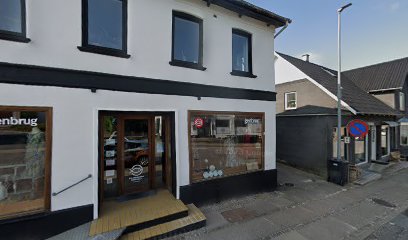
Folkekirkens Nødhjælp Genbrug
4.1 km
Small-town Danish charity shop where second-hand fashion, homeware and local community spirit come together to support global humanitarian work.
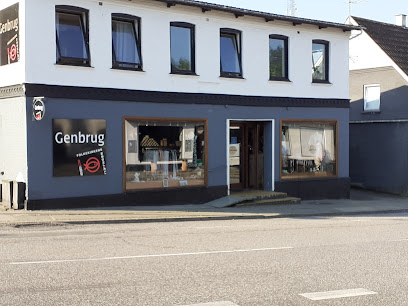
Maggies Gemakker
4.1 km
A cosy Skørping fashion boutique offering timeless, mix-and-match women’s clothing and personal styling advice focused on longevity rather than fast trends.
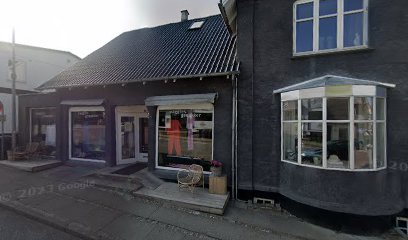
Bogby 9520
4.2 km
Volunteer‑run book town in Skørping, where thousands of second‑hand volumes and a cosy, local atmosphere turn browsing into a slow‑travel highlight.
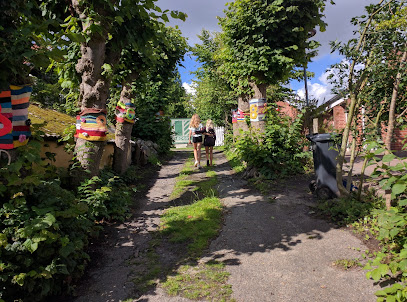
Lenas Blomster
4.2 km
Friendly neighbourhood florist and gift boutique in the heart of Skørping, blending seasonal blooms, curated presents and local small-town charm.
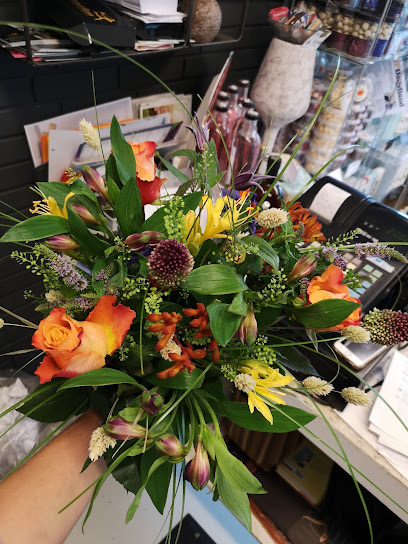
Meny
4.2 km
Modern Danish supermarket in Skørping Centret with fresh counters, local specialties and a strong wine selection – a practical one‑stop shop for travelers.
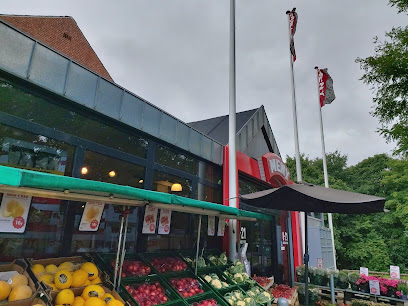
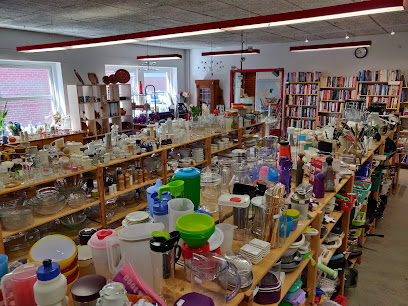
Kirkens Korshær Genbrug
4.3 km
Small-town Danish thrift shop where every second-hand bargain helps fund social work and offers a glimpse into everyday community life in Skørping.
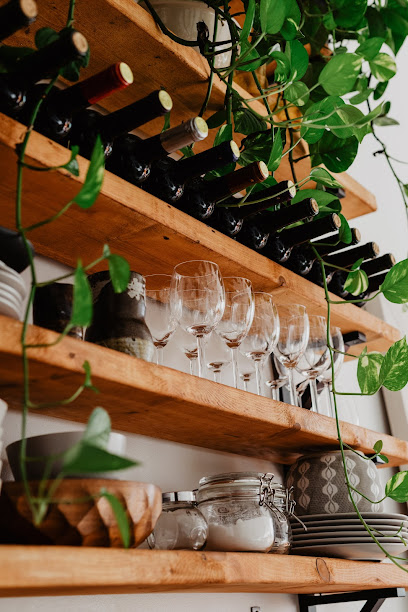
Holy Moses Wineshop
4.5 km
Characterful neighbourhood wine shop in Skørping, pouring American bottles, local vintages and sustainable delights from morning to evening every day.
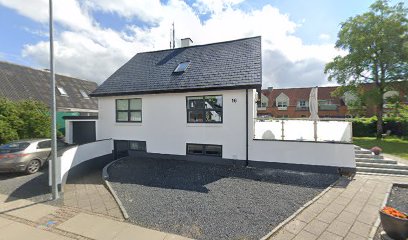
KaLo Design
5.5 km
Discover handcrafted Danish furniture blending tradition and modern design at KaLo Design in Skørping.
Sc Møbler
5.7 km
Down-to-earth Danish furniture and home comforts in a small-town Arden showroom focused on practical, real-life living spaces.
Essential bars & hidden hideouts

Skørping Bodega
4.1 km
Down-to-earth local bodega in central Skørping, serving cold beers, simple drinks and small-town atmosphere from midday until late on weekends.
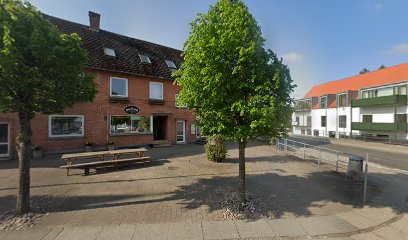
Rottehullet / Bodega
5.2 km
Laid‑back Danish bodega in quiet Arden, where cold beer, worn wood and easy conversation create a timeless neighborhood hangout.
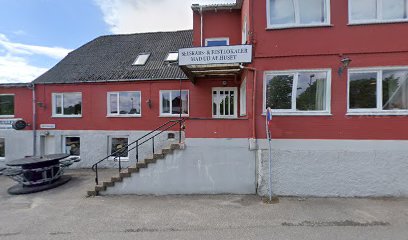
Carsten fenger
6.6 km
A low-key rural bar near Skørping where locals gather, travelers are welcomed, and simple drinks fuel long conversations in a relaxed countryside setting.
Center Pubben ApS
7.9 km
Cozy neighborhood pub in Terndrup Center, pouring cold beer, simple drinks and warm small-town atmosphere in a no-nonsense Danish bar setting.
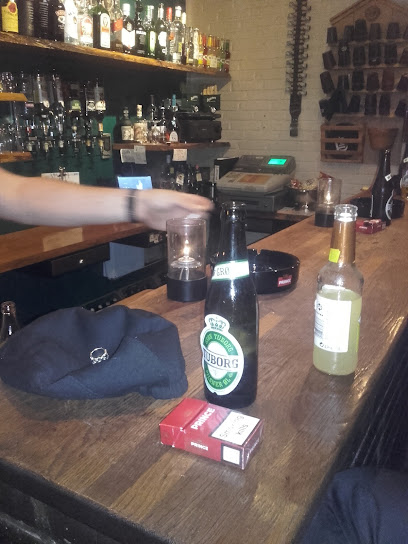
Happy Friday
10.1 km
Cozy Støvring cocktail bar with crafted drinks, warm lighting and a Friday-night feeling any day of the week.
City Bar Støvring
11.0 km
Unpretentious local bar in Støvring’s City Centret, offering simple drinks, friendly chat and a down-to-earth glimpse of everyday Danish small-town life.
Støvring Mc
11.3 km
Laid‑back neighborhood bar in small‑town Støvring, with a subtle motorbike vibe, simple drinks and a down‑to‑earth atmosphere on Viborgvej.
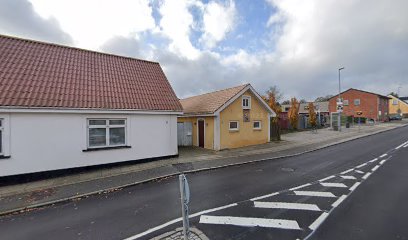
Loke's Ølstue
14.7 km
Suldrup’s no-frills bodega bar, where cold beer, local stories and small-town Danish pub culture come together in a cozy, lived-in corner on Aarestrupvej.
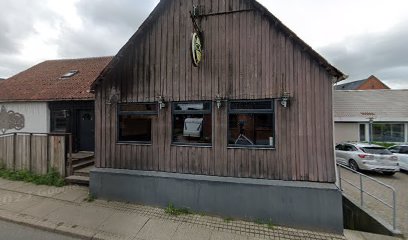
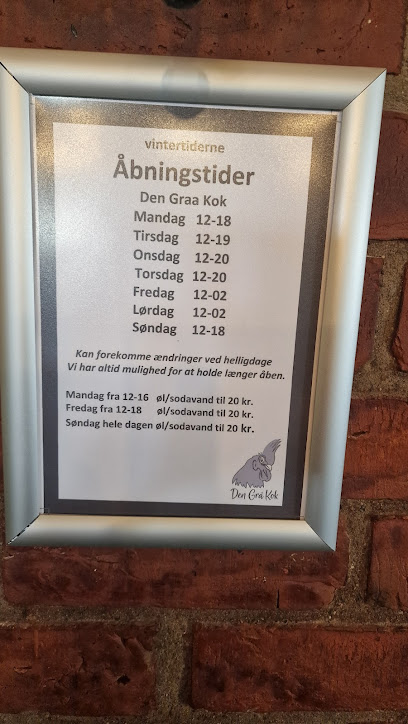
Den Graa Kok Vinkælderen
14.8 km
Refined wine bar and cellar in North Jutland offering curated selections and elegant dining.
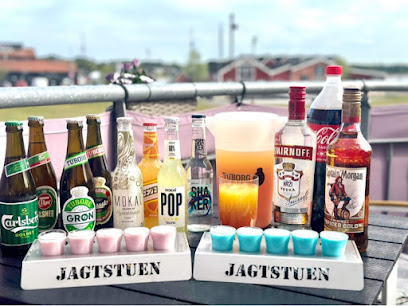
Jagtstuen
15.0 km
Traditional Danish bodega-style bar in central Hadsund, known for its cozy atmosphere and pioneering dementia-friendly approach to everyday social life.
Kælderen
15.0 km
Intimate basement bar at the heart of Hadsund's town square, open for evening gatherings Thursday through Sunday.
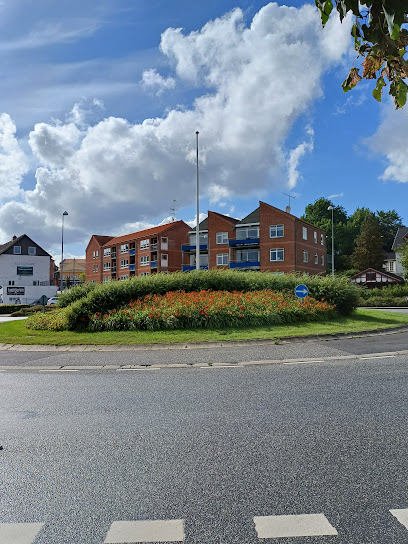
ar
15.3 km
Unpretentious waterfront bar on Ved Stranden in Hadsund, where simple drinks, fjord views and small-town atmosphere create an easygoing evening stop.
Olivia
16.4 km
Casual Danish beer hall where locals gather for drinks, conversation, and authentic small-town hospitality.
Vognhjulet Pub
20.1 km
Hobro's legendary rock pub where authentic Danish hospitality meets decades of local tradition.
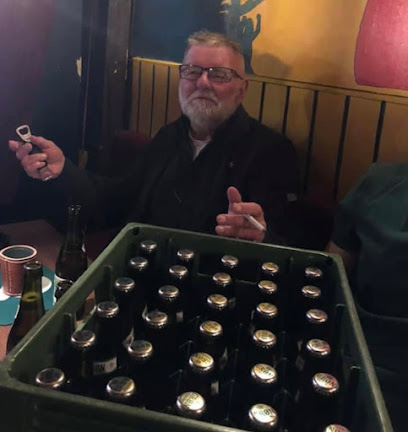
Torvebaren
20.3 km
Classic Danish bodega in central Hobro, serving traditional beers, darts and down‑to‑earth local atmosphere from morning coffee to late‑night rounds.
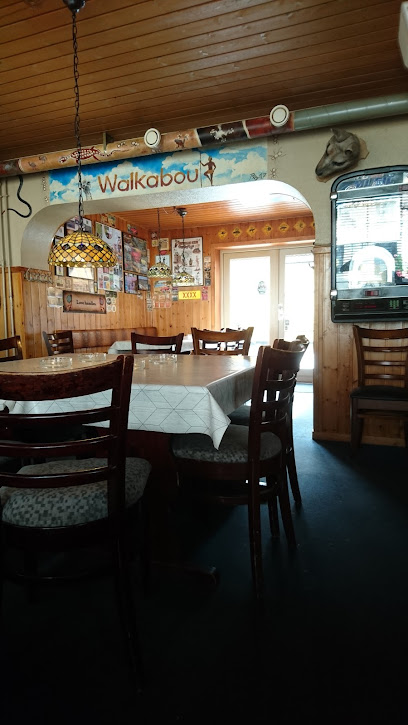
Nightclubs & after hour spots

Buddy Holly
20.3 km
Late-night disco hub in central Hobro, where locals and visitors pack the dance floor to chart hits, lights and drinks until the early hours.

Night Cirque
26.9 km
Compact, high-energy nightclub in central Aalborg, where pulsing beats, bold lighting and a stylish crowd keep the dance floor alive late into the night.
LouLou Aalborg
27.2 km
Polished cocktails and high-energy club vibes collide at this compact, late-night hotspot on Aalborg’s legendary Jomfru Ane Gade.
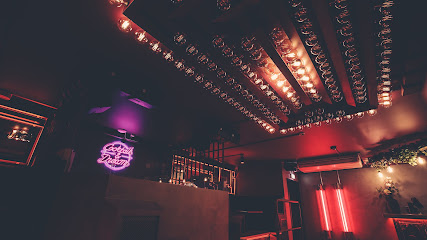
Club Stygge
27.2 km
Compact, late-night Aalborg nightclub with loud party hits, simple cocktails and a tightly packed dance floor on bustling Vesterå.
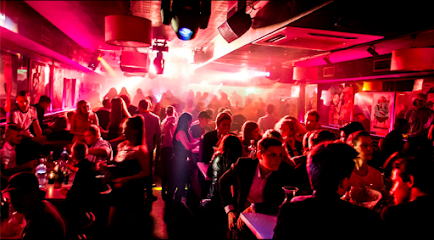
ESCAPE CLUB & Shisha Lounge
27.2 km
Intimate nightclub and shisha lounge in the heart of Aalborg’s Jomfru Ane Gade, mixing DJ-driven dancing, drinks and hookah corners late into the night.
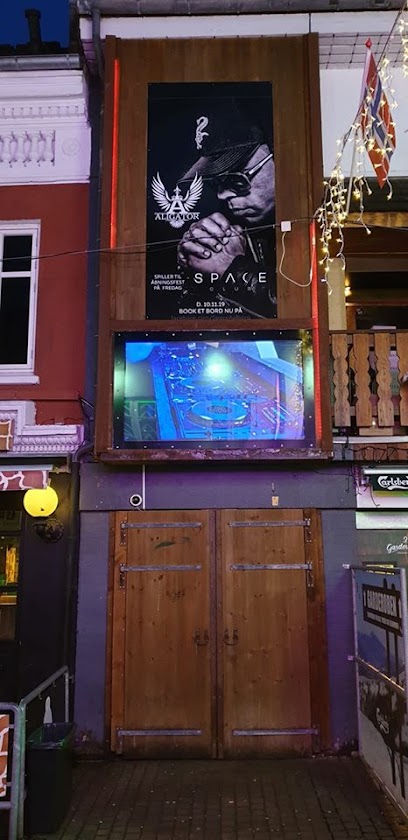
Club Wolf
27.2 km
Compact, late-night nightclub on Aalborg’s Jomfru Ane Gade, blending chart hits, strong weekend energy and a tightly packed dance floor in the city’s bar street hub.
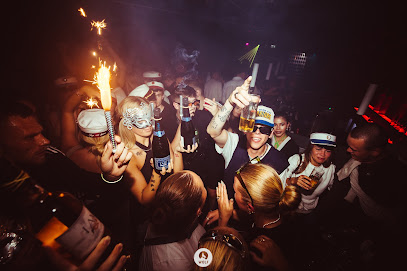
Storm P Beer & Cocktails
27.3 km
Experience Aalborg's legendary Jomfru Ane Gade at Storm P Beer & Cocktails—a vibrant night club, beer haven, and cocktail lounge with playful Danish flair.
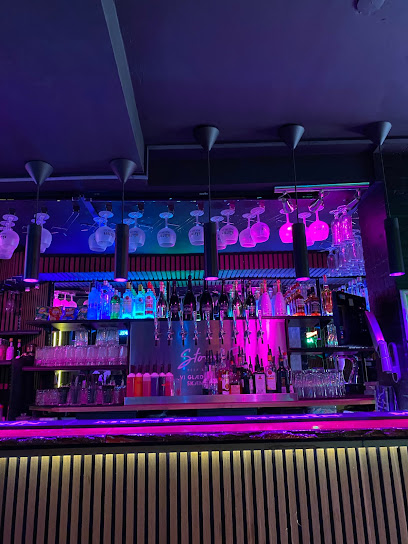
CLUB MOONLIGHT Aalborgs dansested for voksne
27.3 km
Adult‑only dance bar in central Aalborg, mixing 80s, 90s, 00s and current hits with cocktails and late‑night energy in an intimate courtyard setting.
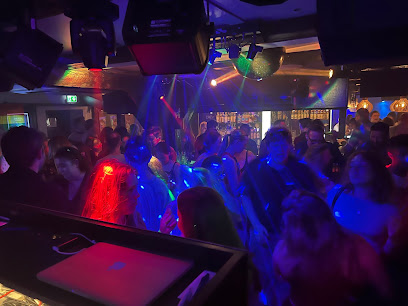
C Night Club
27.3 km
Craft cocktails meet dance floor energy on Aalborg's premier nightlife street.
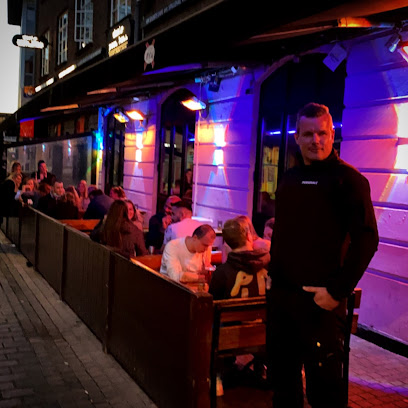
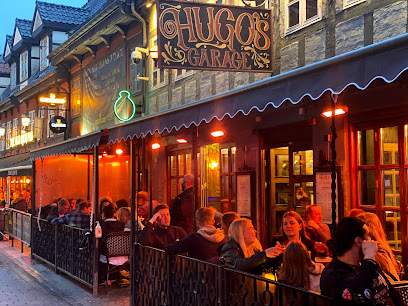
Hugos Garage
27.3 km
Experience Aalborg's iconic party vibe at Hugos Garage, a lively bodega-style bar and dance club on Jomfru Ane Gade featuring live music and classic Danish hospitality.
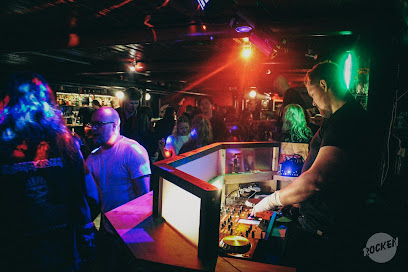
Rocken
27.3 km
Aalborg's premier basement rock and metal nightclub, hosting live bands and DJ sets Friday through Sunday.
Casino Aalborg
27.3 km
Compact, adult-only casino in the heart of Aalborg, pairing classic table games and slots with a relaxed Nordic nightlife atmosphere inside a city-center hotel.
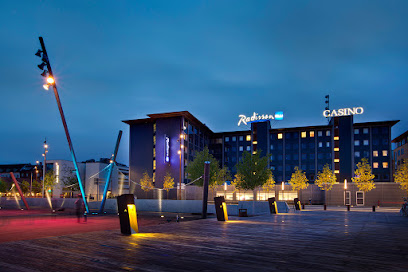
Mjølner
27.8 km
Small-town Nibe’s late-night heartbeat, where a compact dance floor, loud party tunes and local crowds turn a quiet fjord town into a lively night out.
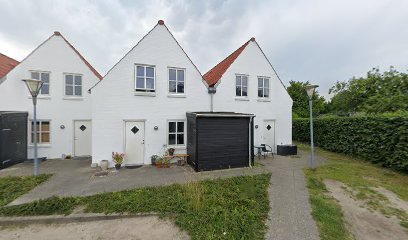
Randers Rave
36.3 km
Compact, bass-heavy nightclub in Randers NØ, where an unassuming façade hides a late-night dance floor fueled by rave-inspired lights, DJs and high energy.
Jazzens Venner
39.0 km
Experience live jazz performances in Randers' intimate and vibrant Jazzens Venner club.
For the vibe & atmosphere seeker
- Tranquil
- Zen
- Scenic
- Relaxing
- Unique
- Casual
For the design and aesthetic lover
- Minimalist Designs
- Rustic Designs
For the architecture buff
- Parks & Gardens
- Viewpoints
For the view chaser and sunset hunter
- Iconic Views
- Panoramas
- Sunset Spots
For the social media creator & influencer
- Photo Spots
- Selfie Spots
- Reel-Friendly
- Architectural Shots
For the eco-conscious traveler
- Sustainable
- Eco-Friendly
- Low Impact
- Protected Area
- Nature Reserve
- Public-Transport Accessible
- Leave-No-Trace Critical
- Locally Managed
- Wildlife Habitat
For the kind of experience you’re after
- Mindfulness
- Meditation Spot
- Spiritual / Energy Spot
- Cultural Heritage
- Photowalk
- Adventure Photo Shoot
- Nature Escape
- Day Trip
- Weekend Getaway
- Roadtrip Stop
For how adventurous you want the journey to be
- Easy Access
Location Audience
- Family Friendly
- Senior Friendly
- Child Friendly
- Teen Friendly
- Solo Friendly
- Couple Friendly
- Solo Female Friendly
- LGBT Friendly
- Vegetarian Friendly
- Vegan Friendly


