
Randers Fjord
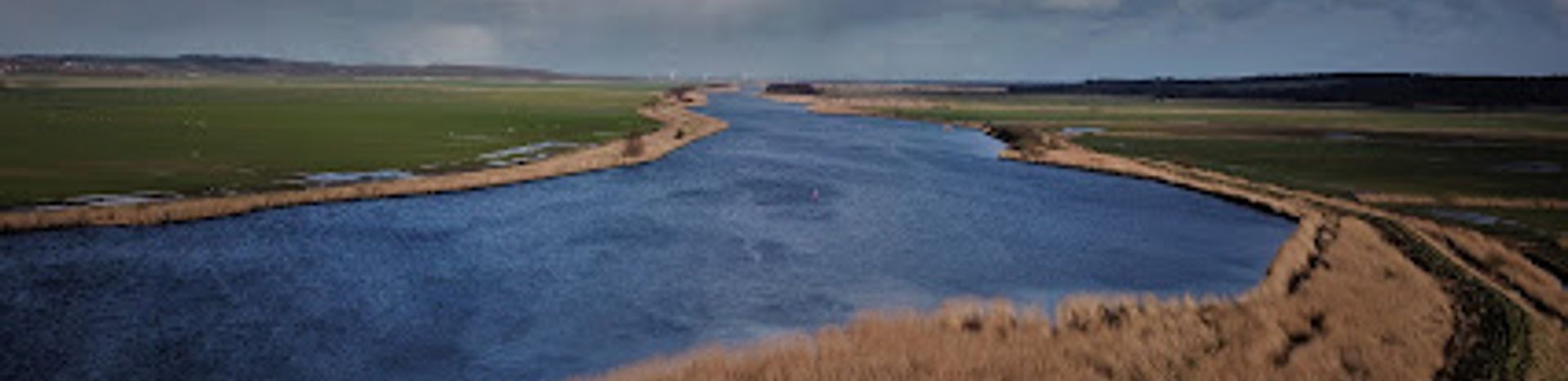
A wide, lowland Danish fjord where the Gudenå River meets the Kattegat, Randers Fjord blends reed forests, ferries and rich birdlife into a tranquil nature escape.
Randers Fjord is a 30km-long estuary in East Jutland where Denmark’s longest river, the Gudenå, meets the Kattegat Sea. Winding from the historic city of Randers through reed forests, salt marshes and small harbours, it forms the heart of Randers Fjord Nature Park, a 293km² protected landscape rich in birdlife, fish and tranquil waters. Ferries, nature trails and viewpoints make it an inviting escape for walkers, anglers, paddlers and photographers.
A brief summary to Randers Fjord
- DK
- Duration: 1.5 to 6 hours
- Free
-
 Outdoor
- Mobile reception: 4 out of 5
Local tips
- Pack binoculars and a telephoto lens if you are interested in birds; the reed forests and salt marshes host rich birdlife, especially at dawn and dusk.
- Wear waterproof or sturdy shoes, as paths near the shoreline can be damp or muddy, particularly after rain or during high water levels.
- If you plan to fish, check current fishing regulations and secure the appropriate angling permit before casting a line anywhere along the fjord.
- Bring layers and a windproof jacket; even on warm days the breeze over the open water can feel noticeably cooler than inland.
- Consider combining a ferry crossing at Mellerup–Voer or Udbyhøj with a short walk or picnic to experience both the water and the shore in one outing.

For the on-the-go comforts that matter to you
- Restrooms
- Seating Areas
- Sheltered Areas
- Picnic Areas
- Trash Bins
- Information Boards
- Visitor Center
- Drinking Water
- Food Options
Getting There
-
Regional bus from Randers
From Randers city centre, regional buses towards villages such as Mellerup, Albæk or Udbyhøj typically take around 30–60 minutes to reach stops near the fjord, depending on the chosen section. A single adult ticket within the local zone system is usually about 22–40 DKK. Services run more frequently on weekdays and less often in the evenings and on weekends, so timetables should be checked in advance. Most buses drop you within walking distance of the shoreline on relatively flat terrain, but not all stops are fully wheelchair accessible.
-
Car from Randers and East Jutland
Driving from Randers to various points along Randers Fjord typically takes 20–45 minutes, depending on whether you head for nearby spots like Uggelhuse or further out to Udbyhøj. There is no entrance fee for the fjord itself, and parking at small harbours, ferry slips and trailheads is usually free or low-cost. Roads are paved but can be narrow near villages, and some parking areas are simple gravel or grass. In busy summer periods, arrive earlier in the day to secure a space, especially near beaches and ferry landings.
-
Cycling from Randers area
Cycling from Randers to the fjord follows minor country roads and signed local cycle routes through gently rolling farmland. Expect 30–60 minutes of riding to reach closer villages such as Uggelhuse or Mellerup, longer if you continue towards the outer fjord. There is no cost beyond any bike rental fee, which in the region typically ranges from about 100–250 DKK per day. Surfaces are mostly paved, with some short gravel sections near harbours and viewpoints. Wind from the Kattegat can be strong, so plan extra time on breezy days and use lights and reflective gear outside daylight hours.
Randers Fjord location weather suitability
-
 Any Weather
-
 Clear Skies
-
 Windy Conditions
-
 Mild Temperatures
-
 Cold Weather
-
 Hot Weather
- Snow
-
 Rain / Wet Weather
Discover more about Randers Fjord
Where River Meets Sea in East Jutland
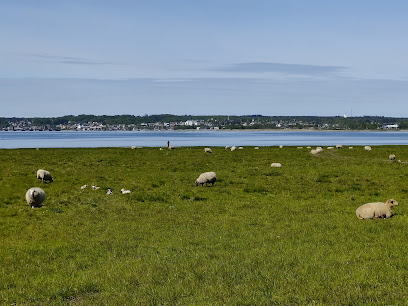
Randers Fjord is a broad, gently winding waterway stretching almost 30km from the city of Randers to the open Kattegat. At its head, the Gudenå – Denmark’s longest river – widens into a calm, river-like upper fjord before gradually turning brackish and then salty closer to the sea. This transition zone creates a fascinating mix of freshwater and marine character, visible in the changing colour of the water, the types of boats you see and the shifting vegetation along the banks. Unlike the steep-sided fjords of Norway, this is a lowland fjord, shallow and wide, embedded in soft coastal landscapes. It marks the northwestern edge of the Djursland peninsula and has long served as a natural corridor between inland Jutland and the sea, shaping settlements, trade and local culture for centuries.Reed Forests, Salt Marshes and Birdlife
Much of Randers Fjord’s shoreline is fringed by extensive reed beds and salt marshes, especially in the lower reaches. These form one of Denmark’s largest continuous wetland areas and are the reason the surrounding 293km² has been designated Randers Fjord Nature Park. Herons, ducks, geese and waders feed and nest in the shallows, while raptors patrol above; in migration seasons the sky can seem alive with movement. The reed forests are more than just a scenic backdrop. They provide shelter for countless small birds and act as natural filters for the water. In some places reeds are still cut for traditional roof thatching, linking the landscape directly to local craftsmanship. Scattered along the fjord you find birdwatching towers, simple shelters, tables and benches, inviting you to pause, scan the horizon and listen to the rustle of reeds in the wind.Nature Park Adventures on Water and Land
Randers Fjord is ideal for low-key outdoor adventures. On the water, kayaks and canoes slip along the relatively sheltered surface, weaving between small marinas, channel markers and the occasional fishing boat. Motorboats and leisure sailors navigate a marked channel that allows access between the Kattegat and Randers, making the fjord feel pleasantly active without being busy. On land, small harbours such as Udbyhøj, Mellerup and Uggelhuse form gateways to short walks, longer day hikes and cycling routes through open fields and coastal meadows. Waymarked trails connect viewpoints, picnic spots and the reed forests, and many paths are on mostly level terrain, making them accessible to a wide range of visitors. With the sea breeze, changing light and big skies, this is a rewarding place for slow travel, photography and quiet contemplation.Ferries, Stories and Local Maritime Life
Two characterful ferries still cross Randers Fjord and are part of its living heritage. Between Mellerup and Voer, Denmark’s smallest motor ferry makes the short hop across a narrow stretch that has been an official royal crossing since the 18th century. Closer to the sea, at Udbyhøj, a cable-drawn ferry shuttles vehicles and cyclists between the shores, gliding almost silently over the water. These crossings are more than transport links; they are brief journeys into local maritime tradition. Watching the ferries move against a backdrop of reeds, fields and distant wind turbines tells you how this landscape has adapted over time, balancing modern infrastructure with long-established routes and rhythms of life along the fjord.Fishing Tides and Changing Seasons
Angling is a strong thread in the Randers Fjord story. In places like Voer and nearby marinas, deep water close to shore and a narrow channel concentrate shoals of fish. Seasonal herring runs attract both local and visiting anglers, while perch and other species gather where fresh and salt water meet. Simple access from the bank, combined with modest tidal variation, makes the fjord approachable even for less experienced fishers. Across the year, the character of Randers Fjord shifts with the seasons. Spring brings returning birds and bright new green along the banks. Summer is ideal for paddling, picnics and long evenings by the water. Autumn light adds drama to the reeds and skies, and winter can feel stark but beautiful, with crisp air, migrating flocks and a quieter, almost introspective atmosphere along the shore.A Tranquil Escape Within Easy Reach
Despite its wild feel in places, Randers Fjord remains close to towns, villages and farms, blending nature with everyday Danish life. Simple infrastructure such as information boards, shelters and maintained paths makes it straightforward to explore while still leaving large stretches that feel wonderfully open and undisturbed. Whether you come for a short waterside stroll, a full day of birdwatching or a paddle between small harbours, the fjord offers a calm, spacious landscape where river, land and sea meet in a distinctly East Jutland way.Iconic landmarks you can’t miss

Sven Dalsgaards Plads
18.0 km
Randers' cultural epicentre honouring a Dadaist pioneer, where art, performance, and community converge.

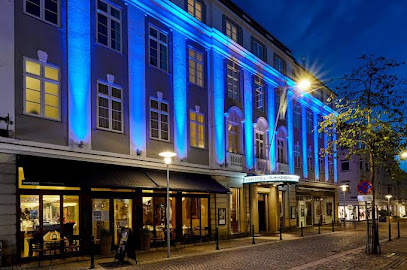
Hotel Randers
18.2 km
Explore the rich tapestry of Danish and international design at Copenhagen's Designmuseum Danmark.
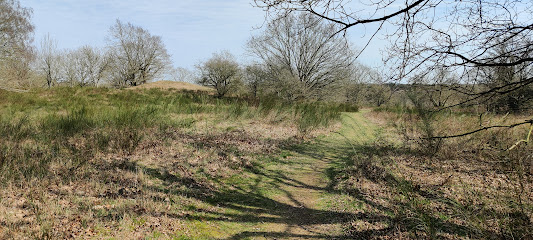
Skovgårde Voldsted
18.6 km
Medieval earthwork fortifications revealing Denmark's feudal past in rural Djursland.
Randers St.
18.7 km
Historic East Jutland railway hub connecting Denmark's east coast with modern InterCity services and comprehensive traveler amenities.
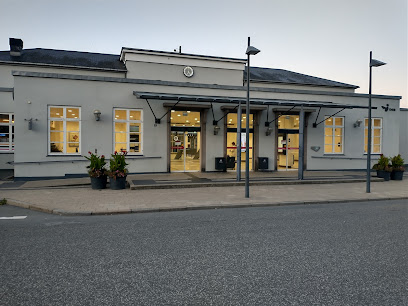
Randers Railwaystation
18.7 km
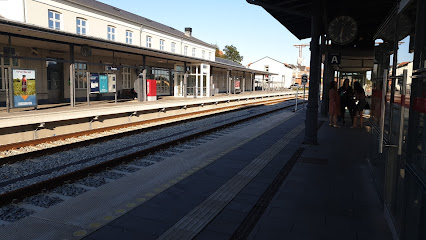
Historic rail gateway of Randers, linking East Jutland’s river town with Aarhus, Aalborg and Copenhagen from a compact, practical 19th‑century station hub.
Mariager Kirke
18.8 km
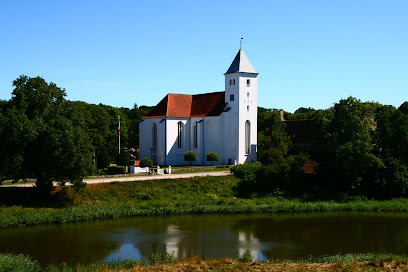
A lofty Bridgettine abbey church turned parish landmark, where Gothic stone, noble tombs and organ music tell Mariager’s story above the fjord.
Hotel Postgaarden Mariager
18.8 km
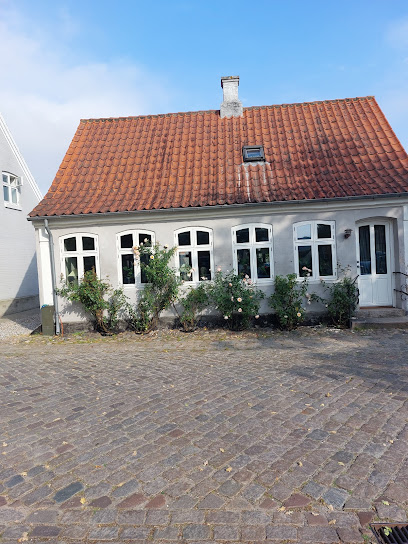
Experience historic Danish charm and modern comfort at Hotel Postgaarden Mariager, nestled in the heart of the 'City of Roses' with easy access to Mariager Fjord's natural beauty.
Mariager Church
18.8 km
A towering former abbey church above Mariager Fjord, where Gothic brickwork, noble tombs and a distinctive Aubertin organ keep centuries of faith and history alive.
Mariager Lystbådehavn
18.9 km
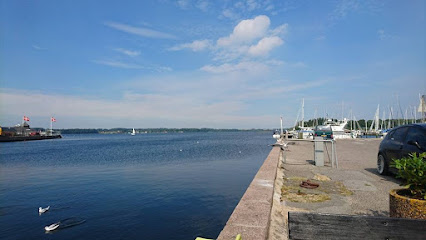
Denmark's most beautiful fjord meets a thriving sailing community in this welcoming maritime harbor.
Mariager Fjord
19.5 km
Denmark's longest fjord winds through pristine Jutland landscapes, offering unspoilt nature, charming villages, and exceptional outdoor adventures.
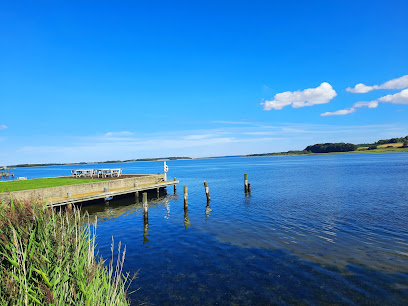
Gravhøjen i Fladbro Dyrehave
23.1 km
Stone Age burial mound in a serene deer forest, where ancient history meets wild nature.
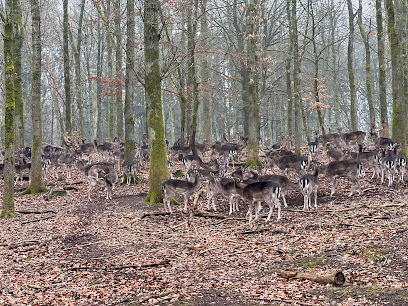
Restaurant BramslevGaard
25.9 km
Experience Danish history and gastronomy at BramslevGaard, a charming manor house nestled in the scenic Bramslev Bakker near Hobro, offering stunning views and French-inspired cuisine.
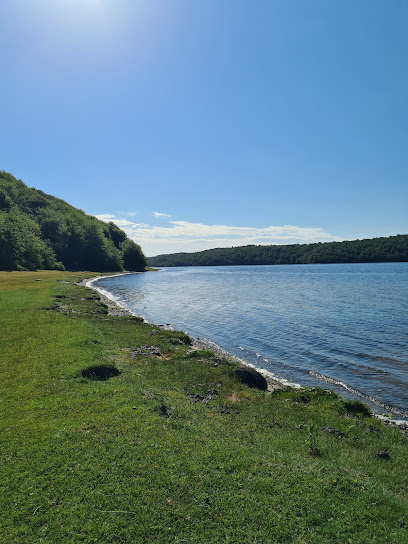
Hotel BramslevGaard
25.9 km
Experience tranquility and history at Hotel BramslevGaard, nestled in the scenic Bramslev Bakker by Mariager Fjord, offering gourmet dining, spa retreats, and easy access to Northern Jutland's natural wonders.
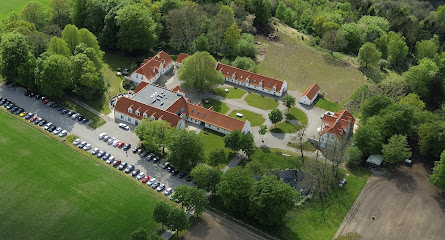
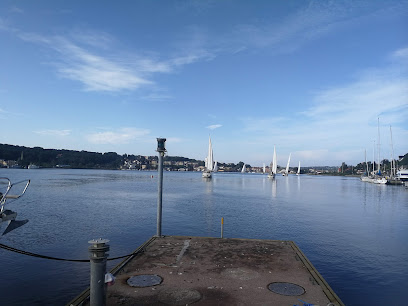
Hobro Lystbådehavn
28.2 km
Denmark's premier fjord marina with historic charm and modern comfort.
Lille Vildmose
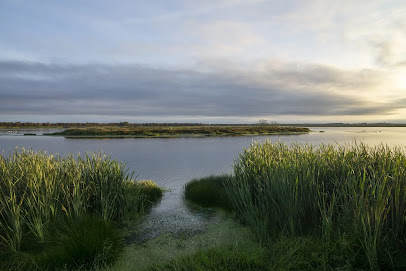
34.6 km
Discover Denmark's largest protected area, Lille Vildmose, a haven for wildlife and a unique raised bog ecosystem, offering immersive nature experiences and conservation insights.
Unmissable attractions to see

Monte Antico
15.4 km
Embark on a captivating journey through Denmark's natural history at Tidsrejsen, Randers Regnskov's expansive outdoor exhibit.
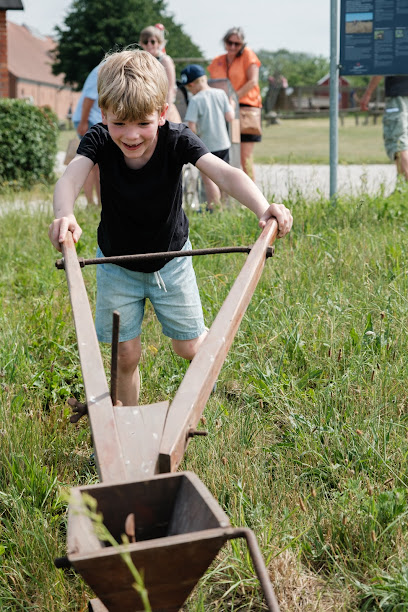
The Green Museum
15.8 km
Denmark's national museum uniting hunting, forests, agriculture, and food heritage in one immersive setting.
Mariager Fjord Golf
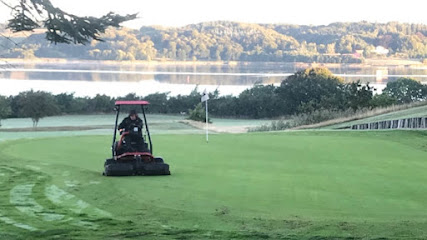
15.8 km
Challenging forest fairways and sweeping fjord views meet at this modern North Jutland golf course above Mariager Fjord, blending technical play with tranquil scenery.
Gammel Estrup Danmarks Herregårdsmuseum
15.9 km
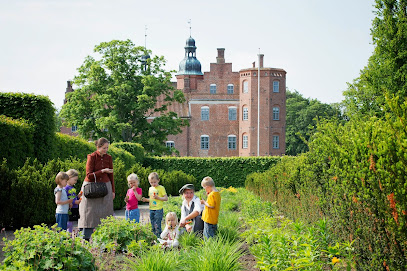
Step across the moat into a Renaissance manor where lavish halls, servant quarters, orchards and forests together tell the layered story of Danish manor life.
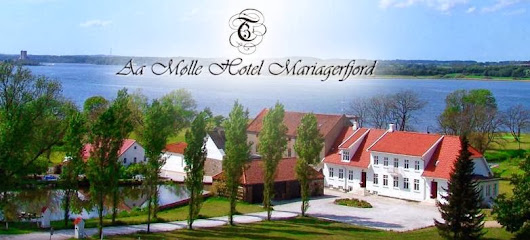
Aa Mølle
15.9 km
Historic fjordside guesthouse near Hadsund, where centuries-old buildings, leafy gardens and wide Mariager Fjord views create a tranquil North Jutland escape.
Verdensskoven
16.0 km
Tropical rainforests brought to life under glass in the heart of Denmark.
Bålplads og sovepladser
16.0 km
Back-to basics fireside overnights on the green fringe of Randers, where simple shelters, crackling flames, and quiet countryside skies define the experience.
Nordre fælled
16.1 km
Randers Kunstmuseum invites you to discover Denmark’s artistic legacy, from classic landscapes to boundary-pushing contemporary art, all in a lively cultural setting.
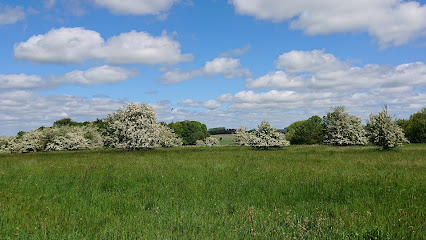
Løvtag
16.3 km
Sleep among the branches in architect-designed treetop cabins near Mariager Fjord, where Nordic minimalism, quiet forest air and rooftop terraces meet high above the ground.
Befrielsessten i Assens
16.6 km
Mariager Strandpark blends sandy shoreline, watersports, and panoramic fjord views—a serene escape and beloved recreation spot in Denmark’s picturesque North Jutland.
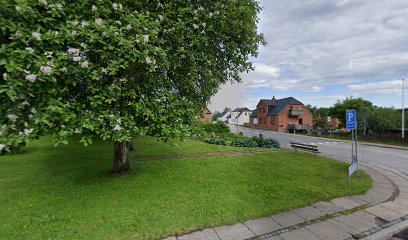
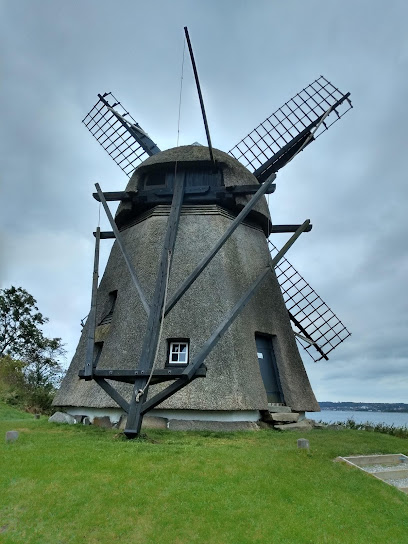
Havnø Mølle
16.7 km
Northern Jutland's oldest active windmill, where 1842 heritage meets living history between fjord and forest.
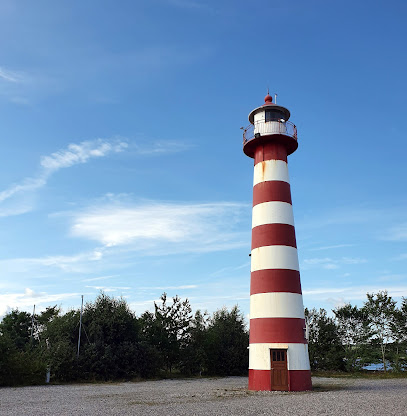
Kongsdal Fyrtårn
16.8 km
Discover Mariager Strandpark, where tranquil lawns, sandy beach, and sweeping fjord views offer a perfect blend of relaxation and natural beauty on Mariager Fjord.
Kongsdal Havn
16.8 km
A picturesque waterfront park in Mariager, offering sweeping fjord views, open green spaces, and a tranquil atmosphere ideal for relaxation or gentle adventure.
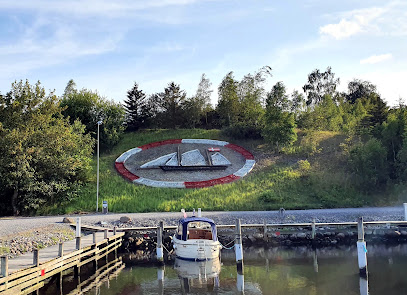
Havnø Gods
17.0 km
Historic rural manor near Mariager Fjord, where yellow-brick wings, a tree-lined avenue and working fields tell a quiet story of Danish manor life.
Dania Kridtgrav
17.3 km
Mariager Strandpark: Picturesque green haven along the fjord’s edge offering sandy swimming, scenic paths, and local charm in Denmark’s historic town of Mariager.
Essential places to dine

Jægerhuset
15.8 km
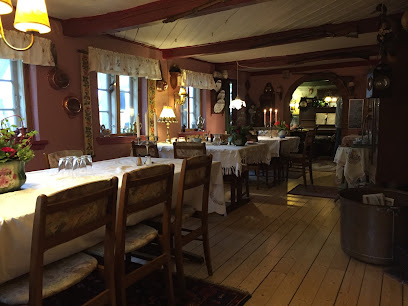
Rustic forest-side restaurant at Als Odde, serving generous traditional Danish comfort food in a nostalgic hunting-lodge atmosphere near the Mariager Fjord.
Star Pizza & Grill
16.5 km
Straightforward pizzas and grill favorites in the heart of Mariager, offering easy takeaway and no-frills dining after a day by the Danish fjord.
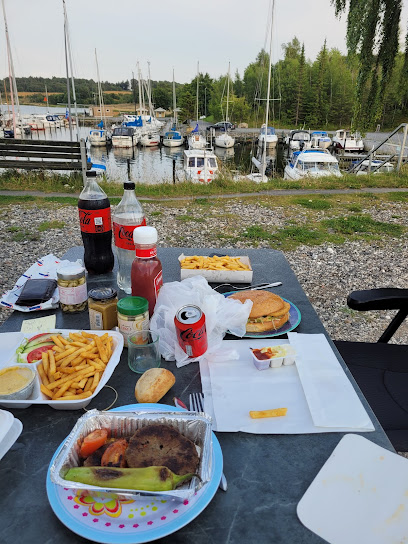
Cafe Fyret Kongsdal
16.7 km
Unpretentious harbour café on the quay at Kongsdal Havn, serving simple, good‑value meals and ice creams with wide‑open views over Mariager Fjord.
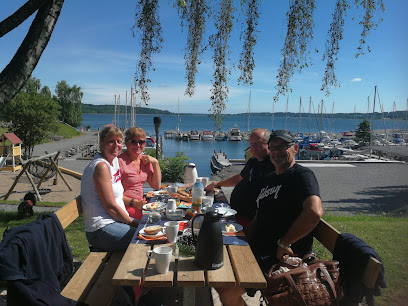
Restaurant Skovbakken ApS
17.2 km
Traditional Danish cuisine in a tranquil forest setting since 1969.
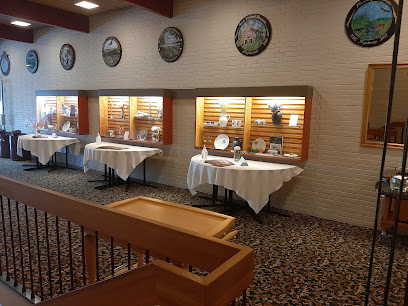
Restaurant Sejlklubben
17.3 km
Casual, family‑friendly Danish cooking on the Randers waterfront, with fjord views from nearly every table and a covered terrace that works in any season.
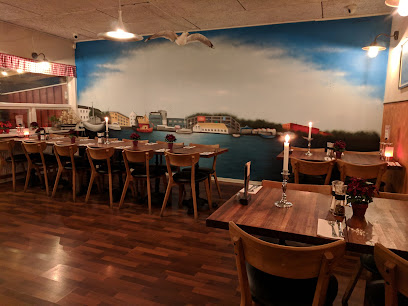
InSushi
17.3 km
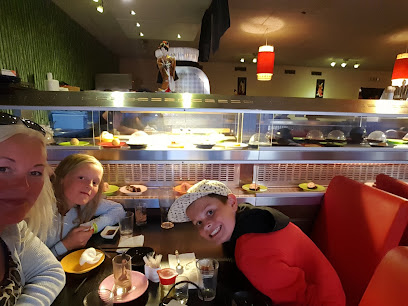
Conveyor-belt sushi and all‑you‑can‑eat Japanese favourites bring colour, movement and casual dining energy to Randers NV every evening of the week.
Færgekroen Hadsund
17.4 km
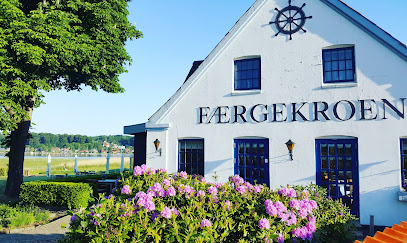
Classic Danish inn and restaurant by the Mariager Fjord, blending hearty kromad, Nordic flavors and simple rooms with wide-reaching views over the water.
Burger Boom
17.7 km
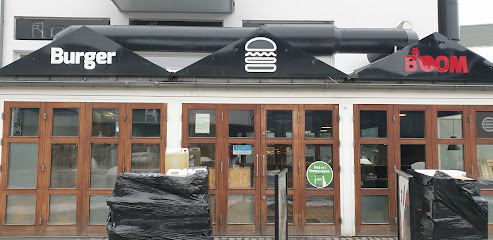
Casual neighborhood burger bar in Randers NV serving Danish-style gourmet burgers, crisp fries and easygoing meals for families, friends and hungry travelers.
Chicago Roasthouse
17.8 km
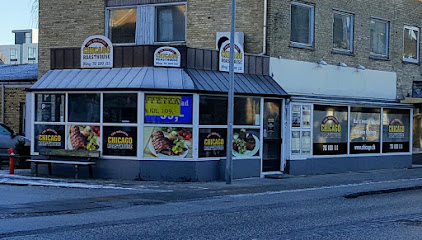
Steakhouse-quality grilled meats served fast in central Randers.
Restaurant Lyokoi
17.8 km
Traditional Japanese sushi and cocktails in a historic Randers setting with all-you-can-eat dining.
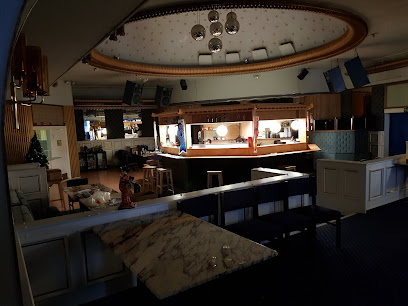
Restaurant Flammen - Randers
17.8 km
All‑you‑can‑eat grill buffet in Randers’ historic former Thor Brewery, where warm lighting, antiques and sizzling meats create an easygoing setting for hearty evenings.
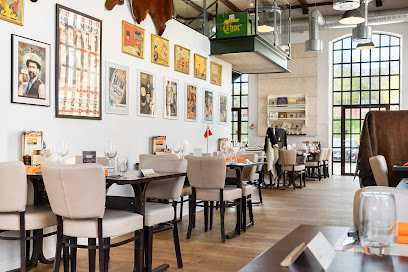
Take away Randers
17.9 km
Unfussy takeaway in the heart of Randers, ideal for a quick, central bite between shops, sights and an easygoing evening in town.
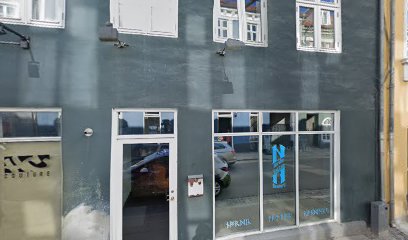
Golden House Kinesisk Restaurant
17.9 km
Generous Chinese buffet, Mongolian barbecue and sushi in a casual, lantern‑lit setting at Thors Bakke, bringing easygoing Asian flavours to central Randers.
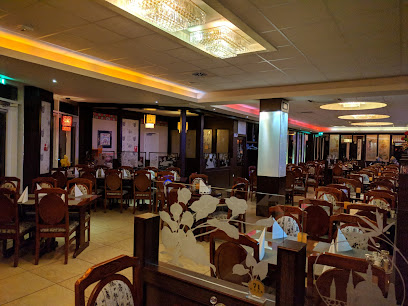
Østergade
17.9 km
Elegant French-inspired fine dining in a historic Randers townhouse, where seasonal Danish ingredients, polished service and a calm, intimate atmosphere set the stage.
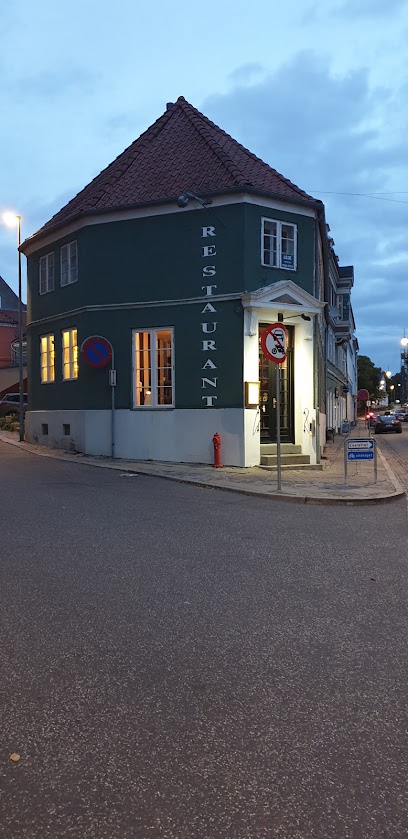
Restauration Orkidee Dania - Mad som man kender
18.0 km
Relaxed fjordside restaurant and event venue at Dania, serving classic Danish dishes, buffets and catering in cozy banquet rooms with wide views over Mariager Fjord.
Markets, malls and hidden boutiques

Din Lokale Outlet - Mariager
16.3 km
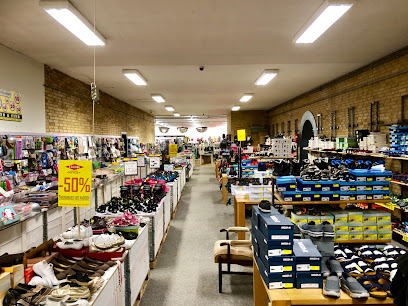
No-frills outlet on the edge of Mariager, gathering discounted fashion, basics and beauty for the whole family into a single, value-focused shopping stop.
Original Nordmann
17.0 km
Rural Danish Christmas tree country, where certified Nordmann firs are grown, selected, and shipped from quiet fields outside Mariager.
SKAGEN MO
17.6 km
Contemporary fashion boutique in the heart of charming Mariager, East Jutland's cultural gem.
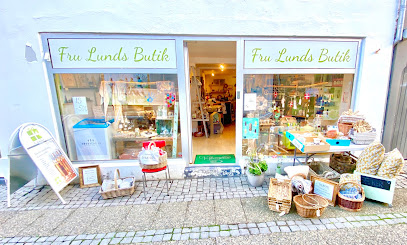
Fru Lunds Butik ApS
17.8 km
Intimate gourmet boutique in central Randers offering Danish delicacies, local specialties and beautifully curated gift baskets in a warm, homely setting.
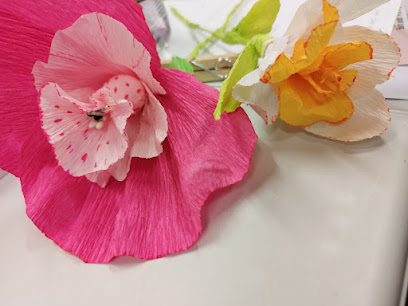
Kreastudiet
18.0 km
Randers' premier creative supply shop for hobbyists, makers, and artistic enthusiasts.
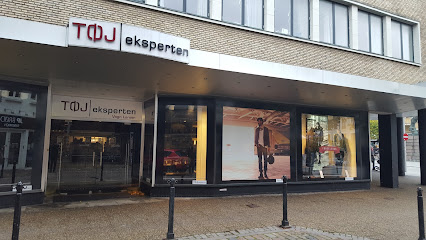
Tøjeksperten
18.0 km
Randers' premier men's clothing specialist with 365-day returns and expert styling guidance.
Ønskehjørnet
18.0 km
A charming little “wish corner” in historic Randers, blending Scandinavian home décor with quality chocolates and delicacies for thoughtful gifts and cosy treats.
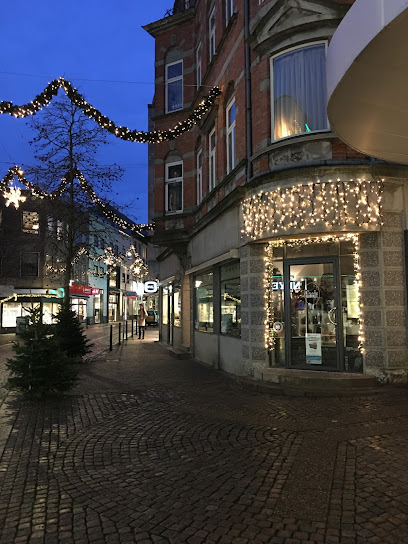
Sinnerup Randers
18.0 km
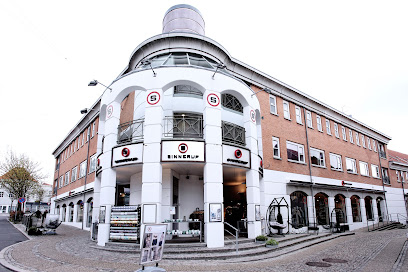
Nordic design, contemporary style, and Scandinavian living under one roof in central Randers.
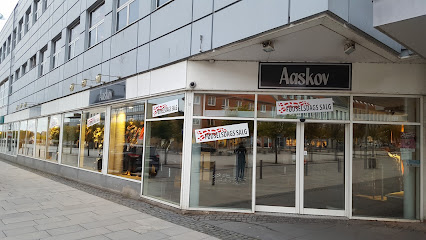
Aaskov Modetøj Randers
18.1 km
Discover timeless elegance and contemporary style at Aaskov Modetøj, Randers' premier women's fashion destination.
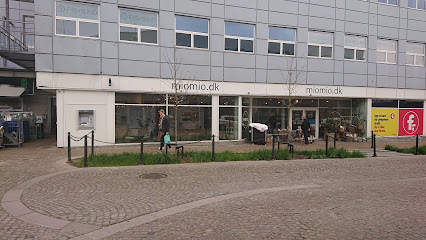
Miomio
18.1 km
An intimate third-floor design nook in central Randers, Miomio pairs Nordic home accessories with thoughtful gifts in a calm, curated upstairs setting.
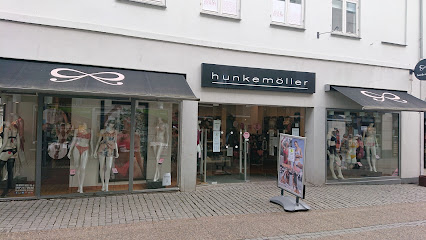
Hunkemöller
18.1 km
Modern lingerie, loungewear and swimwear in the heart of Randers, with fittings, friendly advice and a relaxed, body-positive boutique atmosphere.
H&M
18.1 km
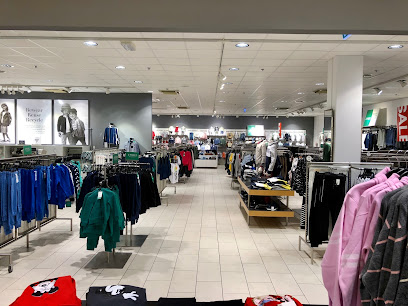
Central Randers high-street fashion stop for affordable basics, seasonal trends and quick wardrobe fixes in a compact, easy-to-browse H&M store.
Uldfisken
18.1 km
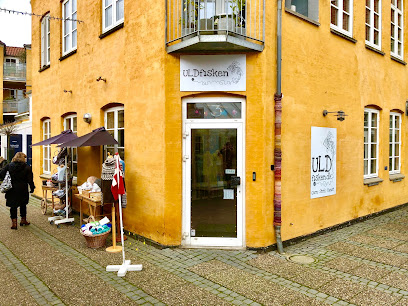
A warm, well-organized yarn store in Randers’ old center, where curated fibers, expert advice and Scandinavian patterns invite you to slow down and create.
Læsehesten Randers
18.1 km
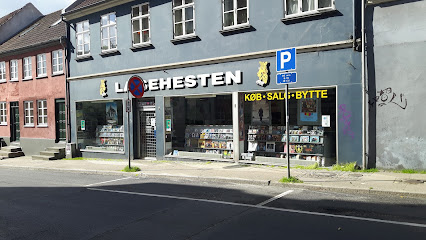
A cozy Randers book and media cave where shelves of used books, CDs and DVDs invite slow browsing and unexpected discoveries in the heart of Adelgade.
Retail ApS
18.1 km
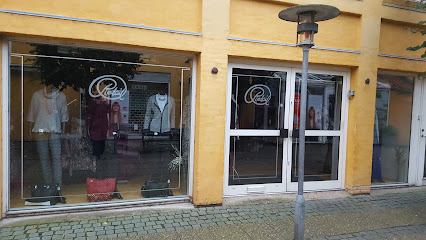
Contemporary fashion in the heart of Randers city centre
Essential bars & hidden hideouts

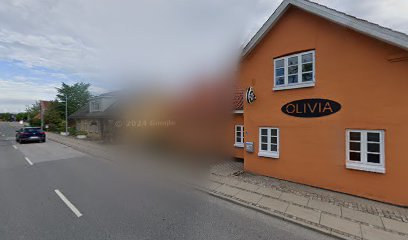
Olivia
16.4 km
Casual Danish beer hall where locals gather for drinks, conversation, and authentic small-town hospitality.
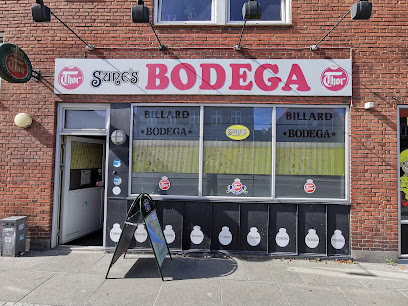
Sunes Bodega
17.8 km
A classic Randers neighbourhood bodega serving cold beers, local stories and uncomplicated hygge from morning until late evening.
Cocktail Klubben
17.8 km
Experience Randers' vibrant nightlife at Cocktail Klubben, where expertly crafted cocktails and a lively atmosphere await.
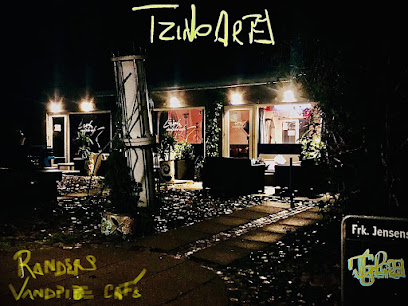
Randers Vandpibecafé
17.9 km
Authentic hookah lounge with cozy vibes, attentive service, and a loyal local following in central Randers.
Downtown Pub
18.0 km
Relaxed local pub in central Randers, pouring cold beer, showing the big games and offering unfussy, down-to-earth nightlife on cosy Slotsgade.
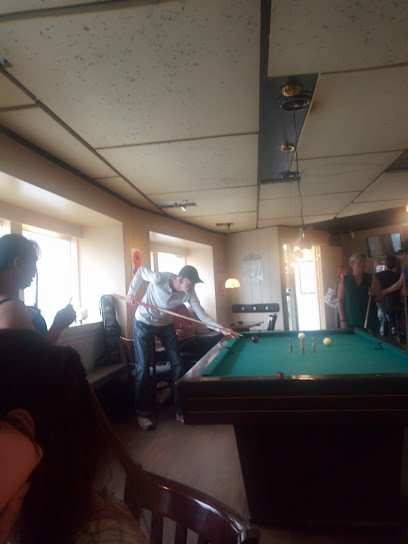
Prima Café & Sportsbar
18.1 km
Central Randers sports bar and gaming lounge with big-screen matches, slot machines and casual snacks from morning until midnight.
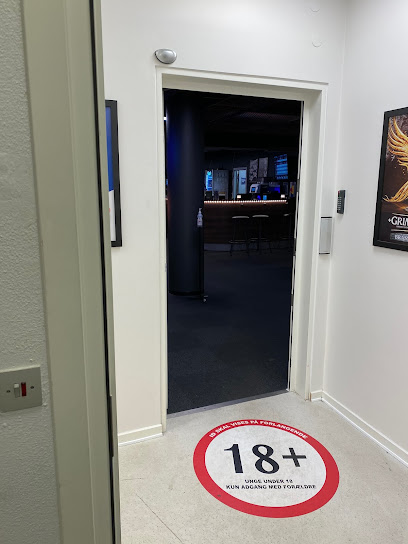
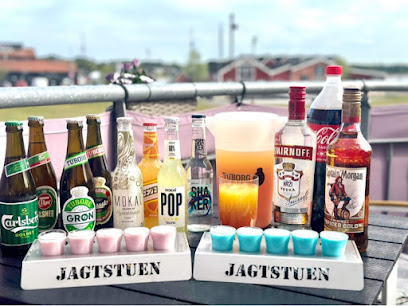
Jagtstuen
18.1 km
Traditional Danish bodega-style bar in central Hadsund, known for its cozy atmosphere and pioneering dementia-friendly approach to everyday social life.
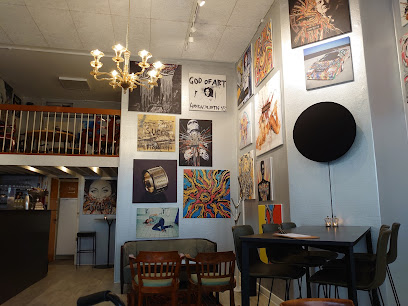
Hotel Randers by Hornsleth, lounge and bar
18.2 km
Art‑driven lounge bar in historic Hotel Randers, mixing Hornsleth’s bold visuals with crafted cocktails and curated wines in the very heart of Randers C.
ar
18.2 km
Unpretentious waterfront bar on Ved Stranden in Hadsund, where simple drinks, fjord views and small-town atmosphere create an easygoing evening stop.
Kælderen
18.2 km
Intimate basement bar at the heart of Hadsund's town square, open for evening gatherings Thursday through Sunday.
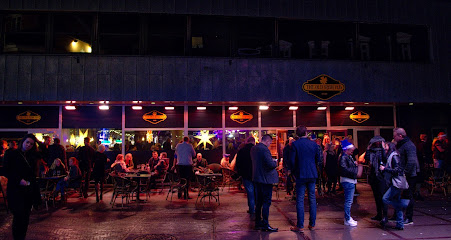
The Old Irish Pub
18.2 km
Lively Irish-inspired bar and late-night party spot in central Randers, mixing pub charm, sports screens, draught beers and DJ-fuelled weekend dance floors.
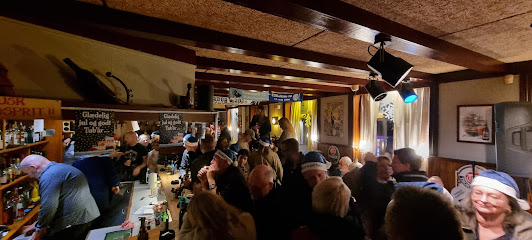
Storkereden
18.2 km
Denmark's cozy brown pub where tradition, warmth, and authentic hospitality converge on Kirketorvet.
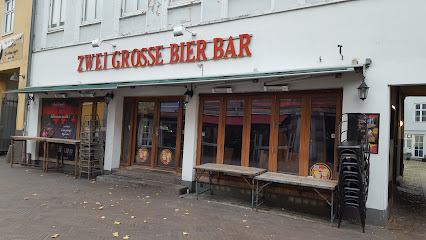
Zwei Grosse Bier Bar, Randers
18.2 km
Après-ski revelry and Alpine party spirit in central Randers—open late Thursday through Saturday.
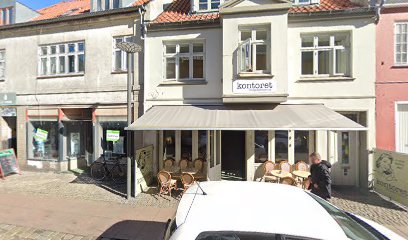
Kontoret
18.2 km
Cosy, low-key bar on Randers’ church square, serving from morning coffee to relaxed evening drinks in the intimate heart of the old town.
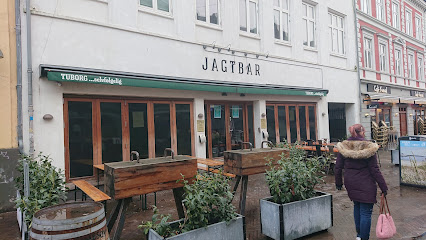
Jagtbar Randers
18.3 km
Hunting-lodge themed bar and nightclub on Randers’ Storegade, blending cosy early-evening drinks with high-energy late-night partying and group celebrations.
Nightclubs & after hour spots

Randers Rave
15.9 km
Compact, bass-heavy nightclub in Randers NØ, where an unassuming façade hides a late-night dance floor fueled by rave-inspired lights, DJs and high energy.
Buddy Holly
29.1 km
Late-night disco hub in central Hobro, where locals and visitors pack the dance floor to chart hits, lights and drinks until the early hours.

Rold Skov Orienteringsklub
37.2 km
Embark on an orienteering adventure with Rold Skov Orienteringsklub in Denmark's captivating Rold Skov forest.
Trehøje Mols
44.3 km
Trehøje in Mols Bjerge: panoramic Bronze Age burial mounds, breathtaking viewpoints, and wild heathland in the heart of Denmark’s national park.
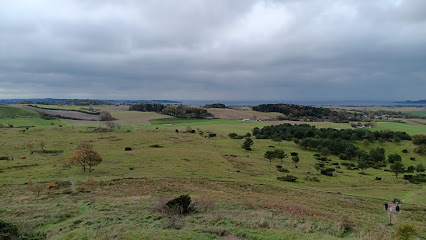
SLM Aarhus
45.4 km
Experience the vibrant LGBTQ+ nightlife at SLM Aarhus, a welcoming gay bar that celebrates diversity and community in the heart of the city.
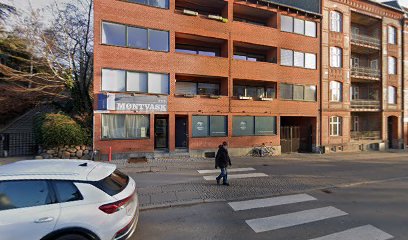
Cafe Paradis - Den Sidste
45.8 km
Unleash your nightlife experience at Cafe Paradis - Den Sidste, Aarhus' top destination for dancing, cocktails, and unforgettable memories.
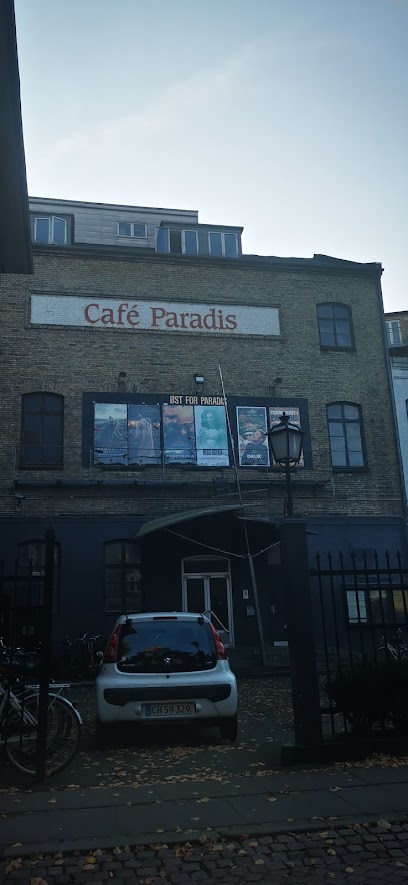
DCD STUDIO
45.9 km
Experience the vibrant rock music scene at DCD STUDIO in Aarhus, where electrifying performances and a lively atmosphere await every visitor.
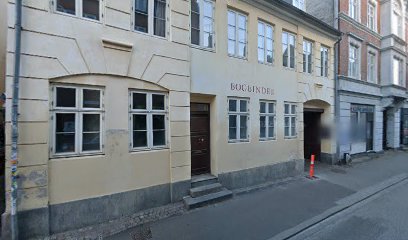
Hornsleth Bar Aarhus
46.0 km
Experience the vibrant nightlife of Aarhus at Hornsleth Bar, where innovative cocktails meet an energetic atmosphere.
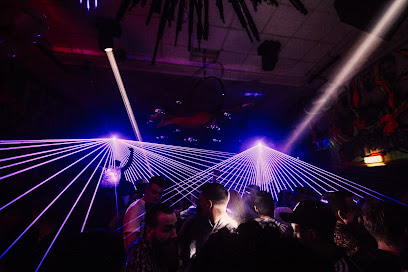
KLUB22
46.0 km
Discover the ultimate nightlife experience at KLUB22 in Aarhus, where electrifying music and vibrant atmosphere await.
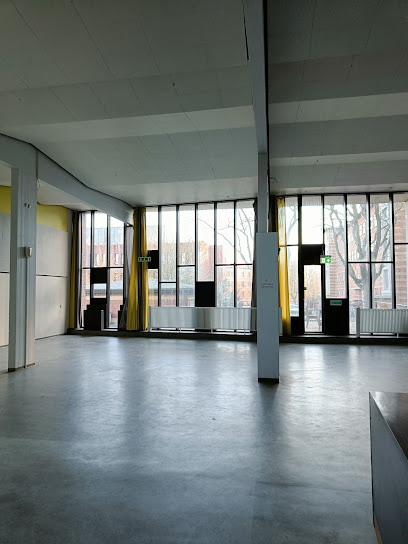
equalclub
46.1 km
Discover the thriving nightlife of Aarhus at Equal Club, where music, dance, and unforgettable experiences come together.
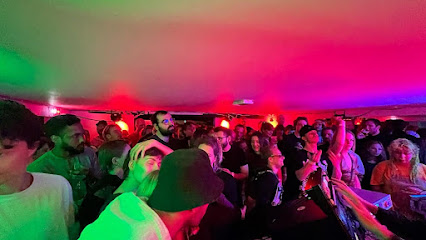
V58
46.1 km
Experience the vibrant nightlife at V58 in Aarhus, where live music meets an energetic atmosphere for an unforgettable night out.
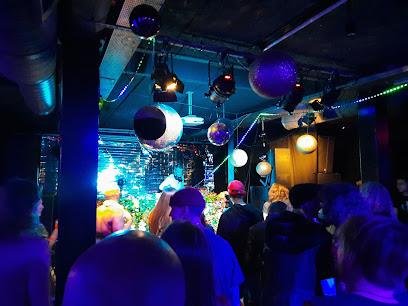
Bernhardt Natklub
46.2 km
Discover Aarhus' premier nightlife destination at Bernhardt Natklub, where cocktails and beats create unforgettable memories.
Bar Smil Aarhus
46.2 km
Discover the lively nightlife at Bar Smil Aarhus, a must-visit night club and bar offering an unforgettable experience in Denmark's cultural hub.
London
46.3 km
Waterfront cocktail bar with twenty signature drinks and late-night dancing for adults 25+
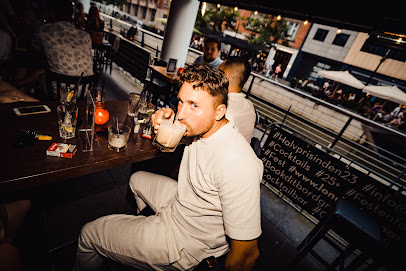
LouLou Aarhus
46.4 km
Experience the vibrant nightlife at LouLou Aarhus, a cocktail bar where creativity meets flavor in the heart of the city.
For the vibe & atmosphere seeker
- Tranquil
- Scenic
- Relaxing
- Unique
- Casual
For the design and aesthetic lover
- Rustic Designs
For the architecture buff
- Parks & Gardens
- Viewpoints
- Landmarks
- Heritage Neighborhoods
For the view chaser and sunset hunter
- Iconic Views
- Panoramas
- Sunrise Spots
- Sunset Spots
- Waterfront
For the social media creator & influencer
- Photo Spots
- Instagrammable
- Reel-Friendly
- Architectural Shots
- Selfie Spots
- Colorful Backdrops
For the eco-conscious traveler
- Protected Area
- Nature Reserve
- National Park
- Public-Transport Accessible
- Locally Managed
- Wildlife Habitat
- Low Impact
- Leave-No-Trace Critical
For the kind of experience you’re after
- Nature Escape
- Photowalk
- Adventure Photo Shoot
- Day Trip
- Roadtrip Stop
- Mindfulness
- Meditation Spot
- Cultural Heritage
- Myth & Legends
For how adventurous you want the journey to be
- Easy Access
Location Audience
- Family Friendly
- Senior Friendly
- Child Friendly
- Teen Friendly
- Solo Friendly
- Couple Friendly
- Solo Female Friendly
- LGBT Friendly
- Vegetarian Friendly
- Vegan Friendly


