Moesgård Forest Mill (Skovmøllen)
A thatched 18th-century watermill deep in Marselisborg Forest, where historic timbered buildings, rushing water and classic Danish cuisine create a timeless woodland retreat.
Tucked deep in the Marselisborg Forest south of Aarhus, Moesgård Forest Mill is a thatched 18th-century watermill turned atmospheric restaurant. The listed timbered buildings sit beside the Giber Å stream, where the mill machinery still evokes centuries of rural life. Today you come for classic Danish dishes, crackling fires and creamy cakes, but also for the woodland setting: birdsong, rushing water and trails that link forest, museum and beach into one easy day out.
A brief summary to Moesgård Forest Mill
- Skovmøllevej 51, Højbjerg, 8270, DK
- Click to display
- Click to display
- Duration: 1.5 to 3 hours
- Mid ranged
-
 Mixed
Mixed
- Mobile reception: 4 out of 5
- Wednesday 11:30 am-5 pm
- Thursday 11:30 am-5 pm
- Friday 11:30 am-5 pm
- Saturday 9 am-5 pm
- Sunday 9 am-5 pm

Know before you go
Hi, I'm Eve. Here are a few practical things to know before exploring Moesgård Forest Mill.
- Book a table for weekend lunches and holidays, as the combination of forest walks and the historic setting makes Skovmøllen especially sought-after at peak times.
- Combine your visit with a walk between Moesgård Museum and Moesgård Beach, using the mill as a halfway stop for coffee, cake or a leisurely meal.
- Wear sturdy shoes in wet weather; forest paths around the mill and along Giber Å can be muddy and slippery after rain, especially on slopes and wooden bridges.
- Arrive a little before your reservation to wander the courtyard, stream and exterior millworks; the half-timbered buildings are particularly photogenic in soft light.
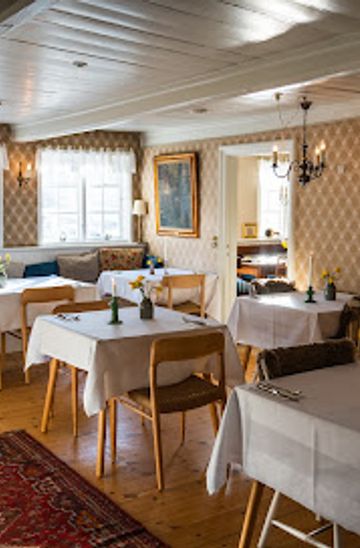
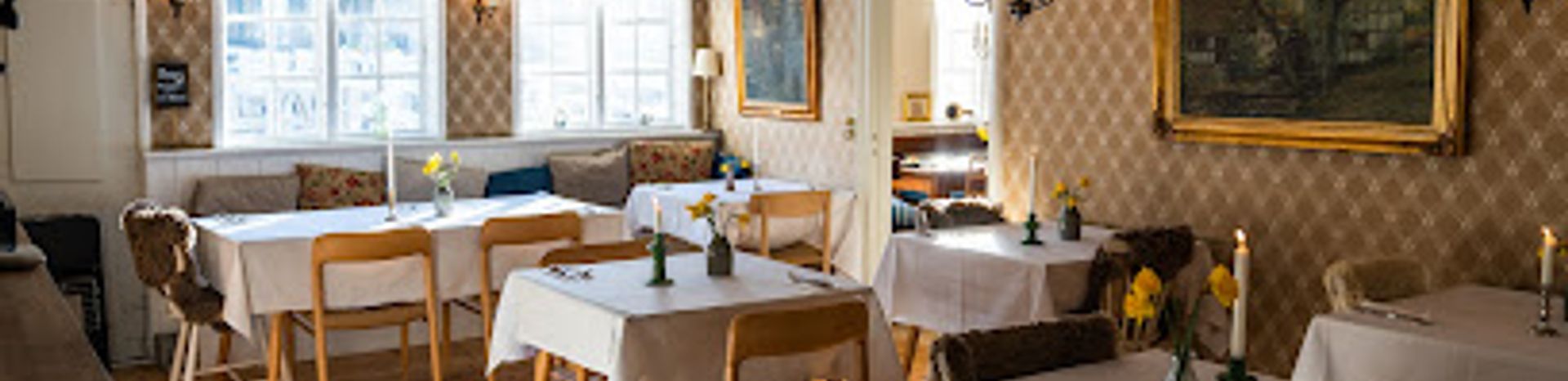
- In cooler months, ask for a table in one of the smaller dining rooms for a particularly snug, old-world atmosphere under beams and thatched roof.
Do you manage this location?
Take control to get all the benefits, like improved information, better appearance, and stronger visibility across AI-powered discovery. Learn more
Activate your presenceOther nearby places you may find interesting
Getting There
-
City bus from Aarhus center
From central Aarhus, use a city bus line serving the Moesgård area; the journey typically takes around 20–30 minutes depending on traffic. A standard single ticket within the city fare zones usually costs in the range of 20–30 DKK per adult. Buses run frequently during the day but less often in the evening, and you should be prepared for a short walk on forest paths from the nearest stop to reach the mill, which may include uneven ground.
-
Taxi or rideshare within Aarhus
A taxi ride from the inner city of Aarhus to Moesgård Forest Mill generally takes 15–20 minutes in normal traffic. The fare is commonly in the range of 180–260 DKK one way, depending on time of day and exact starting point. Taxis can usually drop you close to the entrance on Skovmøllevej, but in wet weather the narrow forest road may require slower driving, and it is wise to confirm pick-up arrangements for the return trip.
-
Cycling from Aarhus neighborhoods
For confident cyclists, reaching the mill by bike from central districts of Aarhus typically takes 25–40 minutes, using a combination of city cycle lanes and quieter roads towards Højbjerg. The final approach includes gentle hills and sections through or along the forest, with some stretches potentially muddy or covered in leaves after rain. There is usually informal space to secure a bicycle near the buildings, but you should bring a lock and lights if returning after dusk.
-
Car from Greater Aarhus or Jutland
Arriving by car from elsewhere in Aarhus or surrounding Jutland towns usually takes 15–30 minutes once you enter the city limits, depending on traffic. Expect to use local roads toward Højbjerg and then follow signs for Moesgård and the forest area. Parking options near the forest and museum are often free or modestly priced, but spaces can be busy on sunny weekends and holidays, and you may need to walk on forest tracks from your parking spot to the mill.
For the on-the-go comforts that matter to you
-
 Restrooms
-
 Drink Options
-
 Drinking Water
-
 Food Options
-
 Seating Areas
-
 Sheltered Areas
-
 Trash Bins
-
 Information Boards
Discover more about Moesgård Forest Mill
A historic mill hidden in the Marselisborg trees
Moesgård Forest Mill, or Skovmøllen, sits in a clearing of Marselisborg Forest, a few kilometres south of central Aarhus yet feeling a world away. The complex began as a working watermill on the Giber Å stream and evolved into the timbered, thatched farmstead you see today. Protected as a listed building, it forms a rare surviving example of a Danish forest mill where industrial heritage, rural life and nature converge.The mill’s story reaches back to the 16th century, when documents first mention milling activity here connected to nearby Moesgård Manor. For centuries grain from the estate and surrounding farms was hauled through the woods, ground between the millstones and sent back as flour and animal feed. Though the region has modernised, the buildings preserve the proportions and atmosphere of that working past.From working waterwheel to living museum piece
The mill buildings took on their current appearance in the late 18th and 19th centuries. The main mill house dates from 1785, later heightened to add a full upper floor, while the farmhouse wing followed in the 1820s. Thick boulders form the base, above which whitewashed infill is framed by dark timber, and a deep straw thatch softens the roofline. Inside, wooden beams, uneven floors and small-paned windows reveal how little the basic structure has changed.Although commercial milling ceased long ago, the essential machinery remains in place. The preserved waterwheel, gears and millstones speak to an age when mechanical power came from flowing water rather than electricity. On selected days the equipment may be demonstrated, transforming the tranquil scene into a rhythmic clatter of cogs and splashing water that hints at the site’s original purpose.A forest restaurant with classic Danish flavours
Today the heart of Moesgård Forest Mill beats in the restaurant installed on the old ground floor. Here the historic setting frames a menu built around traditional Danish fare: open-faced smørrebrød on dense rye, warm dishes that follow the seasons, and pastries that pair naturally with an afternoon coffee after a long walk. The creak of old floorboards, low ceilings and candlelight give a sense of dining in a country farmhouse rather than a city restaurant.In fine weather, tables often spill into the cobbled courtyard and terraces overlooking the stream. It is easy to linger over lunch as you watch sunlight flicker through the leaves or autumn mist drift along the valley. In colder months, the draw shifts indoors, to cosy rooms where heavy beams and thick walls keep the chill of the forest firmly outside.Where trails, water and woodland meet
Part of the appeal of Skovmøllen lies in its position at the junction of several forest paths. Walkers descend from the Moesgård Museum plateau, follow the Giber Å along wooden bridges or head onward towards Moesgård Beach and the Kattegat shore. The mill becomes a natural waystation: somewhere to warm up with soup on a rainy day, or to reward a summer hike with ice cream and coffee beside the water.The immediate surroundings are richly textured. The narrow valley, shaded by beech and other deciduous trees, frames the buildings in shifting greens through spring and summer, rust and gold in autumn, and stark silhouettes in winter. The constant murmur of the stream and occasional splash of ducks or song of forest birds add to the sense of being embedded in a living landscape.A gentle escape on the edge of Aarhus
Although close to Denmark’s second-largest city, Moesgård Forest Mill still feels like a small rural enclave. The combination of heritage architecture, functioning mill technology and thoughtful dining gives it a character that is both nostalgic and quietly contemporary. It works equally well as a destination for a long, convivial lunch or as a brief pause on a longer exploration of the forest, museum and coast.Whether you come for the history of the listed buildings, the taste of classic Danish dishes or the simple pleasure of sitting by a forest stream, the mill offers an inviting window into a slower, more pastoral side of the Aarhus area.Explore the best of what Moesgård Forest Mill has to offer







More about East Jutland
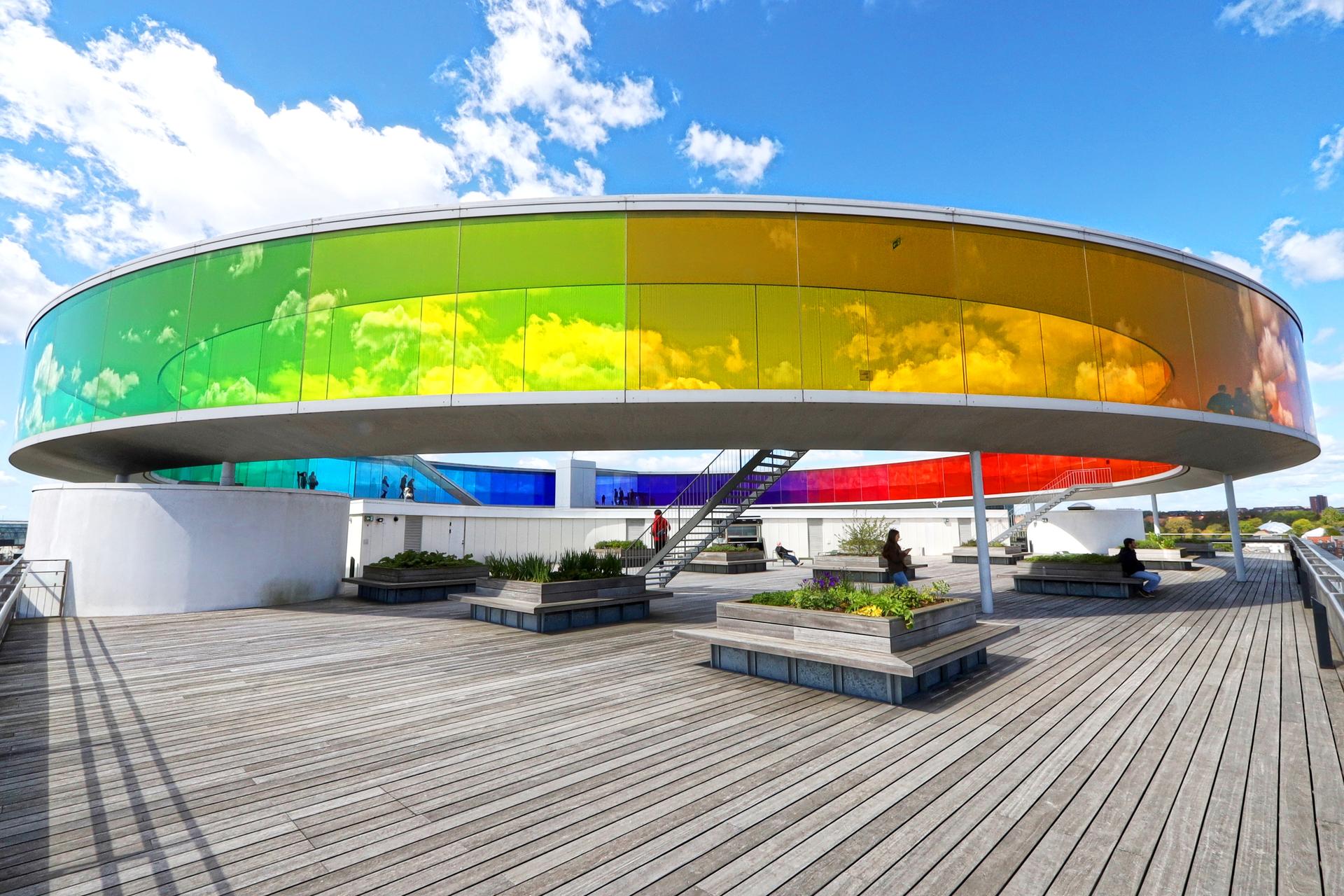
Discover East Jutland, Denmark's enchanting region blending vibrant cities, rich history, and stunning natural landscapes, perfect for every type of traveler.
Tell me more about East Jutland
Inventive Nordic dining and precision cocktails served in a century‑old Aarhus pharmacy, where historic apothecary charm meets contemporary mixology.
Historic forest mill turned cosy restaurant, serving seasonal Danish classics in light-filled rooms where Aarhus’ woodland scenery feels just an arm’s length away.