Kalø Castle, Mols Bjerge Travel Guide
Wind-swept medieval ruins, a 700‑year‑old cobbled causeway and wide views over Kalø Vig make this former royal stronghold a moody highlight of Mols Bjerge.
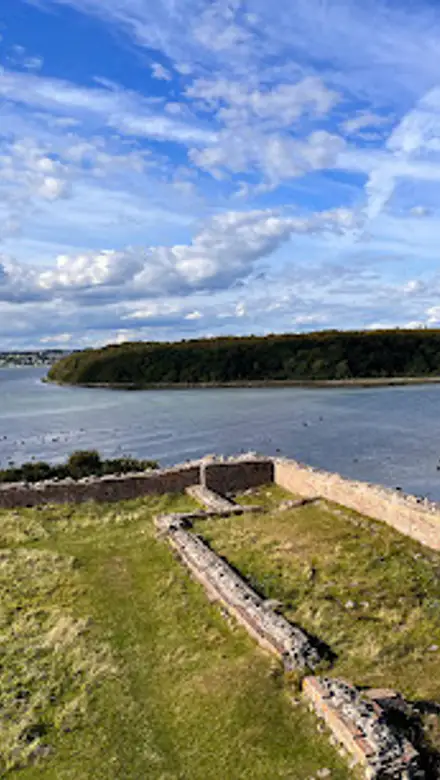
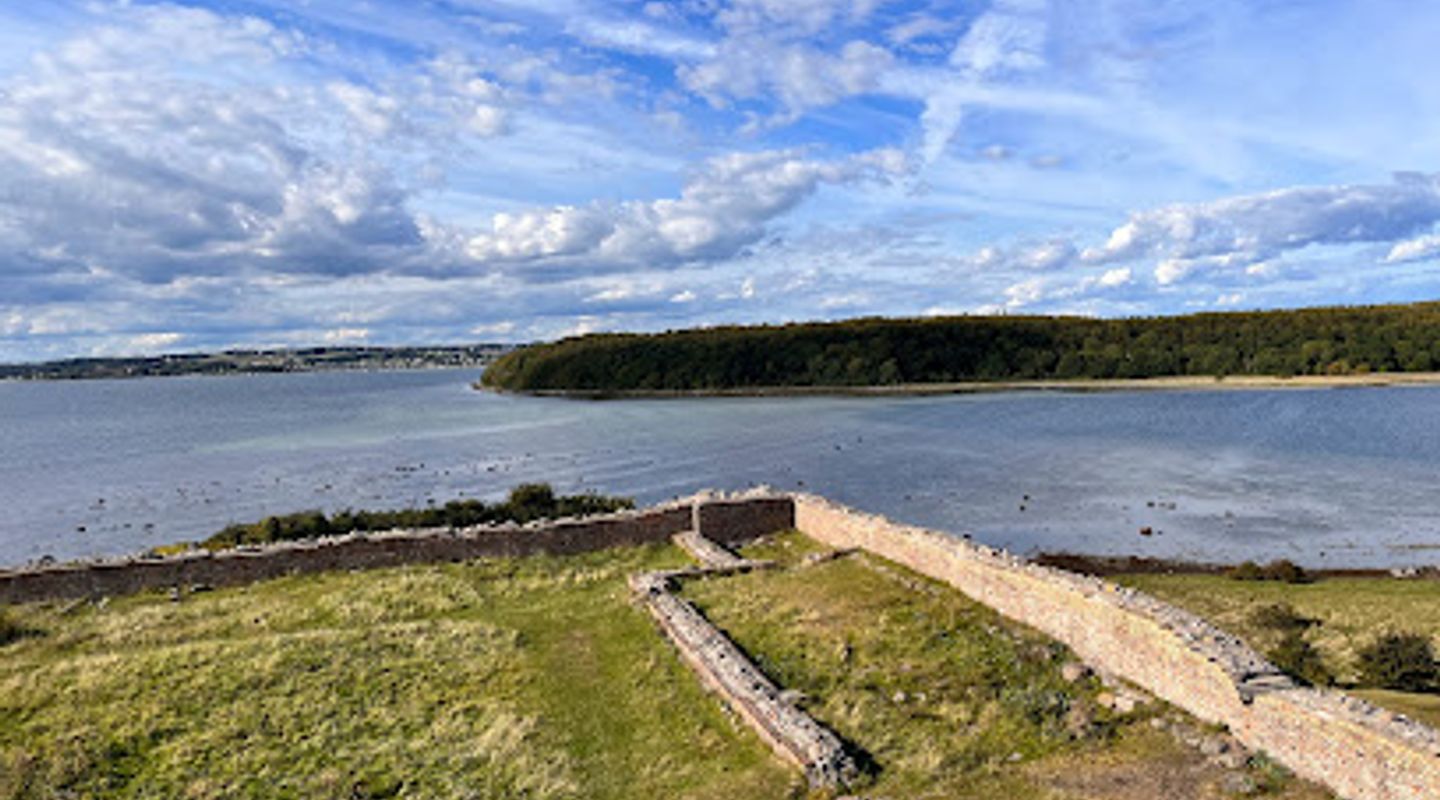
Set at the end of Denmark’s longest medieval cobbled road, Kalø Castle Ruins rise over Kalø Vig on a small peninsula in Mols Bjerge National Park. Built in 1313 by King Erik Menved to subdue rebellious Jutland peasants, the fortress later became a manor and prison, famously holding future Swedish king Gustav Vasa. Today, visitors wander the atmospheric brick remains, climb the restored tower interior and drink in sweeping coastal views and rolling moraine hills shaped by the Ice Age.
A brief summary to Kalø Castle
- Molsvej 31, Rønde, 8410, DK
- Click to display
- Duration: 1 to 3 hours
- Free
-
 Outdoor
- Mobile reception: 4 out of 5

Know before you go
Hi, I'm Eve. Here are a few practical things to know before exploring Kalø Castle.
- Wear sturdy shoes: the 500‑metre cobbled causeway and grassy slopes around the ruins can be uneven, slippery in rain and exposed to strong coastal winds.
- Bring a windproof layer, even in summer, as the site sits open above the bay with little shelter on the approach or around the castle hill.
- Allow extra time to climb the tower interior; the modern staircase offers superb viewpoints and chances to examine the medieval brickwork up close.
- Combine your visit with short walks in Hestehave or Ringelmose Forest for contrasting woodland views back towards the ruins and Kalø Vig.
- Photographers should aim for early morning or late afternoon when low light sculpts the brickwork and the surrounding moraine hills in warm tones.
Do you manage this location?
Take control to get all the benefits, like improved information, better appearance, and stronger visibility across AI-powered discovery. Learn more about listing your business on Evendo
Activate your presenceOther nearby places you may find interesting
The closest places of the same kind, if this one is not quite what you had in mind.

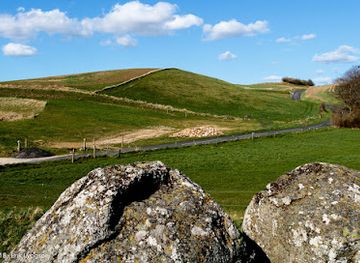
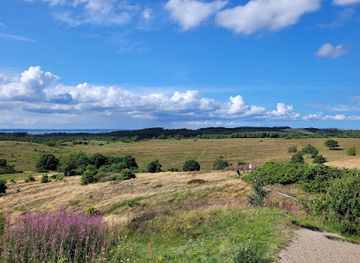
Explore Kalø Castle on the Map
A handpicked selection of must-see spots near Kalø Castle, mapped for you.
Getting There
-
Bus from Aarhus
From central Aarhus, take regional bus 123 towards Rønde and get off at the Kalø Castle Ruins stop near Molsvej; the journey typically takes 35–45 minutes, with buses running roughly every 30–60 minutes during the day. A one-way adult ticket on this route usually costs around 40–60 DKK, and from the stop it is a short, level walk on paved and gravel surfaces to the start of the medieval causeway.
-
Car from Aarhus
Driving from Aarhus to Kalø Castle Ruins generally takes 25–35 minutes, following main regional roads through the Aarhus Bay area to Rønde and on towards Molsvej. There is a free public parking area close to the shoreline, but spaces can fill up on sunny weekends and summer afternoons. From the car park, visitors continue on foot along the historic cobbled causeway, which is not accessible to vehicles.
-
Cycling from Rønde
From Rønde town centre, cyclists can follow local roads and cycle-friendly routes towards Kalø, reaching the castle area in about 20–30 minutes depending on pace and wind. The route includes some rolling hills typical of the Mols Bjerge landscape, so moderate fitness is helpful. Bicycles must be left near the parking area or at the start of the causeway, as the cobbled stretch and castle hill are reserved for pedestrians.
-
Walking from nearby accommodation
Travellers staying in guesthouses or campsites within a few kilometres of Kalø can walk to the site in roughly 30–60 minutes, depending on starting point. Paths and minor roads in the area are generally well maintained but may include gentle hills, farm tracks and exposed stretches along open fields. Good walking shoes and weather-appropriate clothing are advisable, especially outside the summer season when wind and rain are more frequent.
For the on-the-go comforts that matter to you
-
 Restrooms
-
 Trash Bins
-
 Information Boards
-
 Seating Areas
Discover more about Kalø Castle
A medieval stronghold at the edge of the bay
Kalø Castle was founded in 1313 by King Erik Menved after he crushed a Jutland peasants’ revolt, part of a chain of royal fortresses meant to keep the local nobility and farmers firmly under control. Raised on a small island-like promontory in what is now eastern Jutland, the castle commanded Kalø Vig and the surrounding coastline, projecting royal power deep into Djursland. Its thick brick and stone walls, deep moats and ringwalls made it one of the most formidable strongholds in the region.The approach itself underlines its military purpose. A straight, roughly 500‑metre cobbled causeway links the mainland to the castle hill, widely regarded as the longest surviving medieval road in Denmark. As you walk it today, with the wind off the bay and the cry of seabirds overhead, it is easy to imagine mounted messengers, supply carts and royal retinues making the same journey seven centuries ago.Architecture, innovation and royal might
For its time, Kalø was considered a remarkably modern fortress. It featured a flanking tower, among the earliest of its kind in Denmark, allowing defenders to cover the castle walls with crossfire and control any attempt to assault the gate. Steep earth ramparts and water-filled ditches added further layers of protection, turning the island into a compact but daunting defensive system.Inside the walls, the castle complex included a main tower, residential ranges, storerooms and service buildings clustered around a central courtyard. Over the centuries Kalø shifted from frontier fortress to regional administrative manor, overseeing estates across Djursland. Later it gained a reputation not only as a political centre but as a state prison, its isolated location and strong walls lending themselves perfectly to confinement.Prisoners, power shifts and deliberate ruin
Among those once held here was Gustav Vasa, later King of Sweden, who spent 1518–1519 imprisoned at Kalø before making a daring escape that helped set the stage for Sweden’s break with Denmark. His story adds a layer of Nordic drama to these quiet foundations, linking the windswept ruin directly to the emergence of a new kingdom across the Kattegat.By the mid‑17th century, Kalø’s military and administrative role had faded. Wars with Sweden and the establishment of absolute monarchy in 1660 diminished its strategic importance, and the buildings slipped into neglect. Rather than allow the castle to decay slowly, its owners chose to “recycle” it: valuable brick and stone were systematically dismantled and shipped away, notably to help construct Charlottenborg Palace in Copenhagen. The ruin you see today is not only the work of time and weather, but of deliberate deconstruction that mirrors Denmark’s shifting centres of power.Landscape shaped by ice and human hands
Set within Mols Bjerge National Park, Kalø Castle Ruins are framed by gently rolling moraine hills formed during the last Ice Age. The bay, forests and fields around Kalø Vig create a natural amphitheatre, with the ruins on their low hill as the focal stage. To one side lie Hestehave and Ringelmose forests, offering shaded viewpoints back towards the castle and out over the water.Archaeological finds in the shallows near the causeway reveal traces of Stone Age settlements, showing that people have exploited the rich fishing grounds here for thousands of years. From prehistoric hunters to medieval peasants forced to haul stone for the king, generations have shaped this shoreline. Today, grazing animals, walking paths and careful conservation keep the landscape open, so the relationship between fortress, bay and hills remains easy to grasp.Exploring the tower interior and views today
Modern restoration has stabilised the ruin and opened new ways to experience it. Inside the main tower, a light-footed steel and wood staircase now threads upwards, allowing visitors to climb through the surviving shell without overloading the ancient brickwork. At each level you can study the exposed masonry, window openings and niches, gaining a sense of the tower’s original height and interior spaces.At the top, glass-fronted platforms and openings frame expansive views: to the west, the town of Rønde and surrounding farmland; to the east and south, the curve of the bay and, on clear days, the distant hills of Mols Bjerge. The combination of raw medieval walls and precise contemporary detailing adds a surprising architectural richness, making the ruin both a historical monument and a quietly striking piece of design.Atmosphere, seasons and practical experience
Kalø Castle Ruins are open at all hours, and the experience changes with the light and weather. On bright summer days the causeway can feel almost seaside‑holiday in character, with families, cyclists and picnickers spreading out along the grass and shoreline. In mist, rain or winter dusk, the silhouette of the broken tower becomes far more brooding, the wind pushing waves against the stones below.The walk from the parking area is straightforward but exposed, so appropriate clothing and footwear are useful, especially outside high summer. Information boards near the start of the causeway and by the ruin help you decode what you are seeing, from wall lines and gate positions to stories of prisoners and kings. Whether you come for history, architecture, photography or simply a contemplative stroll above the water, Kalø rewards an unhurried visit and a willingness to let the landscape and ruins speak together.












Your all‑in‑one travel companion app
Explore expert travel guides, compare and book tours, experiences, hotels, and more—all from the palm of your hand. Download now for seamless trip planning wherever your wanderlust takes you.


Explore More of Mols Bjerge
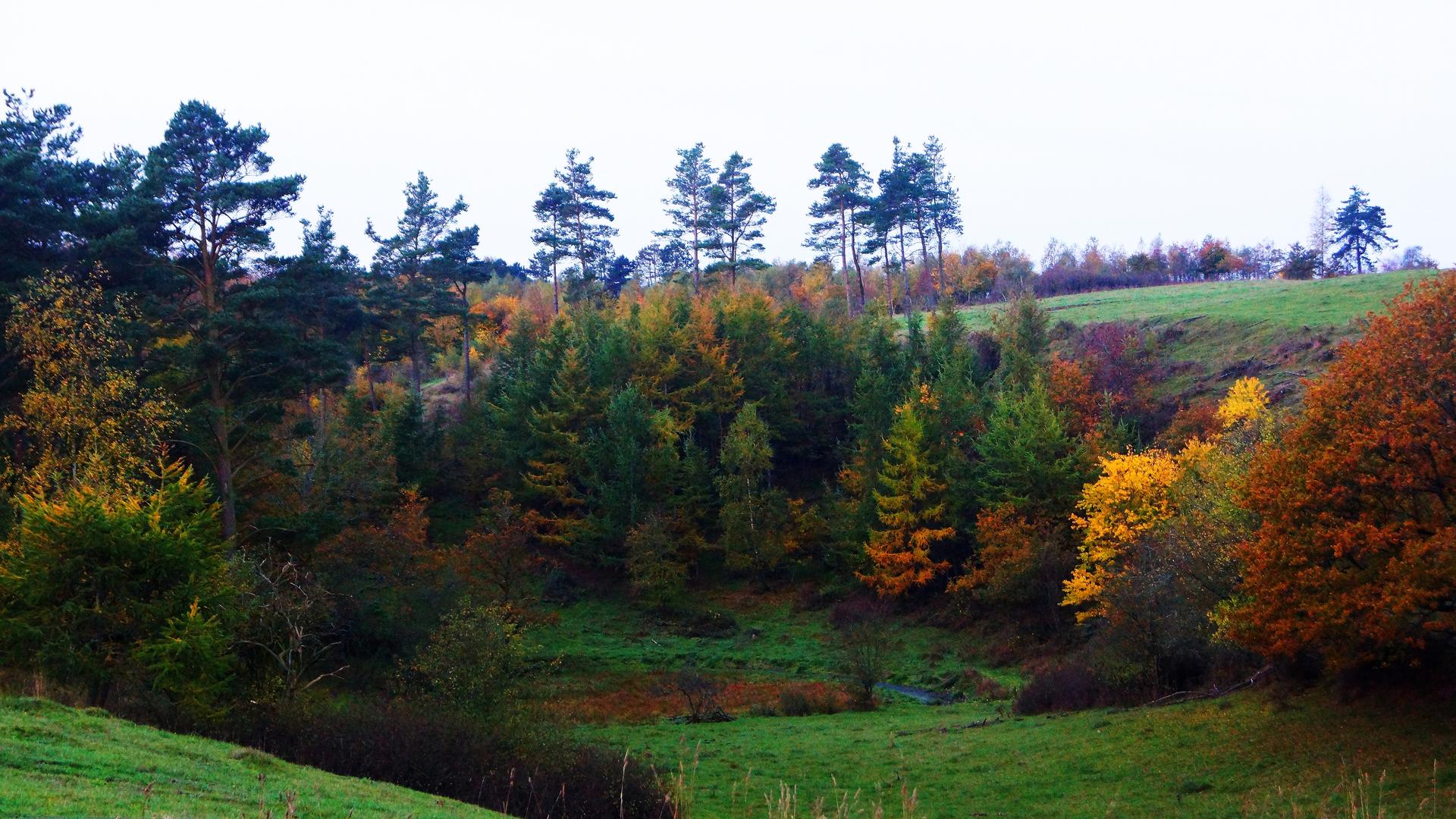
Looking beyond Kalø Castle? Discover Mols Bjerge for broader travel guides, local hot-spots, and regional highlights.
Explore Mols Bjerge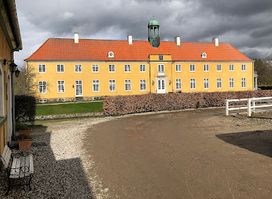
Historic yellow‑timbered manor, working estate and atmospheric rural retreat on the edge of Mols Bjerge National Park in scenic East Jutland.
Denmark's Ice Age masterpiece: rolling glacial hills, ancient forests, and 80 kilometers of certified hiking through millennia of natural and cultural heritage.