

Mols Travel Guide
Free Guide: A softly contoured Danish peninsula of hills, heather and shallow bays, where Mols Bjerge’s wild ridges meet quiet villages, manor fields and long, sheltered beaches.


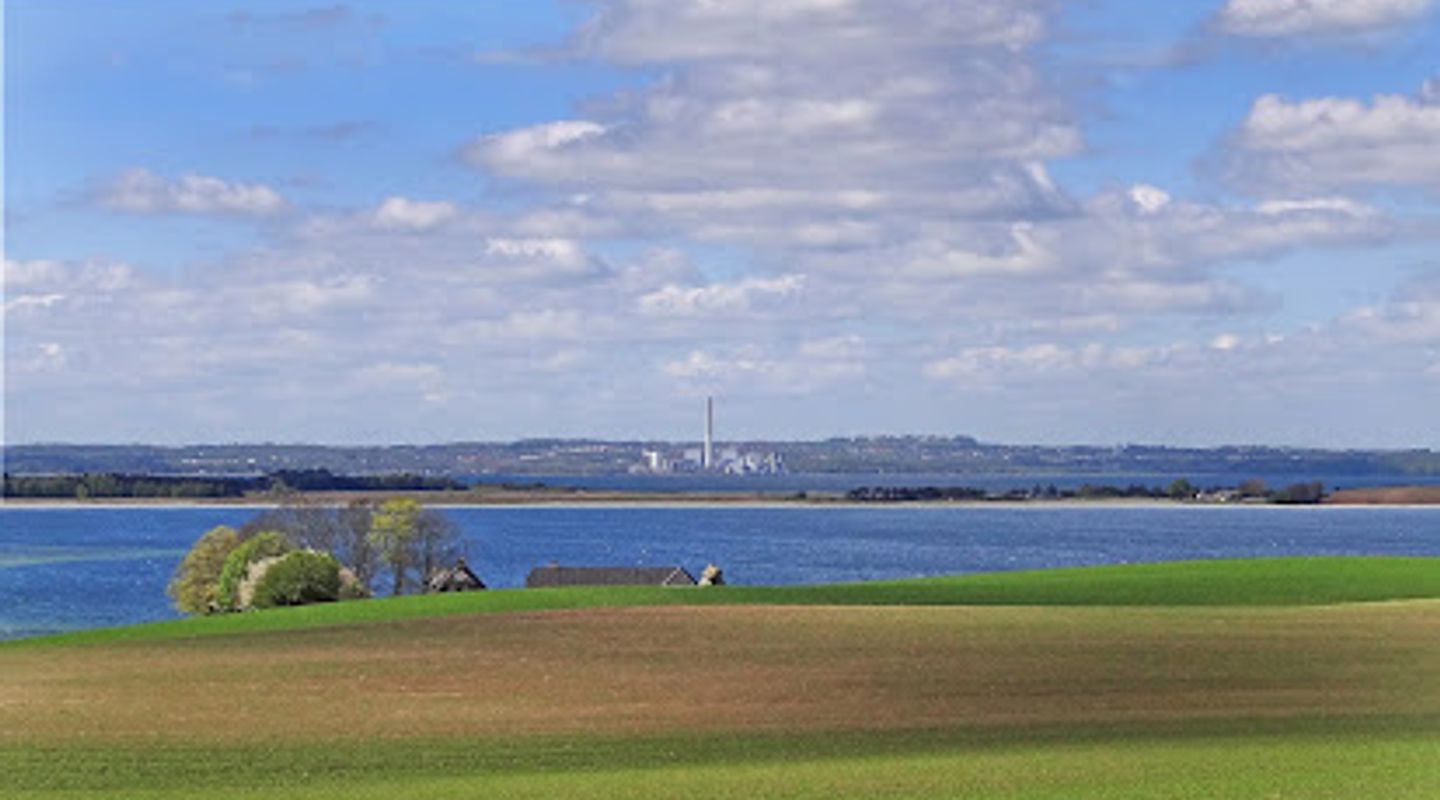
A brief summary of Mols
A softly contoured Danish peninsula of hills, heather and shallow bays, where Mols Bjerge’s wild ridges meet quiet villages, manor fields and long, sheltered beaches.
Mols is a gently hilly peninsula jutting into the Kattegat on Djursland in East Jutland, best known for the dramatic landscapes of Mols Bjerge National Park. Here, Ice Age hills, heather-clad slopes and deep kettle holes meet sheltered bays, sandy beaches and old farming villages around Knebel and Ebeltoft. The area blends wild nature, Bronze Age burial mounds and medieval ruins with quiet country roads, seaside holiday homes and small harbours, making it a classic Danish escape for walking, cycling and slow coastal holidays.
On-site amenities
 Restrooms
 Drink options
 Drinking water
 Food options
 Seating areas
 Picnic areas
 Trash bins
 Information boards
 Visitor centre
 Sheltered areas
- Address
- 8420 Knebel
Getting there
Car from Aarhus
Bus from Aarhus to Knebel area
Car from Aarhus Airport (Aarhus Lufthavn)
Cycling from Ebeltoft
Discover more about Mols
Shaped by Ice and Sea on Denmark’s East Coast
Mols is a broad peninsula on Djursland in East Jutland, its outline reaching into the Kattegat between sheltered coves and low headlands. Inland, the terrain rises into rolling hills formed during the last Ice Age, where ridges, deep hollows and sandy soils create a varied patchwork of woodland, heath and open farmland. Out toward the coast the landscape levels into meadows, reed-fringed inlets and long, shallow beaches that make the area feel both maritime and agricultural at once.The peninsula’s shoreline is deeply indented, with bays such as Knebel Vig and Ebeltoft Vig cutting far inland. Small harbours, bathing jetties and clusters of summer cottages dot the water’s edge, while narrow roads wind between fields and stone hedgerows. On clear days you can see across to the island of Hjelm and further along the Djursland coast, giving a strong sense of Mols as part of a wider seascape.
The Wild Uplands of Mols Bjerge
At the heart of the peninsula lies Mols Bjerge, a protected national park famed for its steep ridges, sunlit grasslands and wide horizons. Here, former grazing lands and dry hillsides host rare plants and insects, while scattered stands of oak, beech and conifer create pockets of shade amid the open slopes. The terrain rises to viewpoints such as Trehøje, where the ground falls away on several sides and the sea appears in multiple directions.In some areas, hardy horses and cattle graze freely, keeping the hills open and giving the landscape an almost steppe-like character. Paths and waymarked trails criss-cross the hills, from short loops suitable for casual walkers to longer routes linking villages, burial mounds and forest lakes. Away from the main viewpoints it is easy to find pockets of quiet where wind in the grass and birdsong dominate.
Layers of History in a Rural Peninsula
Mols holds traces of human presence stretching back thousands of years. On high ridges, Bronze Age burial mounds stand as rounded silhouettes above the heather, their positions chosen for visibility across land and sea. In low-lying areas, reconstructed Stone Age tombs and long barrows around Djursland show how early farming communities settled and marked the landscape.Closer to the coast, the medieval ruin of Kalø Castle sits on its own small spur of land, once guarding access to the bay and surrounding estates. Around it, old manor landscapes with avenues, shelterbelts and fields testify to centuries of agricultural management. Villages such as Knebel and the wider rural parish are still built around churches, farms and small workshops, giving a sense of continuity rather than rapid change.
Everyday Life Between Villages and Holiday Homes
Modern Mols is a mix of year-round communities and seasonal life. In places, classic Danish summer houses hide among pines or sit on open plots facing the water, used by families seeking simple days of swimming, cycling and barbecues. Elsewhere, working farms, orchards and small producers continue traditional activities, with roadside stalls sometimes offering local fruit, honey or vegetables in season.Ebeltoft, on the edge of the peninsula, adds cobbled streets and half-timbered houses to the experience, while smaller settlements around Knebel feel more like quiet country villages. Life moves at a measured pace: fishing boats return to small harbours, children learn to sail on sheltered bays, and evenings are spent watching soft northern light fade over fields and fjords.
Experiencing the Landscape on Foot, Bike and from the Shore
For visitors, Mols is best discovered outdoors. Networked footpaths and longer hiking trails weave through heath, forest and pasture, climbing to viewpoints or circling kettle holes and small lakes. Cyclists can follow gently undulating back roads, choosing between coastal loops and more demanding routes over the hills. The low traffic and broad views make even short rides feel rewarding.Along the coastline, shallow sandy beaches invite wading and family-friendly bathing in summer, while pebblier stretches suit those seeking quiet corners and beachcombing. On calm days, the sheltered bays are ideal for kayaks and small boats, offering a different perspective on the hills as they rise from the shore. In all seasons, the peninsula’s mix of sea breezes, open skies and textured terrain makes time outdoors feel restorative rather than rushed.
Evendo Review Centre
 Google
Guest reviews
Best time to go
Quietest: Jan, Feb & Mar · before 6am or from 9pm
Busy times are Evendo estimates for a typical year, to help you plan. Actual crowds vary with events, school holidays and the weather.
Explore Mols on the map
A handpicked selection of must-see spots near Mols, mapped for you.
Get your free copy of our complete guide to Mols, delivered straight to you.
Everything on this page, from opening hours and how to get there to Eve’s tips and the best time to go, in one PDF you can read offline, print or share.
Already have an account? Sign in
Your Mols guide is ready.
We'll send it to · Not you? Sign out

Getting your guide ready…
We are putting together a fresh copy of the Mols guide. This can take up to a minute.
This can take a few moments. If your browser asks, choose Allow so the download can start. You'll find the guide in your Downloads folder.
Nothing happened? Download it again
Sorry, the guide is taking longer than usual. Please try again in a minute, or get it by email instead.
Other nearby places you may find interesting
The closest places of the same kind, if this one is not quite what you had in mind.
-
-
-
-
-


Swipe for more places
More to explore near Mols

 Best experiences near Mols
 Best hotels near Mols
 Best landmarks near Mols
 Best attractions near Mols
 Best shops near Mols
 Best restaurants near Mols
 Best bars near Mols
Do you manage this location?
Take control to get all the benefits, like improved information, better appearance, and stronger visibility across AI-powered discovery.
Explore more

Explore more of Mols Bjerge
Discover the natural beauty and historical charm of Mols Bjerge, Denmark's captivating national park in the heart of Djursland, perfect for nature lovers and adventurers.
Explore Mols Bjerge
Explore more of Denmark
Discover Denmark: A perfect blend of history, modern design, and the cozy concept of hygge. Explore vibrant cities, serene landscapes, and world-class cuisine.
Explore Denmark
