Olaf Ryes Skanse, Mols Bjerge Travel Guide
A 19th-century Danish military fortification honoring a war hero with commanding views across the Jutland landscape.
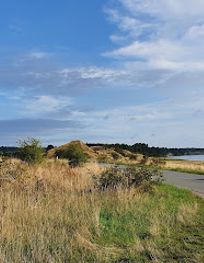
Olaf Ryes Skanse is a 19th-century military fortification located on the narrow isthmus connecting Helgenæs peninsula to Mols in eastern Jutland, Denmark. Built as a sconce (small fortification), it played a crucial role during the First Schleswig War (1848–1851) and is named after General Olaf Rye, a Norwegian-Danish military officer who died heroically in battle. The site offers panoramic views across the surrounding landscape and serves as a poignant memorial to Danish military history.
A brief summary to Olaf Ryes Skanse
- Knebel, 8420, DK
- Duration: 0.75 to 2 hours
- Free
-
 Outdoor
- Mobile reception: 4 out of 5

Know before you go
Hi, I'm Eve. Here are a few practical things to know before exploring Olaf Ryes Skanse.
- Visit during clear weather to fully appreciate the panoramic views across the isthmus and surrounding landscape. The site is exposed, so bring appropriate clothing for wind and changing conditions.
- Allow time to read the information boards on-site, which provide essential historical context about General Olaf Rye, the First Schleswig War, and the fortification's strategic role.
- Combine your visit with exploration of nearby Helgenæs peninsula and Mols region, which offer additional natural attractions, hiking trails, and coastal scenery.
- The site is best visited during daylight hours when visibility is optimal for both viewing the landscape and photographing the fortification and surrounding terrain.
Do you manage this location?
Take control to get all the benefits, like improved information, better appearance, and stronger visibility across AI-powered discovery. Learn more about listing your business on Evendo
Activate your presenceOther nearby places you may find interesting
The closest places of the same kind, if this one is not quite what you had in mind.
Explore Olaf Ryes Skanse on the Map
A handpicked selection of must-see spots near Olaf Ryes Skanse, mapped for you.
Getting There
-
Car from Aarhus
Drive approximately 45–50 kilometers northeast from Aarhus city center toward Knebel and Helgenæs. Follow regional roads through the Mols region toward the coastal areas. The journey takes approximately 50–60 minutes depending on traffic and exact starting point. Parking is available near the site. No entrance fee is required.
-
Public Transport from Aarhus
Take a regional bus from Aarhus toward Knebel or Helgenæs. Service is operated by local transport providers with typical frequencies of 1–2 departures per hour during peak times and reduced service in off-peak periods. Journey time is approximately 60–90 minutes depending on route and connections. Fares are approximately 60–90 Danish Krone per journey. From the bus stop, walk to the fortification, which may require 10–20 minutes depending on exact drop-off location.
-
Cycling from Mols Region
If based in the broader Mols area, cycling to Olaf Ryes Skanse is feasible via regional cycling routes. The site is accessible via established cycle paths that connect Knebel and surrounding villages. Journey times vary from 20–45 minutes depending on starting location. The terrain is generally flat to gently rolling. No entrance fee is required.
-
Walking from Knebel Village
From Knebel village center, the fortification is accessible on foot via local roads and pathways. The walk takes approximately 20–30 minutes depending on exact starting point and route chosen. The terrain is accessible but involves some elevation change. No entrance fee is required.
For the on-the-go comforts that matter to you
-
 Information Boards
Discover more about Olaf Ryes Skanse
A Fortress Born from Conflict
Olaf Ryes Skanse stands as a testament to Denmark's turbulent 19th-century military history. Constructed during the First Schleswig War, this modest but strategically significant fortification occupies a commanding position on the narrow strip of land that connects the Helgenæs peninsula to the broader Mols region. The sconce's location was deliberately chosen to control passage and provide defensive advantage during the conflict between Danish forces and the Schleswig-Holstein alliance. The fortification's design reflects the military engineering principles of the era, with earthen ramparts and strategic sightlines that would have allowed defenders to monitor approaching forces across the surrounding terrain.General Olaf Rye: A Hero's Legacy
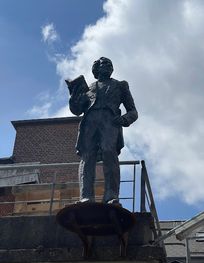
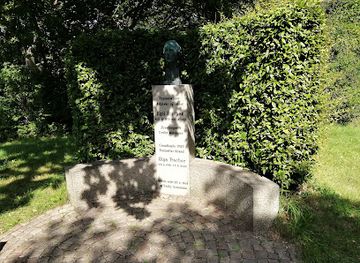
The site bears the name of General Olaf Rye, a remarkable military figure whose life bridged Scandinavian and European history. Born in 1791 in Telemark, Norway, Rye began his military career as a cadet and rose through the ranks to become a major-general in the Danish Army. His service was distinguished and varied—he served under Prussian General Gebhard von Blücher, commanded the Fynian Infantry Regiment, and was honored with knighthood in the Order of the Dannebrog. Beyond his military prowess, Rye was an accomplished skier who reportedly achieved the first recorded ski jump in history, launching himself 9.5 metres into the air near Eidsberg Church in Norway in 1808—a remarkable feat that predates organized ski jumping by decades.Rye's final and most celebrated act came during the Battle of Fredericia in 1849, when he played a decisive role in breaking the Schleswig-Holstein siege of the town. However, this victory came at the ultimate cost: Rye was killed in action during the battle, becoming a Danish war hero and martyr to the cause of national independence. His death at age 58 marked the end of a life devoted to military service, and his legacy was honored across Scandinavia through numerous memorials, streets, and military installations bearing his name.Strategic Significance and Military Operations
During the First Schleswig War, Olaf Ryes Skanse served as an important defensive position for Danish forces. General Rye himself commanded troops at this fortification while conducting operations against opposing forces. The sconce's elevated position on the isthmus provided excellent visibility and control over the narrow passage, making it a valuable asset in the broader military campaign. The fortification exemplifies the type of small, purpose-built defensive structures that characterized 19th-century warfare before the advent of larger, more elaborate coastal fortifications. Its modest scale belies its historical importance in the struggle for Danish sovereignty and territorial integrity.Landscape and Panoramic Views
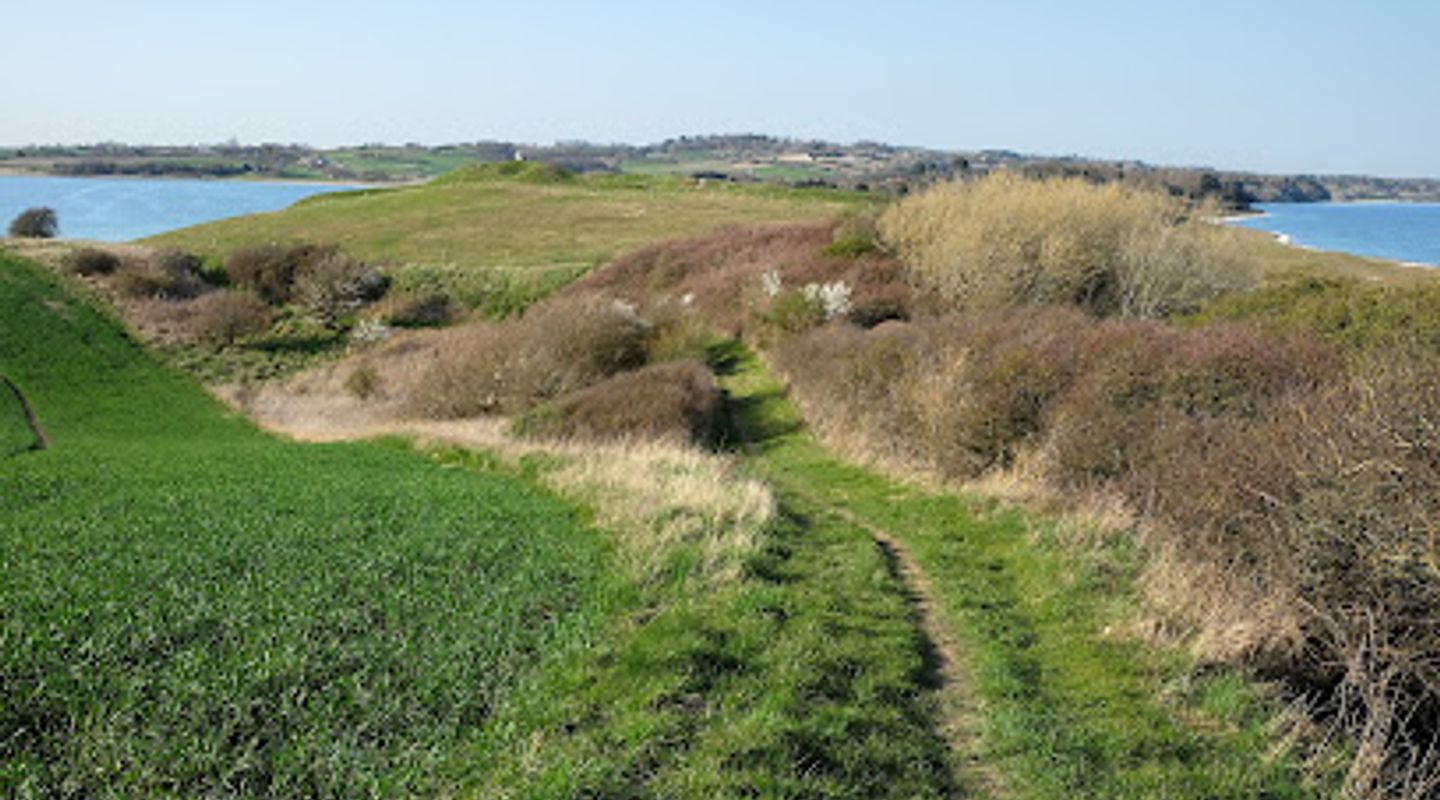
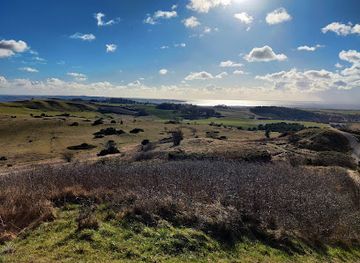
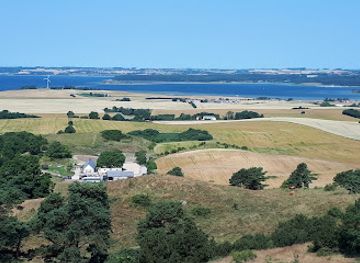
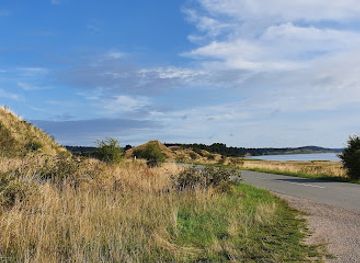
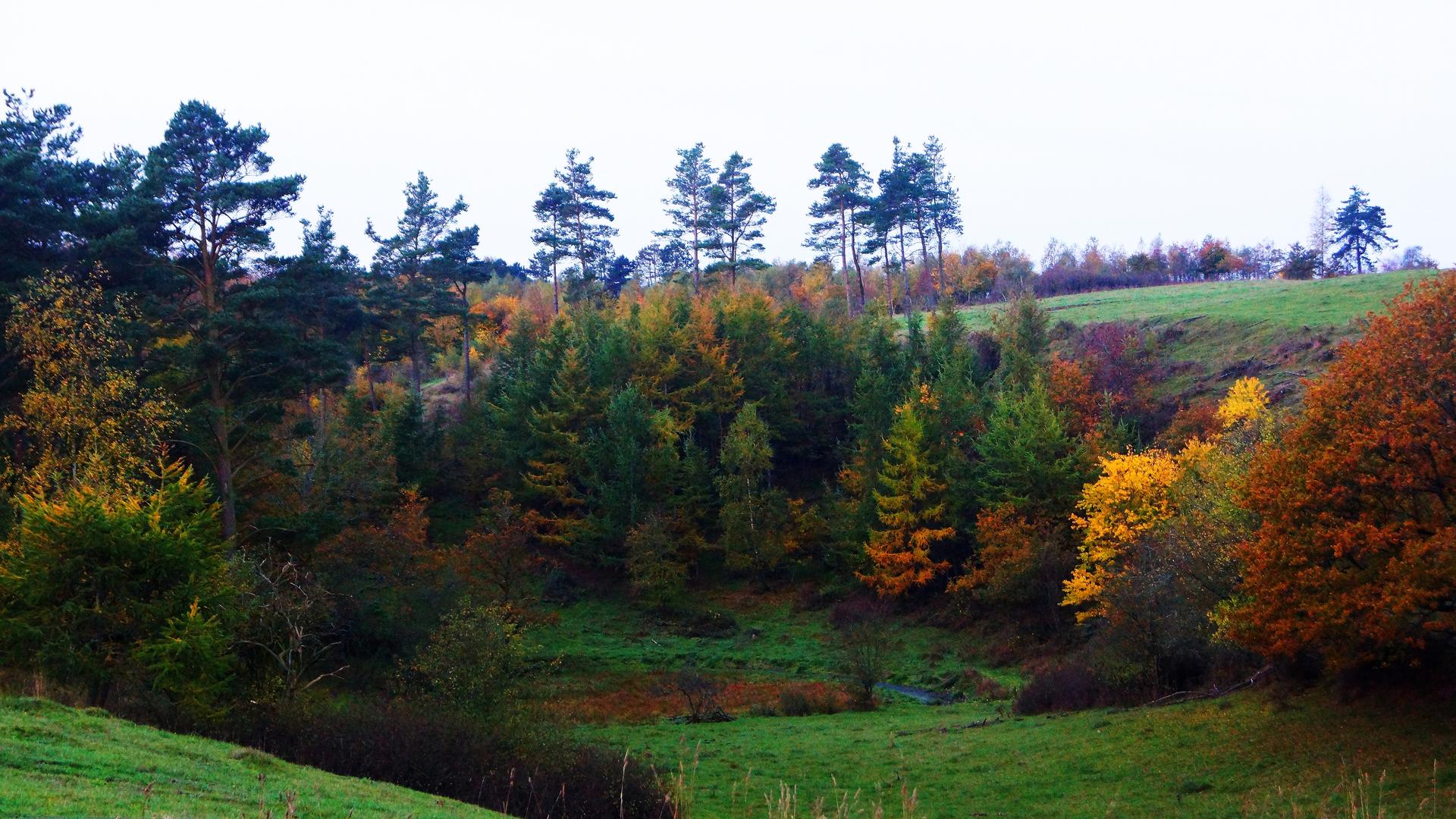
The site's most immediate appeal to modern visitors is its breathtaking panoramic vista. Perched on the elevated isthmus, Olaf Ryes Skanse commands sweeping views across the surrounding landscape, encompassing the waters separating Helgenæs from the mainland, the rolling terrain of Mols, and the broader Jutland countryside. The narrow strip of land on which the fortification stands creates a dramatic geographical feature—a natural causeway that has shaped both the region's history and its visual character. On clear days, the vistas extend across considerable distances, offering visitors a sense of the strategic advantages that made this location militarily significant. The interplay of water, land, and sky creates a contemplative atmosphere that invites reflection on the historical events that unfolded here.Visiting the Site Today
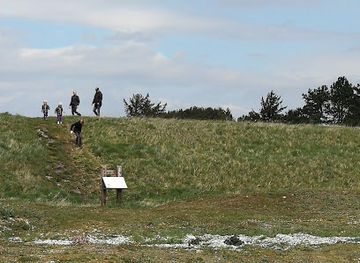
Today, Olaf Ryes Skanse functions as an open-air historical monument and popular destination for those interested in Danish military heritage and 19th-century history. The site remains largely in its original state, with earthen fortifications still visible and the landscape largely undeveloped. Visitors can walk the grounds, examine the fortification's structure, and absorb the historical atmosphere while enjoying the natural beauty of the location. The site's accessibility and free admission make it an attractive stop for travelers exploring the Mols region and the broader Aarhus area. Information boards provide context about the fortification's history and its role in the First Schleswig War, helping visitors understand the significance of what they are viewing.












Your all‑in‑one travel companion app
Explore expert travel guides, compare and book tours, experiences, hotels, and more—all from the palm of your hand. Download now for seamless trip planning wherever your wanderlust takes you.


Explore More of Mols Bjerge
Looking beyond Olaf Ryes Skanse? Discover Mols Bjerge for broader travel guides, local hot-spots, and regional highlights.
Explore Mols Bjerge