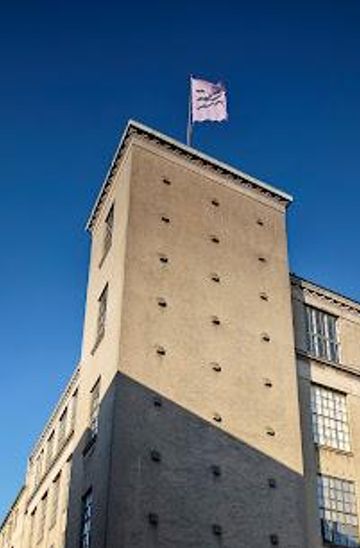
Kunstmuseum Brandts
Denmark's largest art museum in a restored 1887 textile factory, showcasing 250 years of Danish art and world-class photography.
Kunstmuseum Brandts is Denmark's largest art museum on the island of Funen, housed in a beautifully restored 1887 textile factory in central Odense. Spanning five floors, the museum showcases nearly 17,000 works of Danish and international art, photography, and film, from classical masterpieces to contemporary installations. The collection includes 250 years of Danish artistic heritage, complemented by 8–10 rotating special exhibitions annually. The museum features dedicated children's galleries, a sensory exhibition, a creative workshop, and an art café overlooking Amfipladsen square, making it a comprehensive cultural destination for visitors of all ages.
A brief summary to Art Museum Brandts
- Amfipladsen 7, Odense, Odense C, 5000, DK
- Click to display
- Click to display
- Duration: 2 to 5 hours
- Mid ranged
-
 Indoor
- Mobile reception: 5 out of 5
- Tuesday 10 am-5 pm
- Wednesday 10 am-5 pm
- Thursday 10 am-8 pm
- Friday 10 am-5 pm
- Saturday 10 am-6 pm
- Sunday 10 am-5 pm

Know before you go
Hi, I'm Eve. Here are a few practical things to know before exploring Art Museum Brandts.
- Visit on Thursday evenings when the museum stays open until 8 PM, allowing for a more relaxed exploration after work hours with fewer crowds.
- Allocate at least 3–4 hours to experience the five floors meaningfully; the permanent collection alone warrants extended engagement, and special exhibitions add significant depth.
- Don't skip the children's sensory exhibition and creative workshop even if visiting without children; adults frequently find these spaces offer fresh perspectives on artistic engagement.
- Check the exhibition calendar before visiting, as the museum rotates 8–10 special exhibitions annually; timing your visit around a particular show can enhance your experience significantly.
- Enjoy the Kunstcafé Brandts overlooking Amfipladsen square for coffee or a light meal; the café's atmospheric setting and views of the historic square provide a contemplative break between gallery sections.
Do you manage this location?
Take control to get all the benefits, like improved information, better appearance, and stronger visibility across AI-powered discovery. Learn more
Activate your presenceOther nearby places you may find interesting
Getting There
-
Train from Copenhagen
Direct trains depart Copenhagen Central Station hourly, with journey times of 1 hour 20 minutes to 1 hour 45 minutes depending on service type. Tickets cost approximately DKK 200–350 for standard fares. From Odense Central Station, the museum is a 10–15 minute walk through the city centre, or a short bus ride on local services. This is the most convenient option for visitors from the capital.
-
Local bus within Odense
Multiple bus routes serve the city centre and Amfipladsen. Journey times from Odense Central Station are typically 5–10 minutes depending on the route. Single tickets cost approximately DKK 25–35. Buses run frequently throughout the day with reduced service on Sundays and evenings. This is ideal for visitors already in Odense.
-
Bicycle
Odense is highly bicycle-friendly with extensive cycle lanes throughout the city. From Odense Central Station, the museum is approximately 1.5 kilometres away via dedicated cycle routes, requiring 5–10 minutes of cycling. Bicycle rental is available at multiple locations around the city for approximately DKK 60–100 per day. This option offers flexibility and allows exploration of Odense's charming neighbourhoods.
-
Car with parking
Street parking and paid car parks are available near Amfipladsen, though spaces can be limited during peak hours. Expect to pay approximately DKK 20–40 per hour for parking. The museum is located in the pedestrianised city centre, so parking is not directly adjacent; plan for a 5–10 minute walk from nearby car parks. Driving is less convenient than public transport or cycling for this central location.
For the on-the-go comforts that matter to you
-
 Restrooms
-
 Drink Options
-
 Food Options
-
 Seating Areas
-
 Information Boards
-
 Visitor Center
Discover more about Art Museum Brandts
A Textile Factory Transformed into a Cultural Landmark
Kunstmuseum Brandts occupies the former Brandts Klædefabrik, a historic textile factory built in 1887 that once produced fabrics for uniforms and industrial use until its closure in 1977. Rather than demolish this industrial monument, Odense Municipality and local visionaries recognized the building's potential as a cultural venue. The transformation began in the early 1980s, and the museum officially opened in 1987 as part of the Brandts International Center for Art and Culture. Today, visitors can still observe the oil stains from weaving machines on the original factory floors, creating an atmospheric backdrop that adds historical depth to the art experience. This pioneering conversion made Brandts one of Denmark's first industrial buildings repurposed for cultural use, setting a precedent for heritage preservation across Scandinavia.A National Institution Dedicated to Photographic Excellence
The museum houses the Danish Museum of Photographic Art (Museet for Fotokunst), the only national Danish art museum dedicated exclusively to photographic art. Founded in 1985 and state-approved in 1992, this institution maintains a special obligation to preserve and exhibit Danish and international photography from World War II to the present day. The museum's commitment to the medium earned it the title of European Museum of the Year in 1988, alongside its affiliated institutions. In 2000, the museum launched the Odense Foto Triennial, which evolved into the Fuenen Festival of Photography, establishing Odense as a significant hub for contemporary photographic practice. The photographic collection comprises approximately 9,000 Danish and international works, displayed across 150 square metres on the second floor, while an additional 400 square metres on the first floor accommodates rotating special exhibitions that typically number five to six per year.Comprehensive Collections Spanning Centuries of Danish Art
The museum's permanent collection encompasses nearly 17,000 works of art, with a particular emphasis on 250 years of Danish artistic development from the golden age through modernism to contemporary practice. Notable works include portraits by Jens Juel, paintings by Vilhelm Lundstrøm, and pieces by Hammershøi, representing the finest achievements of Danish visual culture. The permanent exhibition, titled "The Works – 250 Years of Art Seen from Funen," provides a comprehensive overview of artistic evolution in the region, contextualizing individual masterpieces within broader historical and cultural narratives. Beyond painting and sculpture, the collection encompasses film, video art, and mixed media, reflecting the museum's commitment to visual culture in all its contemporary forms. This breadth ensures that each visit reveals new perspectives, whether visitors are encountering canonical works or discovering emerging artists.Family-Centered Programming and Sensory Engagement
For three decades, Kunstmuseum Brandts has pioneered art experiences designed specifically for children, earning critical acclaim for its innovative approach to making contemporary art accessible to young audiences. The museum's traditional sensory exhibition invites children to engage with art through touch, movement, and imagination, transforming passive observation into active participation. A dedicated creative workshop encourages hands-on artistic exploration, while exhibitions featuring beloved Danish illustrators—such as Jakob Martin Strid's "The Fantastic Bus"—demonstrate how children's literature and fine art can intersect meaningfully. The museum's philosophy recognizes that artistic engagement need not be age-segregated; adults frequently discover unexpected pleasure in children's exhibitions, finding that playful engagement with art opens new interpretive possibilities. This inclusive approach has made Brandts a destination where families create shared cultural memories.Exhibition Dynamism and International Reach
The museum presents 8–10 special exhibitions annually, ensuring that the visitor experience remains fresh and intellectually stimulating across repeat visits. These exhibitions range from retrospectives of canonical figures to cutting-edge contemporary installations, often featuring both Danish and international artists. The curatorial vision emphasizes accessibility without compromising intellectual rigor, presenting world-class art in ways that feel inviting to diverse audiences. Since 1988, the museum has published *Katalog – Journal of Photography and Video*, a tri-annual publication distributed to subscribers in more than 20 countries, establishing Brandts as a significant voice in international art discourse. This publication commitment underscores the museum's role not merely as a local institution but as a contributor to global conversations about visual culture.Atmosphere, Amenities, and Urban Integration
The five-floor structure offers expansive gallery spaces that allow comfortable viewing without crowding, while the industrial architecture—with exposed beams, high ceilings, and original factory elements—creates a distinctive aesthetic that enhances rather than competes with the artworks. The Kunstcafé Brandts, overlooking the intimate Amfipladsen square, provides a welcoming space for reflection and refreshment, serving seasonal cakes, salads, sandwiches, and specialty beverages in an atmosphere decorated with atmospheric sculptures and a large mural by Malene Landgreen. The museum shop, Fyn's only dedicated art bookstore, offers an extensive selection of exhibition catalogues, art books, designer goods, crafts, and original lithographs. The museum's Green Attraction certification reflects its commitment to environmental responsibility through energy efficiency, waste management, and sustainable purchasing practices. Located in Odense's vibrant city centre, Brandts functions as a cultural anchor that draws both local regulars and international visitors, fostering a sense of community around artistic experience.Explore the best of what Art Museum Brandts has to offer













More about Funen
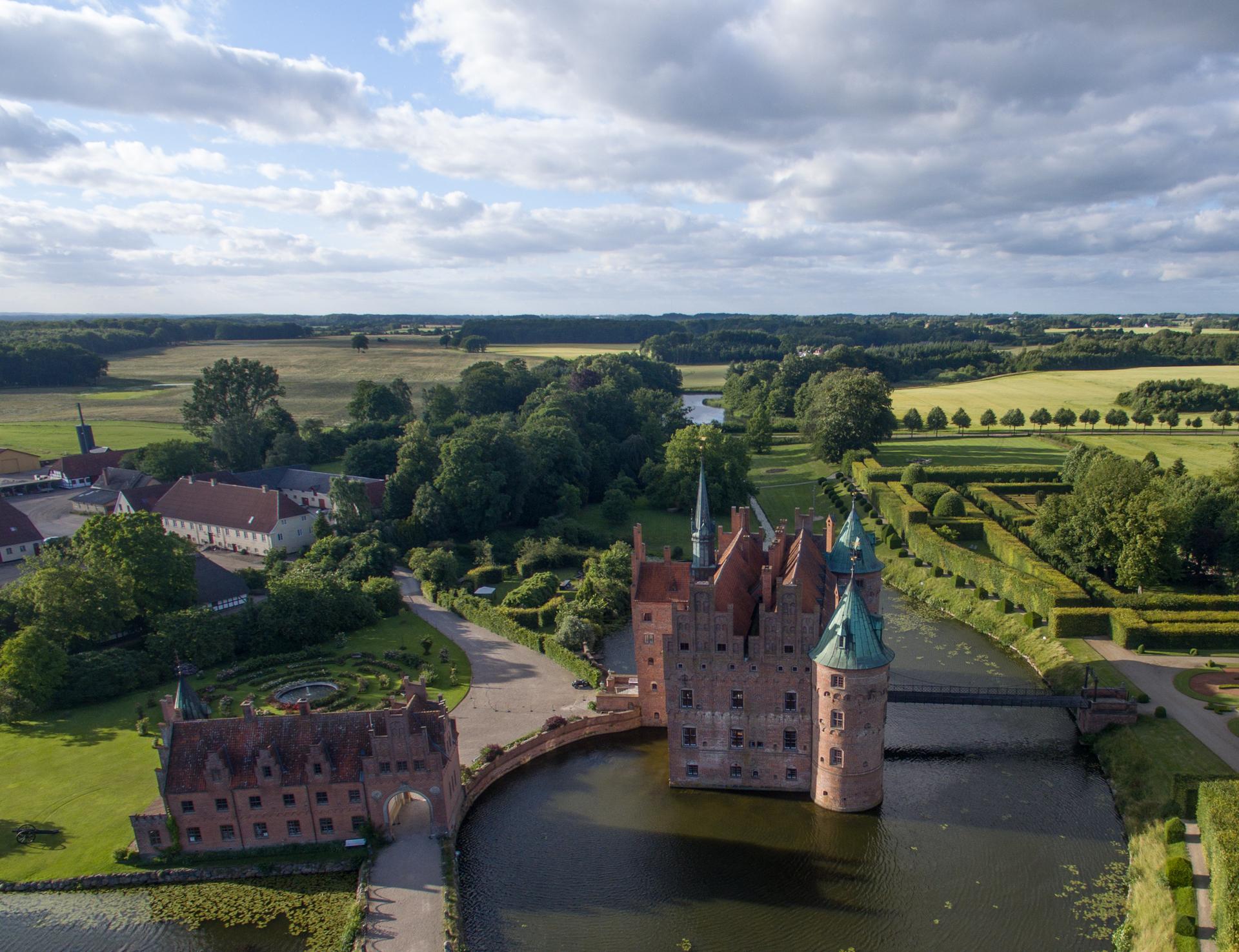
Discover Funen, Denmark's lush island treasure, where fairy tales come to life amidst scenic landscapes, historic castles, and vibrant cultural heritage.
Tell me more about Funen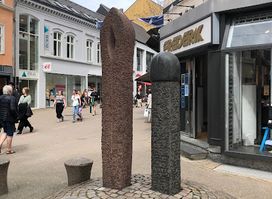
A provocative Hans Christian Andersen–inspired granite sculpture on Odense’s main shopping street, where a simple needle becomes a playful, ambiguous urban conversation.
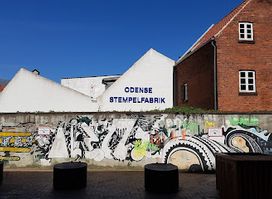
Funen’s leading art and visual culture museum in a former woollen mill, mixing Danish art, photography, family-friendly exhibits and a Green Attraction–certified café hub.