Tidens Samling Travel Guide
Free Guide: Hands-on time travel through 20th-century Danish homes, fashion and everyday life in a cosy museum inside Odense’s historic Brandts Klædefabrik complex.


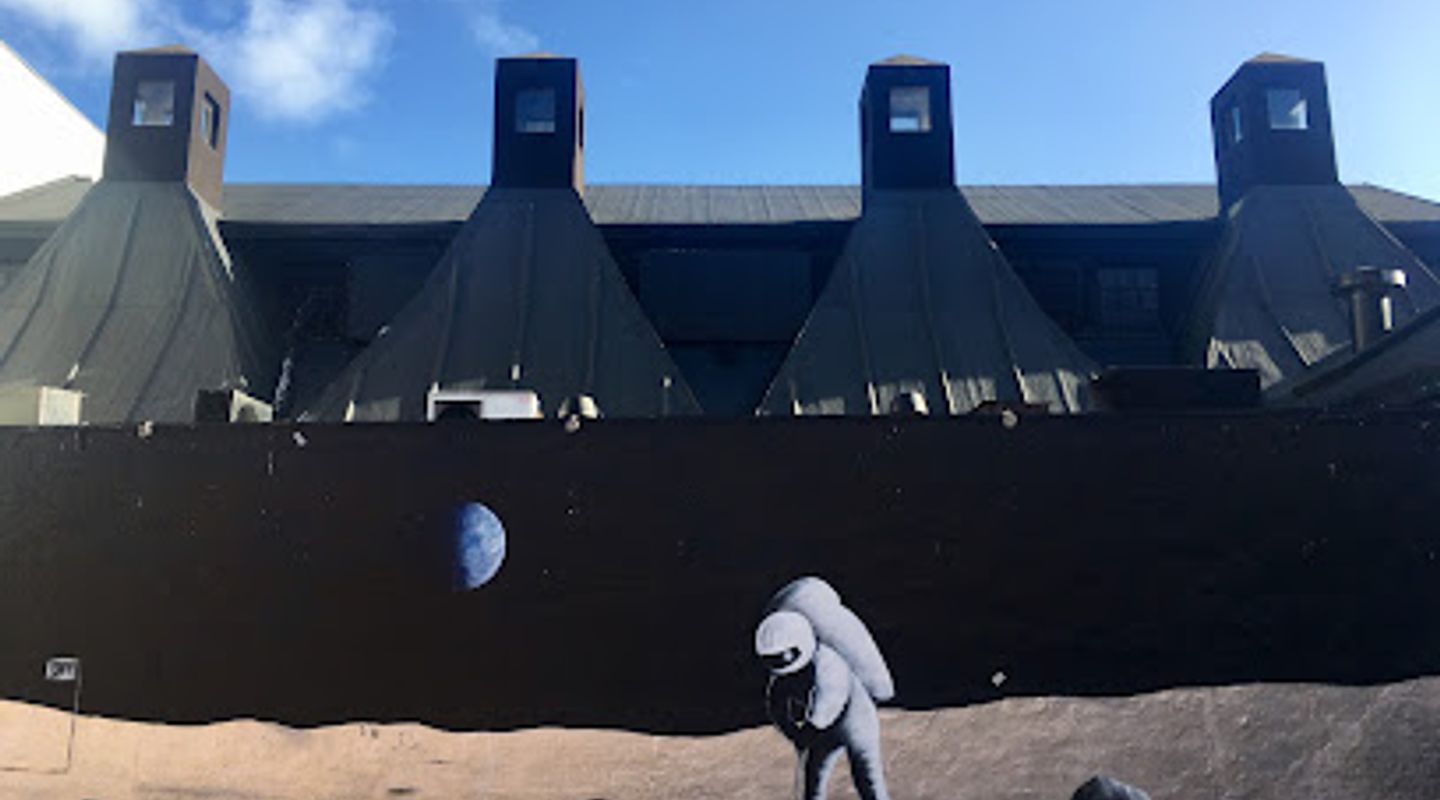
A brief summary of Tidens Samling
Hands-on time travel through 20th-century Danish homes, fashion and everyday life in a cosy museum inside Odense’s historic Brandts Klædefabrik complex.
Tidens Samling is a hands-on cultural history museum in Odense’s atmospheric Brandts Klædefabrik complex, dedicated to Danish everyday life from 1900 to 1999. Step into full-scale living rooms, youth rooms and a 1990s dining space, sit on the furniture, open drawers and browse books, and try on original clothing from different decades. It is an intimate, nostalgic journey through a century of domestic design, fashion and family life, especially engaging for children and multigenerational visits.
On-site amenities
 Restrooms
 Seating areas
 Trash bins
 Information boards
Opening hours
- Mon–Sat10 am–4 pm
- SunClosed
Opening hours as listed on the venue’s Google Business Profile. Hours can change for services and special events, so check with the venue before you go.
- Address
- Brandts Klædefabrik, Farvergården 7, 5000 Odense C
- Phone
- Website
Getting there
Local bus from Odense Banegård Center
Walking from central Odense
Taxi within Odense
Discover more about Tidens Samling
A century of Danish everyday life under one roof
Tidens Samling occupies part of the former Brandts Klædefabrik textile complex in central Odense, but once you step inside you leave the factory world behind and enter ordinary Danish homes from the 20th century. The permanent exhibition is arranged as a sequence of fully furnished rooms that together trace everyday life from the early 1900s to the brink of the new millennium.Each decade is represented by a characteristic living room, assembled from original furniture, lamps, textiles, books and small objects. Radios give way to televisions, heavy dark wood turns into light functionalism, and patterned wallpapers change with the fashion of each era. The effect is less like a showcase and more like walking unannounced into someone’s home at a particular moment in time.
Immersive rooms you are encouraged to use
Unlike many museums, Tidens Samling invites you to touch almost everything. You can sit on the sofas, leaf through magazines, open drawers, and examine ornaments up close. This hands-on approach makes the spaces feel lived in rather than staged and encourages slow, curious exploration.The rooms are filled with small period details: children’s toys on the floor, knitting in a basket, a cookbook open on a kitchen trolley. These elements help you imagine daily routines, conversations and family rituals. For younger visitors, it turns abstract “history” into something tangible and playful; for older visitors, it can be a powerful trigger for personal memories.
Fashion, youth culture and dressing up
Beyond the living rooms, Tidens Samling devotes significant space to clothing and personal style. Racks and wardrobes hold garments, coats and accessories spanning the decades: long skirts and hats from the early 1900s, sharp mid-century suits, bright 1960s prints and bold styles from the 1970s and 1980s.Here, trying things on is very much part of the experience. You can slip into outfits from different periods, combine hats and bags, and see how changing silhouettes transformed the way people moved and presented themselves. The museum often highlights shifts in fabric technology, colour trends and ready-made fashion, revealing how social change and consumer culture shaped what people wore at home and in public.
From parlours to playstations: changing rooms through the decades
The sequence of interiors moves from formal parlours and modest early 20th-century spaces to more relaxed mid-century living, and finally to the media-saturated late 20th century. A youth room from the 1970s or 1980s might feature posters, cassette players or game consoles, conveying how teenage identity and leisure changed as music, film and electronics entered the home.A 1990s dining room rounds off the journey, with lighter furniture, new materials and a different sense of family gathering. Comparing the earliest rooms with the latest, you can trace how ideas of comfort, privacy and togetherness evolved alongside technological and social shifts in Denmark during the century.
An intimate museum in a creative quarter
Tidens Samling is relatively compact, typically visited in one to two hours, which makes it easy to combine with other sights in the Brandts cultural quarter. Its location on an upper floor creates a slightly hidden, homely atmosphere, away from the bustle of the cobbled courtyards below.Despite its modest size, the collection is dense and thoughtfully arranged, rewarding close attention to details on shelves and walls. Occasional special exhibitions focus on themes such as home décor, design or fashion from specific periods, adding variety for repeat visitors. Combined with the creative surroundings of the old factory complex, the museum offers a reflective, nostalgic pause in the heart of Odense.
Evendo Review Centre
 Google
Guest reviews
Best time to go
Quietest: Jan, Feb & Nov · before 9am or from 5pm
Busy times are Evendo estimates for a typical year, to help you plan. Actual crowds vary with events, school holidays and the weather.
Explore Tidens Samling on the map
A handpicked selection of must-see spots near Tidens Samling, mapped for you.
Get your free copy of our complete guide to Tidens Samling, delivered straight to you.
Everything on this page, from opening hours and how to get there to Eve’s tips and the best time to go, in one PDF you can read offline, print or share.
Already have an account? Sign in
Your Tidens Samling guide is ready.
We'll send it to · Not you? Sign out

Getting your guide ready…
We are putting together a fresh copy of the Tidens Samling guide. This can take up to a minute.
This can take a few moments. If your browser asks, choose Allow so the download can start. You'll find the guide in your Downloads folder.
Nothing happened? Download it again
Sorry, the guide is taking longer than usual. Please try again in a minute, or get it by email instead.
Other nearby places you may find interesting
The closest places of the same kind, if this one is not quite what you had in mind.
-
-
-
-
-


Swipe for more places
More to explore near Tidens Samling

 Best experiences near Tidens Samling
 Best hotels near Tidens Samling
 Best landmarks near Tidens Samling
 Best attractions near Tidens Samling
 Best shops near Tidens Samling
 Best restaurants near Tidens Samling
 Best bars near Tidens Samling
Do you manage this location?
Take control to get all the benefits, like improved information, better appearance, and stronger visibility across AI-powered discovery.
Explore more
Explore more of Funen
Discover Funen, Denmark's lush island treasure, where fairy tales come to life amidst scenic landscapes, historic castles, and vibrant cultural heritage.
Explore Funen
Explore more of Denmark
Discover Denmark: A perfect blend of history, modern design, and the cozy concept of hygge. Explore vibrant cities, serene landscapes, and world-class cuisine.
Explore Denmark