
Brandts, Funen Travel Guide
Funen’s leading art and visual culture museum in a former woollen mill, mixing Danish art, photography, family-friendly exhibits and a Green Attraction–certified café hub.
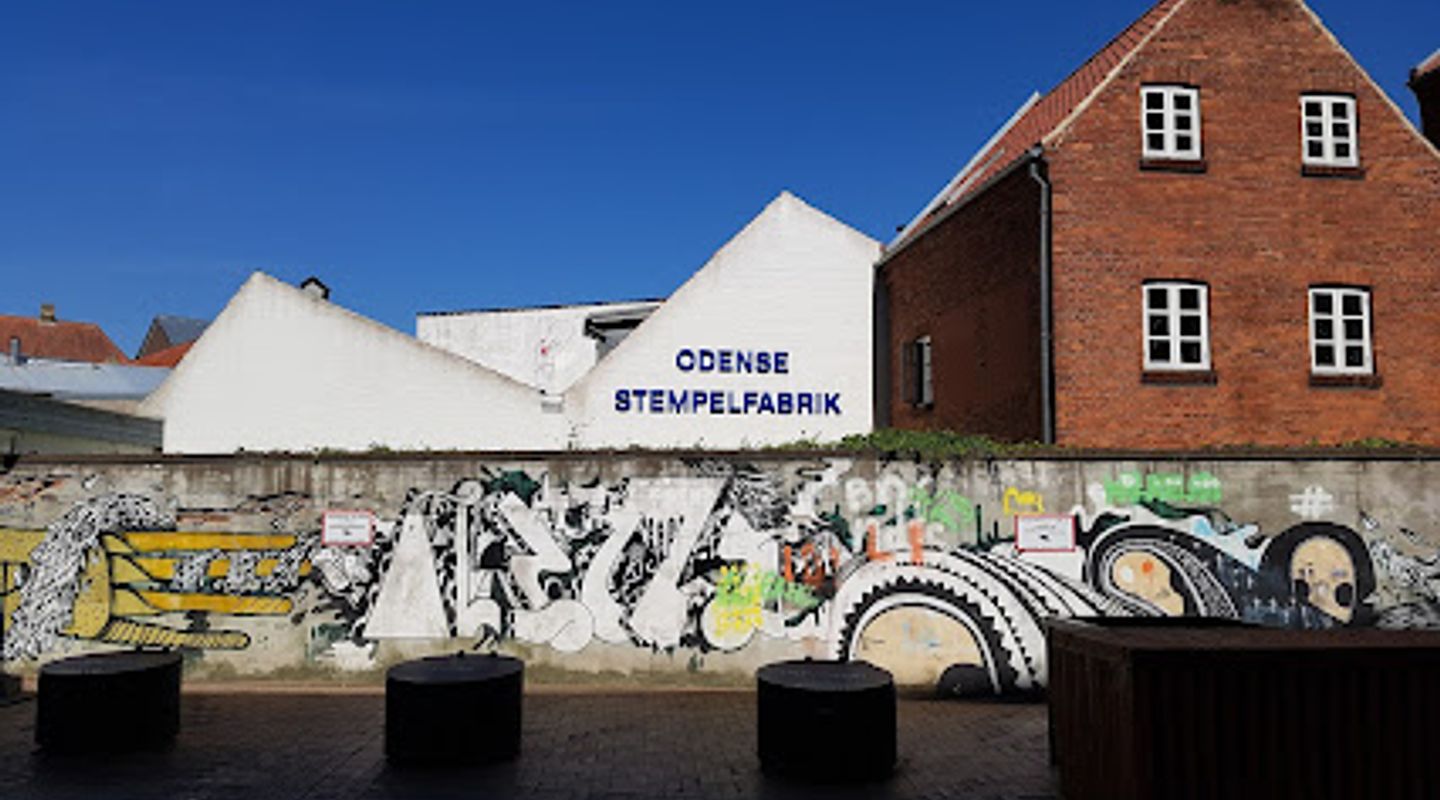
Housed in a former textile factory in Odense’s lively Brandts Klædefabrik quarter, Art Museum Brandts is Funen’s leading museum for art and visual culture. Across several floors, historic industrial architecture frames changing exhibitions of Danish and international art, photography and media. Families are well catered for with long-running sensory shows and creative workshops, while an on-site café and shop spill out towards the cosy Amphi Square, making this a sociable cultural hub year-round.
A brief summary to Brandts
- Amfipladsen 7, Odense, Odense C, 5000, DK
- Click to display
- Click to display
- Duration: 1.5 to 4 hours
- Mid ranged
-
 Indoor
- Mobile reception: 5 out of 5
- Tuesday 10 am-5 pm
- Wednesday 10 am-5 pm
- Thursday 10 am-8 pm
- Friday 10 am-5 pm
- Saturday 10 am-6 pm
- Sunday 10 am-5 pm

Know before you go
Hi, I'm Eve. Here are a few practical things to know before exploring Brandts.
- Plan at least two to three hours if you want to see both the permanent Danish art collection and several temporary exhibitions without rushing.
- If you are visiting with children, check the current sensory exhibition and family workshop times in advance so you can build them into your day.
- Use the café and Amphi Square as a mid‑visit break; natural light and outdoor seating make it a pleasant spot to recharge between gallery floors.
- Drop into the museum shop even without a ticket to browse Danish design objects, posters and books that make easy‑to‑pack souvenirs.
Do you manage this location?
Take control to get all the benefits, like improved information, better appearance, and stronger visibility across AI-powered discovery. Learn more about listing your business on Evendo
Activate your presenceOther nearby places you may find interesting
The closest places of the same kind, if this one is not quite what you had in mind.

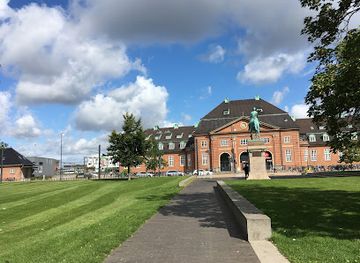
Explore Brandts on the Map
A handpicked selection of must-see spots near Brandts, mapped for you.
Getting There
-
Walking from central Odense
From Odense’s central shopping streets in the city centre, allow about 5–10 minutes on foot to reach Brandts in the Brandts Klædefabrik quarter. The route is flat and follows pedestrian-friendly streets and passages, making it suitable for most visitors and strollers. Surfaces are mainly paved or cobbled, so comfortable footwear is recommended, especially in wet or icy weather. There is no cost involved, and walking is often the most convenient option within this compact part of the city.
-
Bus from Odense Railway Station area
Local city buses run from the streets around Odense Railway Station toward stops near the Brandts area, such as lines using Vindegade or adjacent central streets. Typical journey time is around 5–10 minutes, plus a short walk of a few minutes to the museum entrance. Single adult tickets on local buses usually cost in the region of 20–30 DKK depending on zones and purchase method. Buses run frequently during the day on weekdays and somewhat less often in evenings and on weekends, and low-floor vehicles generally make boarding straightforward for those with reduced mobility.
-
Car or taxi within Odense
Reaching Brandts by car or taxi from most central Odense neighbourhoods typically takes 5–15 minutes, depending on traffic. Public car parks are available within walking distance in the city centre, though spaces can be limited at busy times and parking fees apply, commonly around 10–25 DKK per hour in central zones. A short taxi ride from the main station or nearby hotels will usually cost roughly 70–150 DKK. Be prepared for one-way streets and pedestrian areas in the Latin Quarter, and consider dropping passengers close by before parking further out if mobility is an issue.
For the on-the-go comforts that matter to you
-
 Restrooms
-
 Drink Options
-
 Drinking Water
-
 Food Options
-
 Seating Areas
-
 Sheltered Areas
-
 Trash Bins
-
 Information Boards
Discover more about Brandts
From Woollen Mill to Cultural Powerhouse
Art Museum Brandts occupies part of the old Brandts Klædefabrik complex, once a humming woollen mill at the heart of Odense’s industrial life. Today, the brick buildings and cast-iron details have been carefully adapted, retaining raw beams, tall factory windows and open floorplates that hint at the building’s working past. Instead of clattering machines, the spaces now hum with conversations about art, colour and ideas.This transformation is central to Brandts’ character. The museum stands inside a small "city within the city" where galleries, studios, cinemas and cafés share the cobbled courtyards. Stepping inside, you sense both continuity and change: the solid, practical architecture of a factory now devoted to experimentation and reflection.Danish Art Across 250 Years
Brandts’ collection focuses on roughly 250 years of Danish art, giving a compact but rich overview of the country’s visual culture. Works from the 19th century trace the era when Danish painters turned to light, landscape and everyday life, while 20th‑century pieces show how artists responded to modernity, war and new technologies.On different floors you may encounter everything from expressive painting and sculpture to contemporary installations that challenge what an art museum can be. Temporary exhibitions, typically eight to ten each year, introduce international perspectives or spotlight particular themes, movements or artists, ensuring there is always something new to discover alongside the core collection.Photography, Media and Visual Culture
Brandts has long been associated with photography and newer media, and that heritage continues in its approach to visual culture. Exhibitions often explore how images shape the way we see ourselves and the world, bringing together historic photographs, film, digital works and design.Displays might follow the evolution of cameras and media technology, or examine how news images, advertising and social platforms influence society. This focus makes Brandts feel closely connected to everyday life beyond the museum walls, inviting you to question the pictures that surround you outside the gallery.Families, Play and Hands-On Encounters
A hallmark of Brandts is its art at children’s level. For decades the museum has hosted a traditional sensory exhibition where younger visitors are encouraged to touch, move, listen and play their way into artistic ideas. Rather than simply looking from a distance, children can crawl into spaces, interact with textures and colours, and experience works with their whole bodies.Alongside this, a creative family workshop invites all ages to experiment with materials, drawing, collage or simple sculptural forms inspired by current exhibitions. It is an environment where adults and children explore together, making the museum an easy recommendation for multi‑generational outings.Café Culture and Design-Focused Shopping
On the ground floor, the Brandts Art Café opens towards the atmospheric Amphi Square. Inside, sculptures and a large mural by artist Malene Landgreen give the space a distinctive identity, while large windows keep you connected to the urban life outside. The menu leans towards seasonal cakes, salads, sandwiches and good coffee, with wine and speciality beers for a more leisurely break between galleries.Nearby, the museum shop functions as a compact design store. Shelves carry posters, art books, Danish crafts, small design objects and occasionally original prints or lithographs. Access to both café and shop is free, allowing locals to use Brandts as an everyday meeting place even without a museum ticket.Green Initiatives in an Urban Setting
Art Museum Brandts has been recognised as a Green Attraction, a Danish certification for sites that prioritise environmental responsibility. This involves efforts in areas such as energy use, waste sorting and sustainable purchasing, as well as communicating green initiatives to visitors.Set within a walkable central neighbourhood, the museum fits naturally into a low‑impact way of exploring Odense. You can combine a visit here with nearby boutiques, cinemas and other cultural venues in the Brandts Klædefabrik area, experiencing an urban quarter where historic buildings, art and everyday city life are woven together.












Your all‑in‑one travel companion app
Explore expert travel guides, compare and book tours, experiences, hotels, and more—all from the palm of your hand. Download now for seamless trip planning wherever your wanderlust takes you.


Explore More of Funen
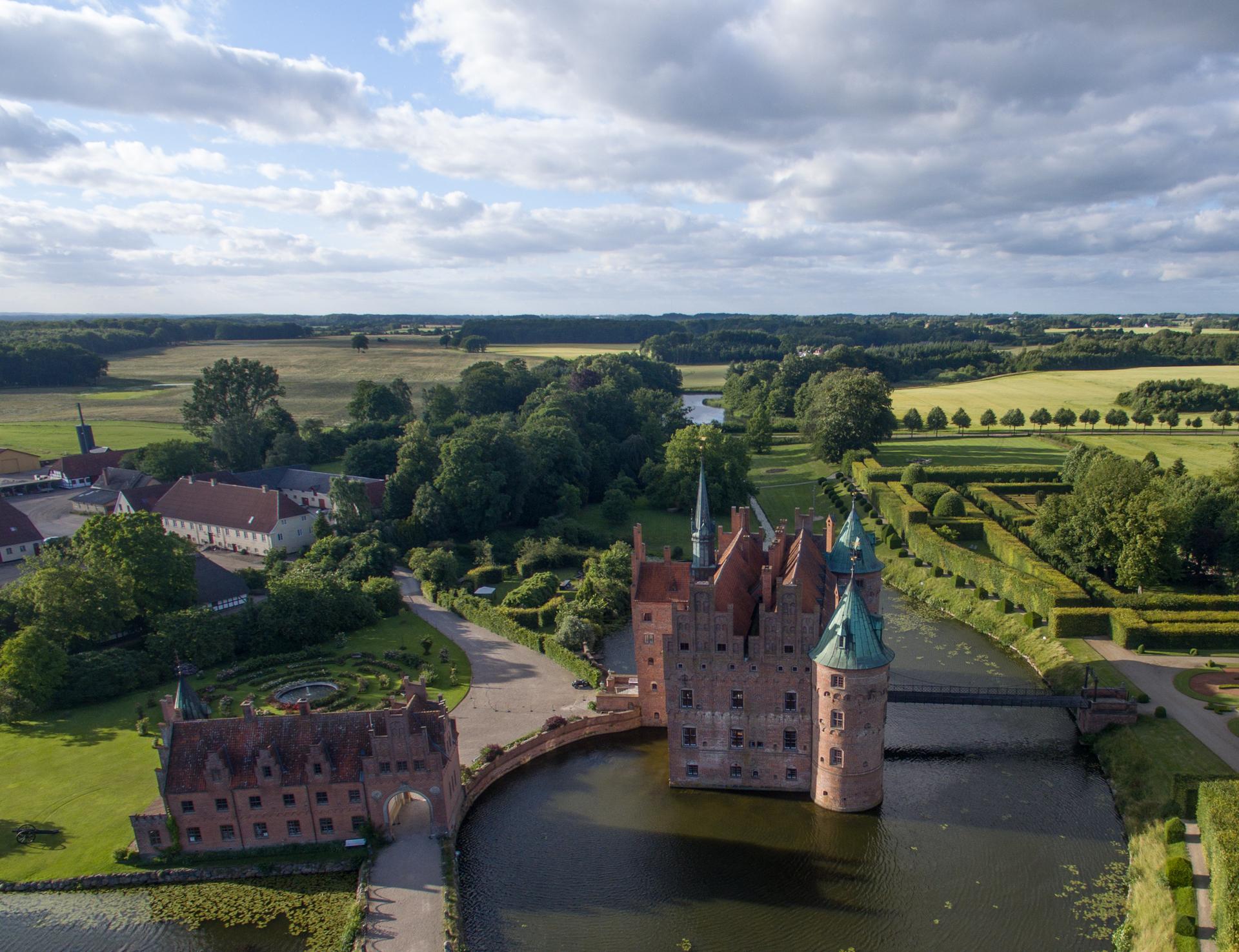
Looking beyond Brandts? Discover Funen for broader travel guides, local hot-spots, and regional highlights.
Explore Funen